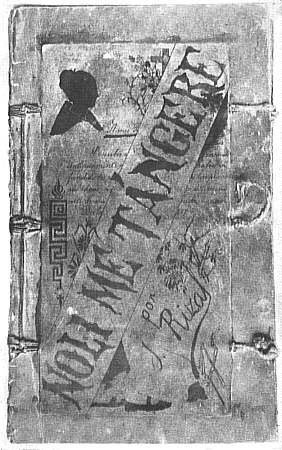
Noli Me Tangere
The Social Cancer follows Crisóstomo Ibarra’s return to San Diego, his plan for a school, and the clerical and colonial interests that destroy it. The novel asks whether reform can work inside a system that punishes reform.
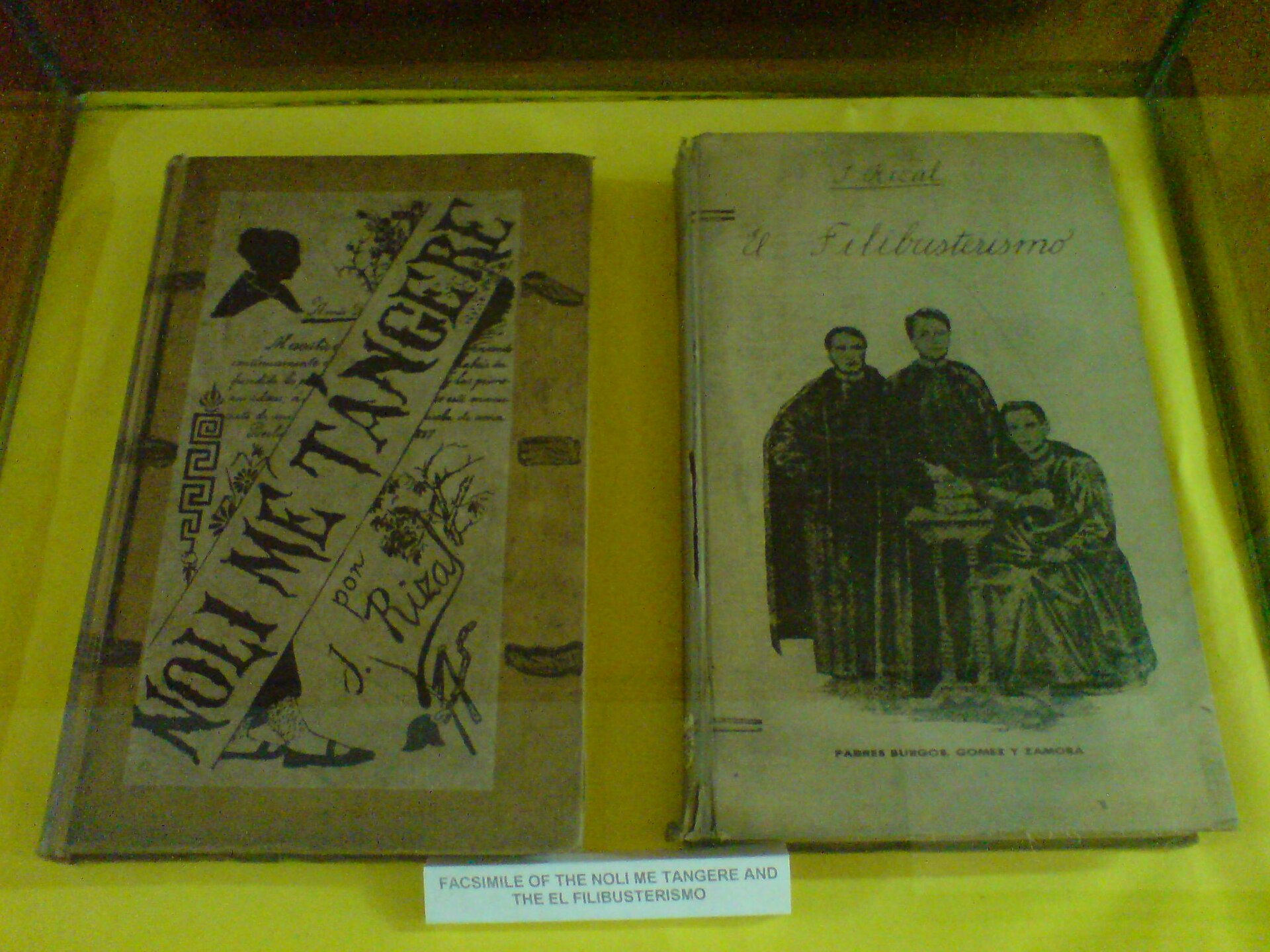
Noli Me Tangere exposed colonial abuses through reform and satire. El Filibusterismo returned with a darker question: what happens when reform is refused?
The Social Cancer follows Crisóstomo Ibarra’s return to San Diego, his plan for a school, and the clerical and colonial interests that destroy it. The novel asks whether reform can work inside a system that punishes reform.
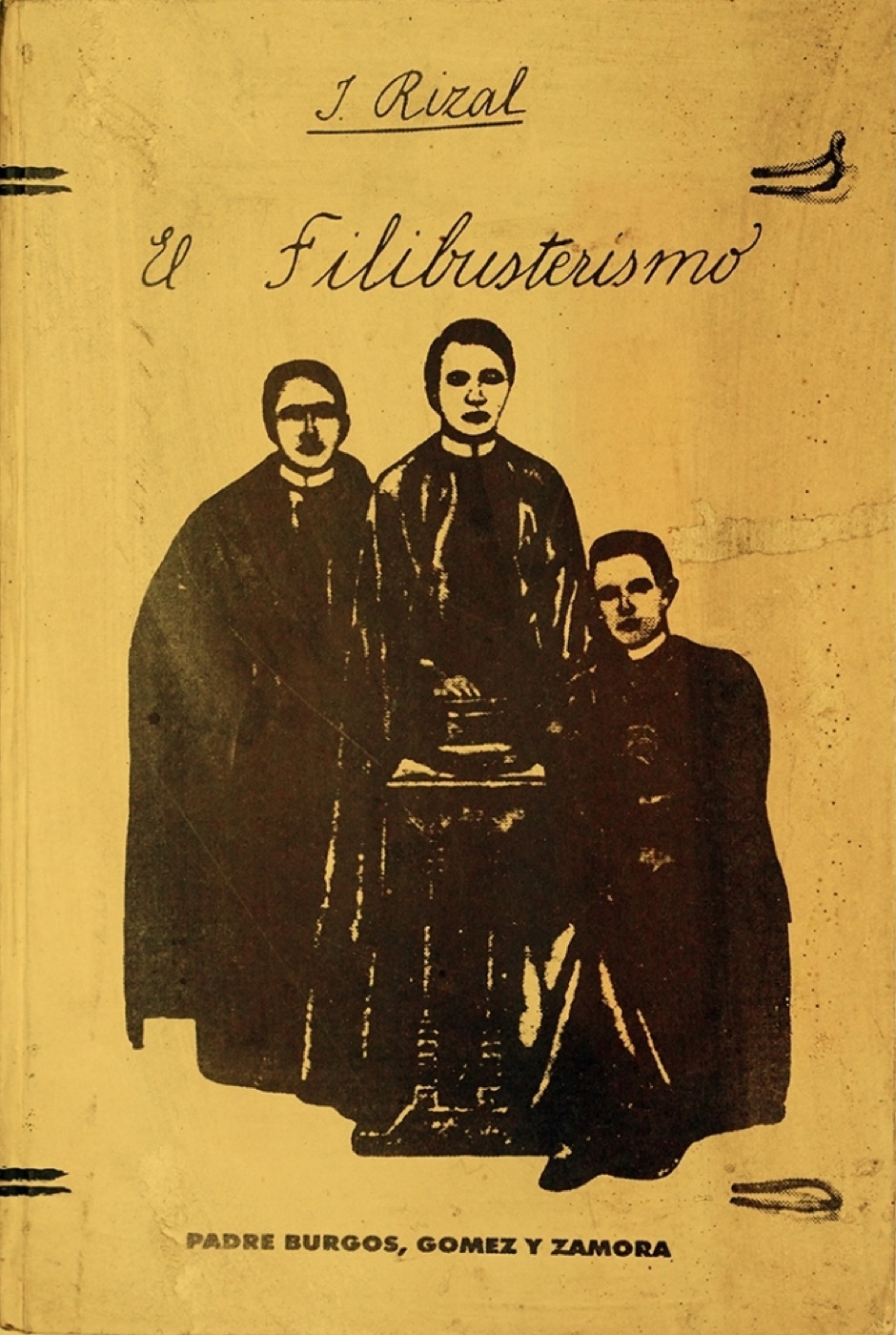
The Reign of Greed returns to a more corrupt society. Simoun’s plot turns reformist disappointment into revenge. The novel tests the costs of revolutionary violence without offering a clean answer.
The two novels are often assigned as separate titles. Reading them as a pair makes their argument sharper. Ibarra’s school in Noli assumes that education can persuade a society to improve. Simoun in El Filibusterismo is what remains when that assumption is defeated. Basilio, Isagani, and Kabesang Tales each carry a different answer to the same question: what is to be done?
None of these characters is simply Rizal. A novel can stage a debate without settling it. The useful classroom question is not “which character is right?” but “what does this character make visible, and what does it leave out?”
Rizal was not only a novelist. In London and Paris, he spent months copying and annotating Antonio de Morga’s 1609 Sucesos de las Islas Filipinas to establish that Filipinos had a civilized history and seafaring culture before Spanish arrival. Through La Solidaridad and La Liga Filipina, he articulated specific reforms for civic mutual aid and representation.
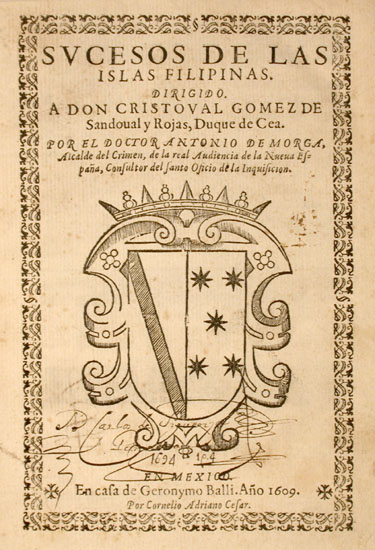
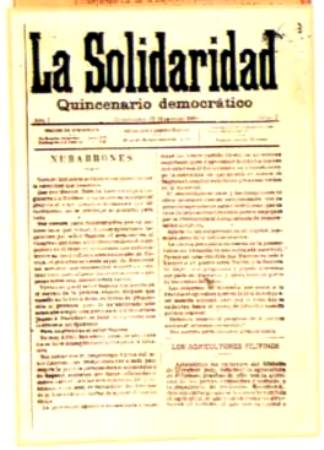
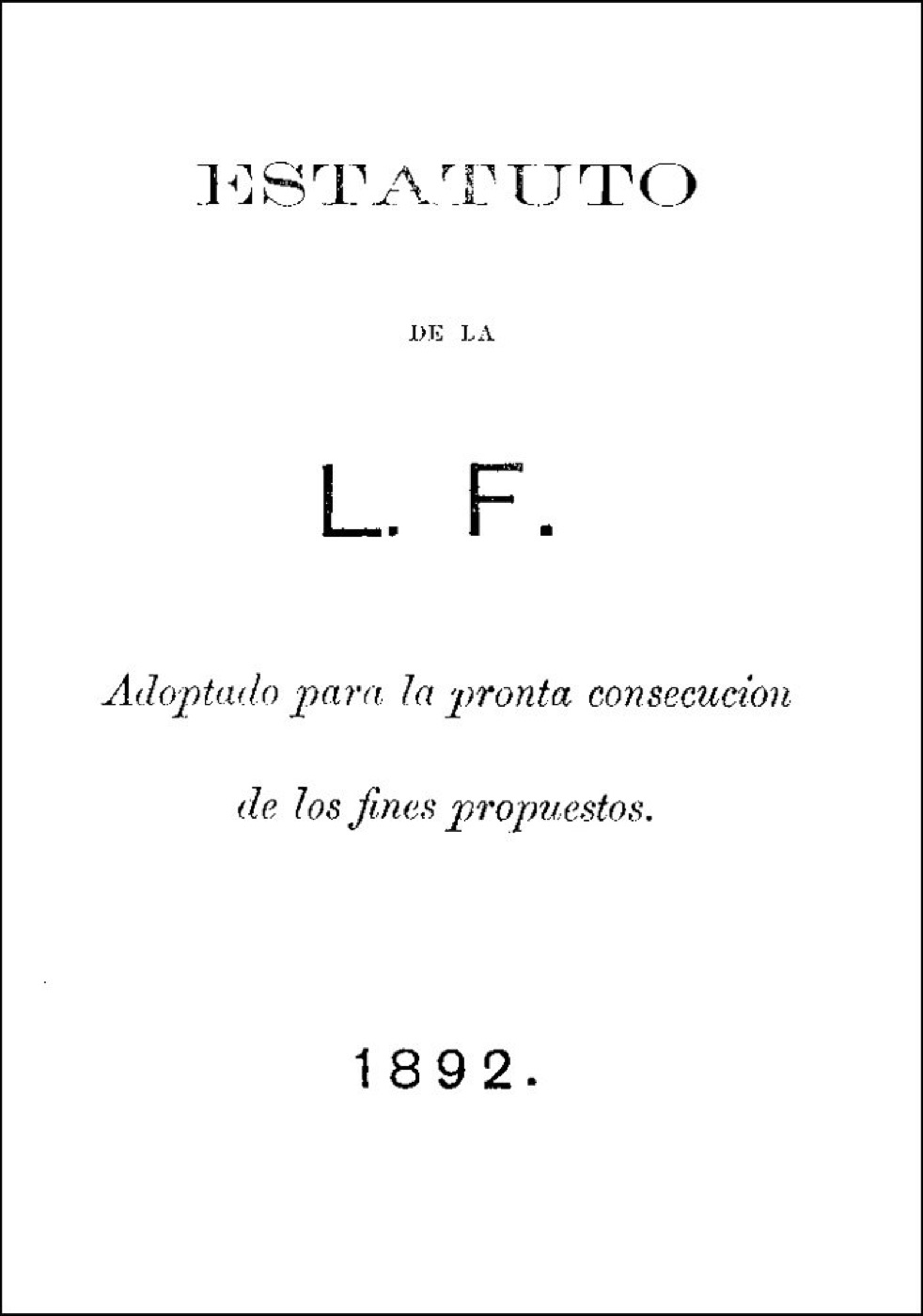
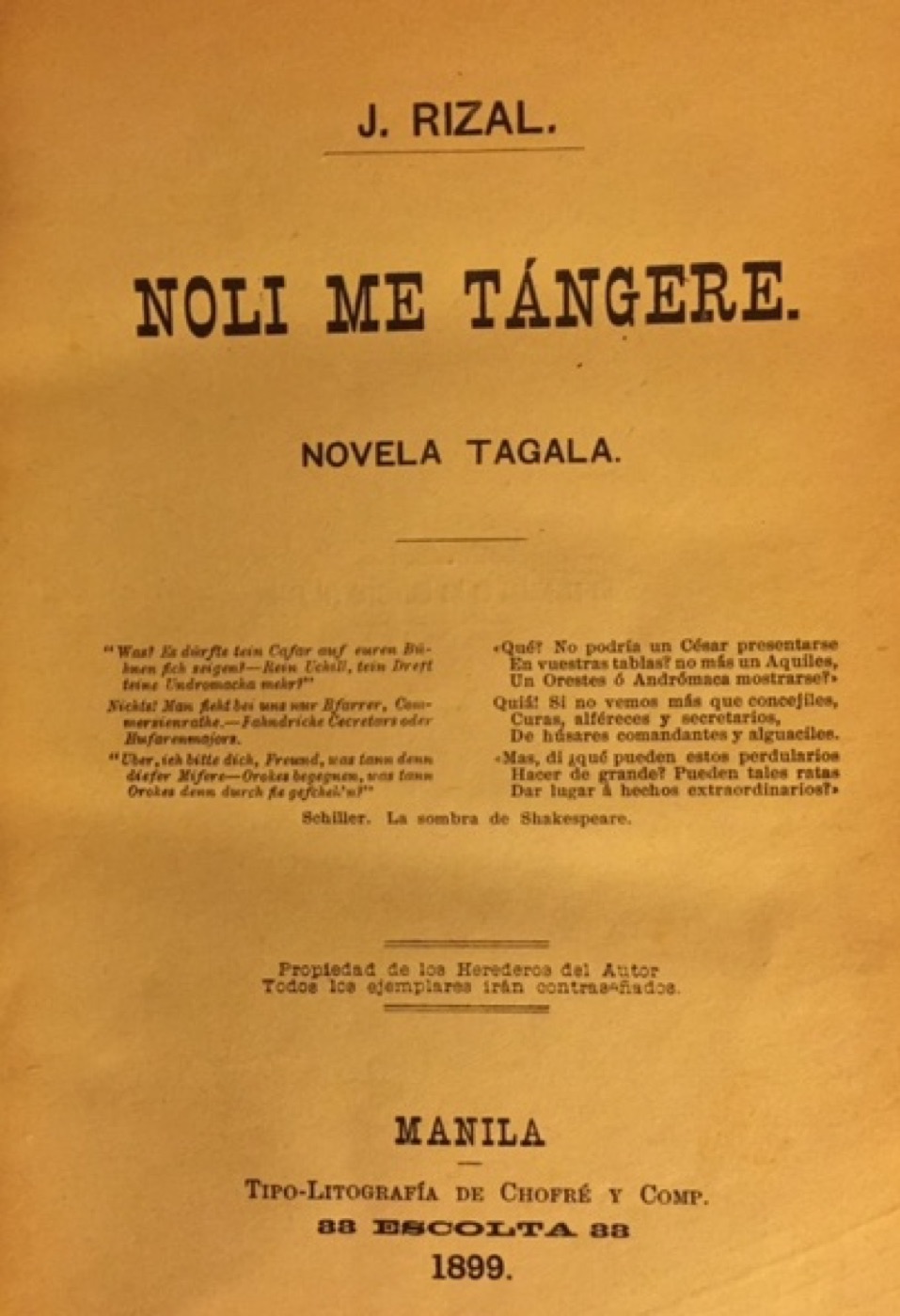
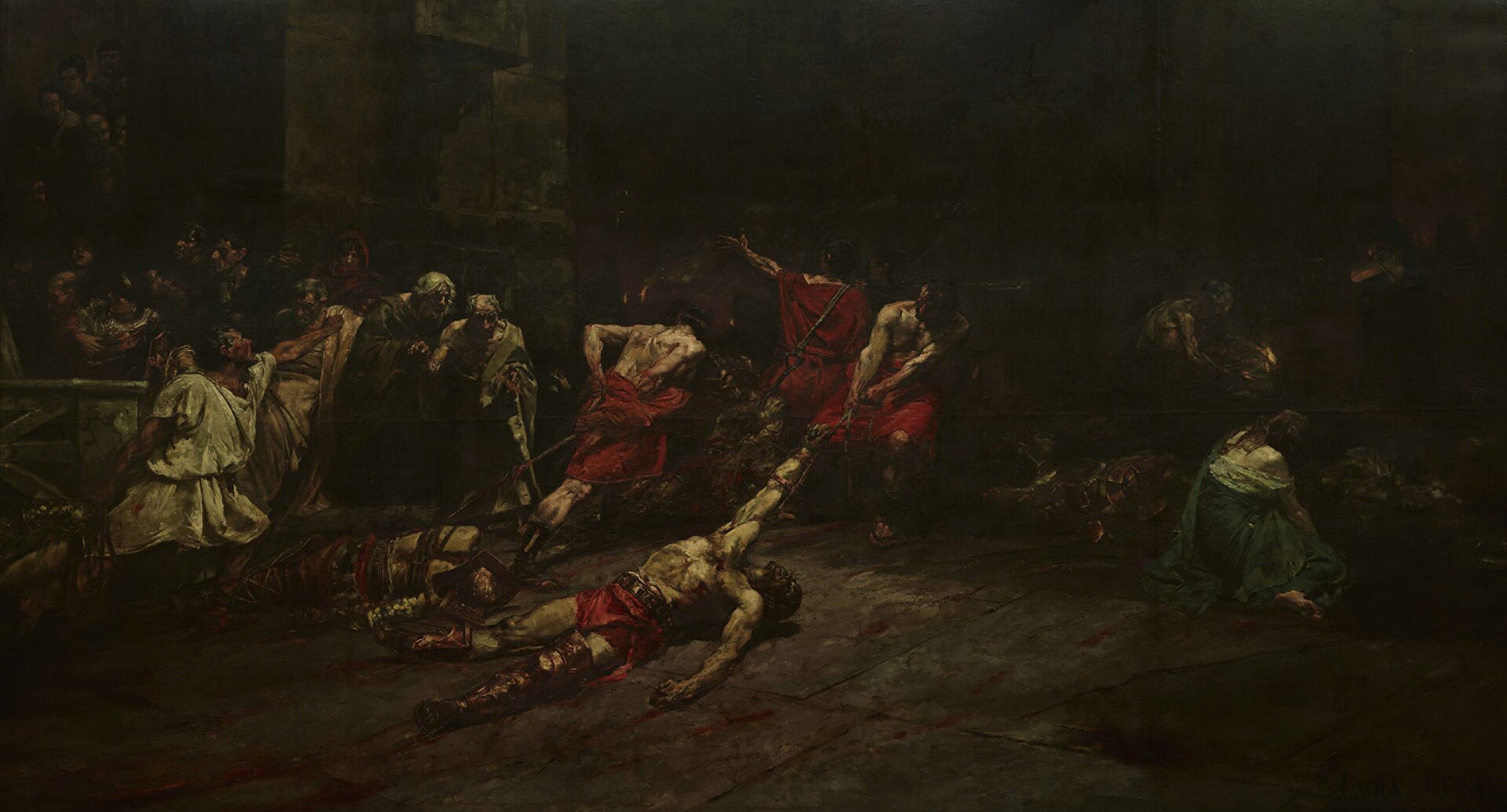
In 1884, Juan Luna won the gold medal for Spoliarium and Félix Resurrección Hidalgo won silver for Las Vírgenes Cristianas Expuestas al Populacho at the Madrid Exposición Nacional. At the banquet honoring them, Rizal delivered his famous toast (Brindis), declaring that genius knows no country and proving Filipino intellectual and artistic parity with Europe. In Dapitan, Rizal sculpted terracotta pieces such as The Triumph of Science over Death and fashioned the town’s outdoor relief map.
Read foundational passages, dedications, famous novel debates, and poetry directly inside the exhibition. No external links or redirects required.
“Recorded in the history of human sufferings is a cancer of so malignant a character that the least touch irritates it and awakens in it the sharpest pains. Thus, how many times, when in the midst of modern civilizations I have wished to call thee before me, now to accompany us in our memories, now to compare thee with other countries, hath thy dear image presented itself showing a social cancer like to that other!
“Desiring thy welfare, which is our own, and seeking the best means of restoring thee to health, I shall do with thee what was done of old with the sick, who were exposed on the steps of the temple, in order that every one who came to invoke the Divinity might offer them a remedy... I will strive to describe thy condition faithfully, without favor or prejudice; I will lift the veil that conceals the evil, sacrificing everything to truth, even vanity itself, since, as thy son, I am also conscious of thy defects and weaknesses.”
Elias: “You must see that the country is not demanding the impossible... It asks for radical reforms in the armed forces, in the priesthood, and in the administration of justice; that is, it asks for paternal care on the part of the government... Look at the misery of our people! A government that rules by fear forgets that fear generates hatred.”
Ibarra: “Elias, I love our country not only because it is my duty and my nature, but because my father taught me to do so. I owe to it my fortune and my happiness; but we must not precipitate events! To cure the sick body, must we hack off the limb before trying medicine? Education and enlightened persuasion will gradually teach our countrymen their dignity.”
Elias: “Without liberty, there is no light! You say you know your country, but you see it only from above, from the ease of your fortunes and the goodwill of the authorities. You do not see the struggle in the huts, the tears shed in secret, the fathers dragged away without a trial. When a people is driven to despair, the only weapon left to it is its own blood.”
“I die without seeing the dawn brighten over my native land! You who have it to see, welcome it—and forget not those who have fallen during the night!”
Mortally wounded while leading pursuing civil guards away from Ibarra, Elias instructs the young boy Basilio to build a funeral pyre, burn his body with that of Basilio’s mother Sisa, and use the buried gold to finance his studies and serve their people.
“The Church, by refusing to degrade you, has placed in doubt the crime that has been imputed to you; the Government, by shrouding your trial in mystery and pardoning your co-accused, has made us believe that your martyrdom was an error committed in the shadow of prejudice; and the whole Philippines, in venerating your memory and calling you martyrs, recognizes neither your guilt nor the justice of your execution... While we wait for Spain to vindicate you, accept these pages as a tardy wreath of dried leaves upon your unknown graves; and may anyone who attacks your memory without evidence stain his own hands with your blood!”
As Simoun lies dying of poison after his failed revolt, the aged secular priest Padre Florentino consoles him while answering his agonizing question of why God allowed his struggle to fail:
“Because you chose means that He could not sanction! The glory of saving a country is not for him who has contributed to its ruin. You believed that what crime and iniquity had defiled, another crime and another iniquity could cleanse and redeem. Hate never produces anything but monsters and crime criminals! Love alone realizes wonderful works, virtue alone can save! No, if our country has ever to be free, it will not be through vice and crime, it will not be by corrupting its sons, deceiving some and bribing others... What is the use of independence, if the slaves of today will be the tyrants of tomorrow?”
Florentino then steps out to the ocean cliff, casts Simoun’s chest of jewels into the Pacific waters, and speaks to the youth:
“Where are the youth who will consecrate their golden hours, their illusions, and their enthusiasm to the welfare of their native land? Where are the youth who will generously pour out their blood to wash away so much shame, so much crime, so much abomination? Pure and spotless must the victim be that the holocaust may be acceptable! Where are you, youth, who will embody in yourselves the vigor of life that has left our veins, the purity of ideas that has been contaminated in our brains, the fire of enthusiasm that has been quenched in our hearts? We await you, O youth! Come, for we await you!”
Composed without title by José Rizal inside his Fort Santiago cell on the eve of his execution, and hidden inside an alcohol cooking lamp delivered to his sister Trinidad.
1. Farewell, dear Fatherland, clime of the sun caress’d,
Pearl of the Orient seas, our Eden lost!
Gladly now I go to give thee this forlorn life’s best,
And were it brighter, fresher, or more blest
Still would I give it thee, nor count the cost.
2. On the field of battle, ’mid the frenzy of fight,
Others have given their lives, without doubt or heed;
The place matters not—cypress or laurel or lily white,
Scaffold or open plain, combat or martyrdom’s plight,
’Tis ever the same, to serve our home and country’s need.
3. I die just when I see the dawn break through the gloom
And promise day through the veil of night;
If color is lacking my blood thou shalt take,
Pour’d out at need for thy dear sake
To dye with its crimson the waking light.
14. Farewell to thee, Father and Mother, parts of my soul,
Friends of my youth in our lost homes sweet!
Give thanks that I rest from the wearisome day!
Farewell to thee, too, sweet friend that lightened my way;
Beloved creatures all, farewell! In death there is rest!
“Luna and Hidalgo are as much Spanish glories as they are Filipino. Just as they were born in the Philippines, they could have been born in Spain, because genius knows no country, genius blossoms everywhere, genius is like light and air, the patrimony of all: cosmopolitan as space, as life and as God!
In Luna’s Spoliarium, on that canvas which is not mute, can be heard the tumult of the multitude, the shouts of slaves, the metallic clatter of armor on corpses... In Hidalgo’s painting, on the other hand, everything is light, purity, the ideal... Both express the spirit of our social, moral, and political life; humanity subjected to severe trials; unredeemed humanity; reason and aspiration in open struggle with prejudice, fanaticism, and injustice!”
Cover and manuscript images are reproduced from public-domain editions or institutional holdings. Paintings and sculptures are credited to their respective artists and collections.