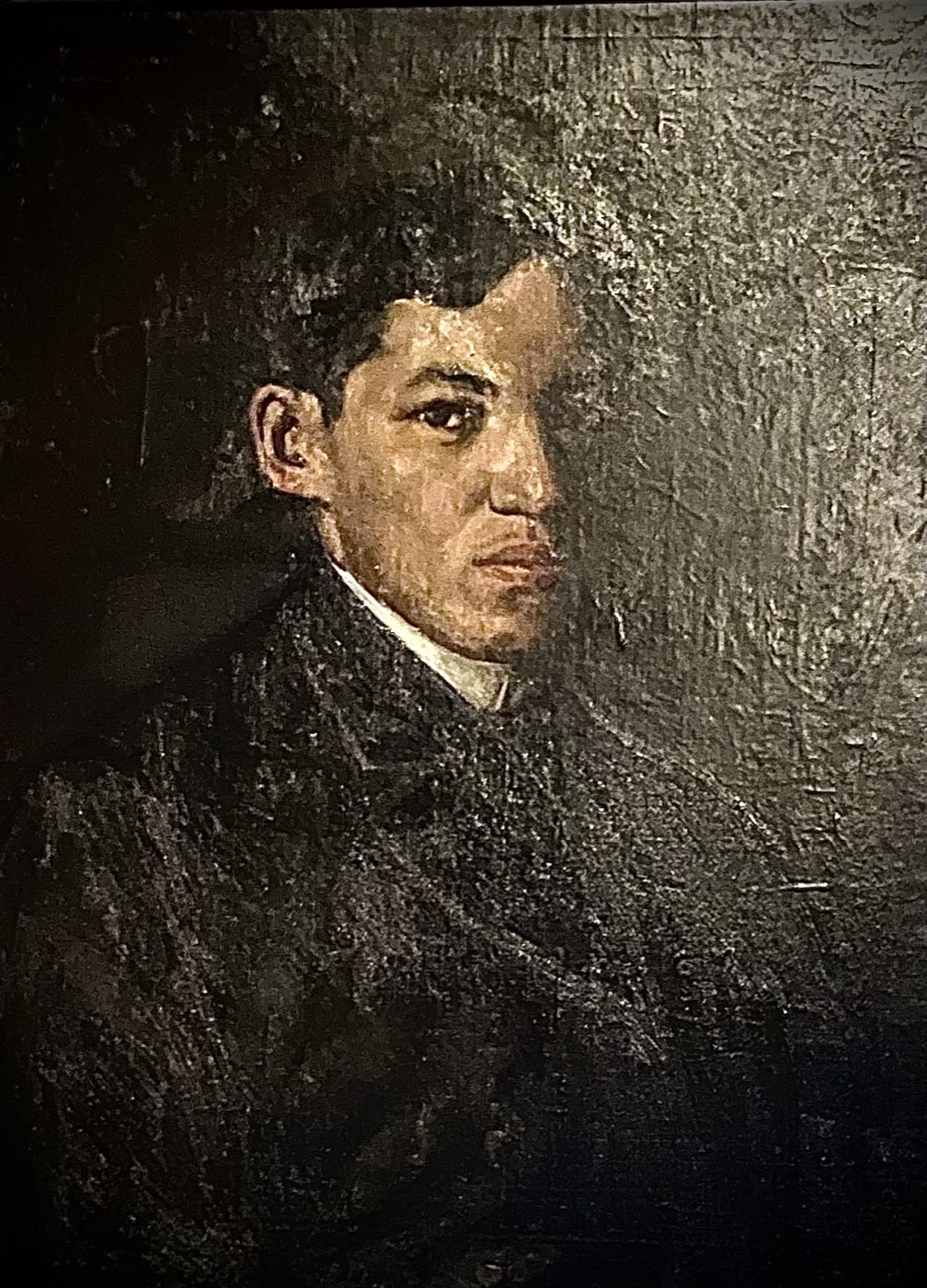
Ilustrado
A nineteenth-century term for educated Filipinos, often with European schooling. It names a social position, not a single political program.
Colonial categories, political movements, and literary titles carry histories. These short entries give you a place to start—not a final definition.
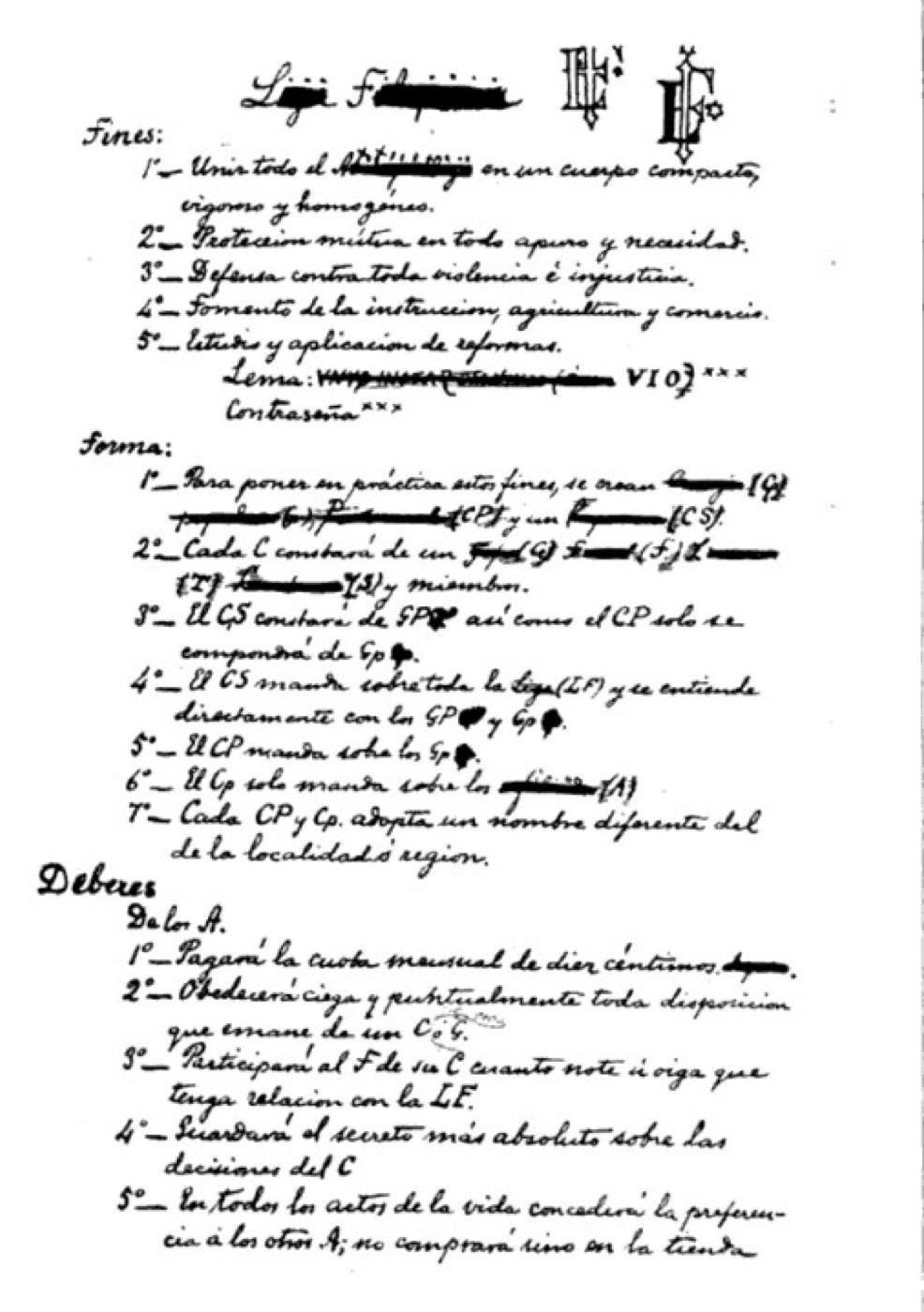
Rizal wrote in Spanish for readers shaped by colonial categories. Translating those categories into English can hide as much as it explains.
A nineteenth-century term for educated Filipinos, often with European schooling. It names a social position, not a single political program.
The reform campaign of Filipino expatriates in Spain, associated with La Solidaridad and demands for representation and equality.
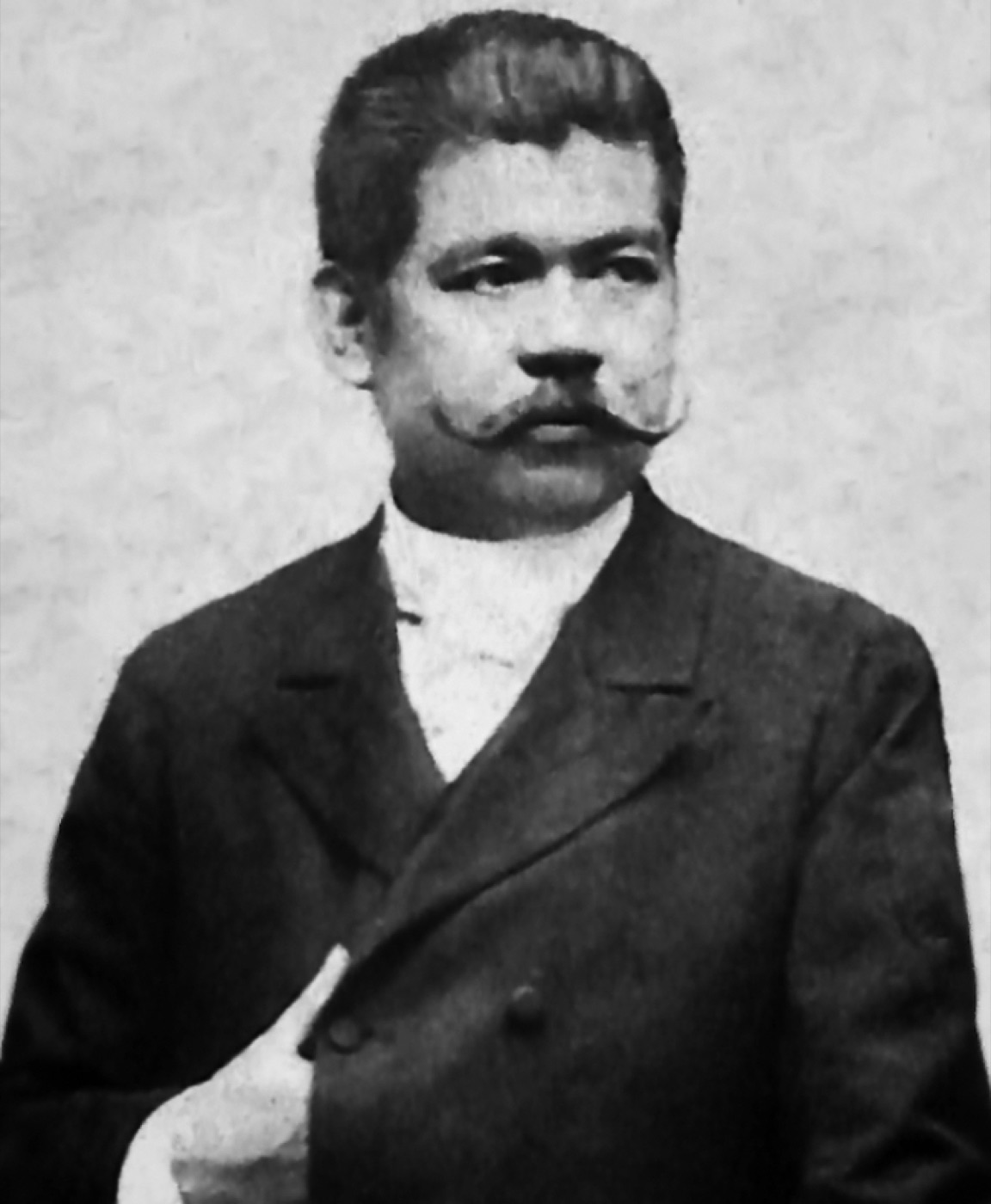
The newspaper of the Propaganda Movement, edited at different times by Graciano López Jaena and Marcelo H. del Pilar.
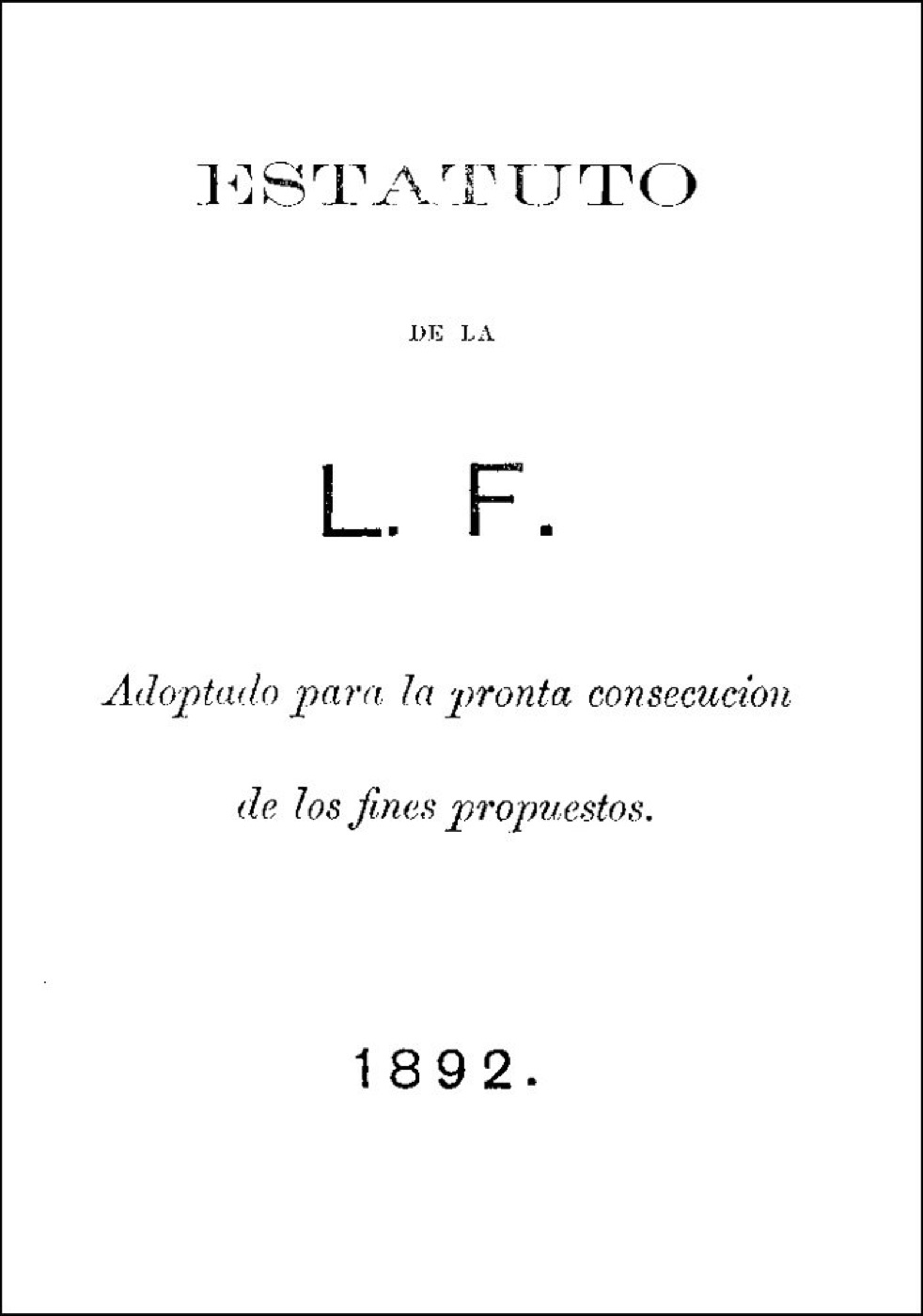
A mutual-aid and reform association founded by Rizal in Manila on July 3, 1892. It was dissolved by colonial authorities within days.
The revolutionary society founded by Andrés Bonifacio in 1892. It sought independence through armed revolution.
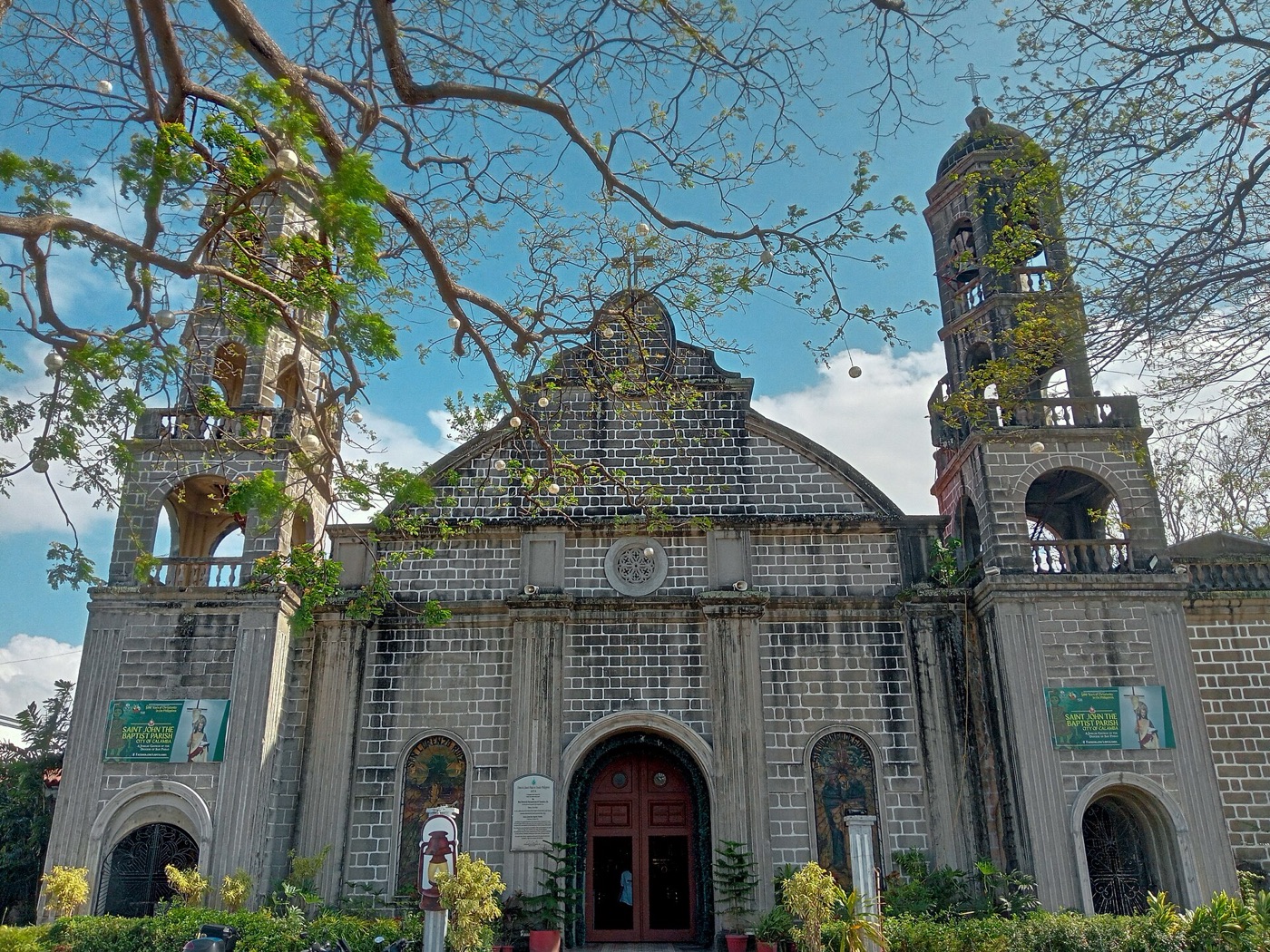
The disproportionate social and political influence of religious orders in the Spanish Philippines, a central target of the novels’ satire.
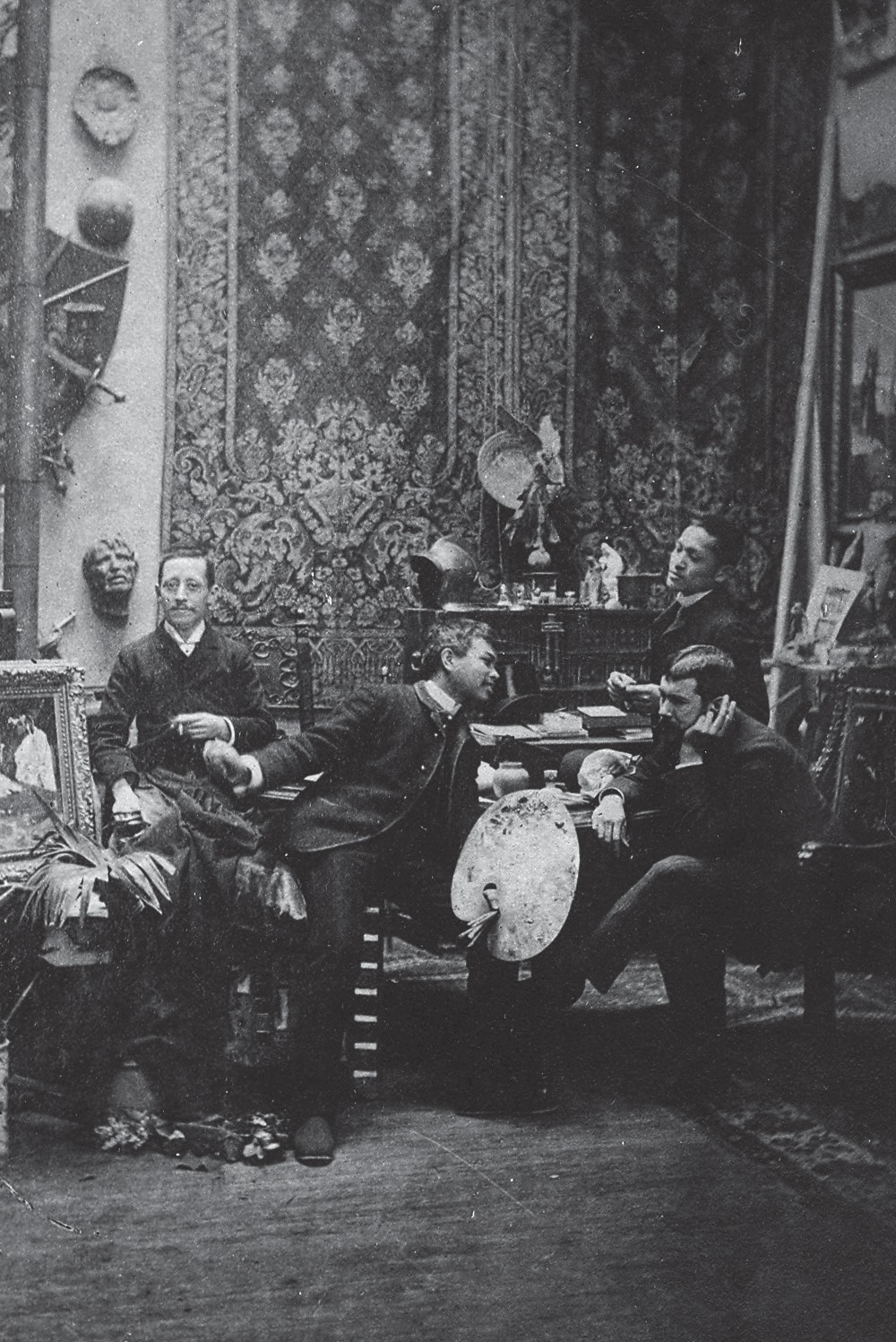
A colonial category used for indigenous Filipinos. Its casual use in Spanish records reveals the racial hierarchy the novels criticize.
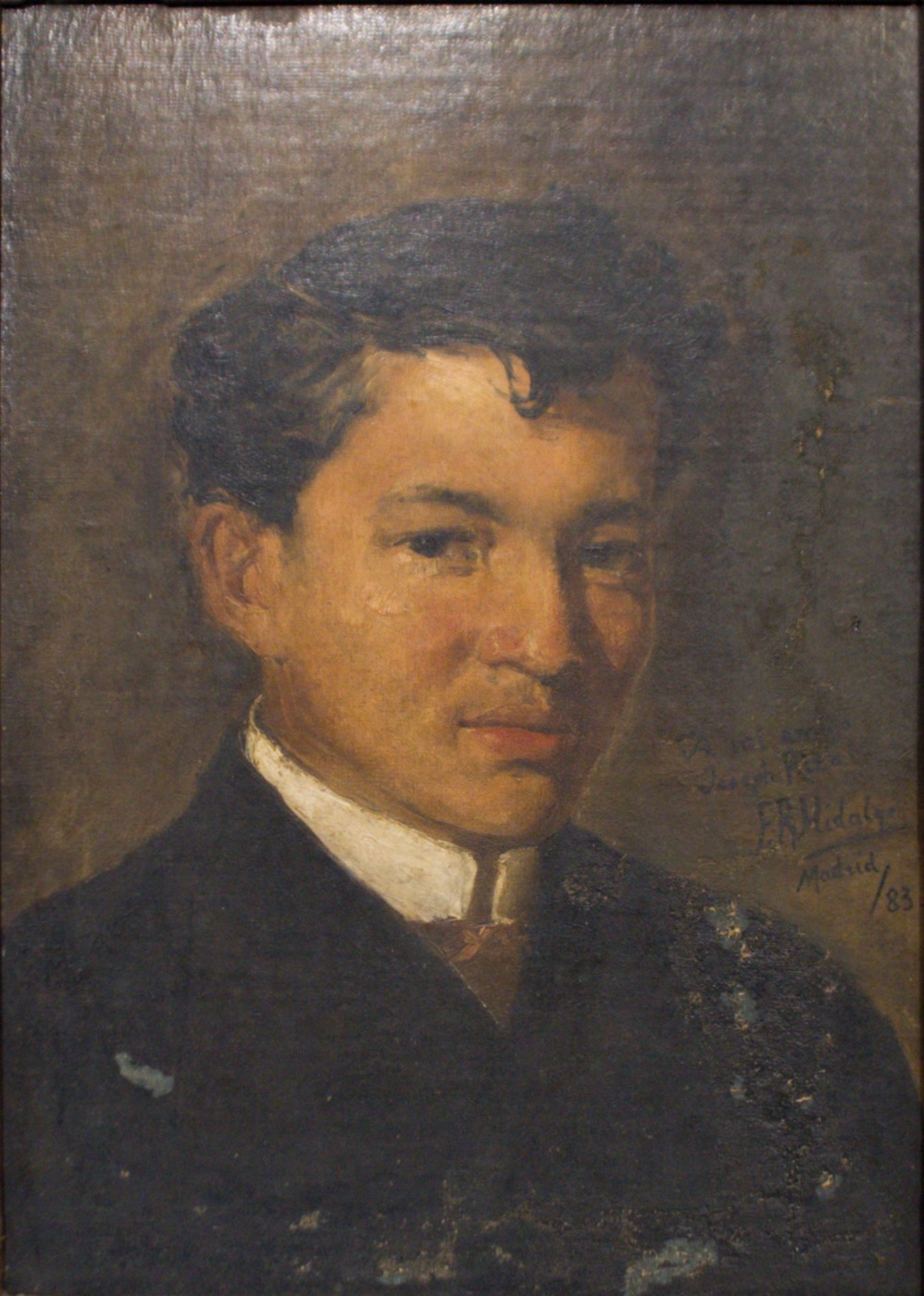
A person of mixed ancestry. Status depended on legal classification, wealth, and local context, not ancestry alone.
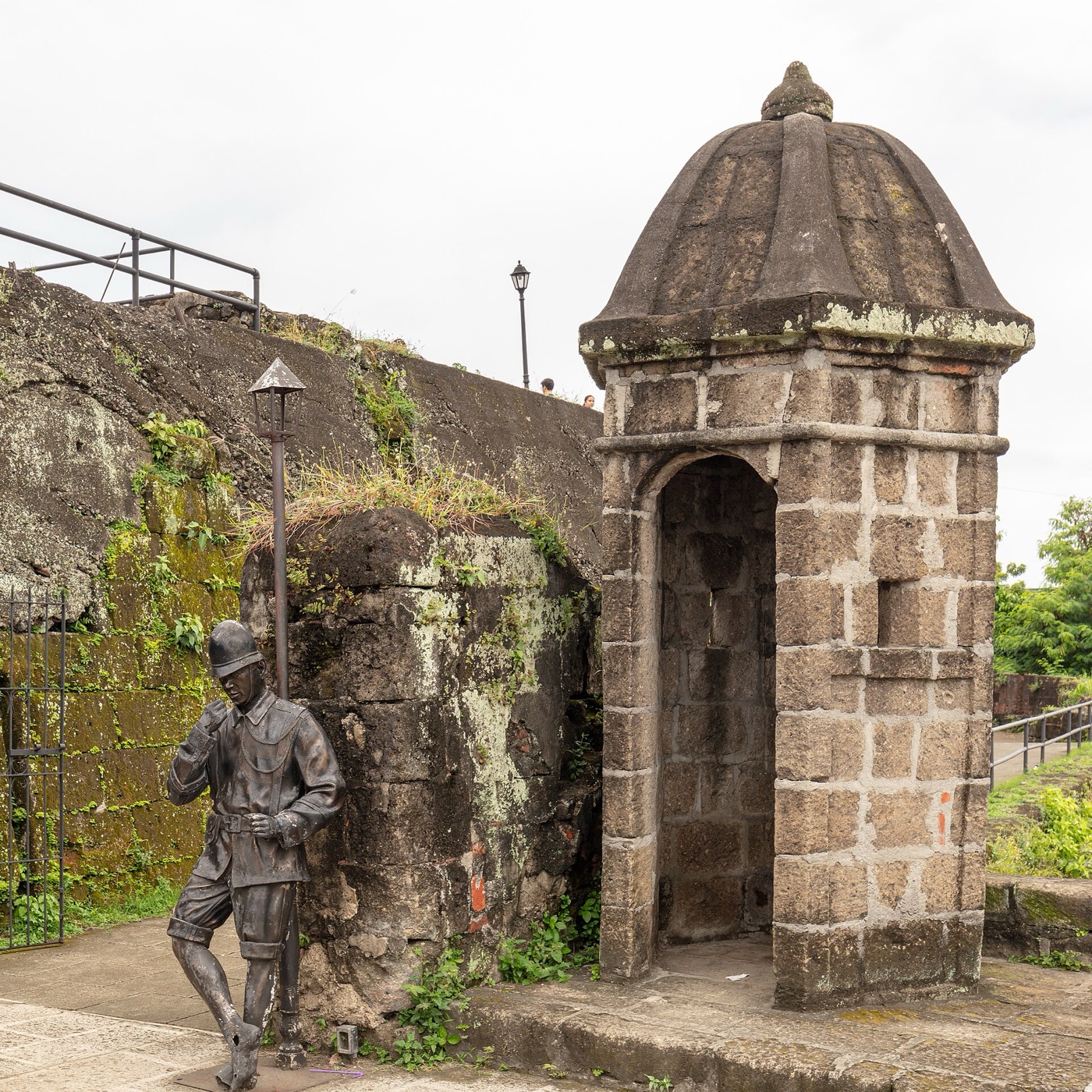
A Spaniard born in Spain. Peninsular officials often held authority over creoles born in the colonies.
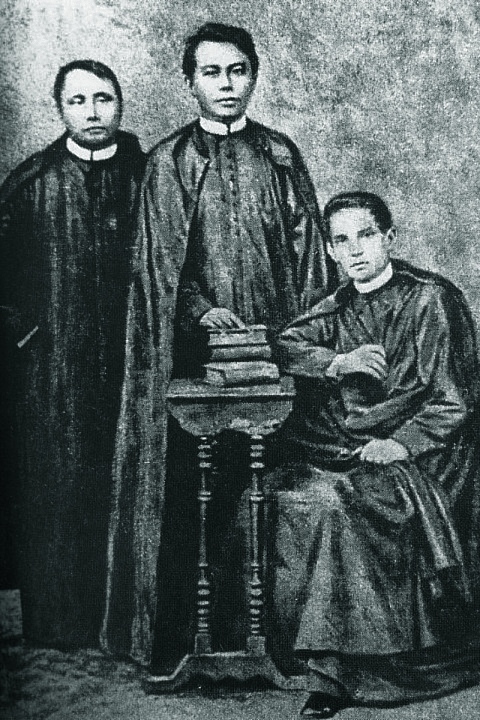
A Spaniard born in the colonies. Creole identity could align with local interests while still benefiting from colonial privilege.
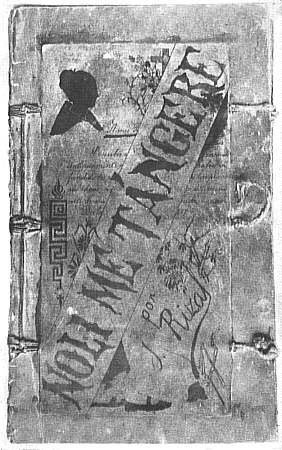
Rizal’s 1887 novel. The Latin title echoes the words spoken to Mary Magdalene in the Gospel of John: “touch me not.”
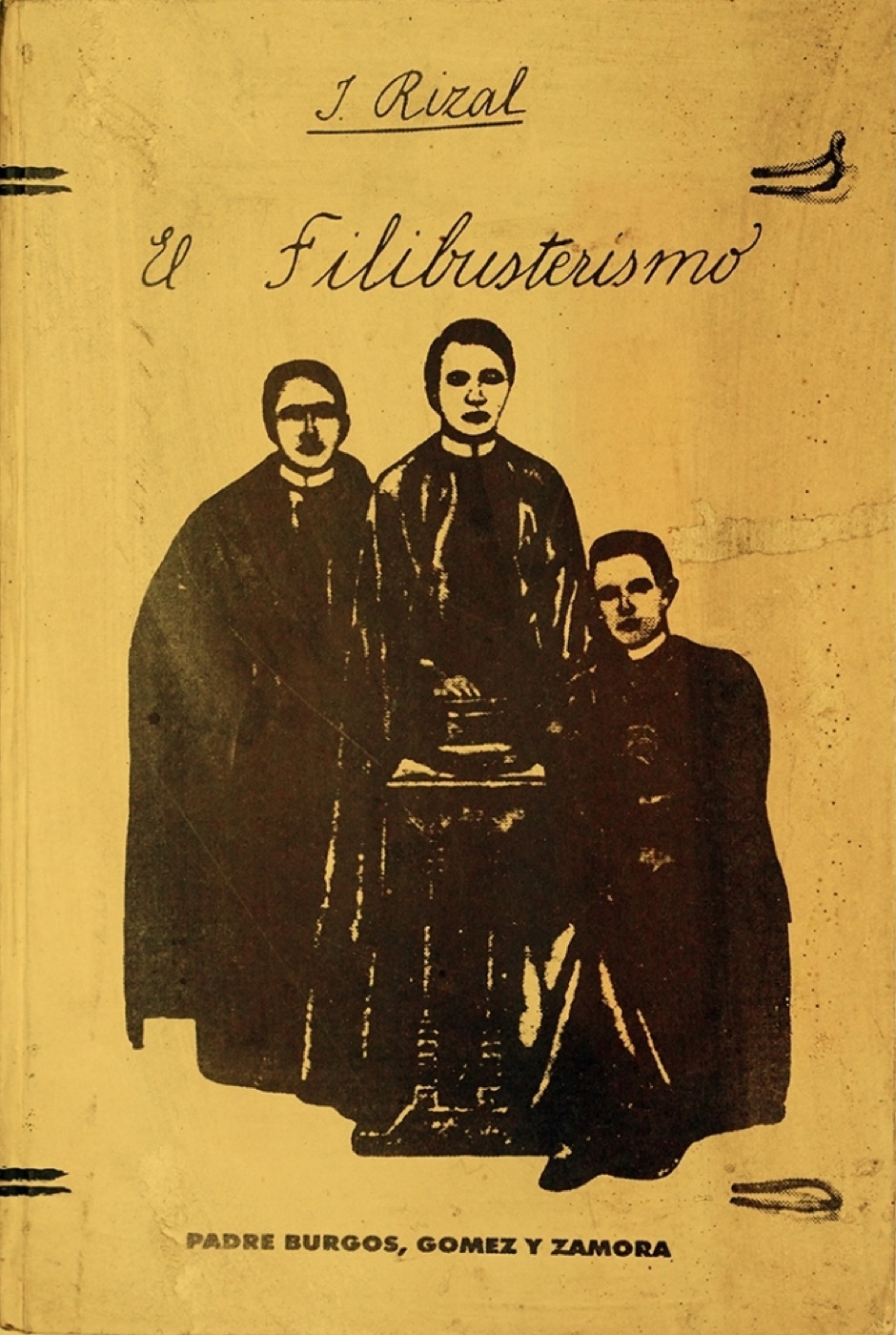
Rizal’s 1891 sequel. The title refers to sedition or subversion; the novel explores the consequences of failed reform.
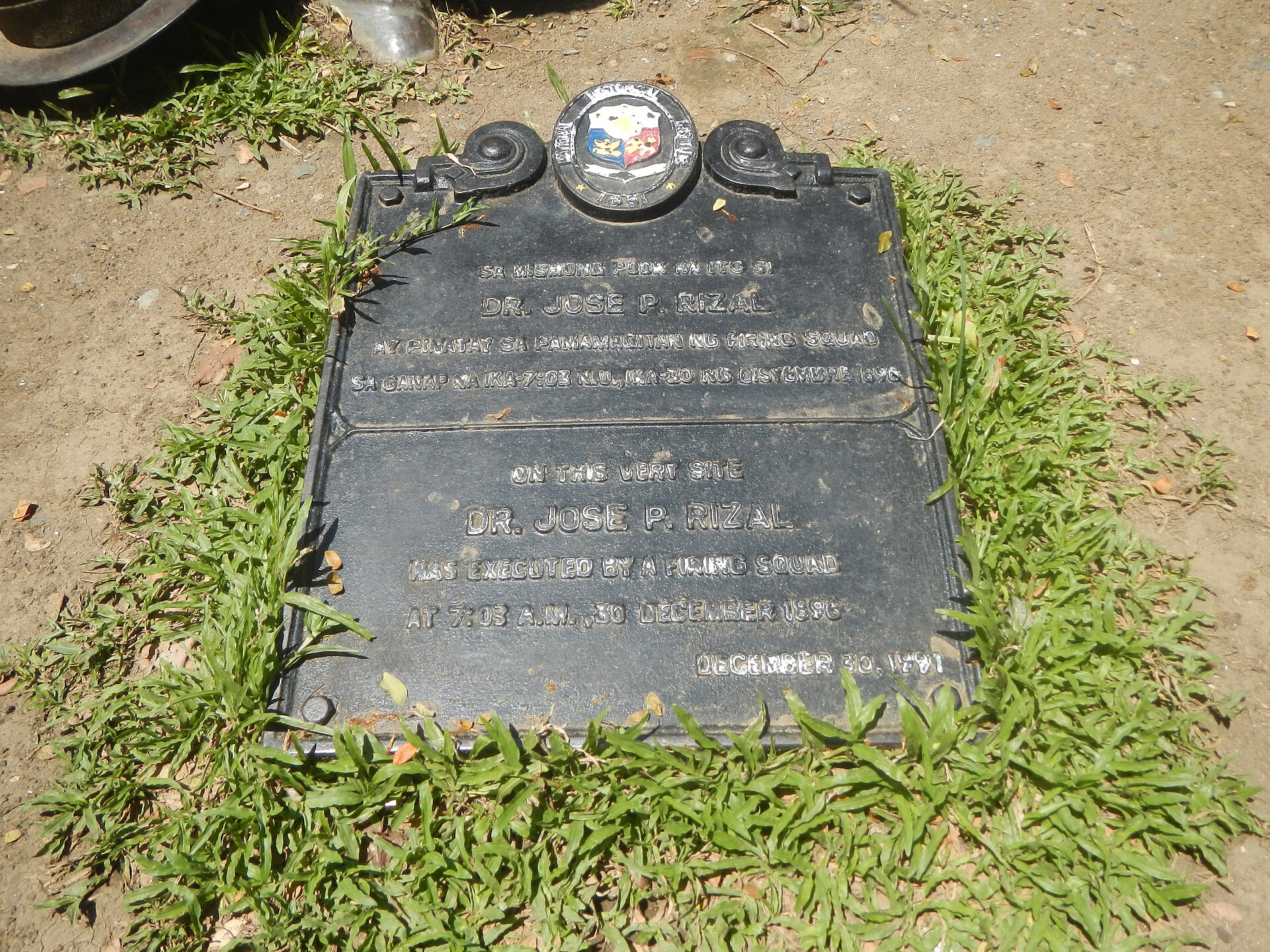
The public execution ground outside Manila’s walls, now part of Rizal Park. Rizal was executed there on December 30, 1896.

The town in Zamboanga del Norte where Rizal lived in exile from 1892 to 1896.
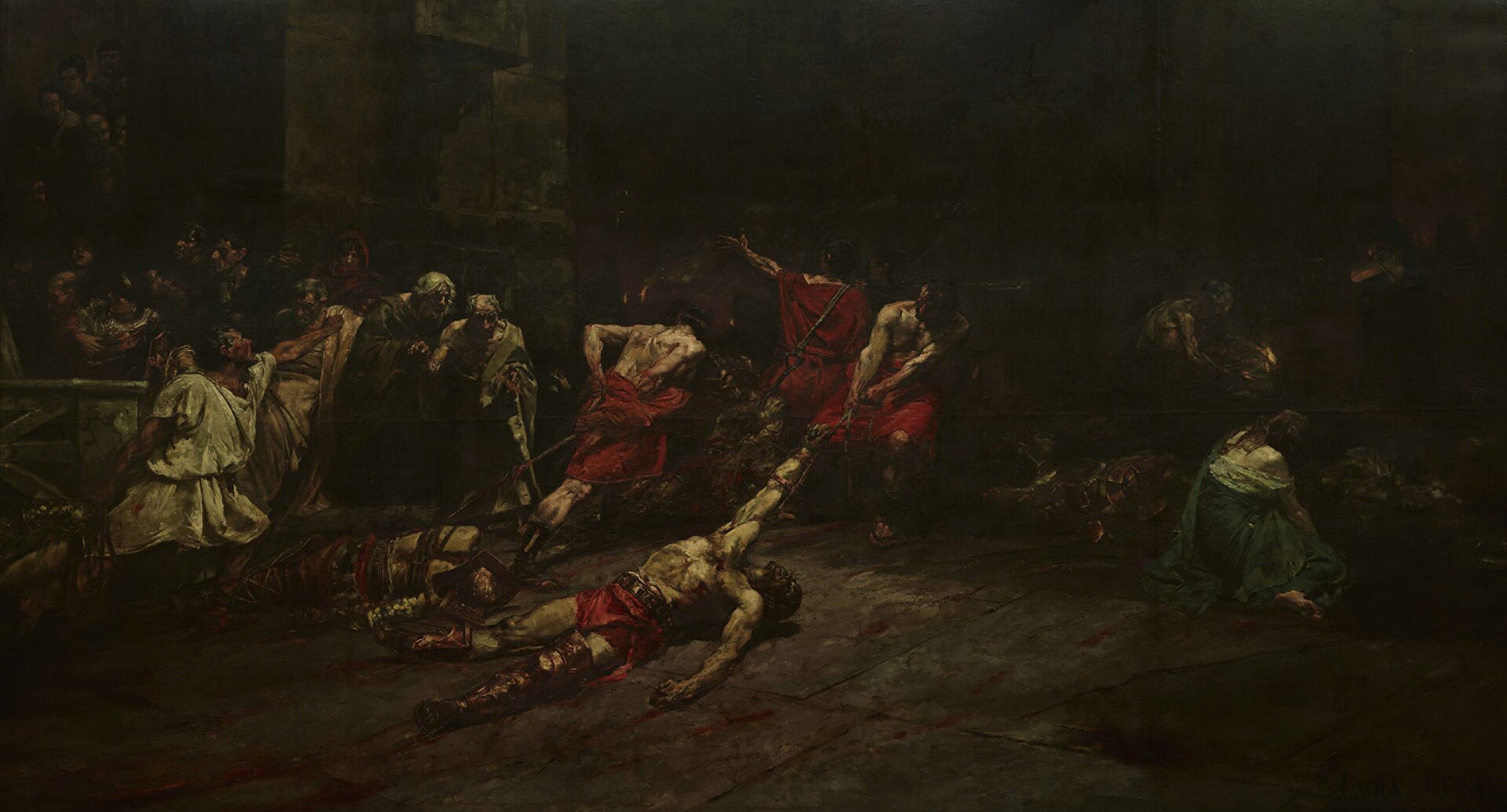
Reform seeks change within existing institutions; revolution seeks to replace them. The novels stage the tension rather than resolve it.
A reasoned reading of evidence, open to disagreement. It is different from a fact, a rumour, or a fictional scenario.
Definitions are written for this exhibition and are deliberately brief. For contested terms, consult the cited scholarship and your course readings.
The timeline, characters, and Then & Now pages show these concepts doing work in specific arguments.