Follow education, travel, writing, and civic action through twelve sourced milestones. Each entry separates what happened from why it might matter.
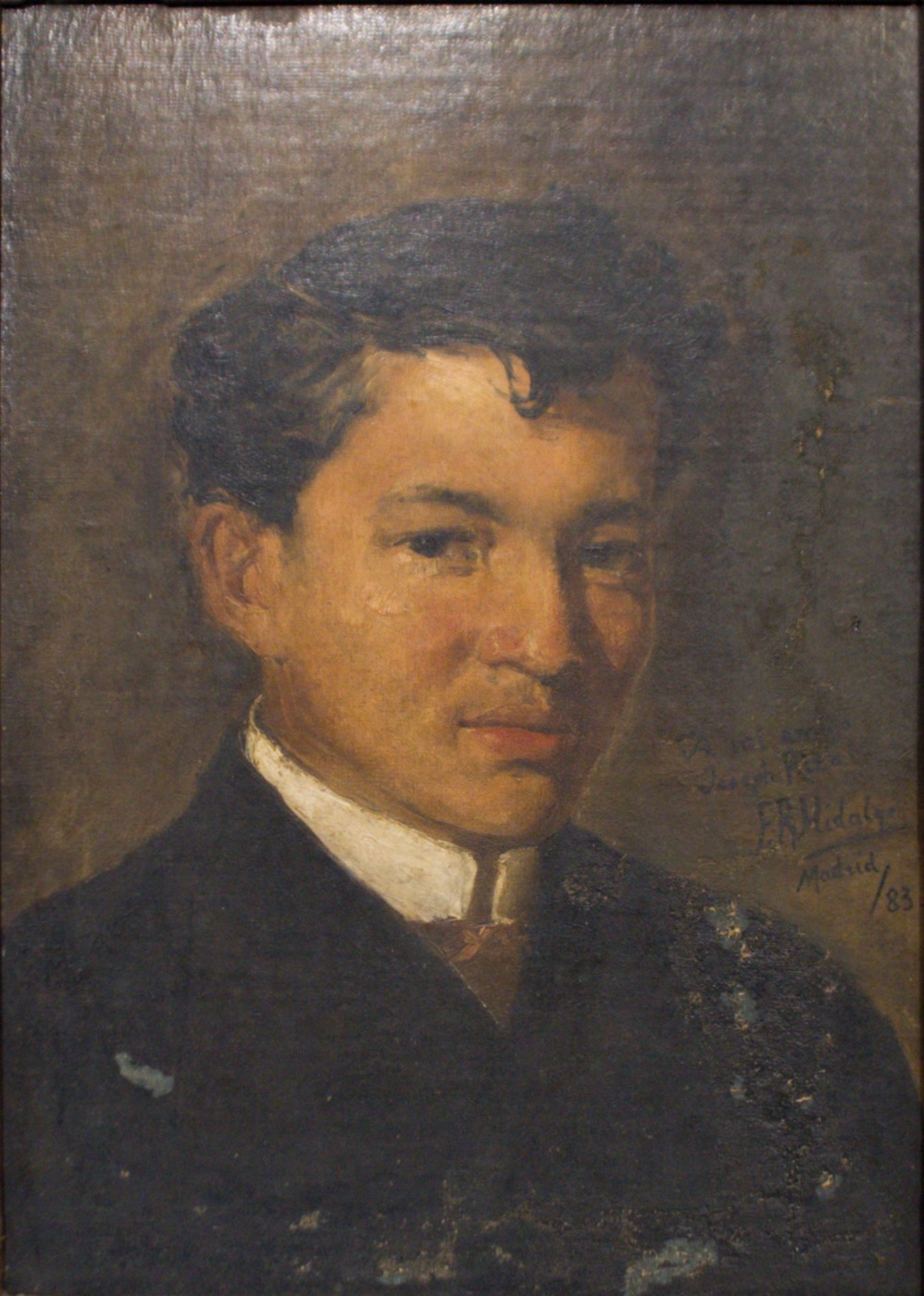
A young Rizal in 1883, around the time he left for Europe. Portrait dated 1883. Public domain.
From a household to a nation.
Rizal’s life is often reduced to a birth date, two novels, and an execution. A chronology makes room for the less tidy middle: classrooms, clinics, friendships, exile, and arguments about how change should happen.
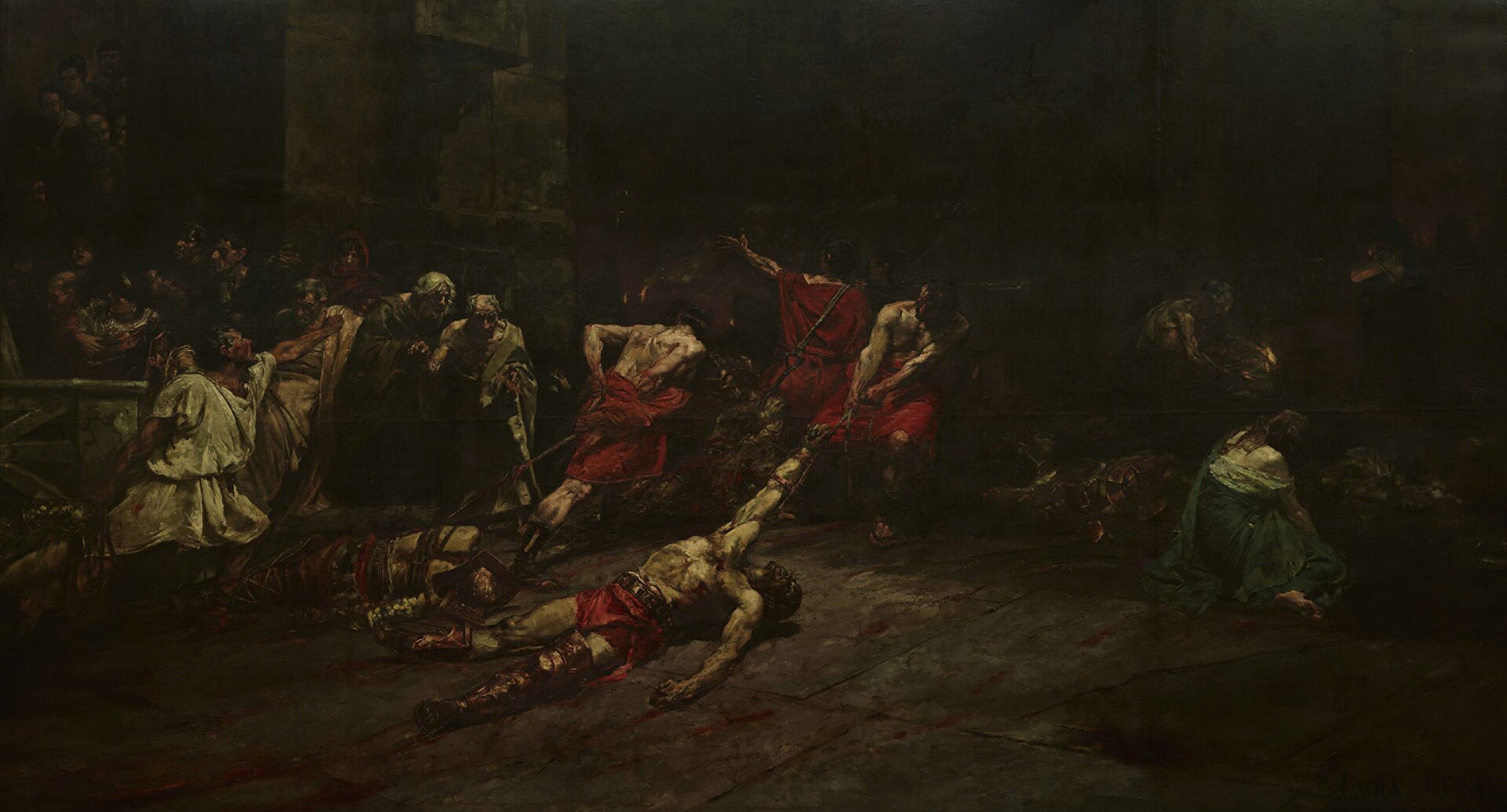
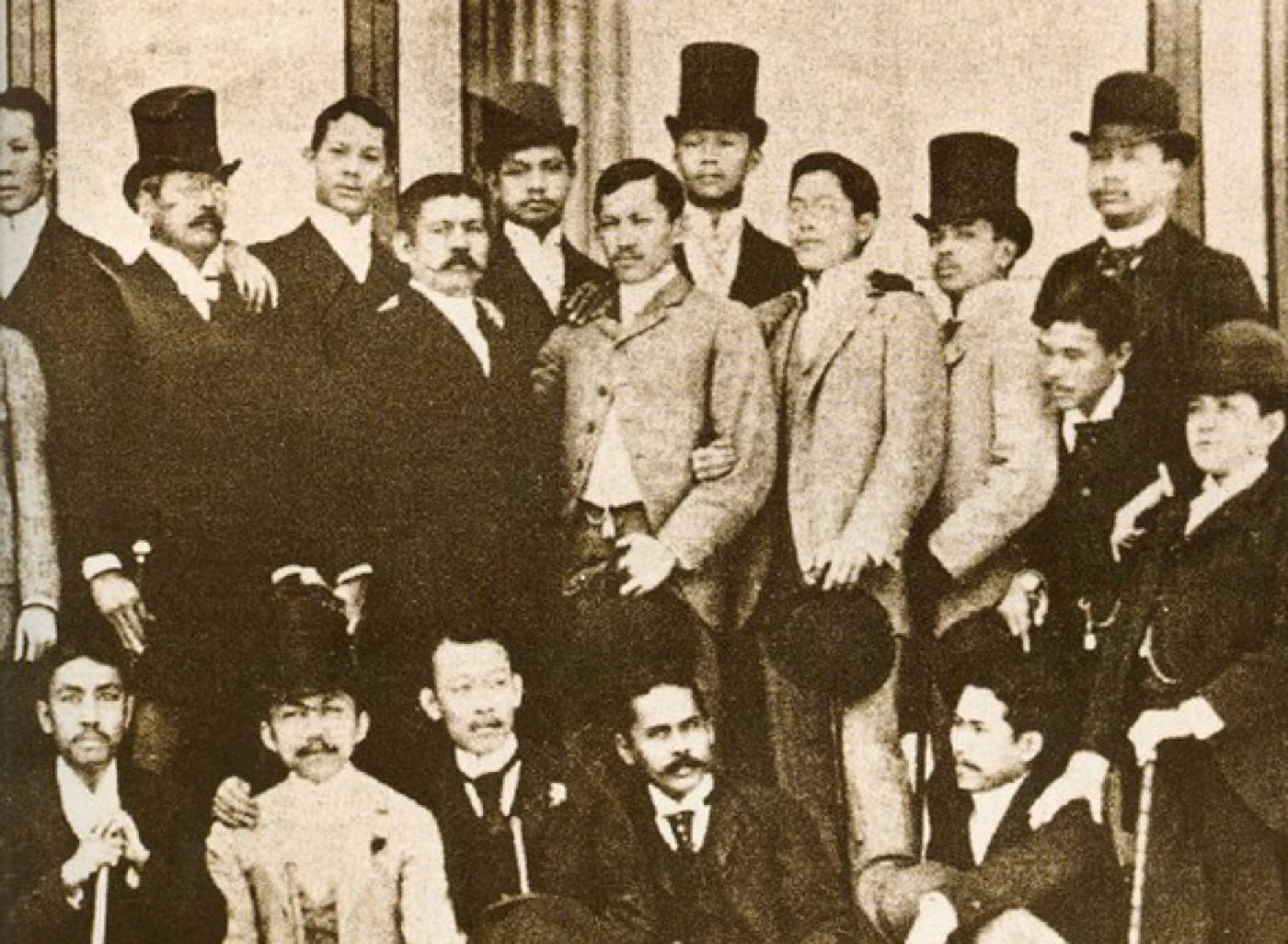
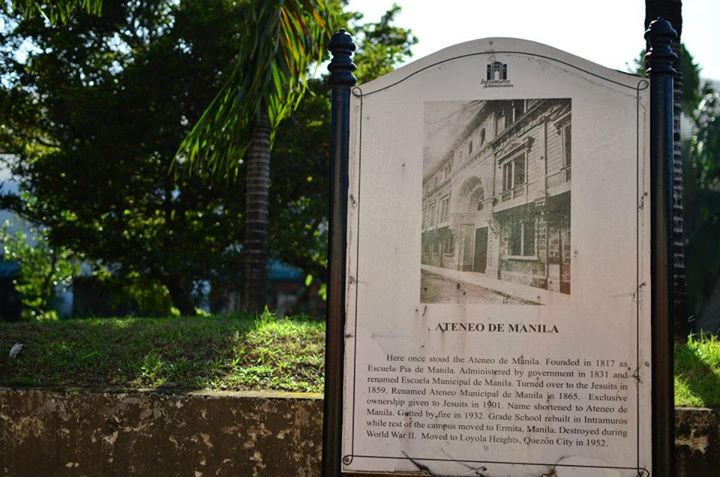
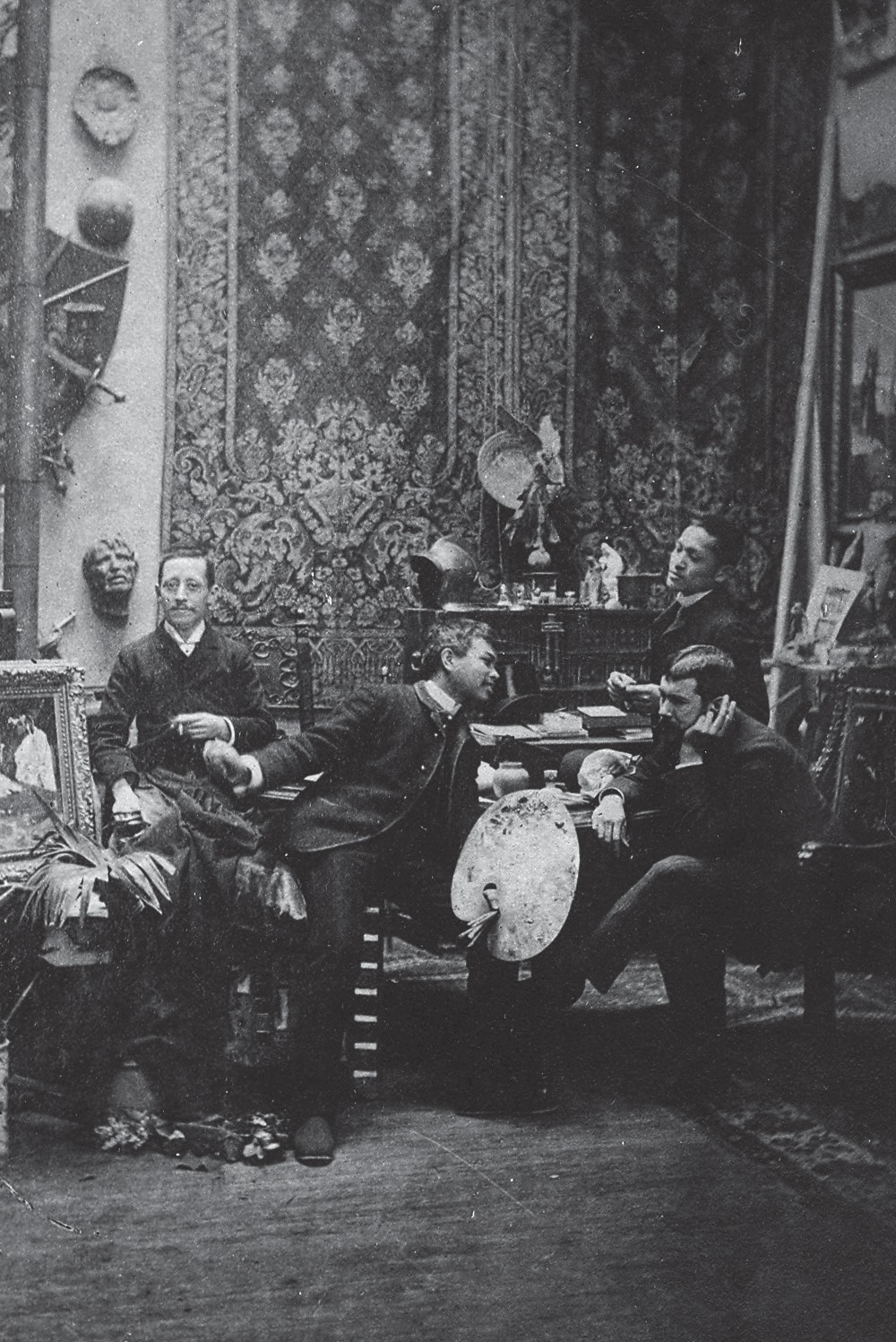
Juan Luna’s monumental canvas Spoliarium, awarded the first gold medal at the 1884 Madrid Exposición Nacional.Rizal (centre) with Marcelo del Pilar and other Filipino expatriates in Madrid.The original Ateneo Municipal in Intramuros, where Rizal studied and graduated with highest honors in 1877.
1861
June 19, 1861 · Childhood
Calamba: a life begins
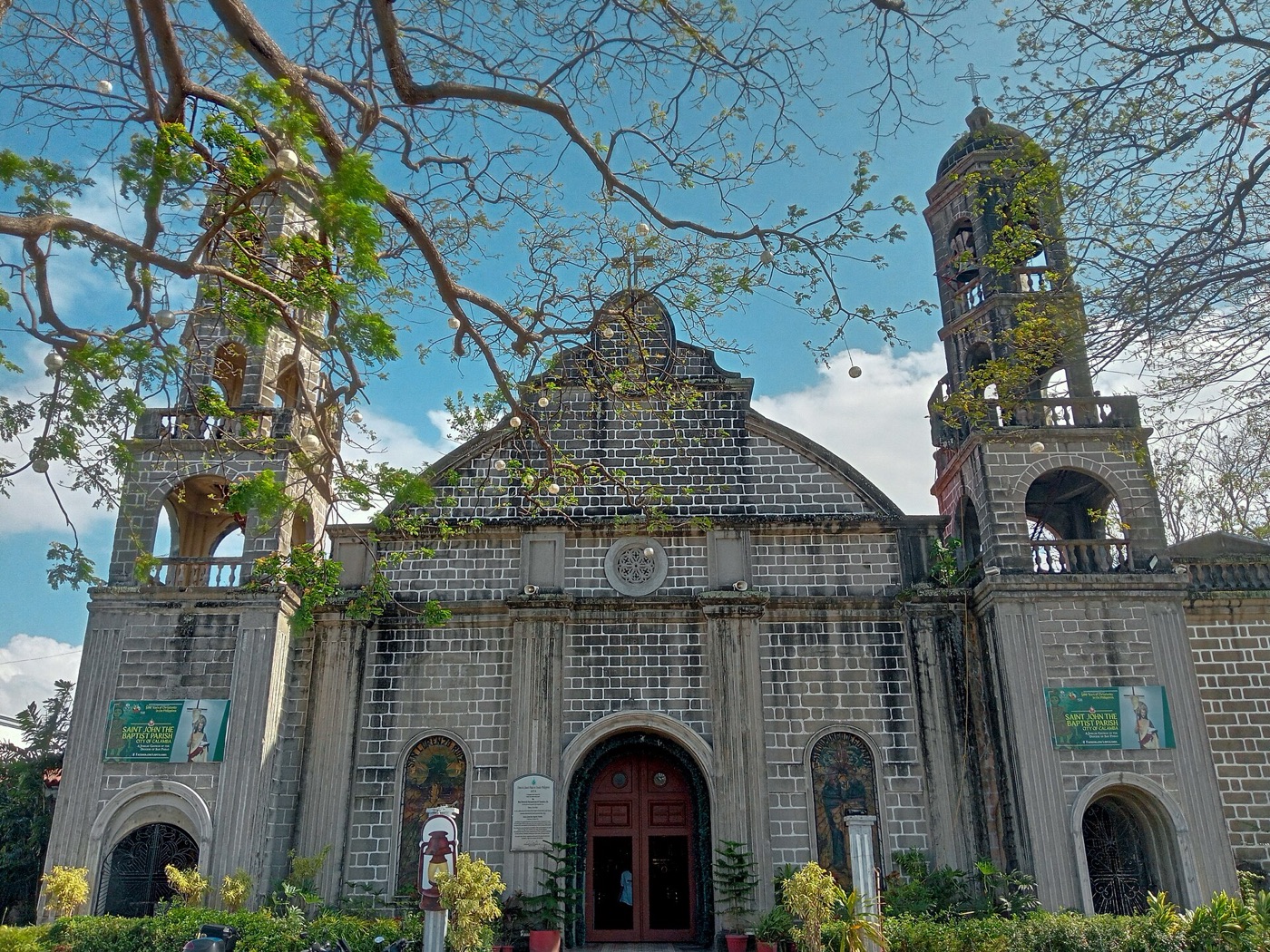
Born in Calamba, Laguna, Rizal grew up in a family that valued learning.
Why this matters. Interpretation: beginning with a household and a town brings the national icon back into human scale.
1872
1872–1877 · Education
A student at the Ateneo
Rizal studied at the Ateneo Municipal in Manila and completed his Bachelor of Arts in 1877.
Why this matters. Interpretation: his education complicates a simple opposition between a Filipino thinker and all religious educators.
1877
1877–1882 · Education
University years in Manila
At the University of Santo Tomas, Rizal pursued philosophy and letters, then medicine.
Why this matters. Interpretation: access to higher learning gave him opportunities unavailable to many colonial subjects.
1882
1882–1885 · Travels
Learning in Madrid
Rizal continued studies in medicine and philosophy and letters at the Universidad Central de Madrid.
Why this matters. Interpretation: European education offered intellectual tools, while distance sharpened his concern for home.
1885
1885–1886 · Education
Eye medicine in Paris
He trained with ophthalmologist Louis de Wecker in Paris.
Why this matters. Interpretation: specialized medicine made education a practical means of service as well as personal achievement.
1886
1886 · Travels
A wider world in Heidelberg
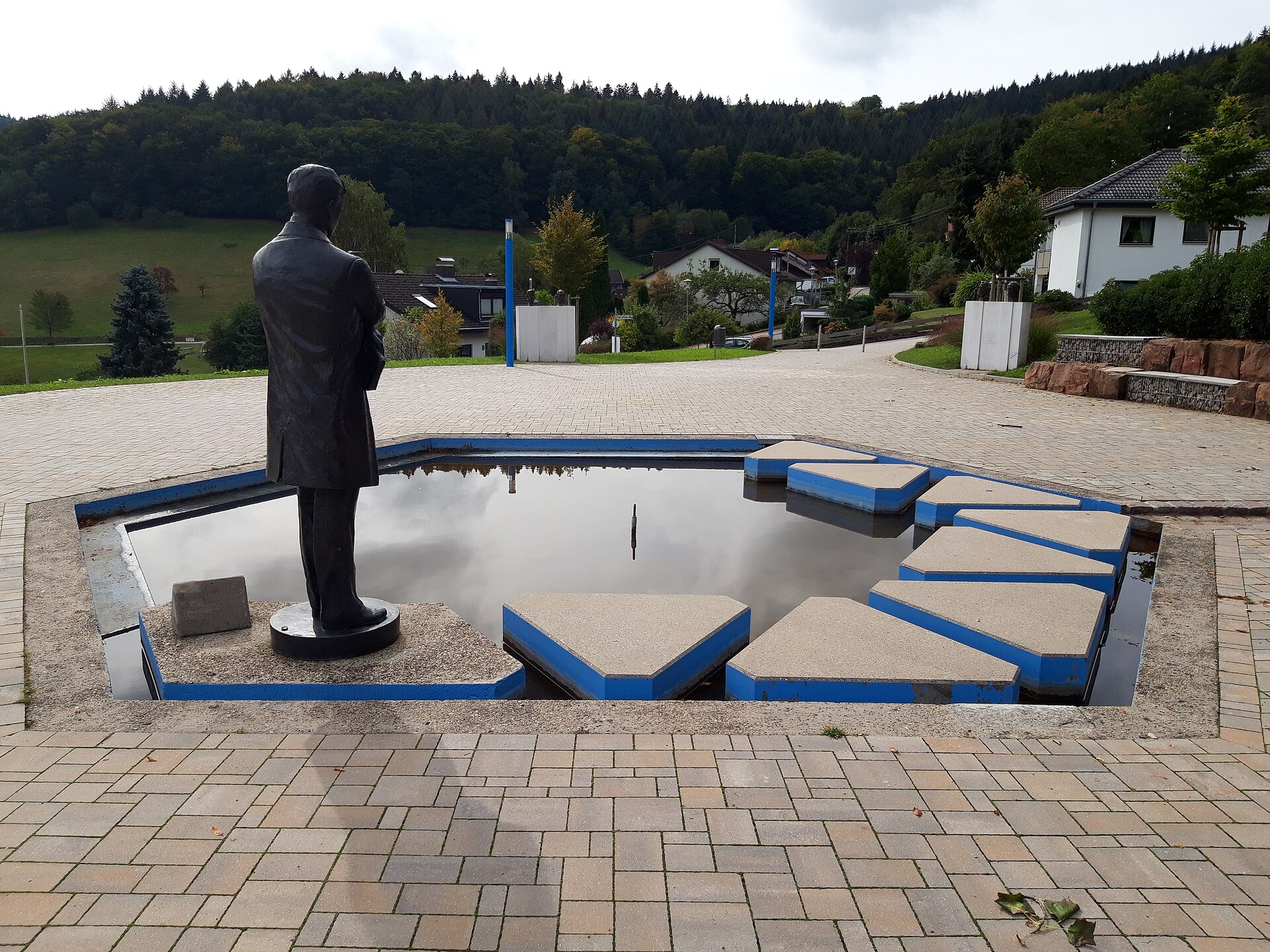
Rizal trained in ophthalmology under Otto Becker and stayed with Pastor Karl Ullmer’s family near Heidelberg.
Why this matters. Interpretation: friendships across religious and national boundaries challenge narrow ideas of nationalism.
1887
1887 · Literary works
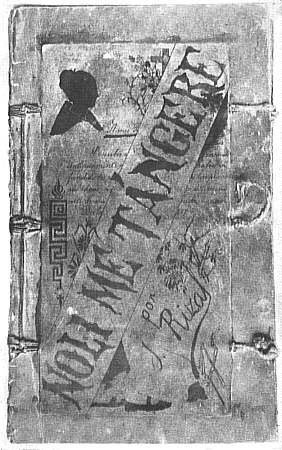
Noli Me Tangere in print
Published in Berlin, the novel exposed abuses through the lives of fictional colonial subjects.
Why this matters. Interpretation: storytelling could reach moral questions beyond the language of official petitions.
1891
1891 · Literary works
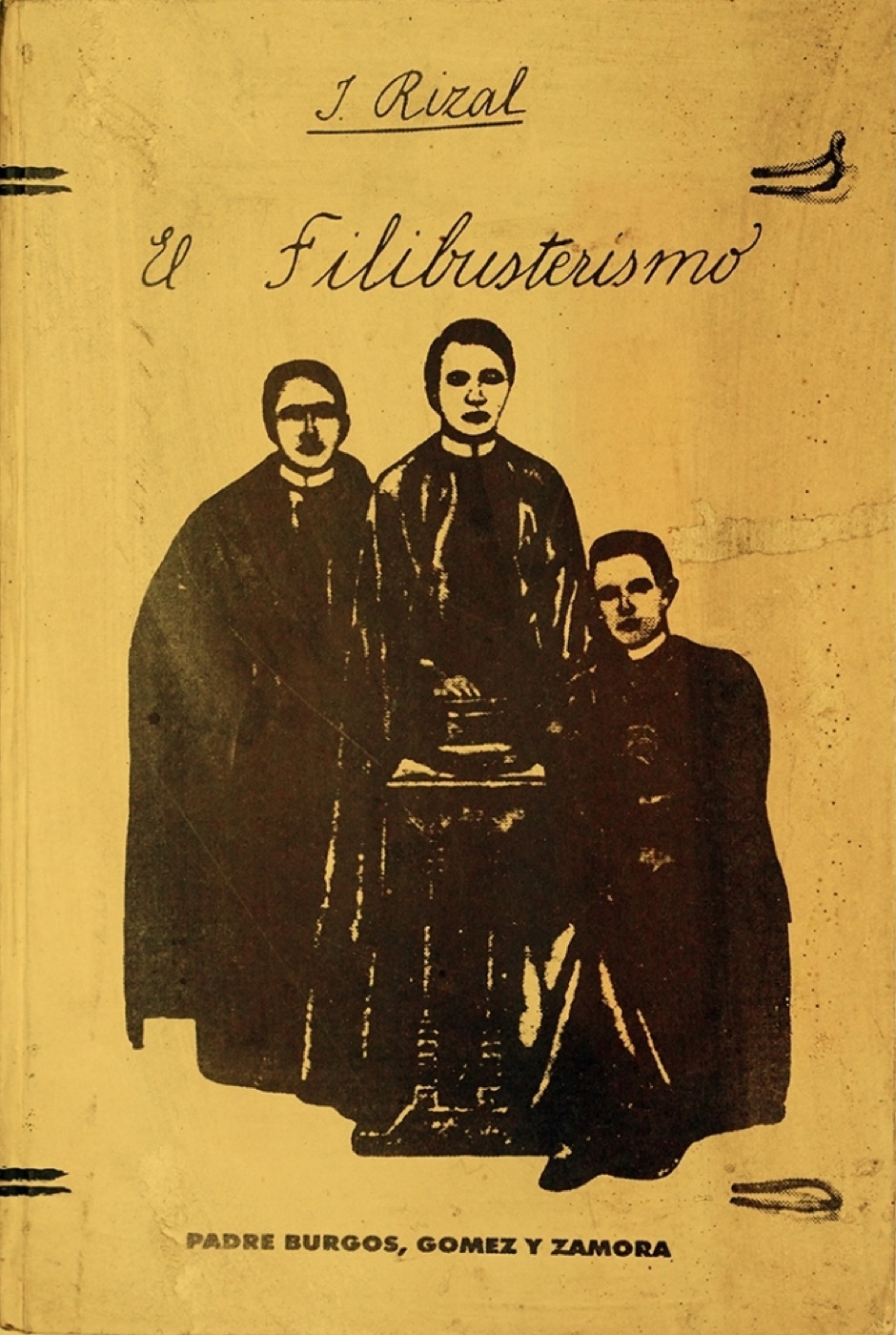
El Filibusterismo follows
Published in Ghent, the sequel presents a darker fictional world.
Why this matters. Interpretation: read the two novels together to test whether education and elite-led reform can overcome entrenched power.
1892
July 3, 1892 · Political activities
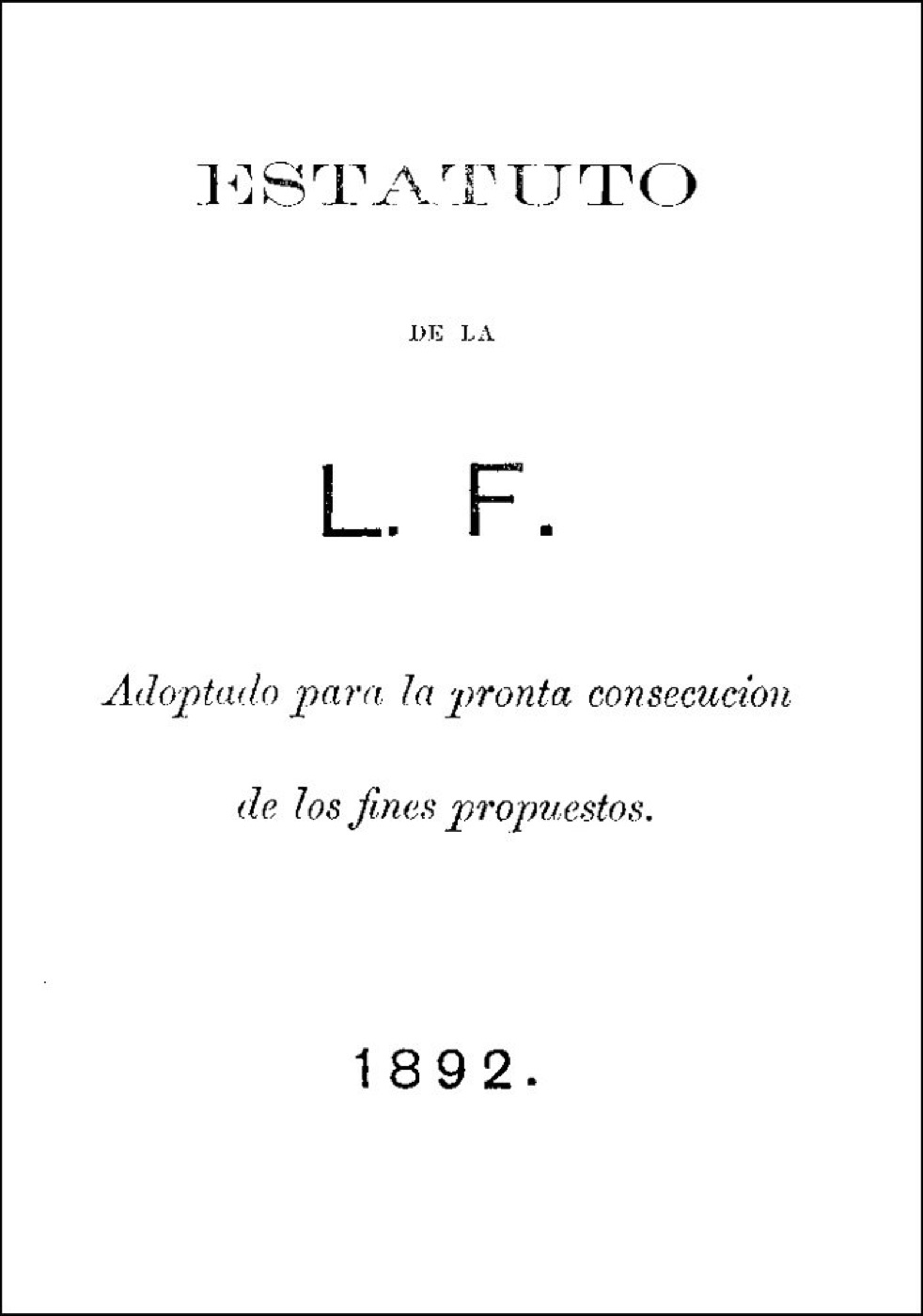
The work of La Liga Filipina
Rizal founded La Liga Filipina in Tondo, Manila. Its aims included mutual protection, education, agriculture, commerce, and social reform.
Why this matters. Interpretation: nationalism also involved cooperation and institution building.
1892
1892–1896 · Final years
Exile and service in Dapitan
Banished to Dapitan, Rizal practised medicine and taught. He moved to his Talisay property in March 1893.
Why this matters. Interpretation: exile restricted political freedom but did not end his capacity for local service.
1896
December 1896 · Final years
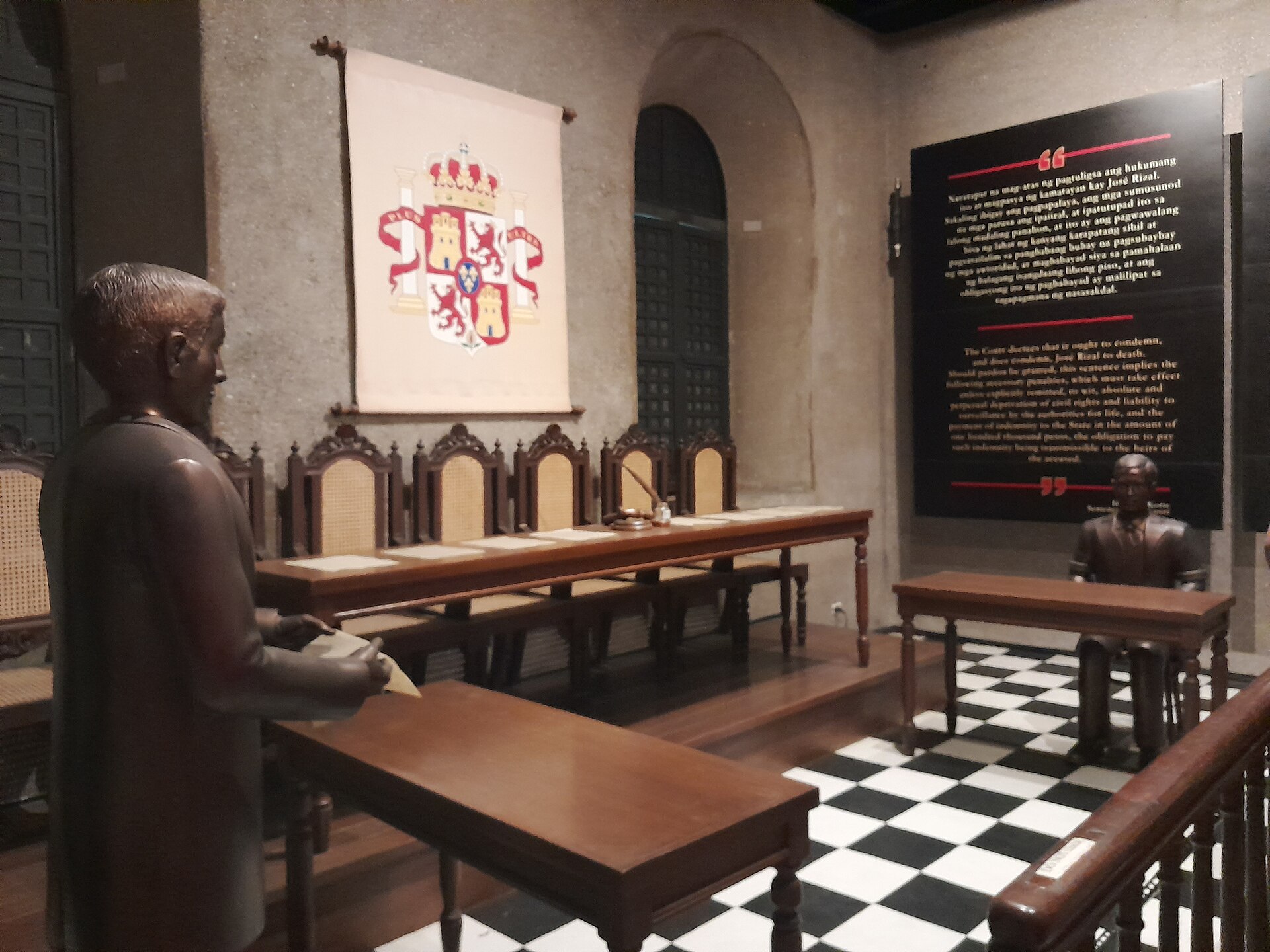
Trial under colonial authority
Rizal faced a military trial after his return to Manila. He was accused of involvement in rebellion.
Why this matters. Interpretation: distinguish the colonial charges from evidence of his actions; influence on a movement is not identical to directing it.
1896
December 30, 1896 · Final years
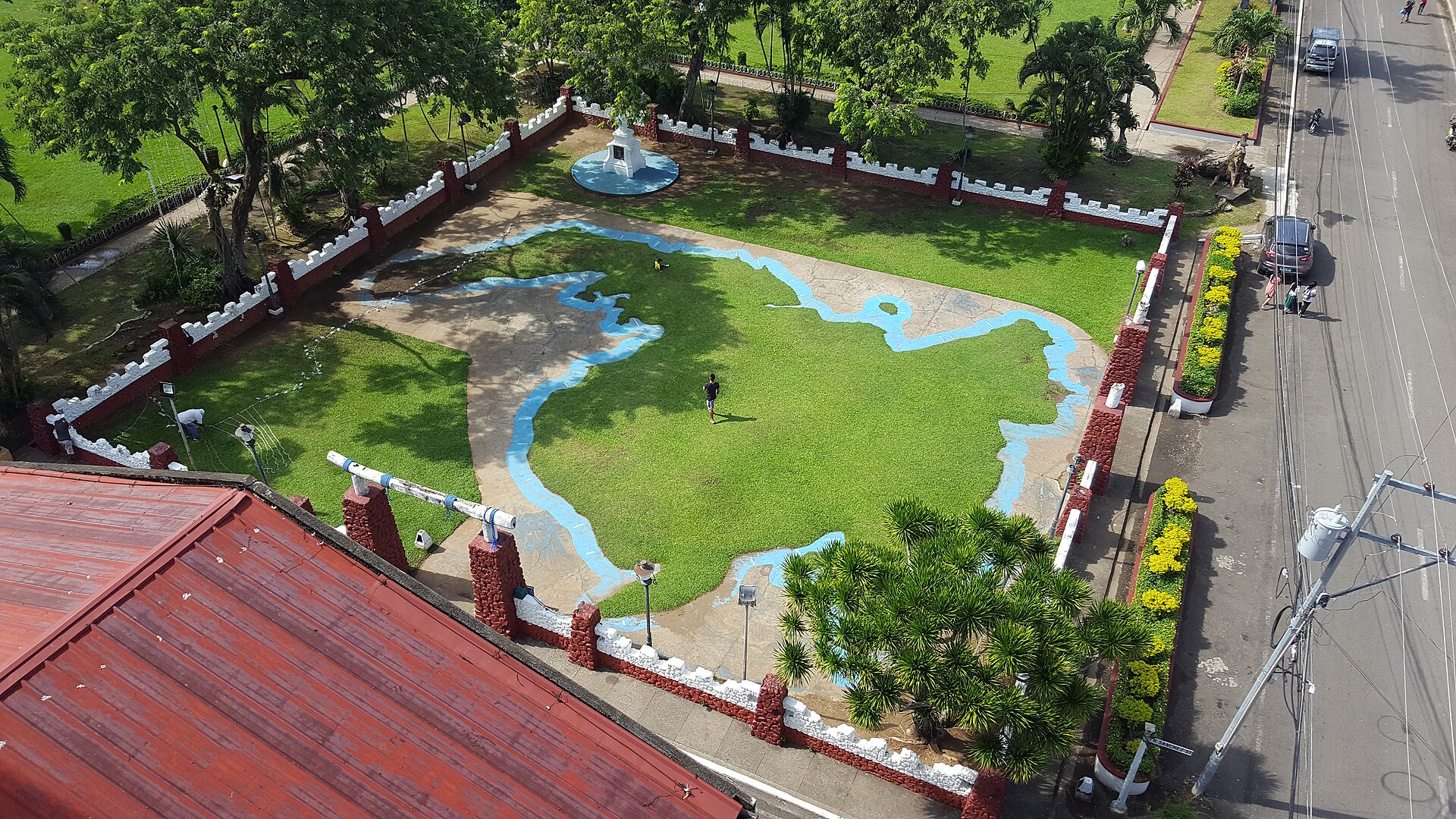
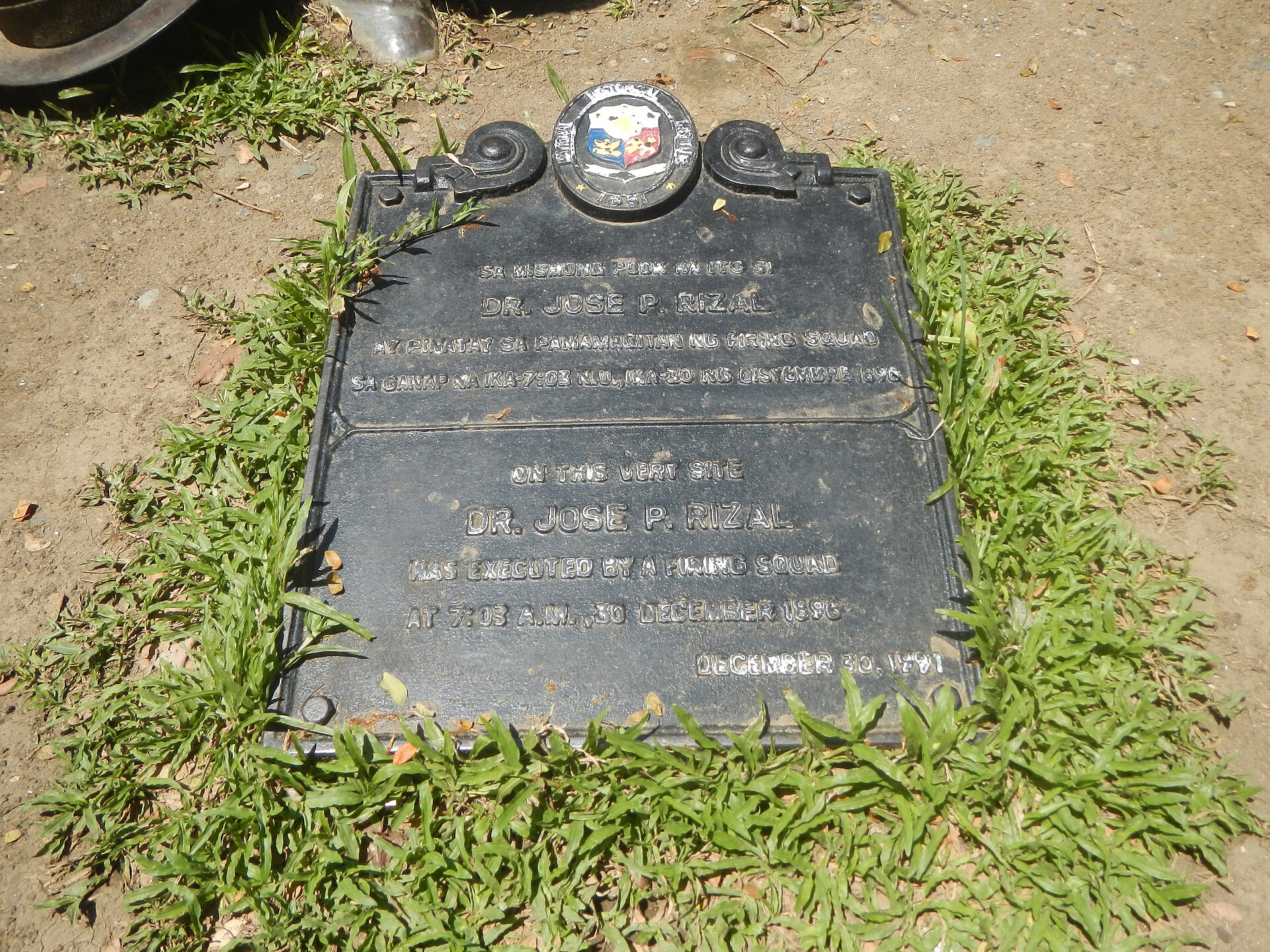
Execution at Bagumbayan
Spanish authorities executed Rizal at Bagumbayan, now part of Rizal Park in Manila.
Why this matters. Interpretation: his death helped turn a reformist writer into a lasting symbol of national struggle.
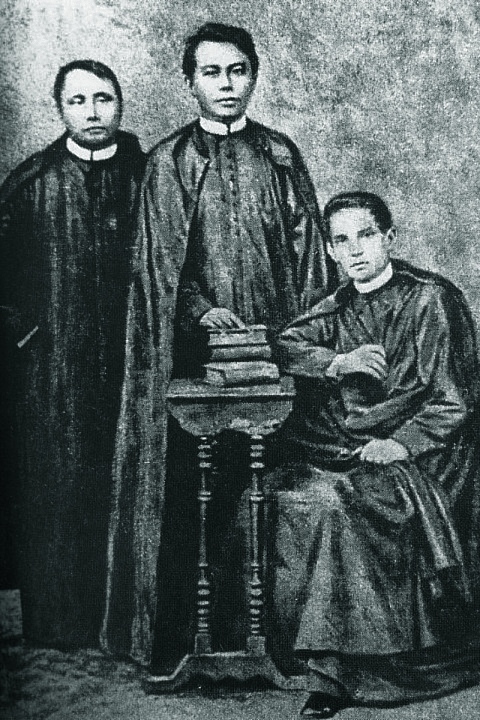
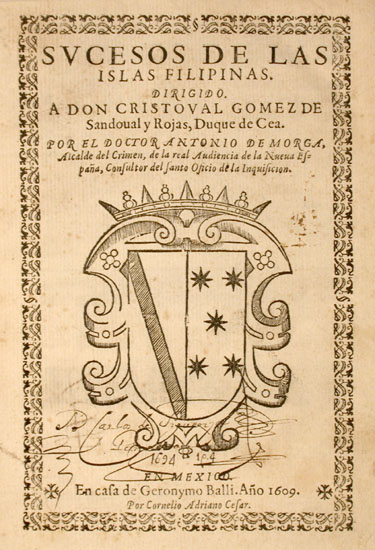
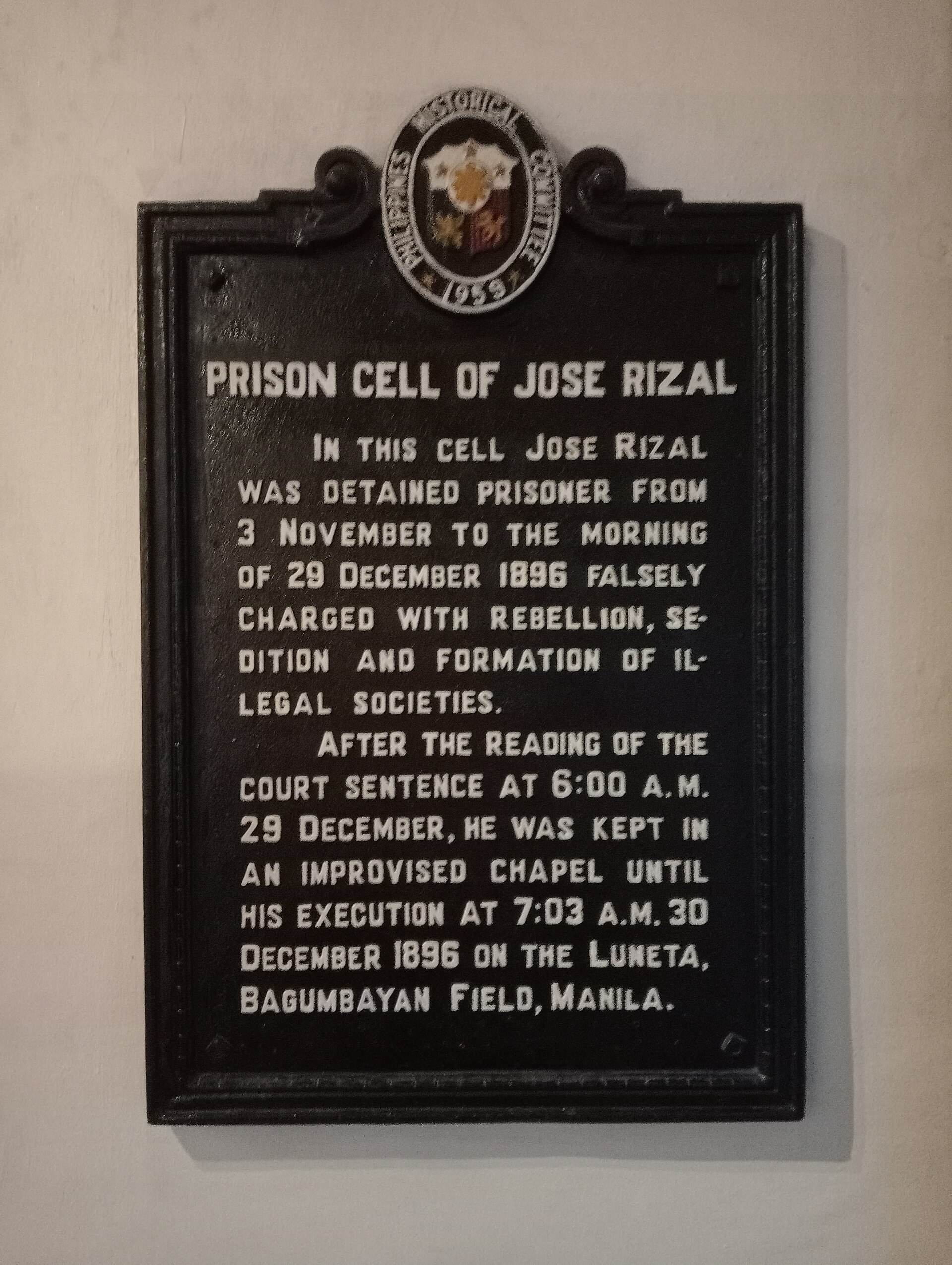
1872 catalystGomburza (Mariano Gomez, José Burgos, Jacinto Zamora), executed in 1872 at Bagumbayan, to whose memory Rizal dedicated El Filibusterismo.Historical illustration, 19th century. Public domain.1889 Paris circleLos Indios Bravos: José Rizal, Juan Luna, and Valentin Ventura in Luna’s Paris studio, c. 1889.Photograph, c. 1889. Public domain.1887 Berlin first editionThe genuine 1887 Berlin first edition cover of Noli Me Tangere, printed by Berliner Buchdruckerei.José Rizal, 1887. Berliner Buchdruckerei-Actien-Gesellschaft. Public domain.1890 historical workTitle page of Antonio de Morga’s Sucesos de las Islas Filipinas, annotated and published by Rizal in Paris in 1890.Librería de Garnier Hermanos, Paris, 1890. Public domain.Fort Santiago cellThe prison cell in Fort Santiago where Rizal was confined in late 1896 and penned Mi Último Adiós.Diego Delso, CC BY-SA 4.0, via Wikimedia Commons.Bagumbayan martyrdomThe life-size bronze sculptural tableau by Eduardo Castrillo at Bagumbayan (Rizal Park), Manila.Ralff Nestor Nacor, CC BY-SA 4.0, via Wikimedia Commons.
Date precision is deliberate. A year or range appears where an exact day is not established by the sources used here. The “why this matters” notes are teaching interpretations, not statements of fact.
Prefer to explore by category?
The interactive timeline lets you filter by education, travel, literary works, political activity, and final years.