Places that
widened the world.
A birthplace, a university city, a printing house, a place of exile, and a public park. Each site carries a different relationship to the historical record.
What a place
can and cannot show.
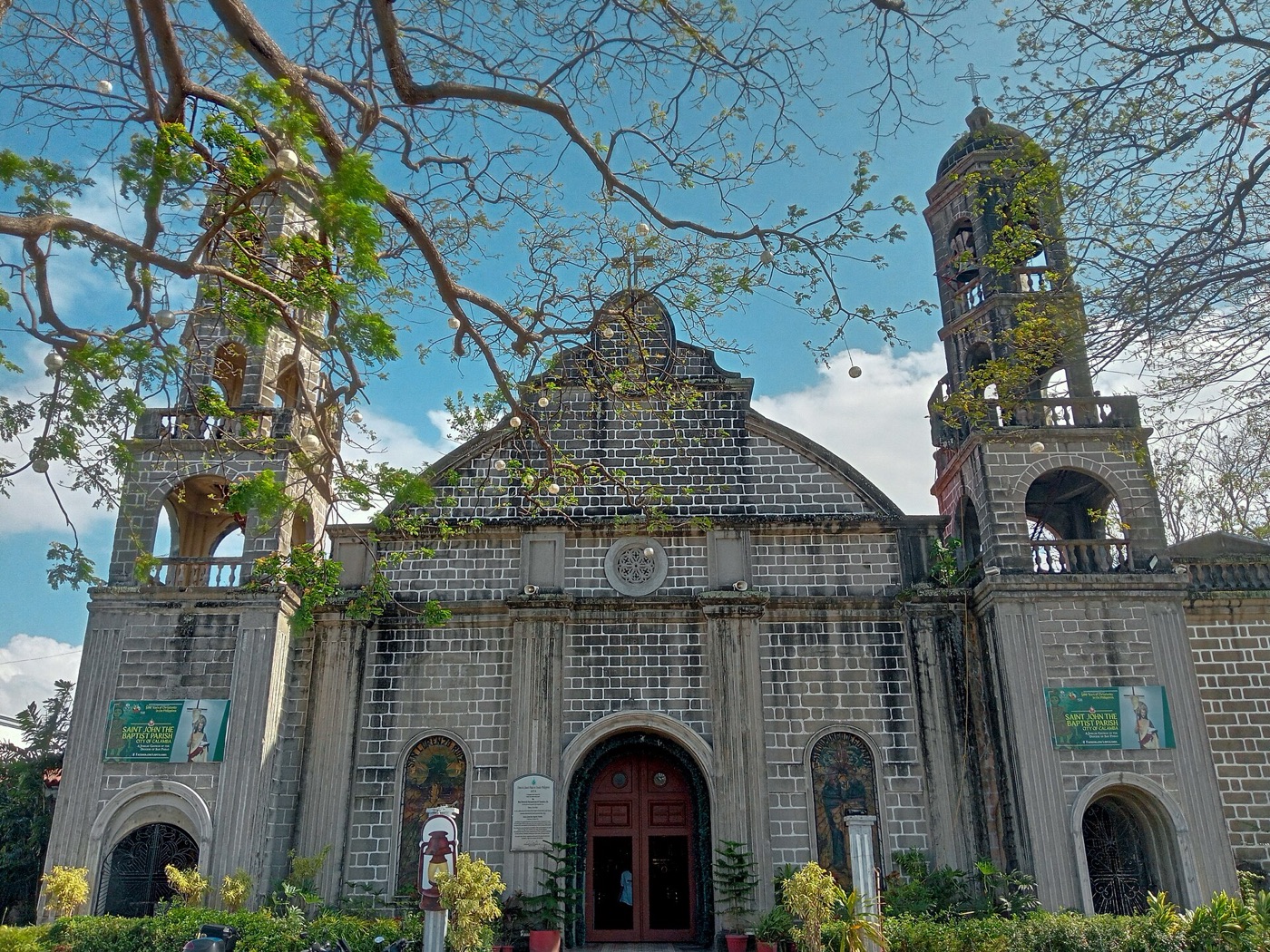
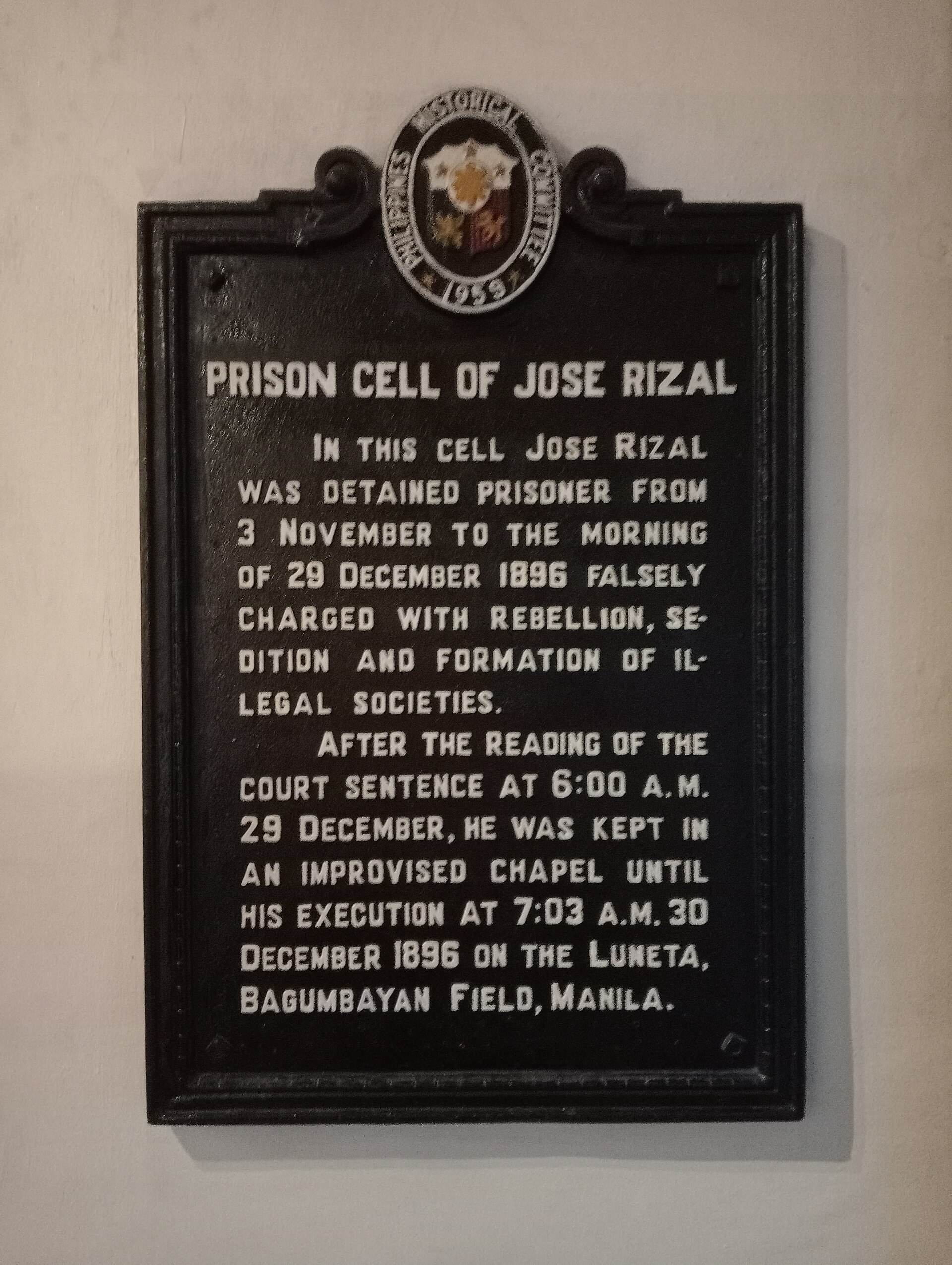
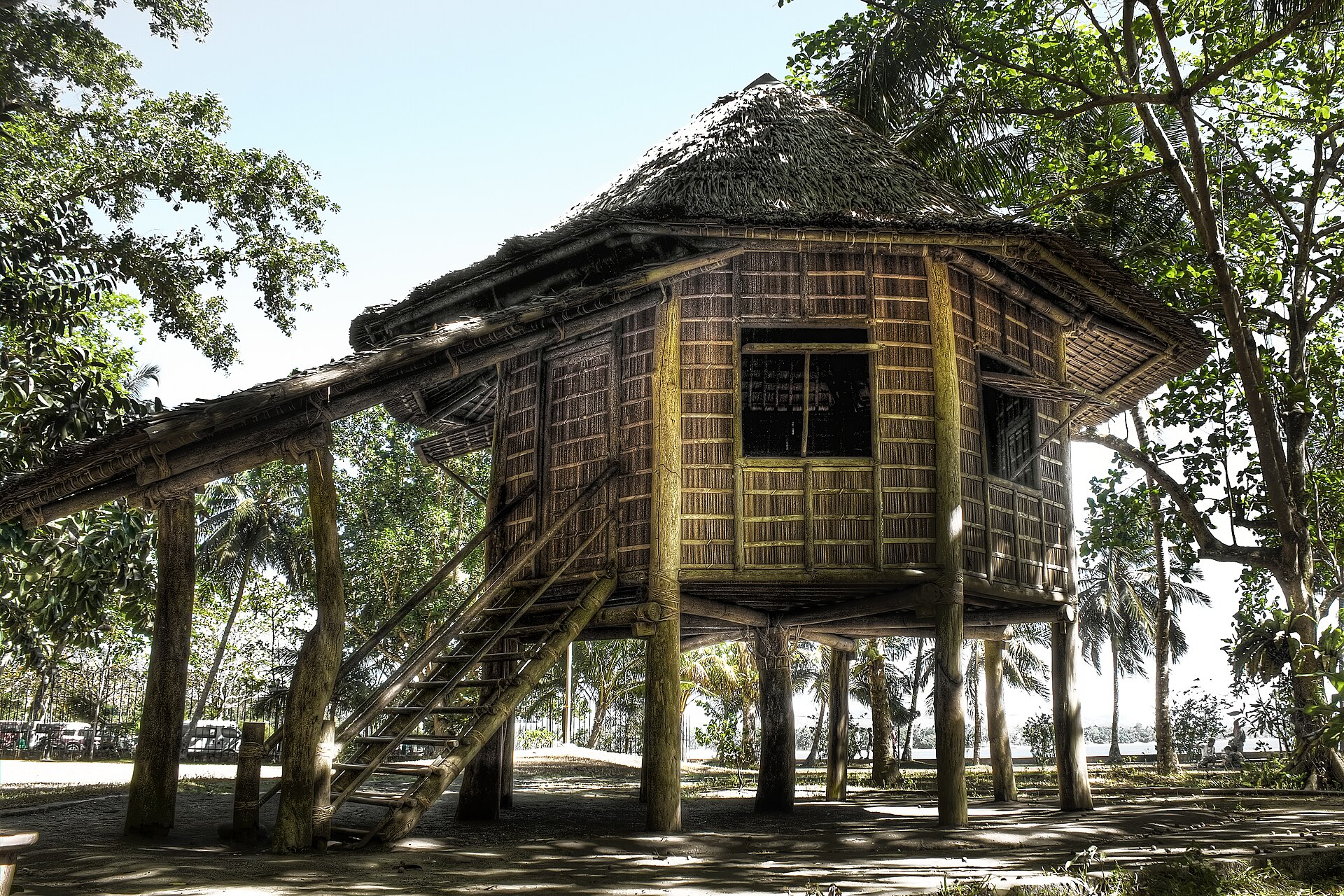
A photograph of a shrine today does not show the house Rizal knew. A plaque marks a connection; it does not prove what happened in every room. Read the caption as carefully as the image.
Calamba
The family house and the parish church anchor the beginning. The shrine is a reconstruction of the ancestral home; the church is the older institution in which Rizal was baptized.
Explore on interactive journey map ↗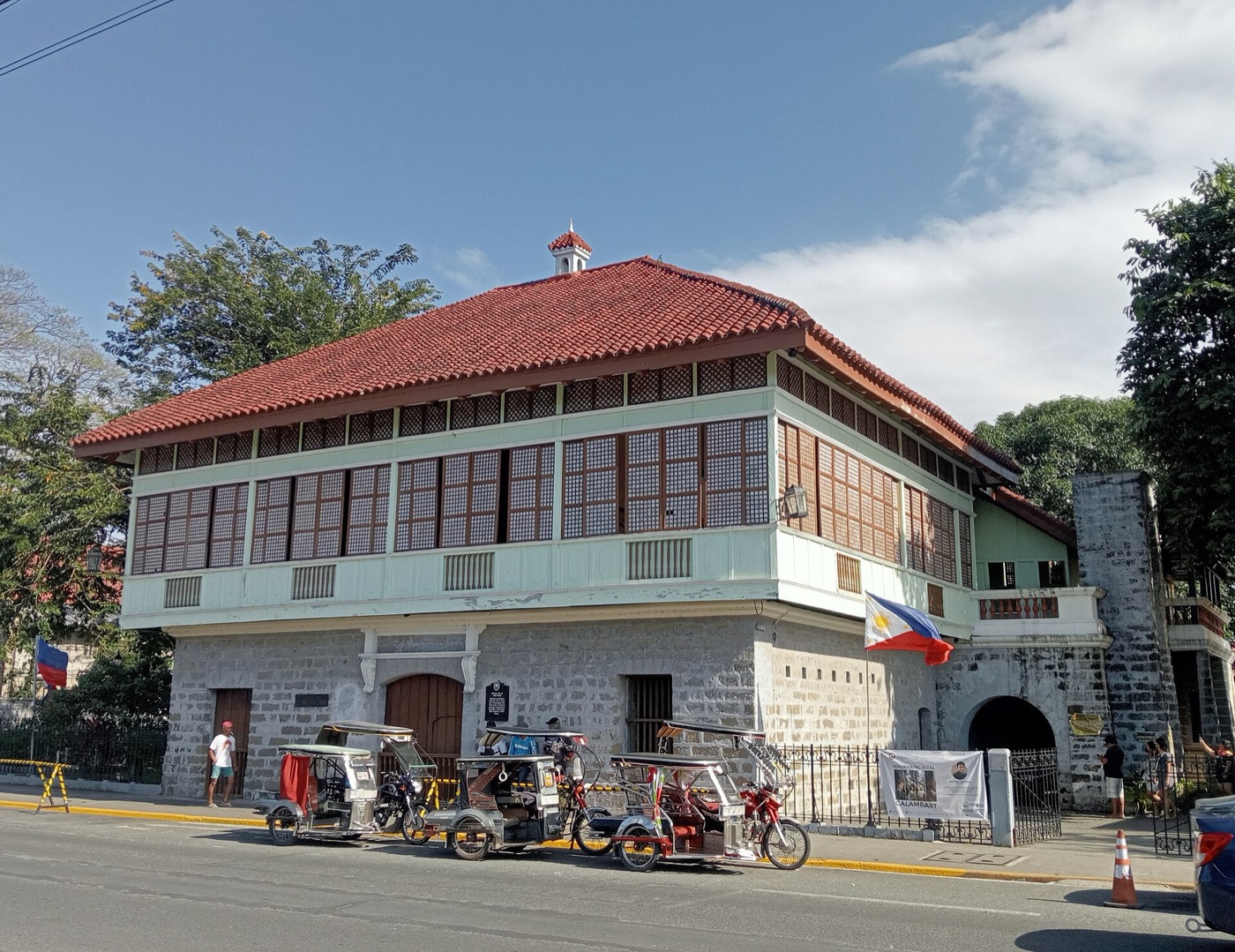
Manila
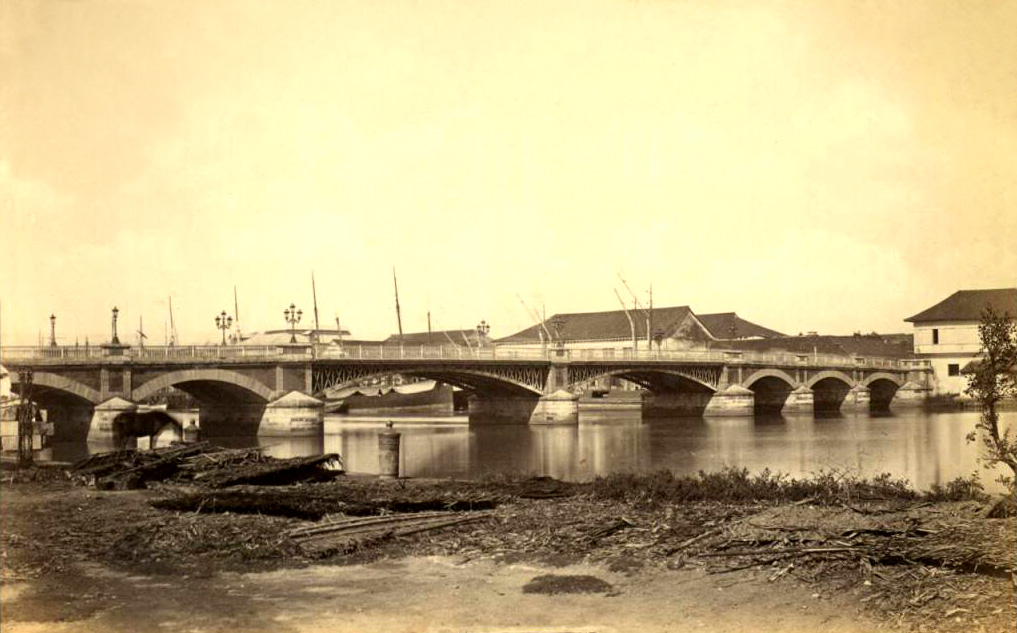
Schooling at Ateneo and Santo Tomas, the founding of La Liga Filipina in Tondo, imprisonment in Fort Santiago, and trial. Historical photos preserve the 19th-century cityscape.
Explore on interactive journey map ↗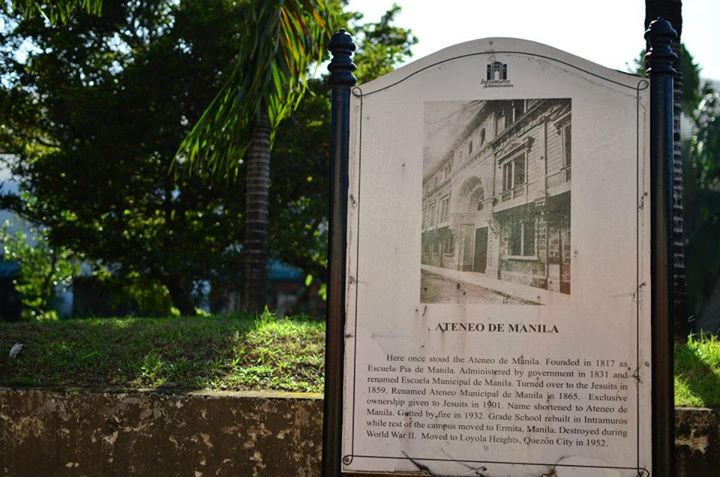
Madrid
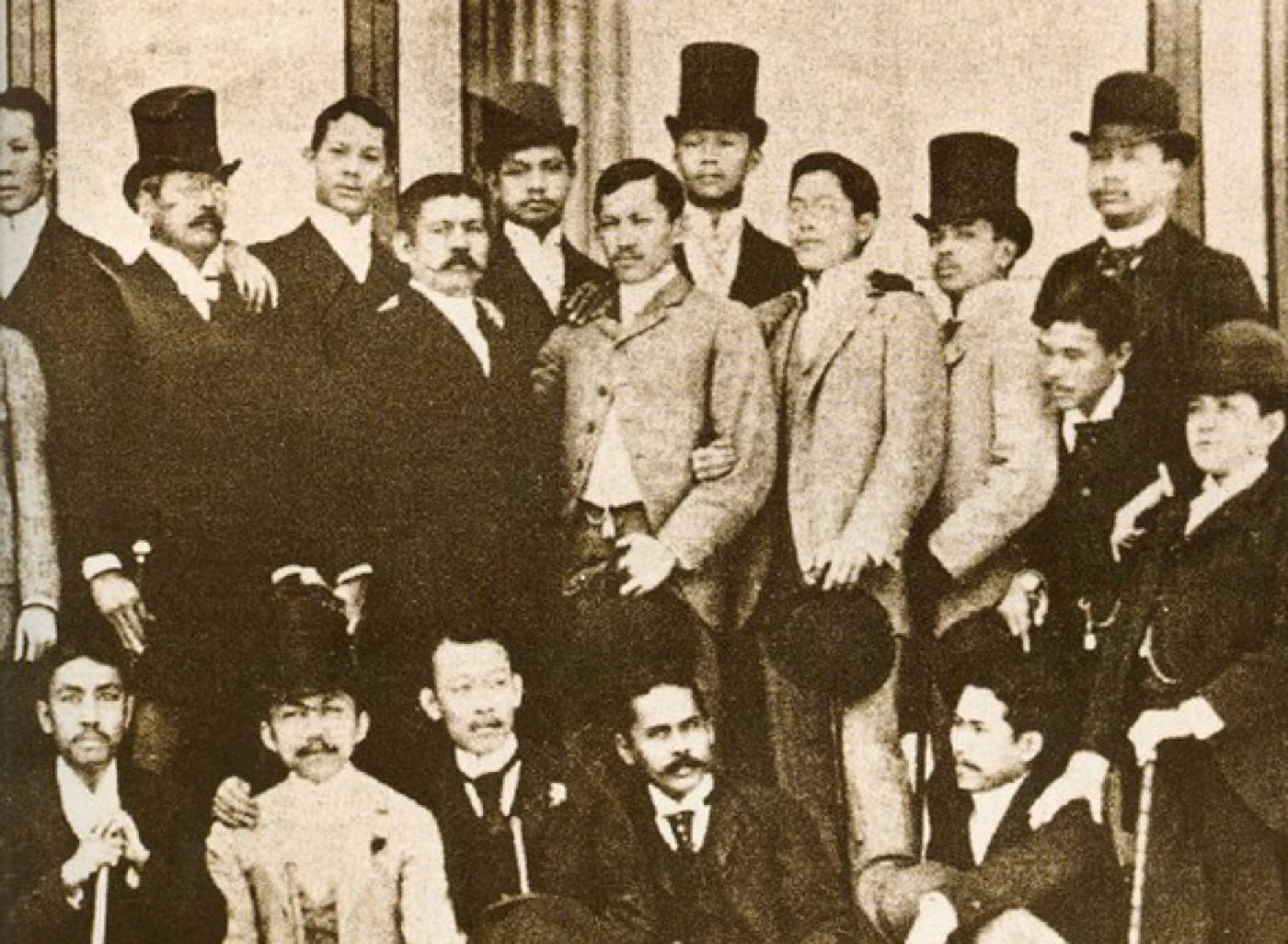
University studies along Calle San Bernardo and Filipino expatriate circles. The group portrait shows Rizal with Del Pilar and fellow reformers in the Spanish capital.
Explore on interactive journey map ↗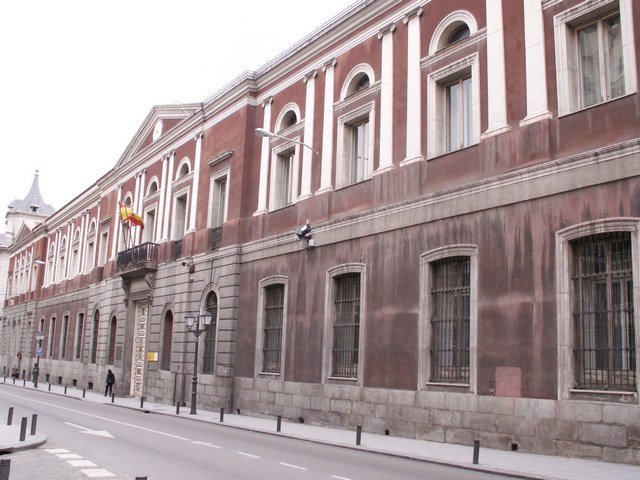
Paris
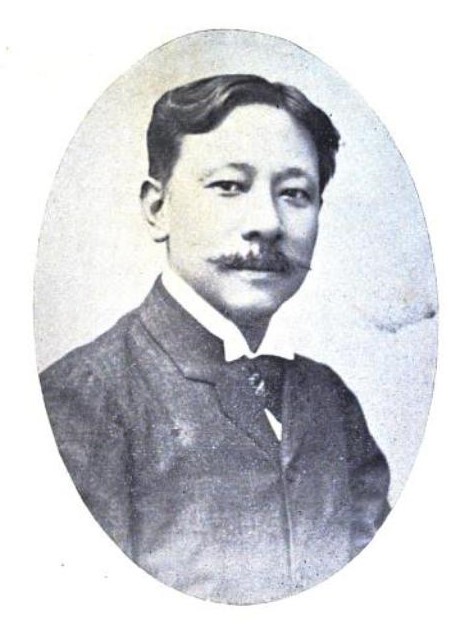
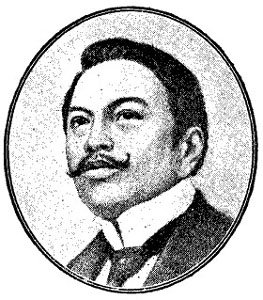
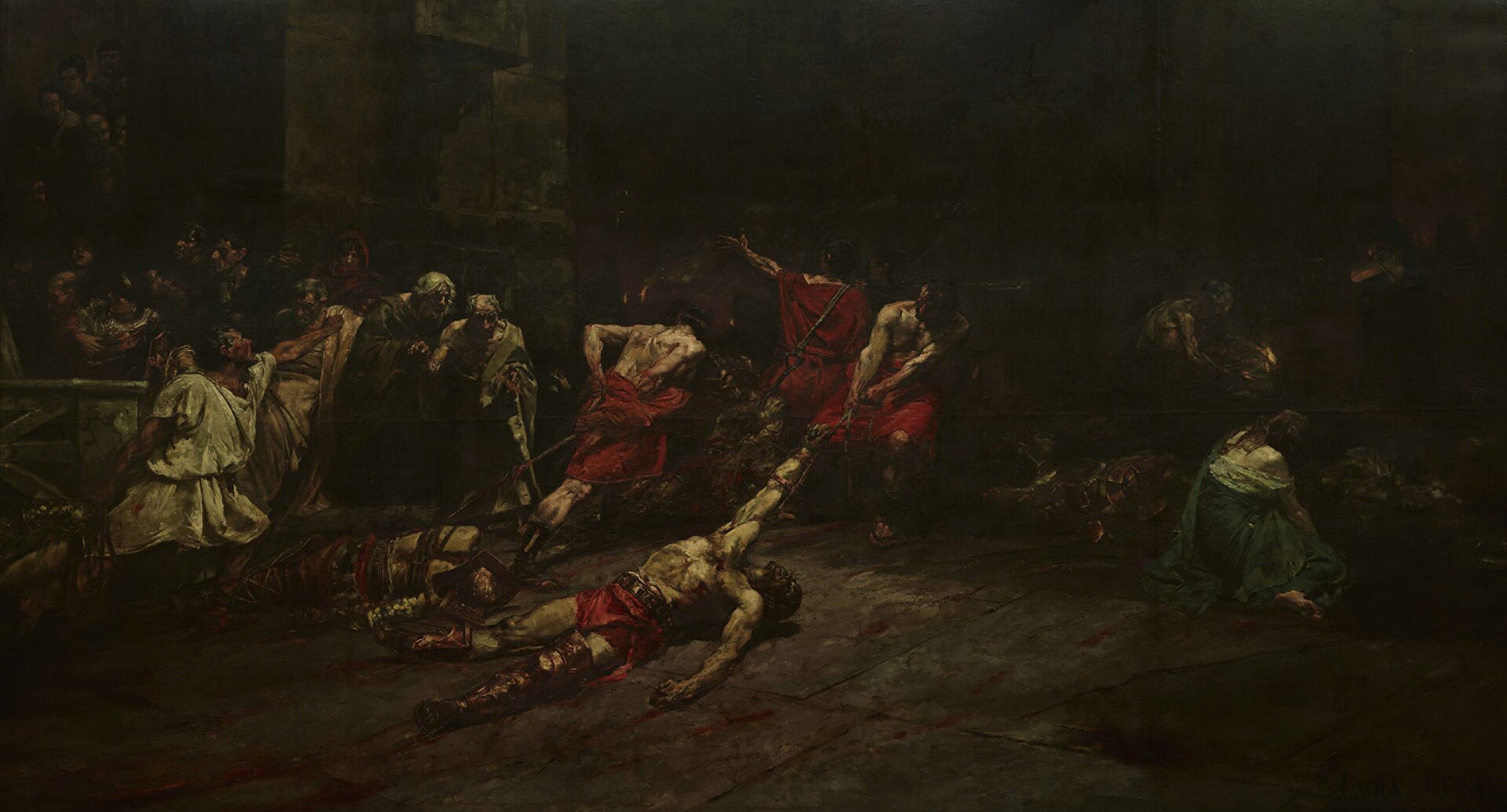
Ophthalmology training with Louis de Wecker and the creative circle of “Los Indios Bravos” at Juan Luna’s studio at 65 boulevard Arago during the 1889 Universal Exposition.
Explore on interactive journey map ↗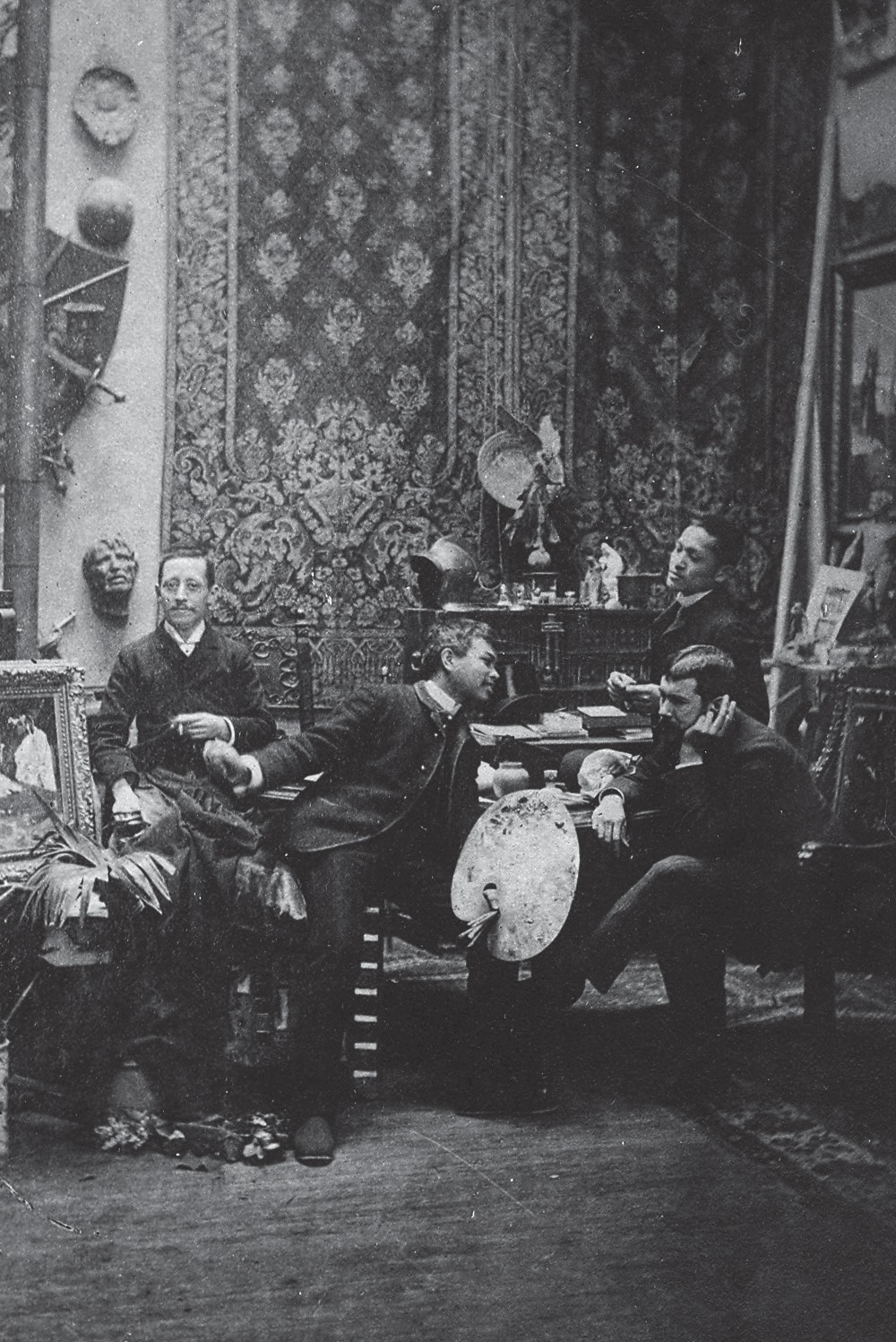
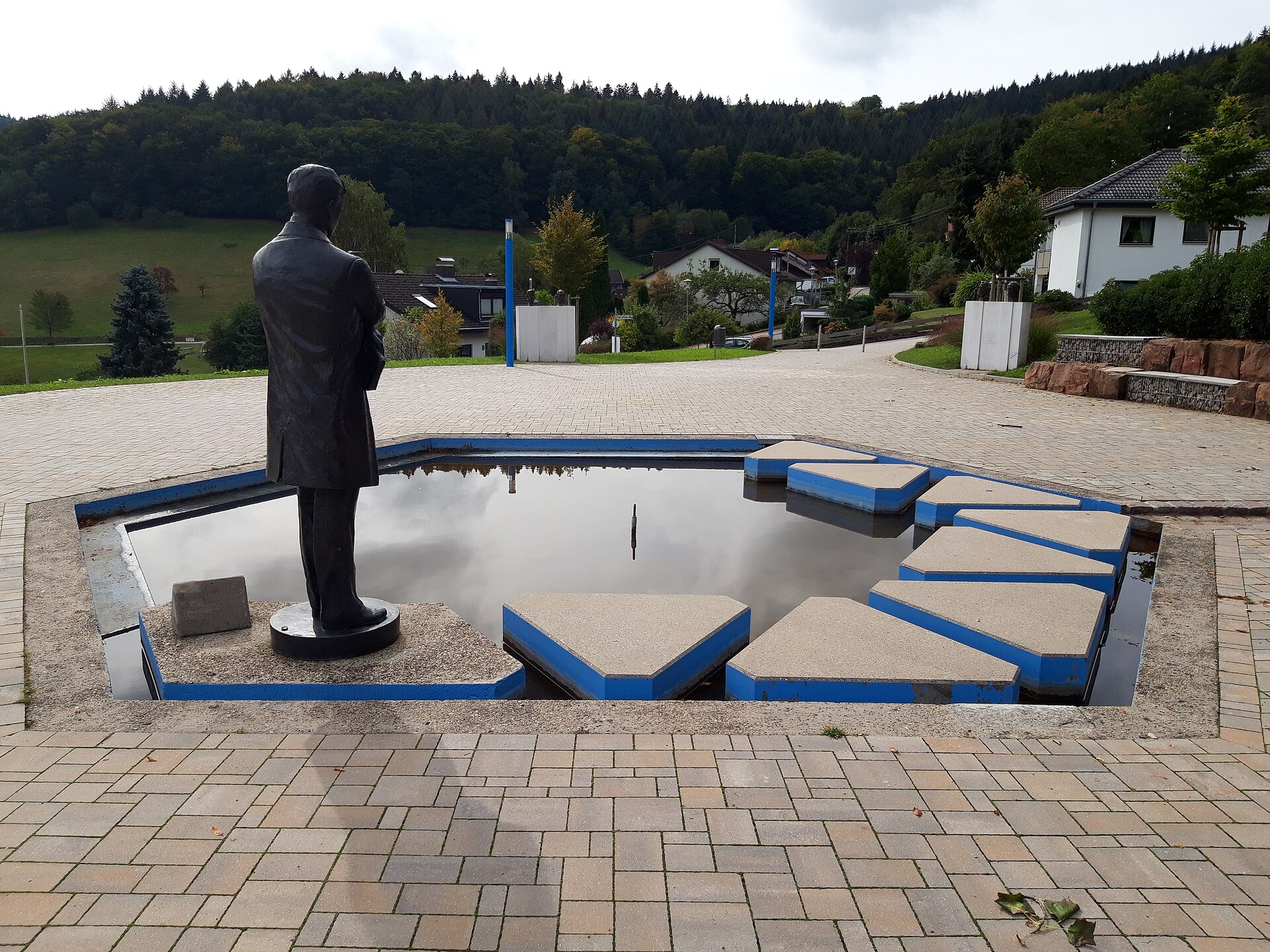
Heidelberg & Wilhelmsfeld
Ophthalmological studies at the University of Heidelberg and quiet writing in the vicarage of Pastor Karl Ullmer in nearby Wilhelmsfeld, where he finished Noli Me Tangere.
Explore on interactive journey map ↗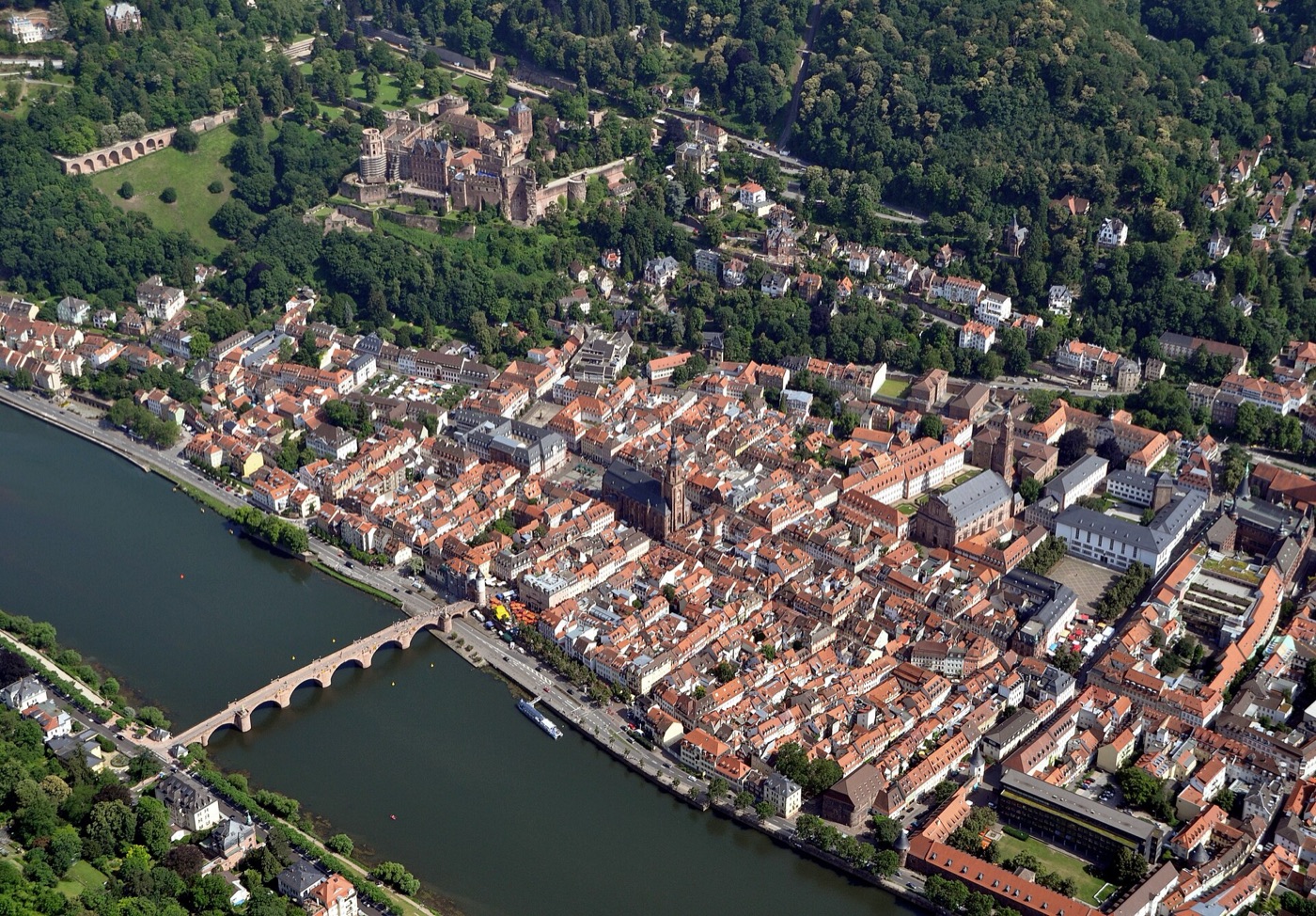
Berlin
Publication city of Noli Me Tangere. Dr. Máximo Viola financed the printing of 2,000 copies at Berliner Buchdruckerei in March 1887.
Explore on interactive journey map ↗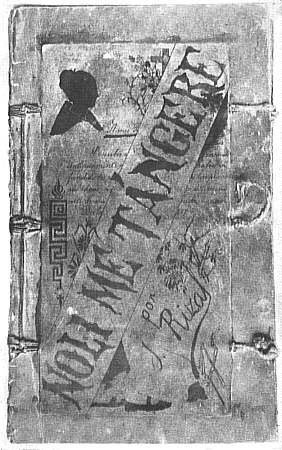
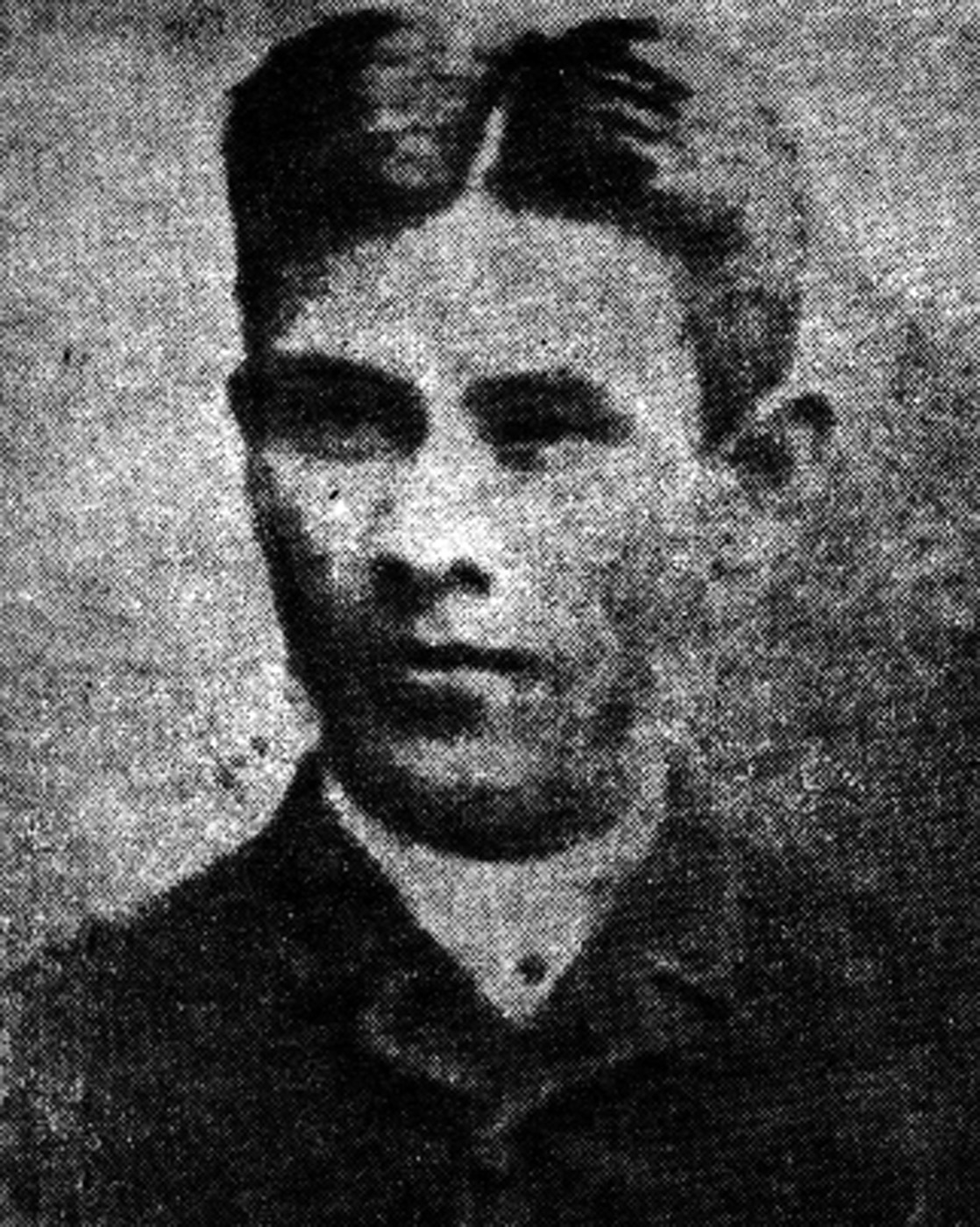
Ghent
Publication city of El Filibusterismo. Rizal lived on sparse rations in Henegouwenstraat to pay printer F. Meyer-Van Loo for the novel’s release.
Explore on interactive journey map ↗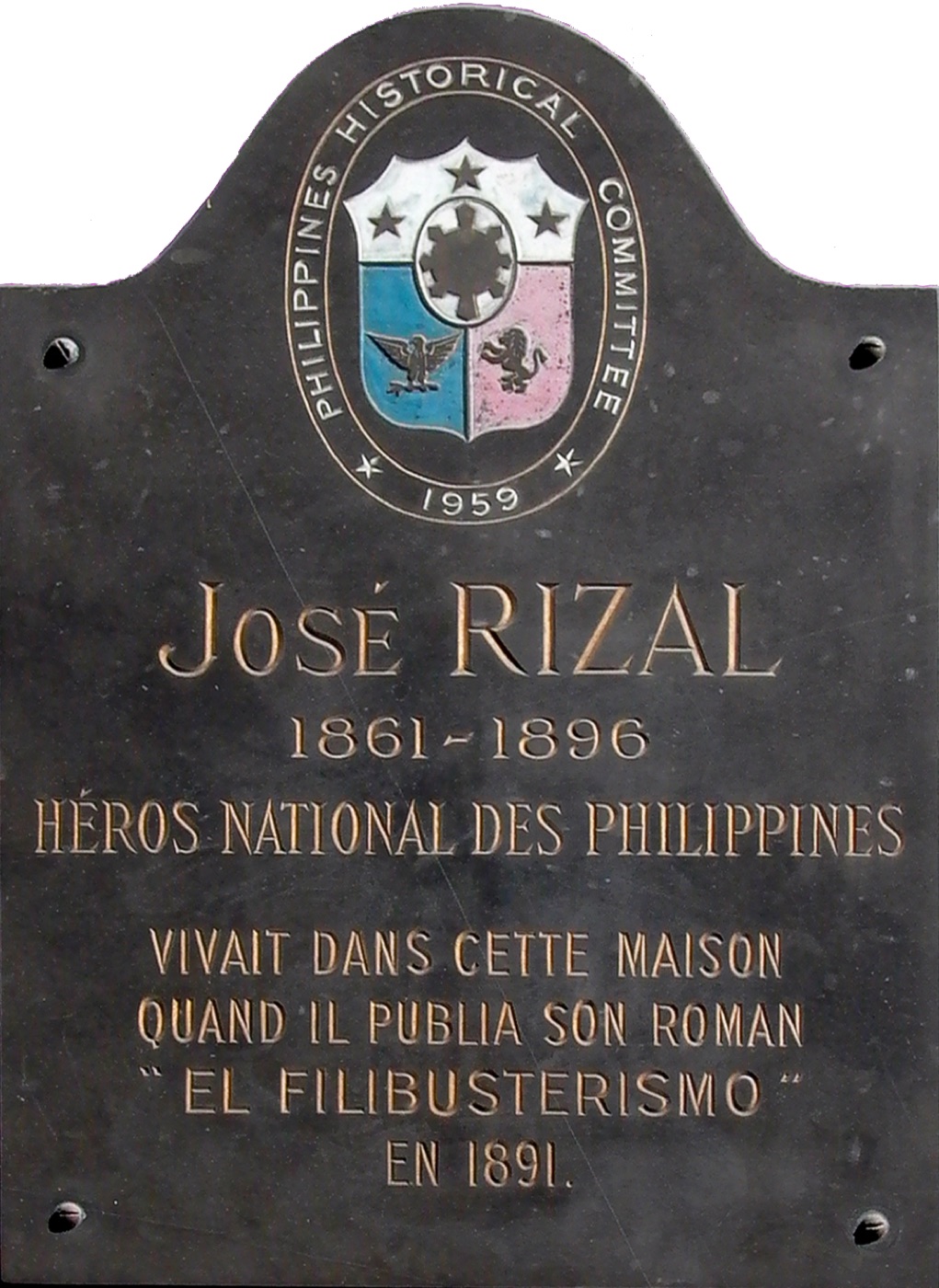
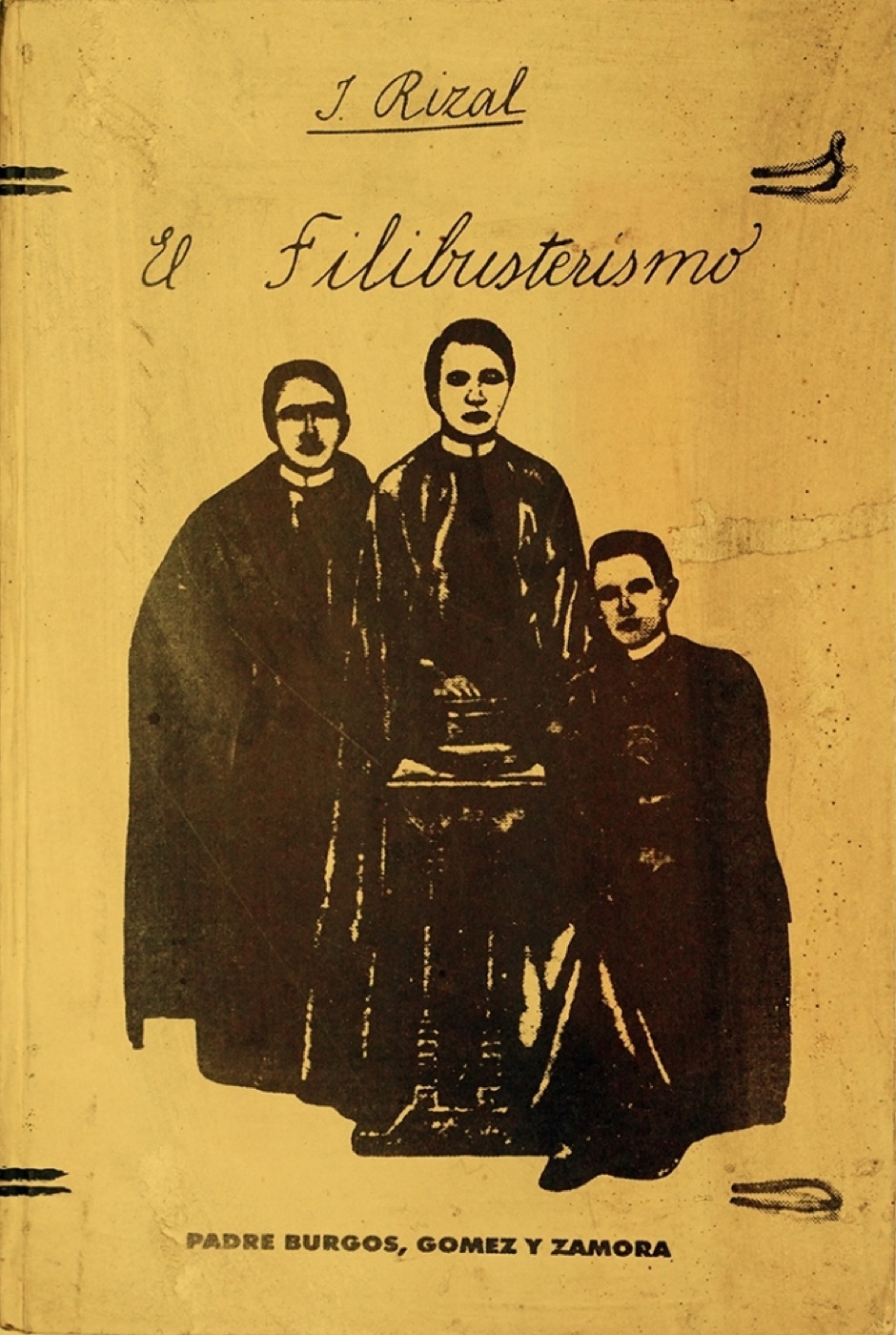
Hong Kong
Rizal operated a successful ophthalmology clinic at 5 D’Aguilar Street, reuniting with family members exiled from Calamba before returning to Manila.
Explore on interactive journey map ↗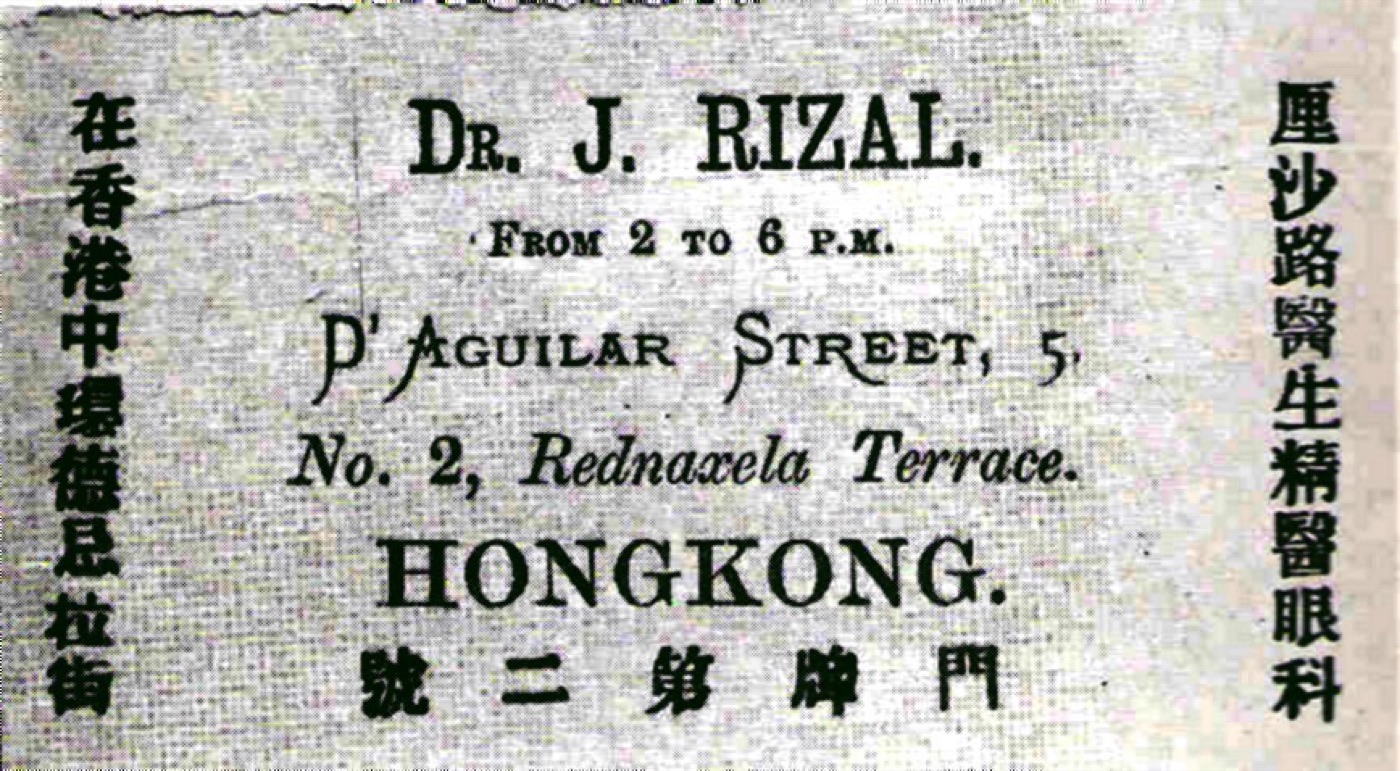
Dapitan
Four years of remote exile turned into community medicine, a tuition-free school for boys, an outdoor relief map, and ecological research.
Explore on interactive journey map ↗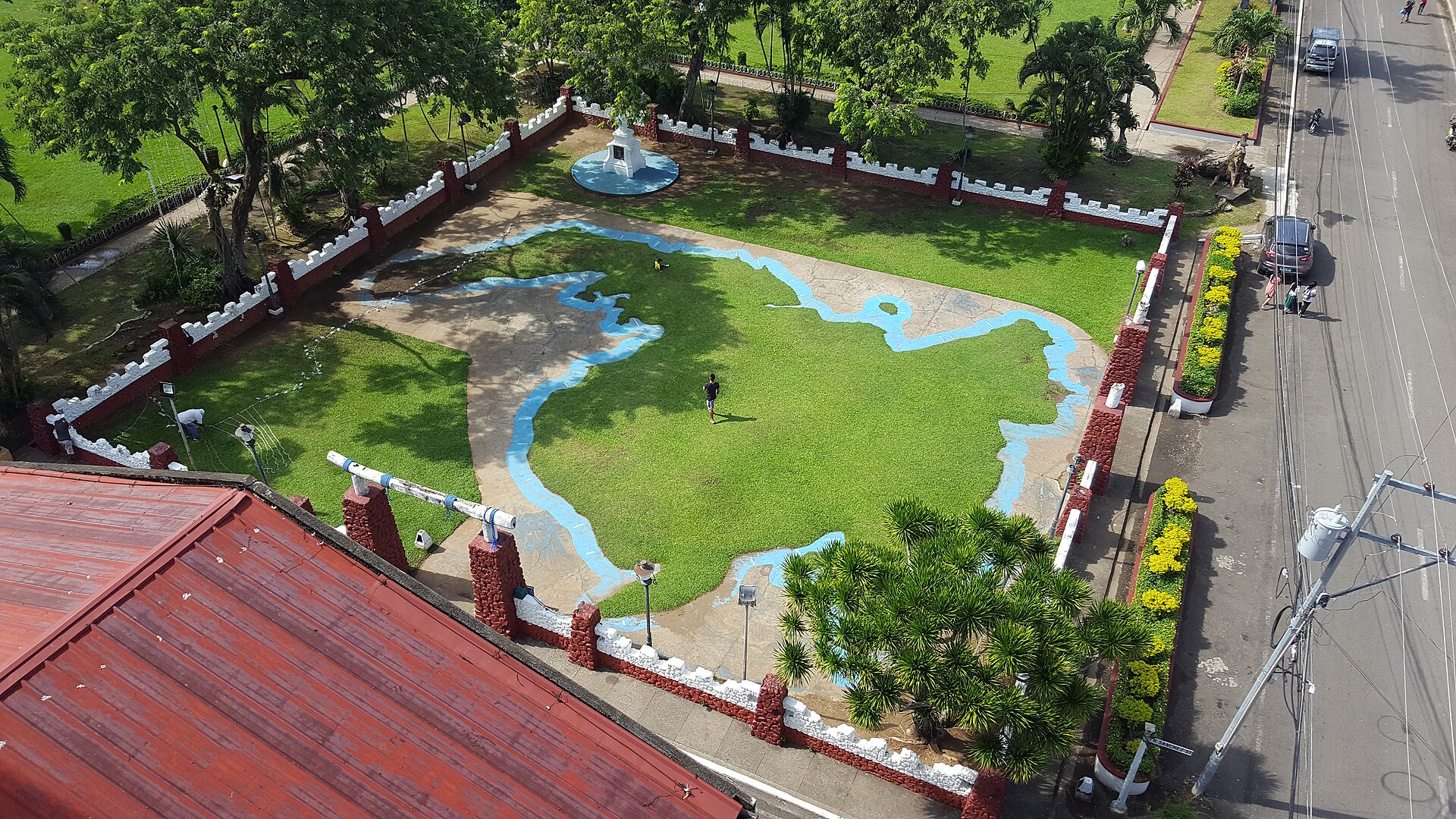
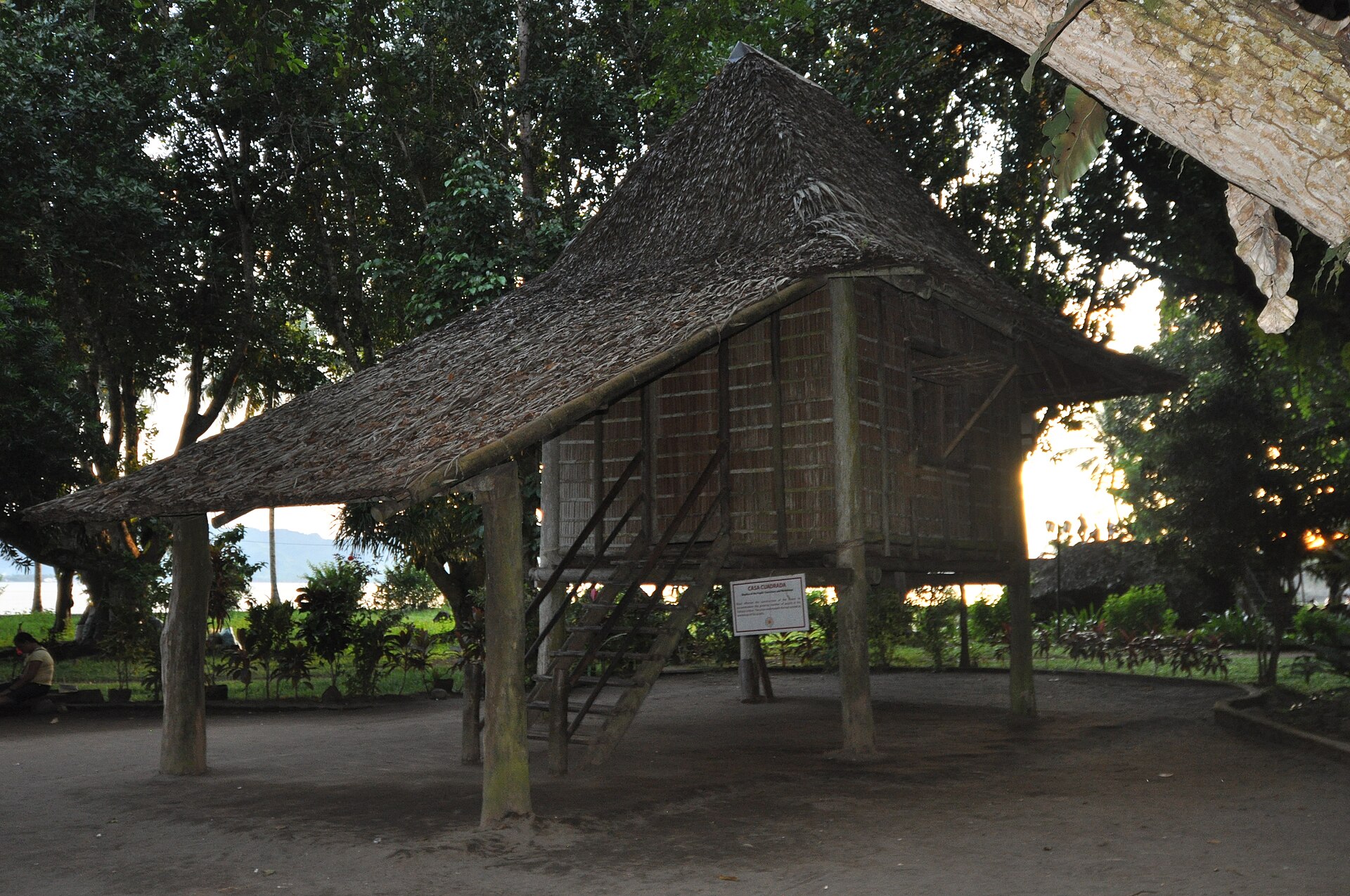
Bagumbayan
Place of martyrdom. The bronze diorama, the 1913 national monument, and the secret burial plot at Paco Park record how memory was inscribed on the capital.
Explore on interactive journey map ↗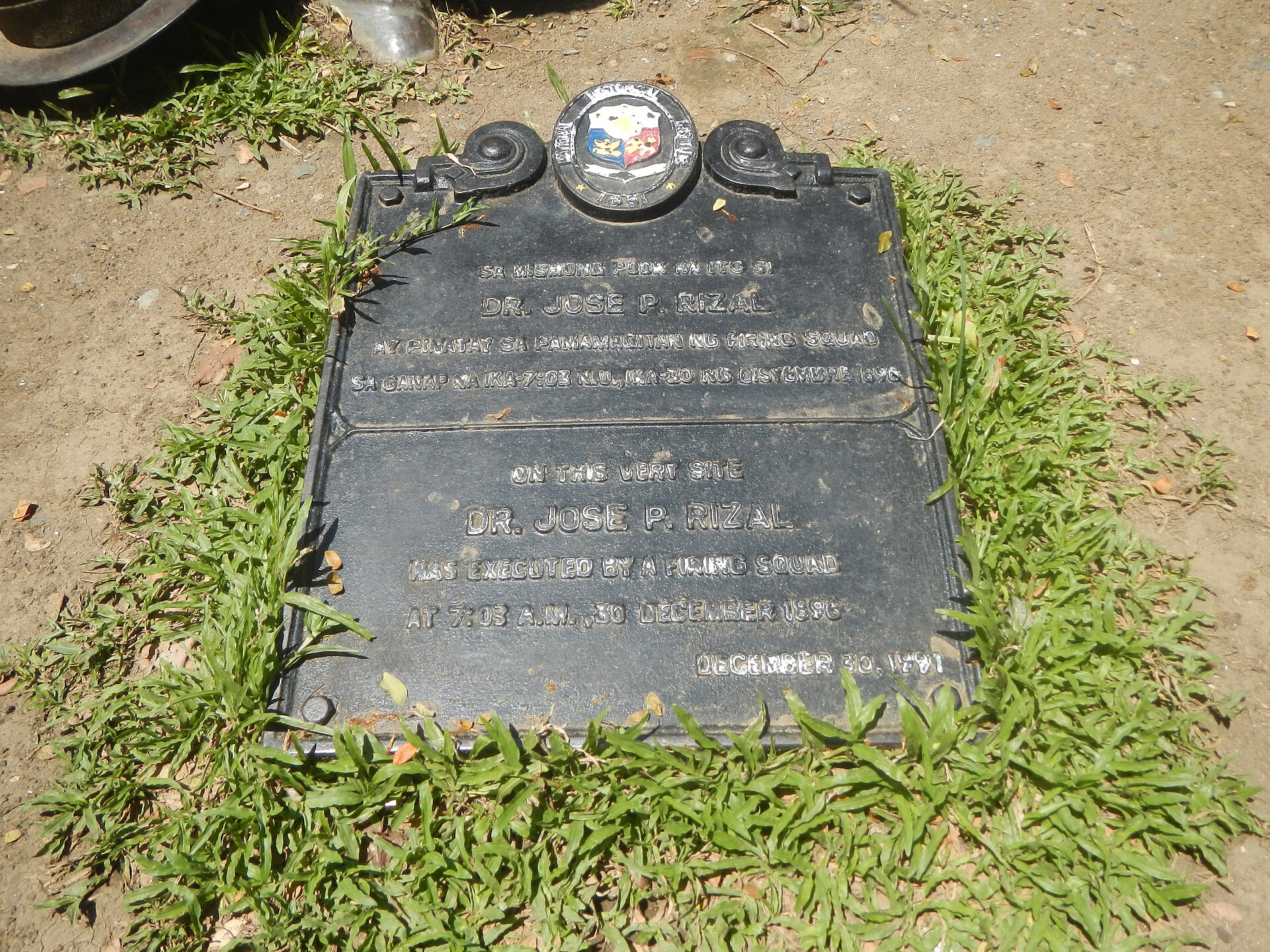
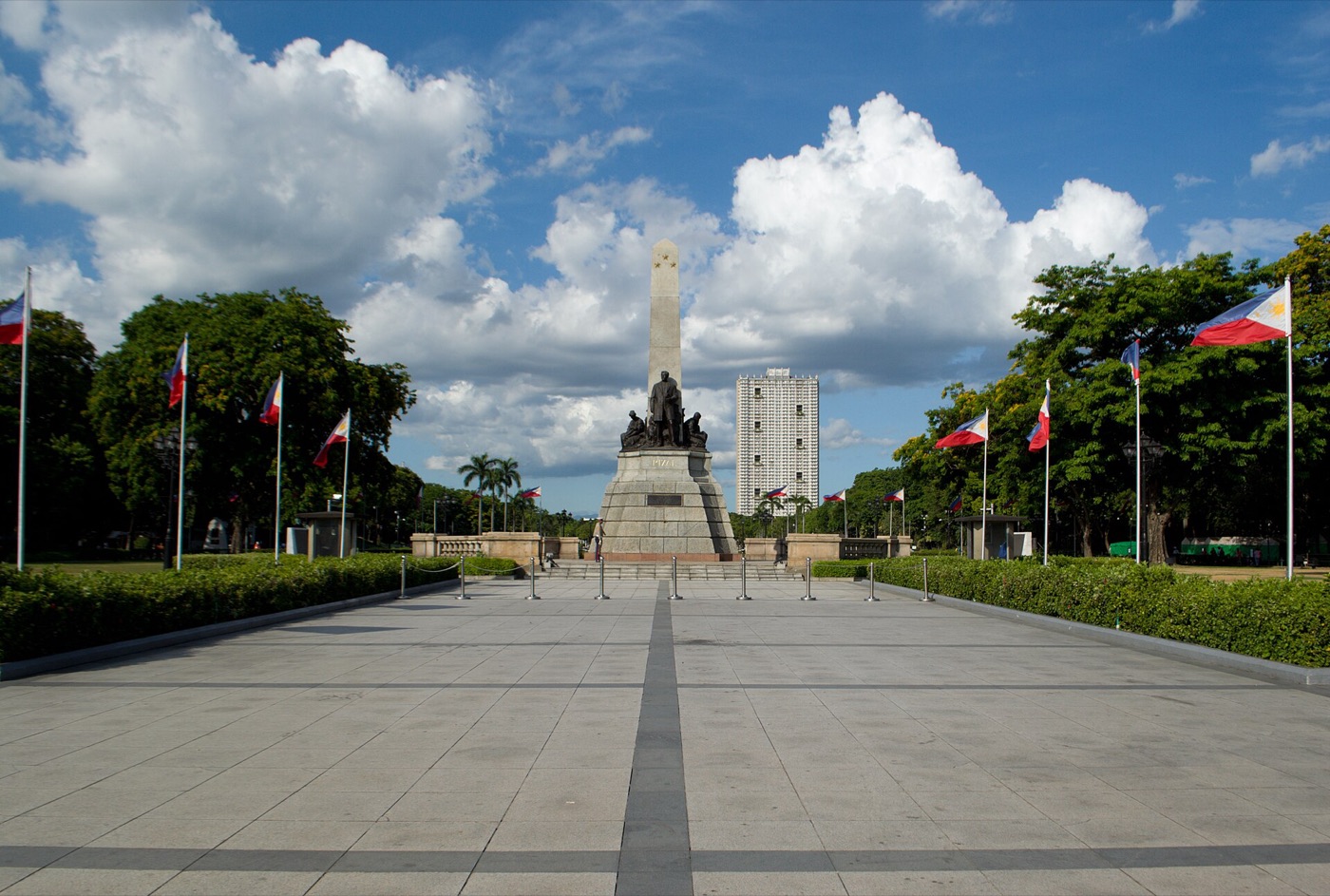
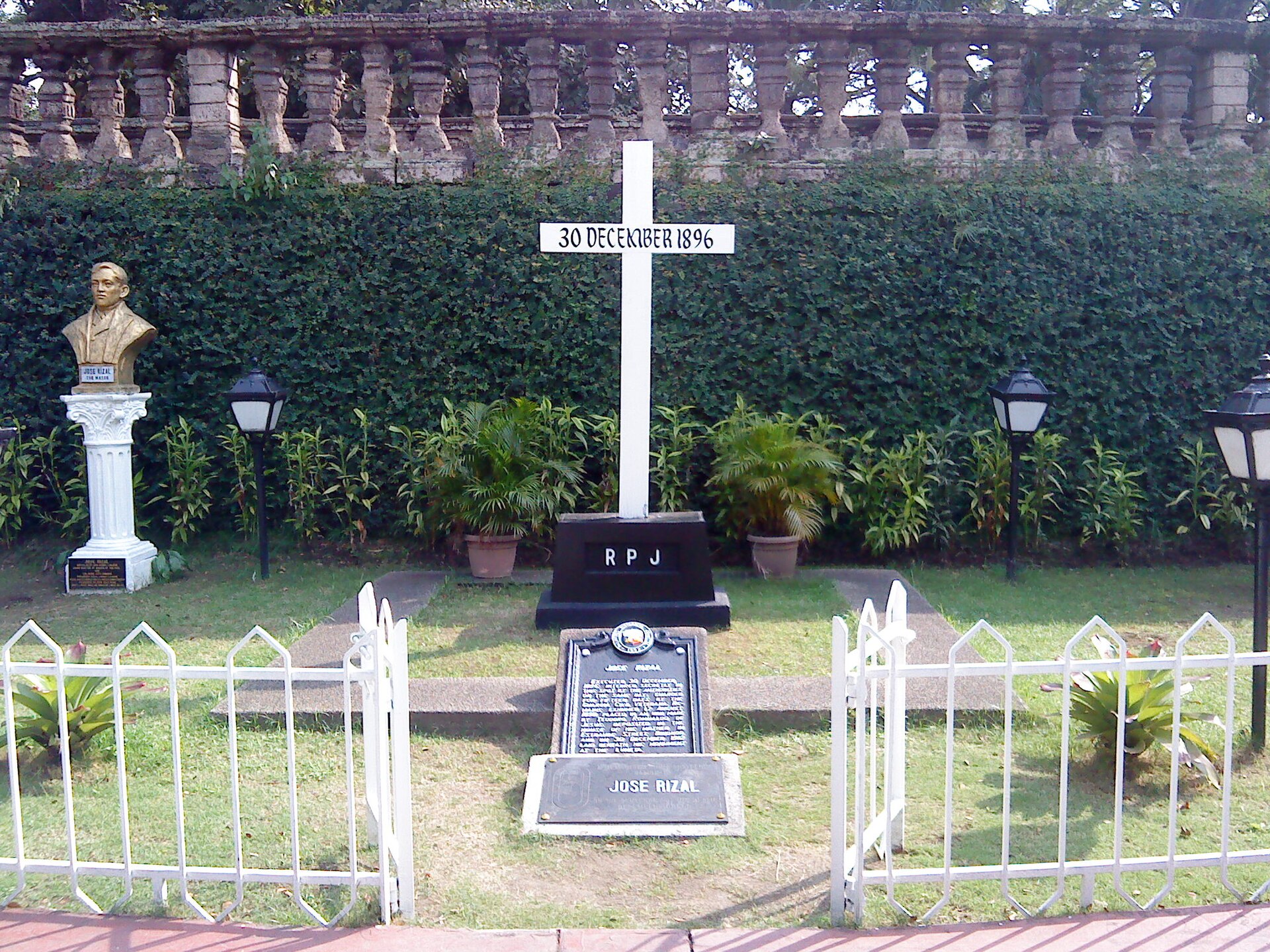
Present-day photographs are included to make the exhibition visual, not to imply that the current structure is the historical one. Check local opening hours and access rules before visiting.
Map the journey
The interactive map places these sites on a world map with the same sourced notes and approximate coordinates.