From Remembering Rizal to Reading Him Critically
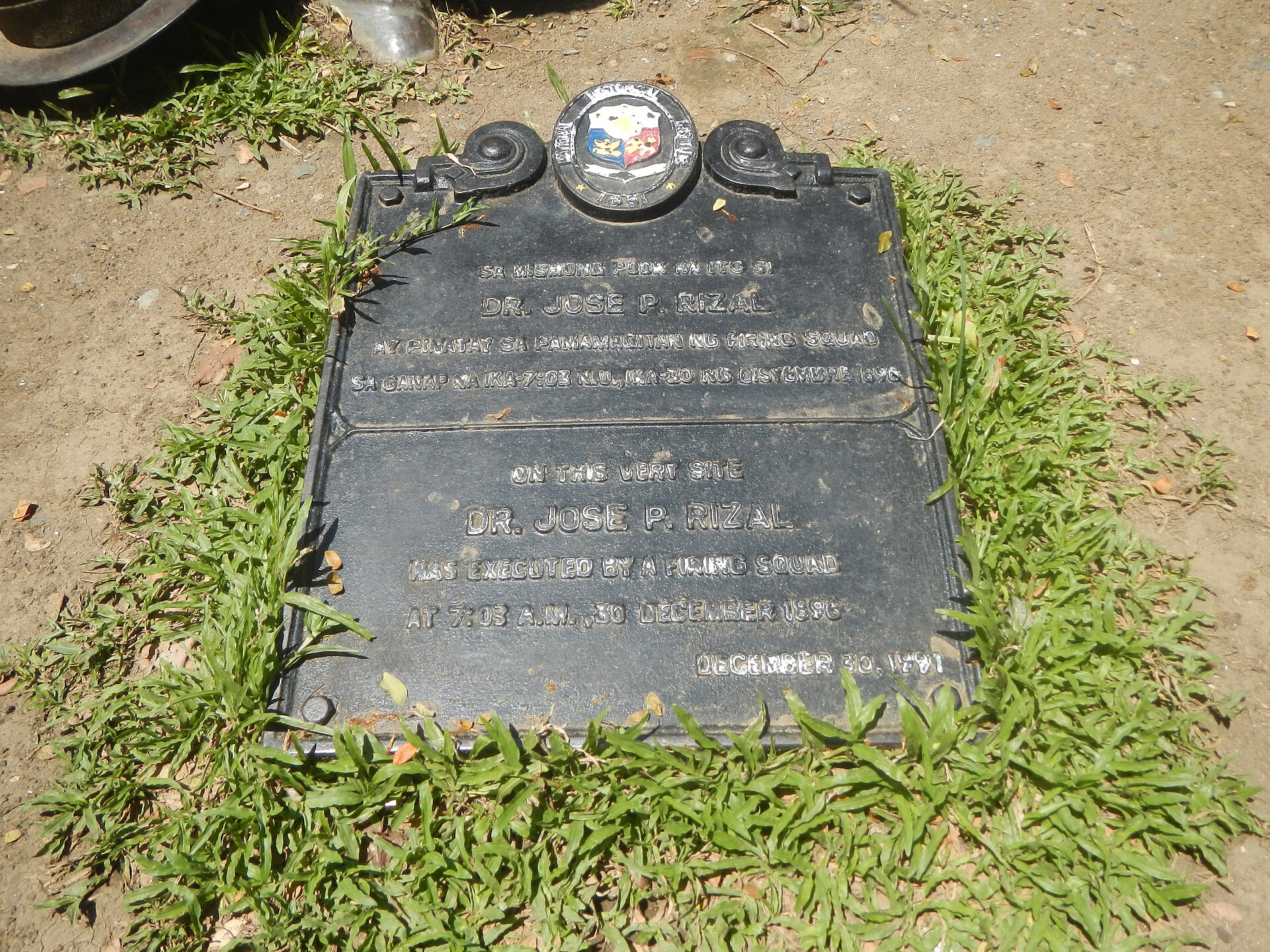
José Rizal is familiar to Filipino college students long before they take a course devoted to him. His face appears in public spaces, his name identifies schools and streets, and his death is commemorated every year. This recognition matters, but it can also make him seem distant: a finished national symbol whose importance has already been explained. Knowing the dates of his birth and execution does not necessarily mean understanding the society he criticized or the choices that shaped his work.
Rizal Interactive: Beyond the Textbook encourages students to move from recognition to inquiry. Its central question—“Do we truly understand José Rizal, or do we simply remember him?”—does not dismiss commemoration. Instead, it asks students to give remembrance greater substance. The website presents Rizal as a writer, physician, student, and civic actor whose ideas developed within particular historical conditions. His achievements become more meaningful when considered alongside the opportunities he possessed and the limits he faced.
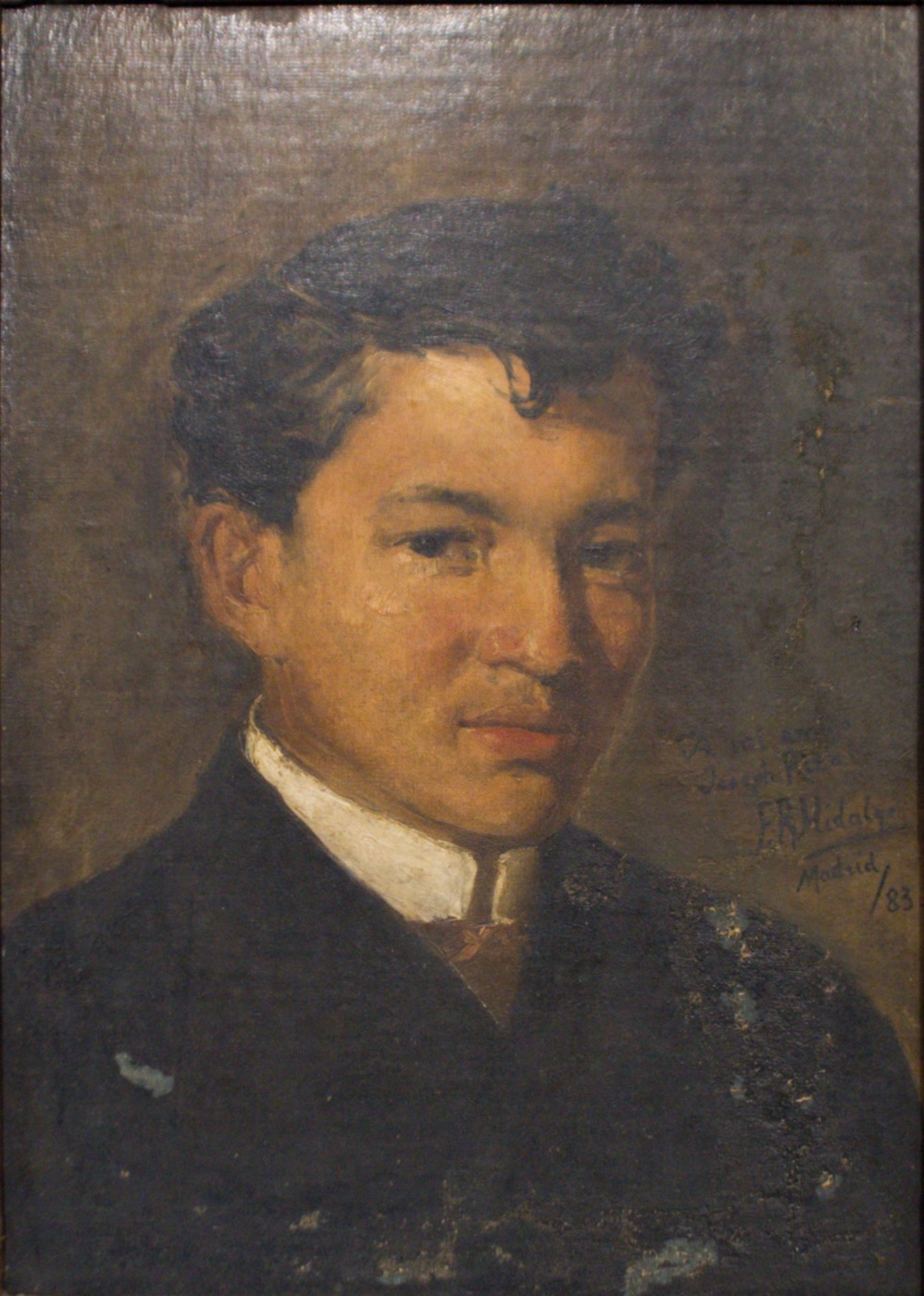
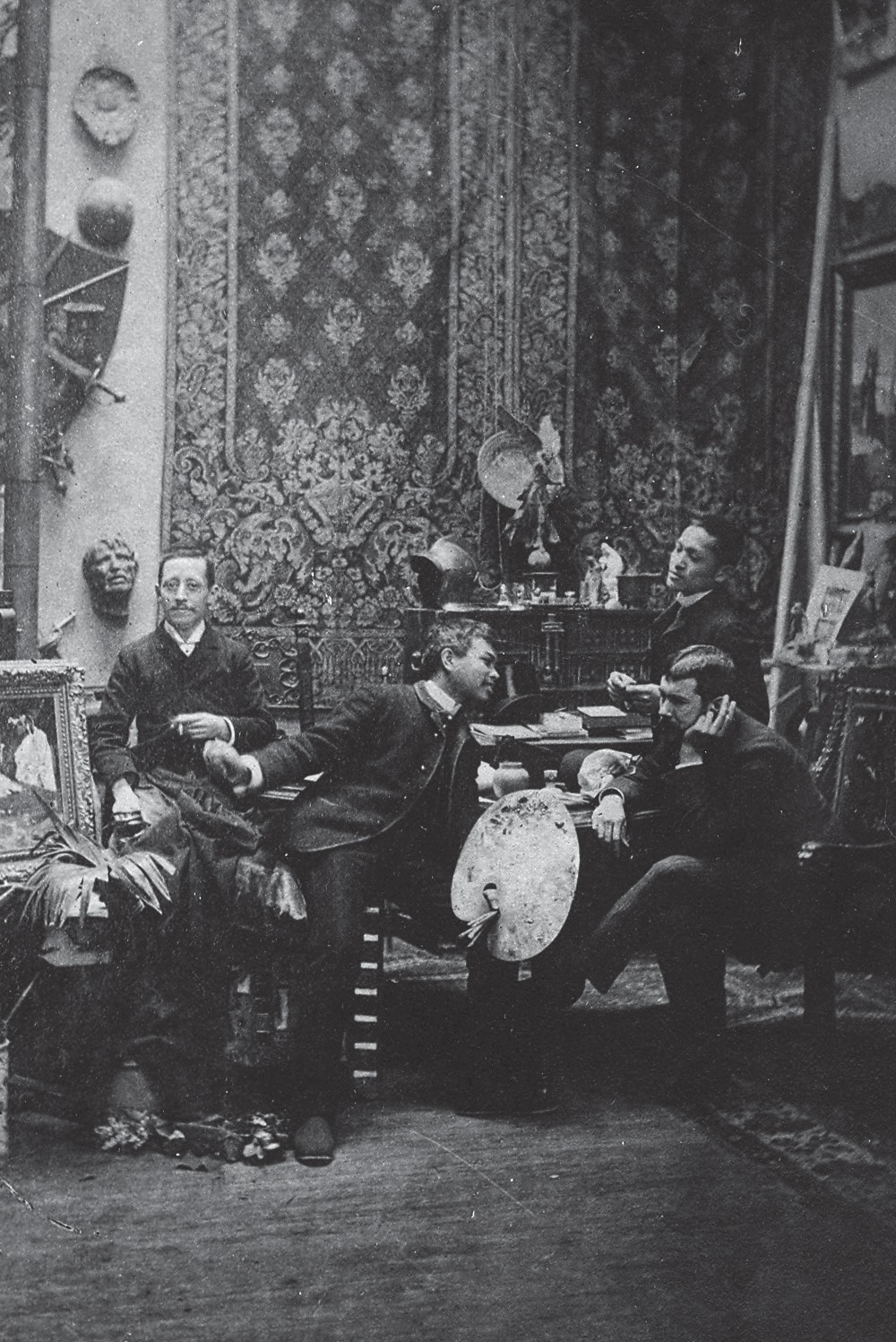
The timeline and journey map connect places and events to the development of his thinking. Students can consider how international education informed a concern for the Philippines, or how public service continued during exile. These activities make biography useful as an explanation rather than a list to memorize. They also show why historical precision matters: a date, location, or institutional setting can change how an action is understood.
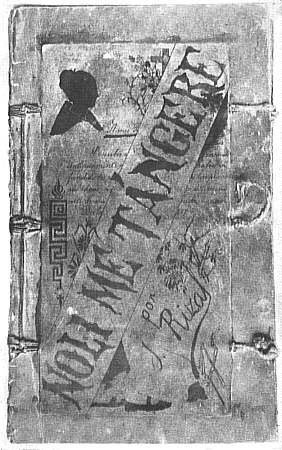
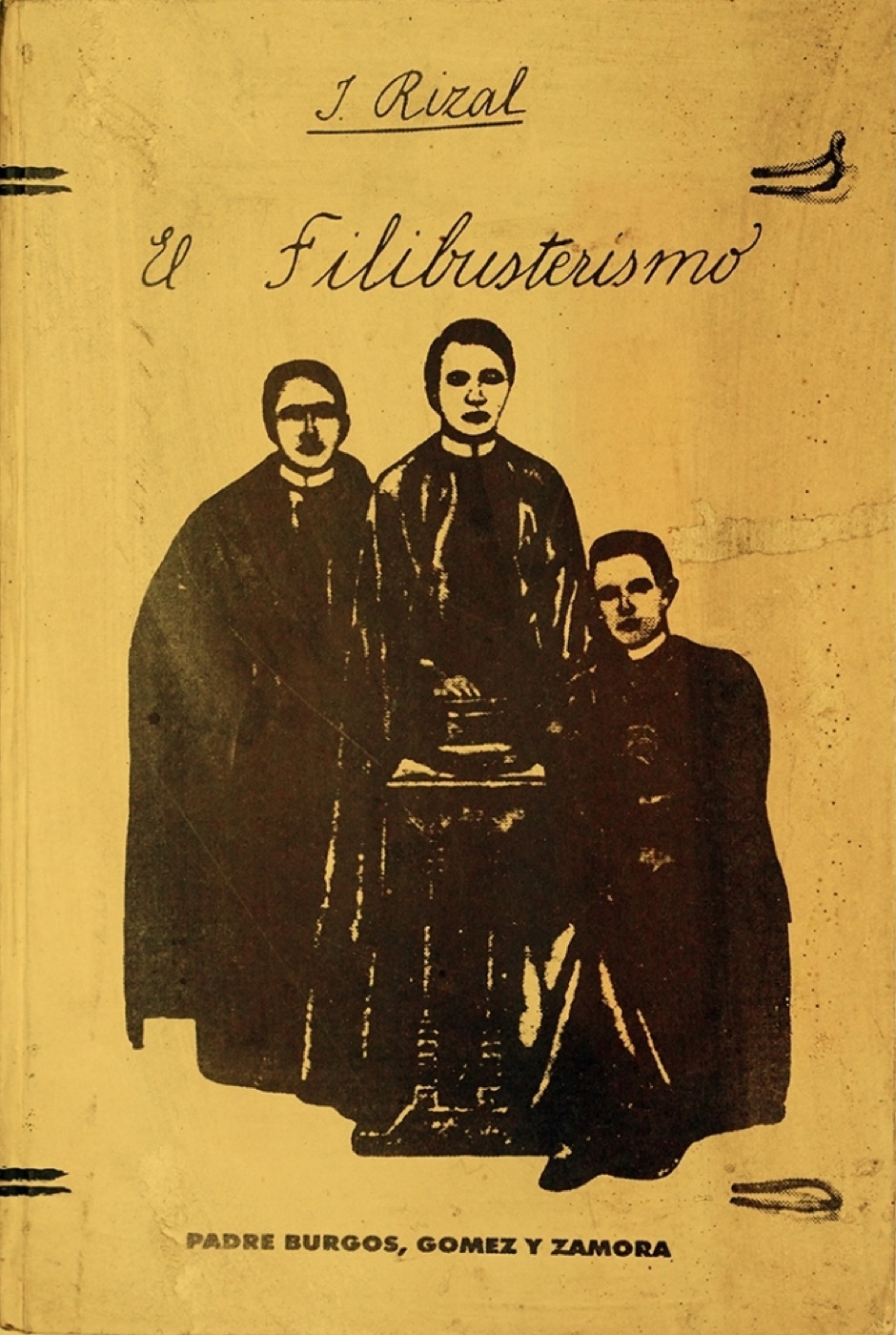
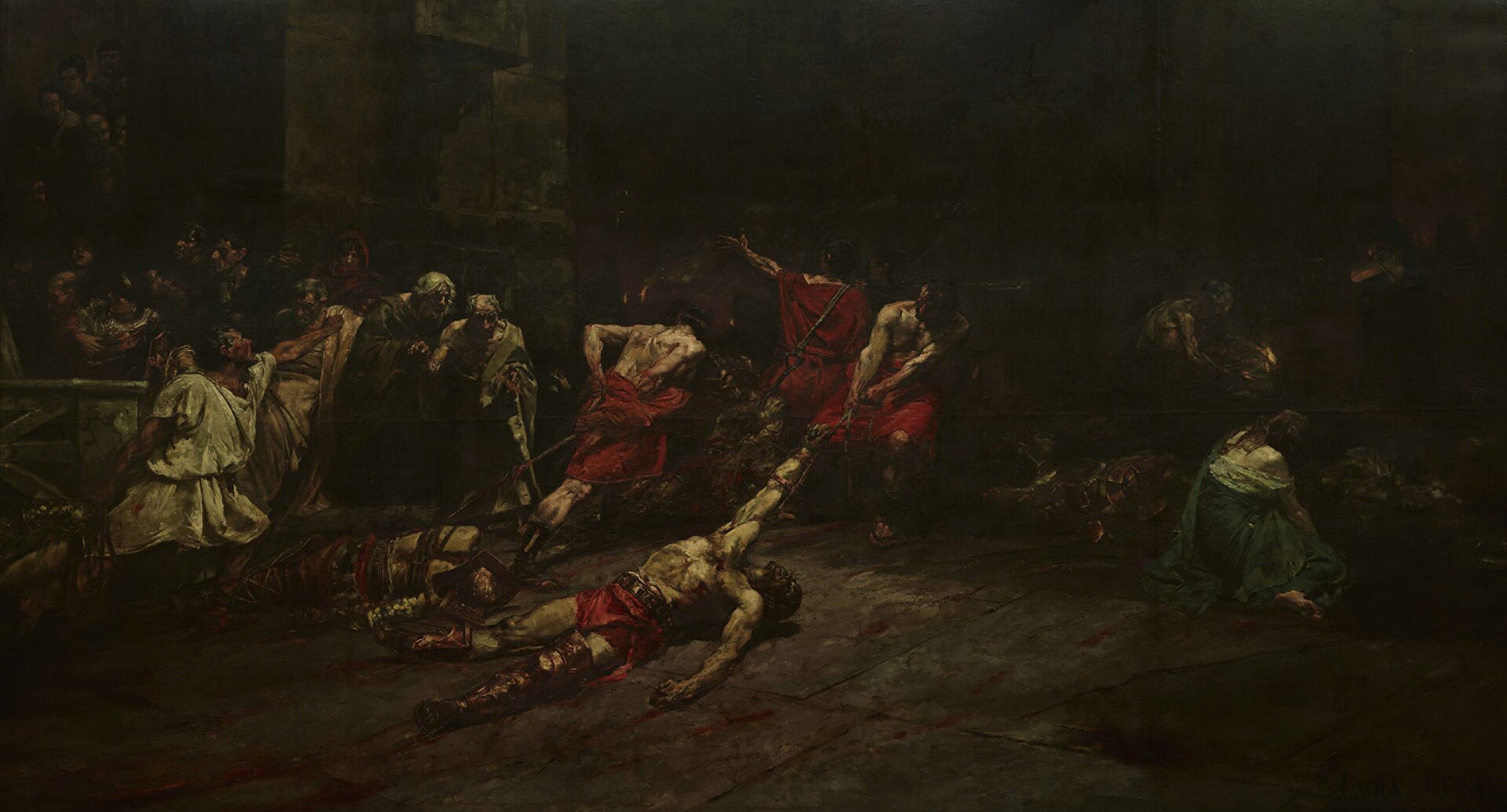
The character explorer approaches Noli Me Tangere and El Filibusterismo as arguments that readers must examine. Ibarra’s school project raises questions about the possibilities and limits of reform. Simoun’s methods invite scrutiny of revenge and the costs imposed on others. Neither character should automatically be treated as Rizal’s direct spokesperson. By separating plot facts from possible interpretations, the website encourages students to support their readings with evidence and remain open to disagreement (Rizal, 1887/1912, 1891/1912).
The decision activities extend this approach. Students encounter fictional situations involving discrimination, censorship, and collective action. Each option protects something while putting something else at risk. A public challenge may make injustice visible while exposing another person to retaliation; private support may provide immediate help while leaving an unfair rule intact. The purpose is to examine reasons, consequences, and consent. These activities are clearly identified as educational interpretations, not reconstructions of Rizal’s personal decisions.
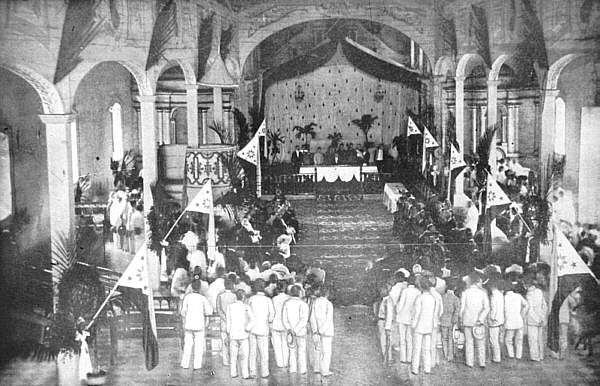
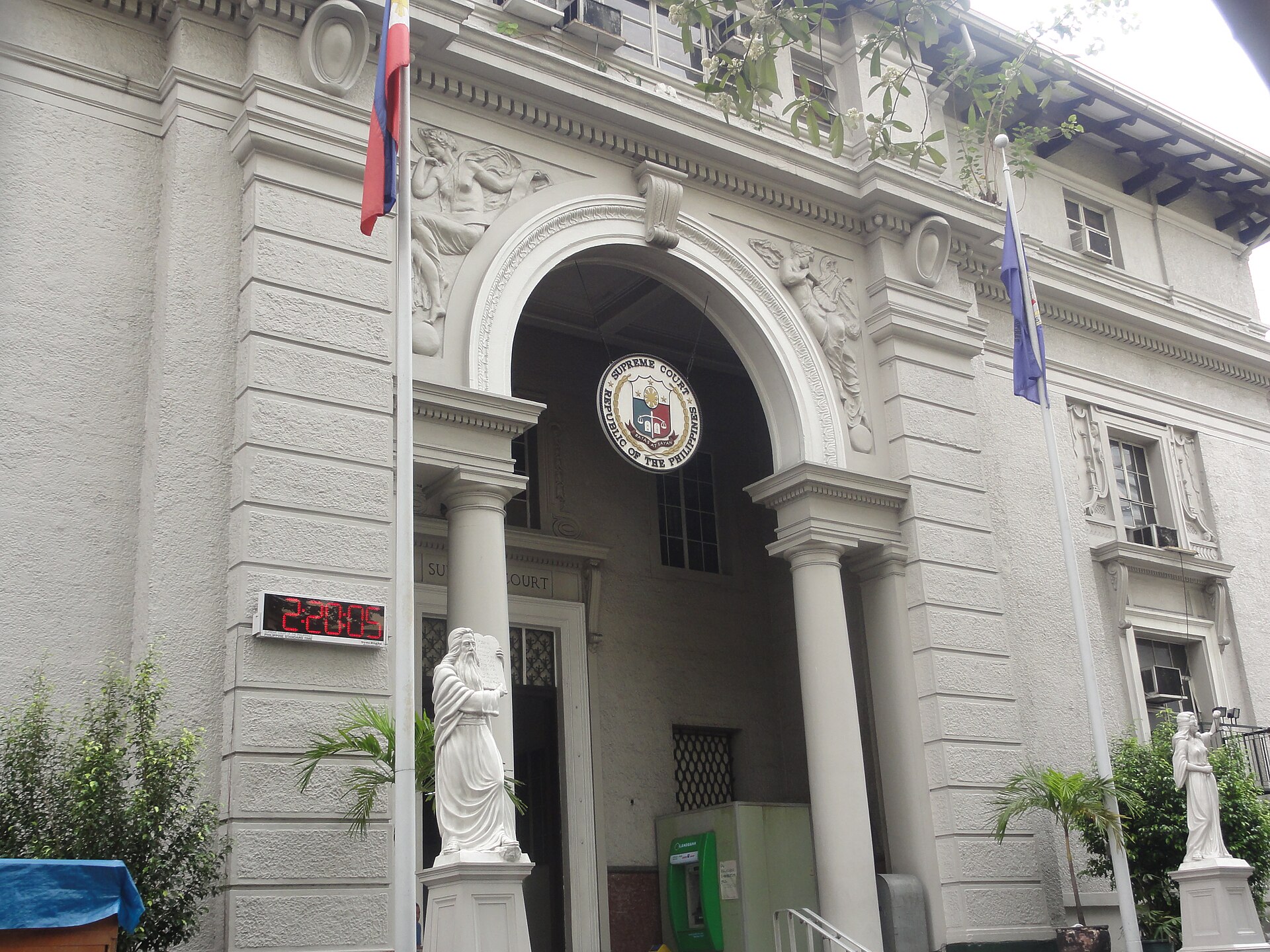
The “Then and Now” module connects historical concerns to civic questions without assuming that the present simply repeats the past. The Philippines is now a sovereign republic with constitutional protections and democratic institutions. Those differences matter. Comparing a novel’s portrayal of power with a constitutional commitment to accountability can begin an investigation, but it cannot establish how well institutions work today. Students are asked what further evidence would be needed rather than given unsupported conclusions (Constitution of the Republic of the Philippines, 1987).
As BS Information Technology students, we see interface design as part of the learning process. Filters help students locate a question, feedback explains quiz answers, and reflection prompts invite an argument beyond the score. The technology serves reading and reasoning. It does not replace primary texts or classroom discussion.
Republic Act No. 1425 establishes the study of Rizal’s life, works, and writings within Philippine education. This project responds to that purpose by making study an active process (Republic Act No. 1425, 1956). Respect for Rizal need not depend on presenting him as flawless. A more thoughtful respect comes from reading carefully, recognizing historical differences, and deciding what civic responsibility requires in our own circumstances.
References & Readings
Constitution of the Republic of the Philippines. (1987). Supreme Court E-Library. View constitutional text in Primary Source Archive ↗
Republic Act No. 1425. (1956, June 12). Supreme Court E-Library. View statutory text in Primary Source Archive ↗
Rizal, J. (1912). The social cancer (C. E. Derbyshire, Trans.). Philippine Education Company. (Original work published 1887). Read primary text in Works & Readings ↗
Rizal, J. (1912). The reign of greed (C. E. Derbyshire, Trans.). Philippine Education Company. (Original work published 1891). Read primary text in Works & Readings ↗