The exhibition
in pictures.

Portraits, family photographs, present-day sites, book covers, and documents. Each caption names what the image is—and what it is not.
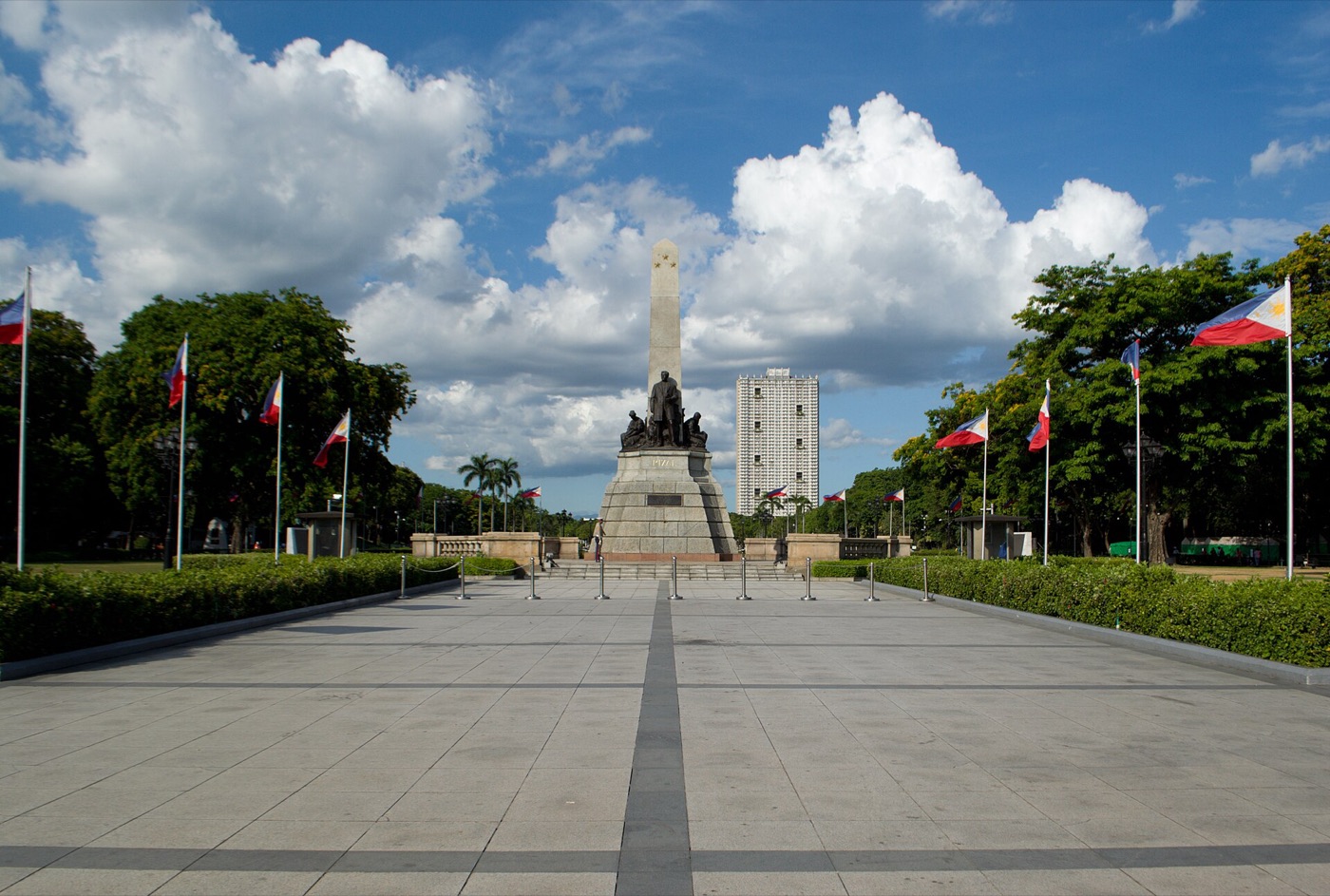
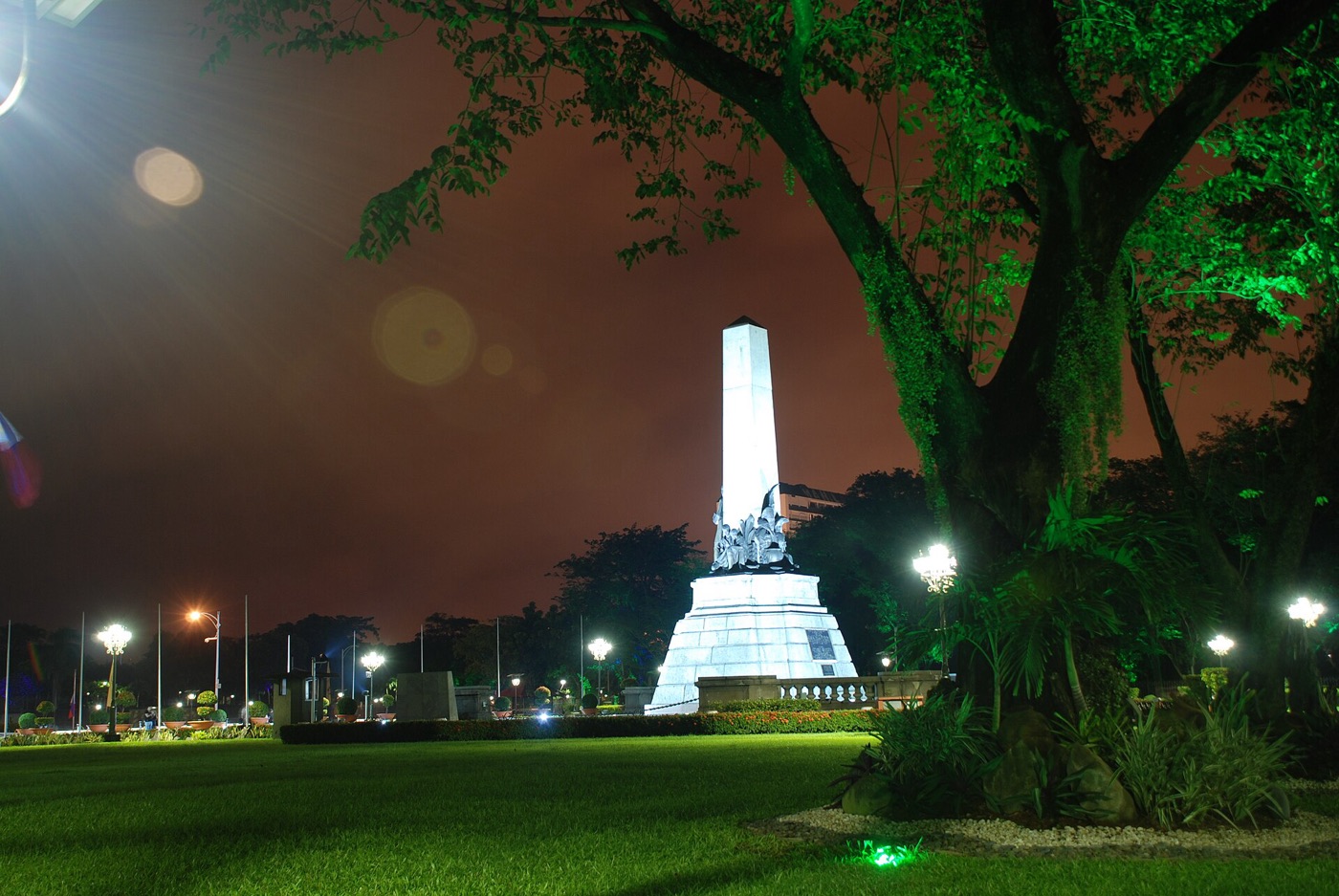
The Rizal Monument in Manila photographed in 2024
The same monument in 2024: national memory is also a maintenance project. Ernest Malsin, CC BY 4.0, via Wikimedia Commons.

Look closely.
Then look again.
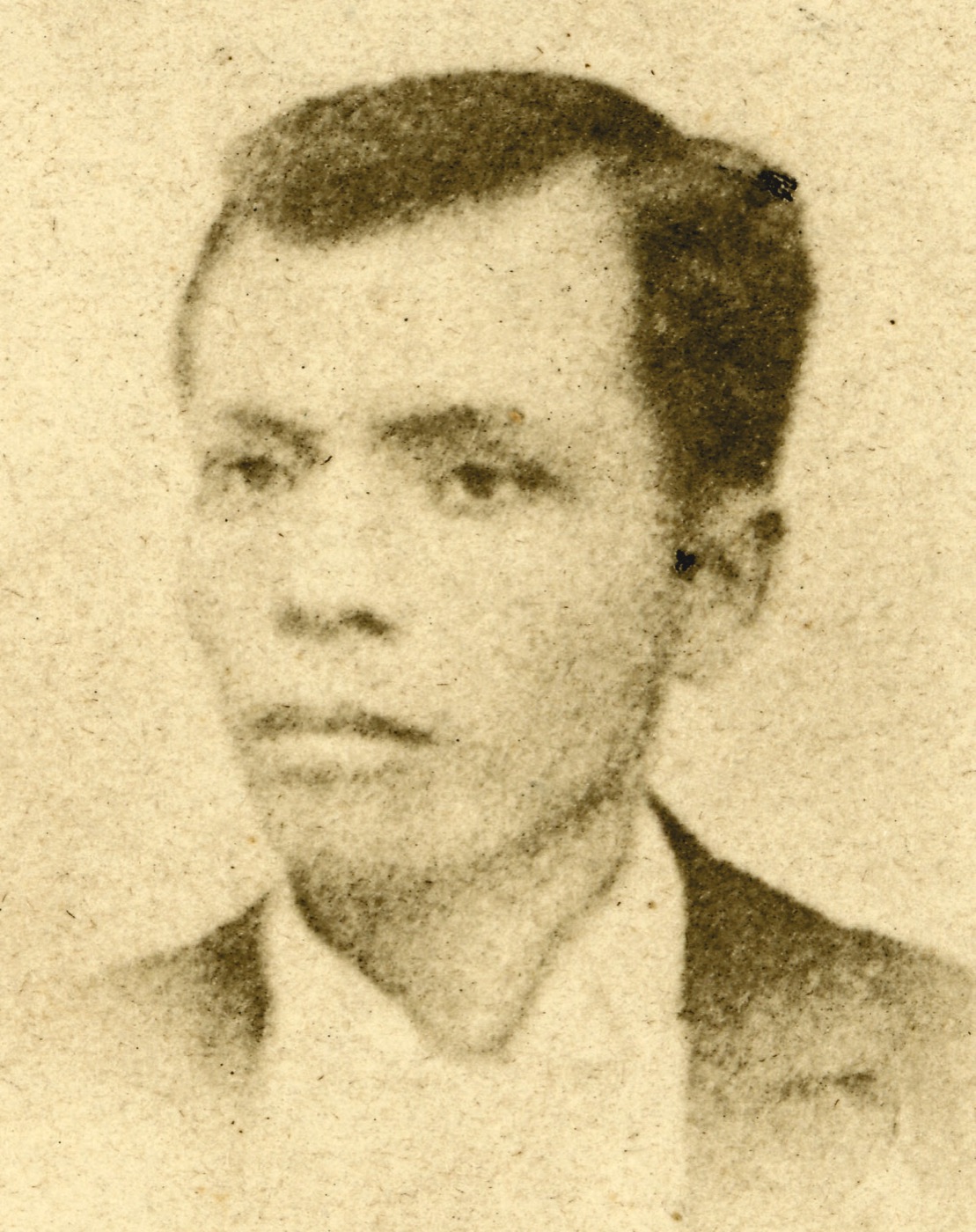
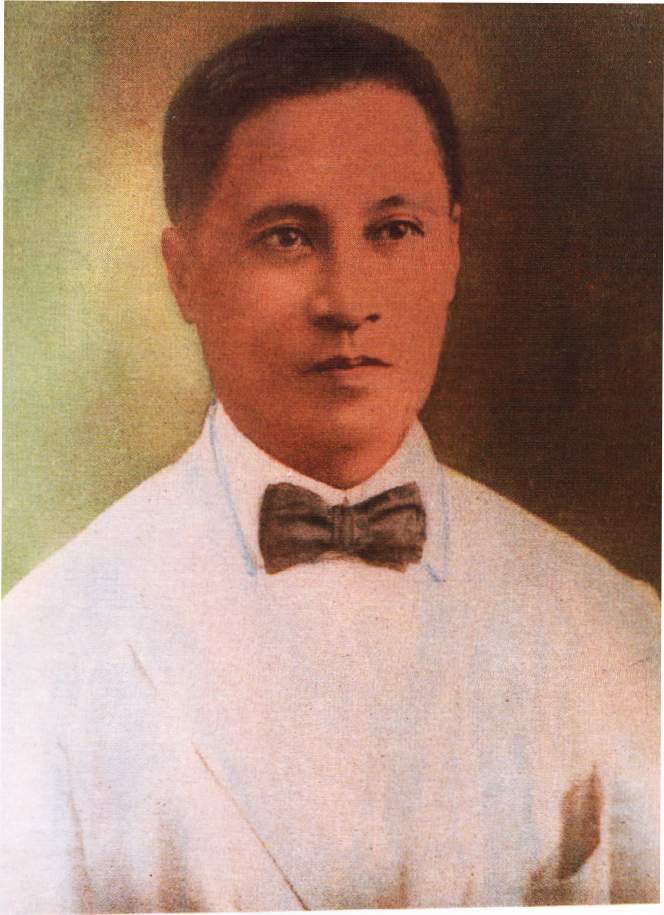
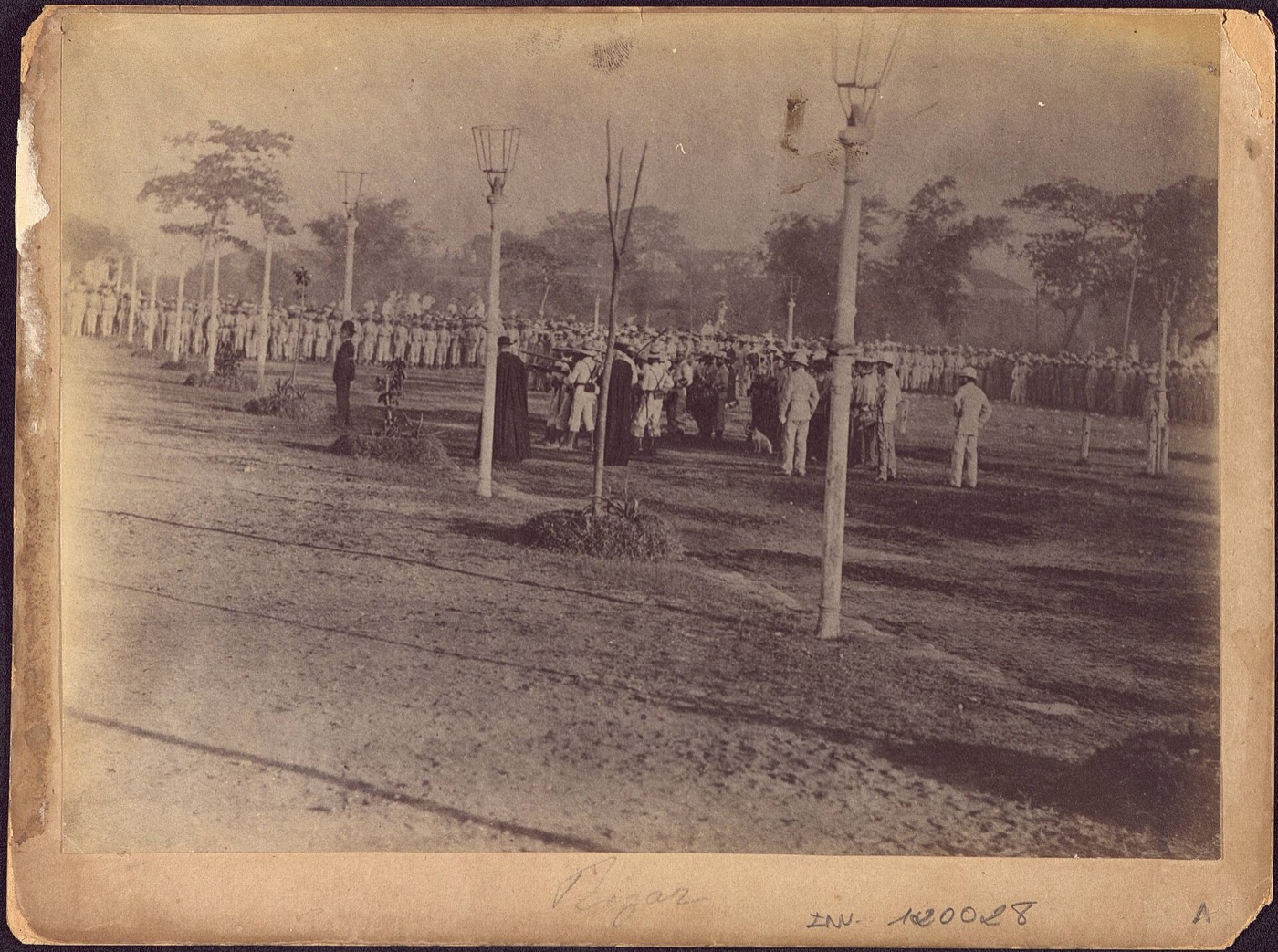
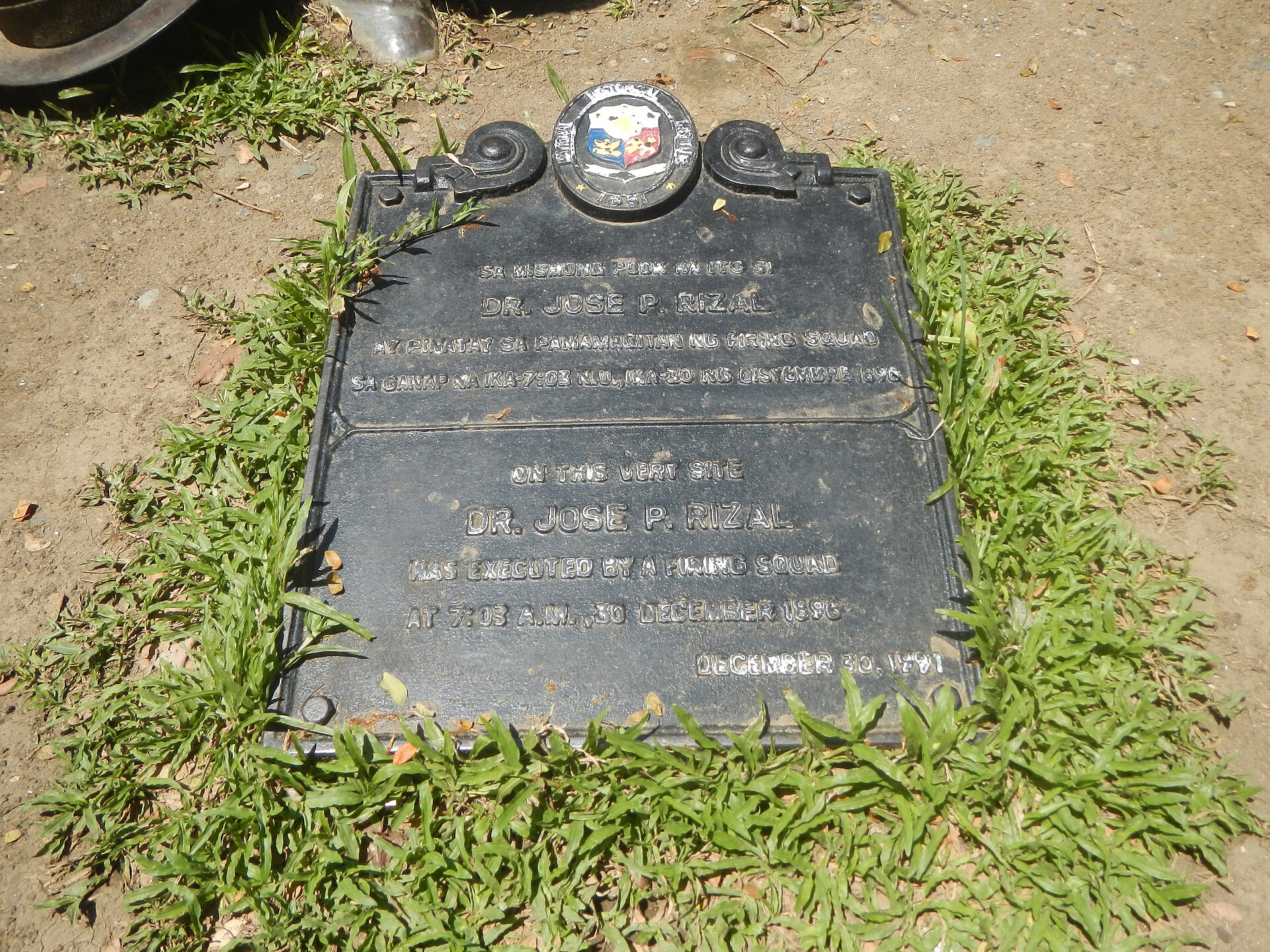
An archival photograph is not a neutral window. Its date, maker, and purpose matter. Present-day photographs of memorials show how a nation remembers now; they are not evidence of the past they commemorate.
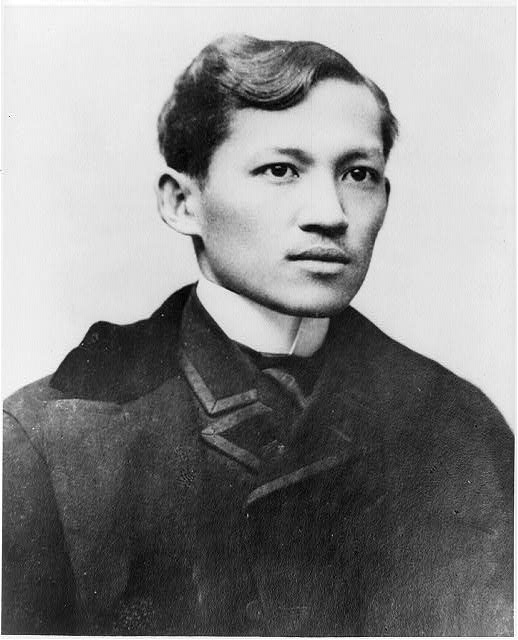
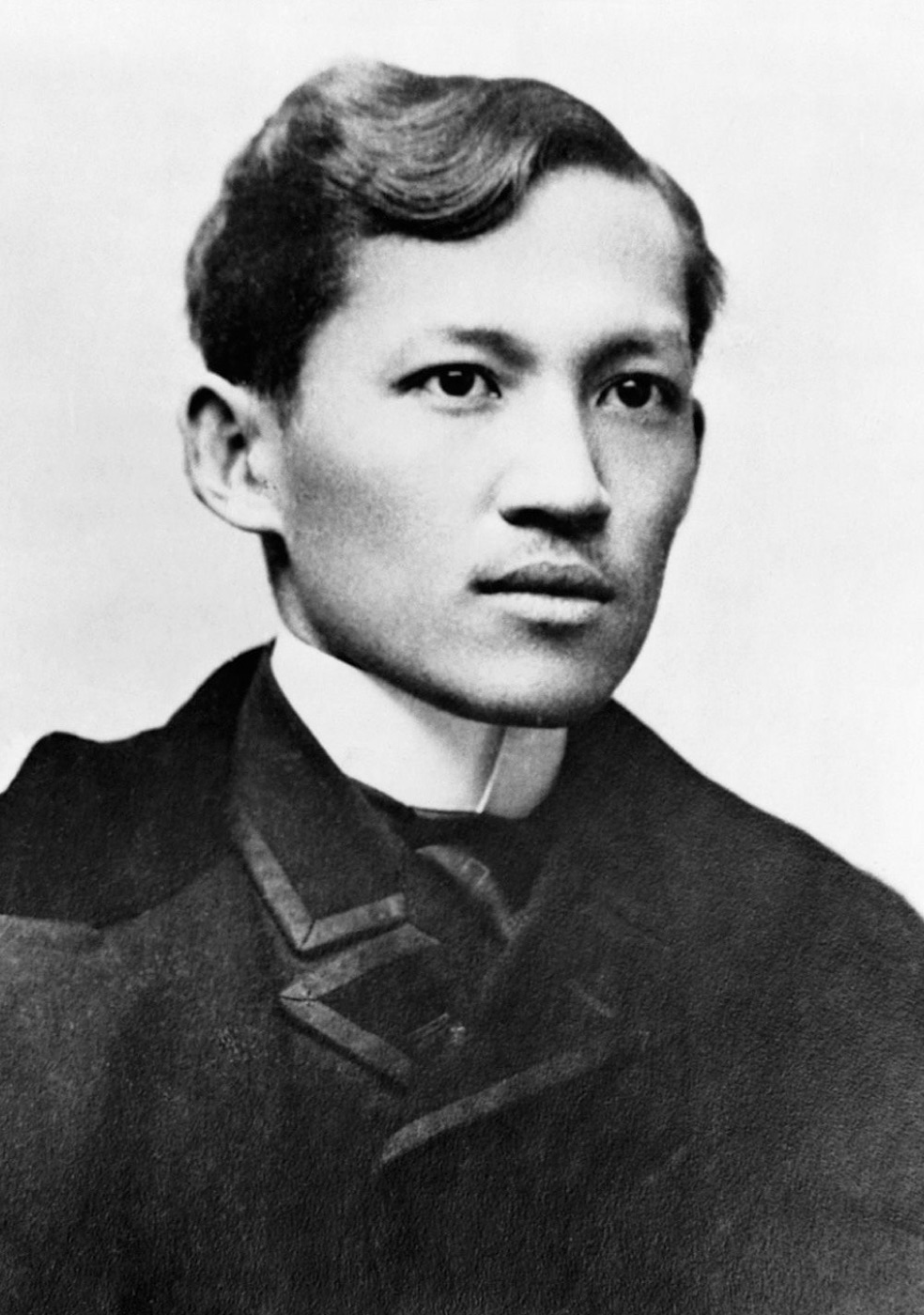
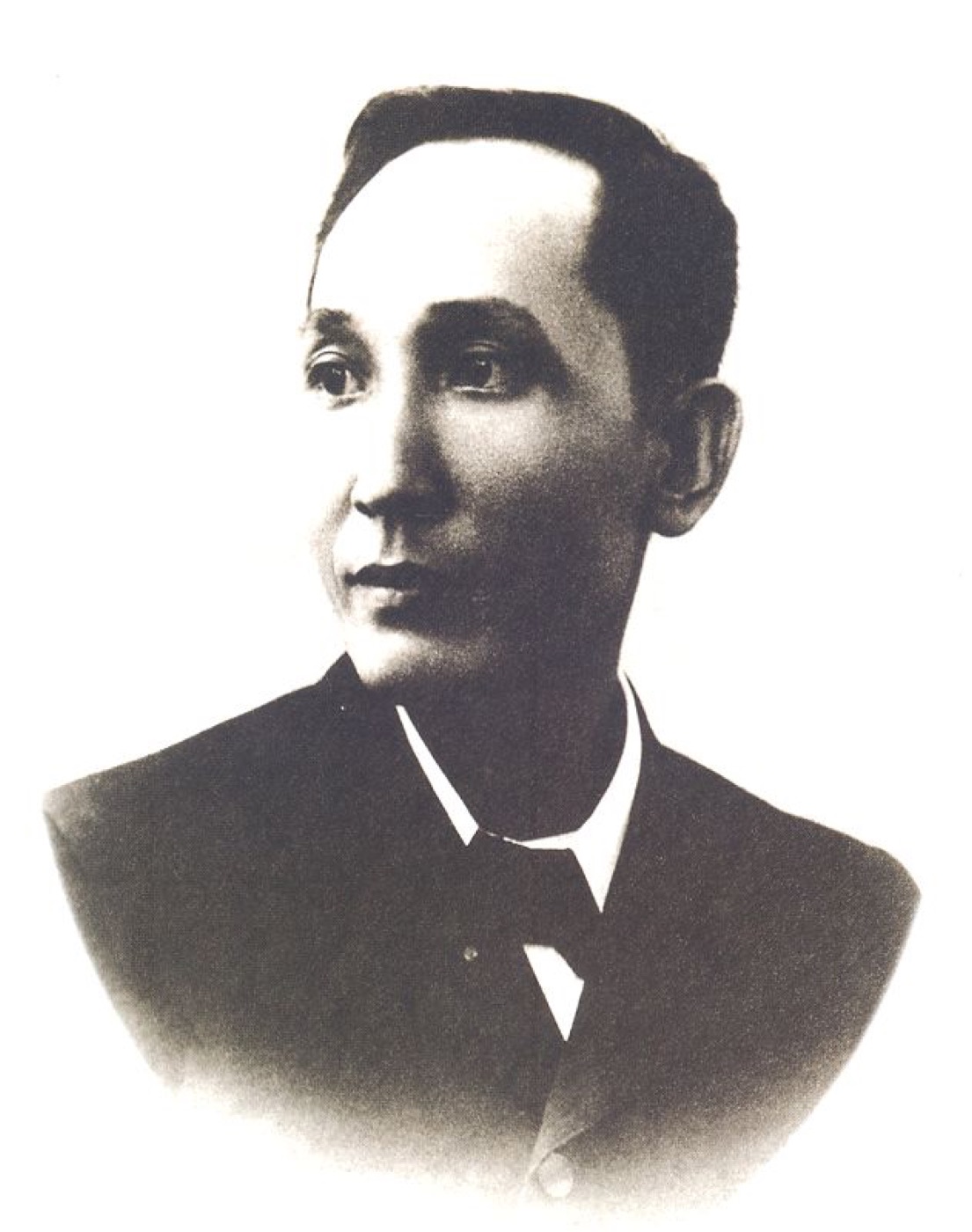
Archival bust portrait of José Rizal, facing left
The project’s primary archival portrait of Rizal, from the Library of Congress.Library of Congress, LC-USZ62-43453. No known restrictions on publication.
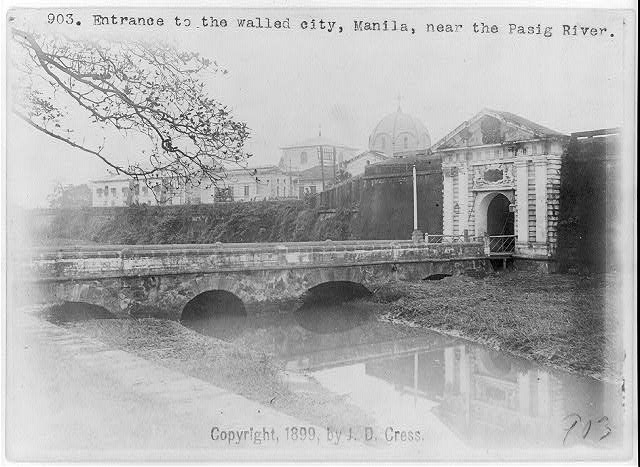
Entrance to Manila’s walled city, photograph cataloged circa 1899
Entrance to the walled city near the Pasig River, cataloged circa 1899.J. Dress, c. 1899. Library of Congress, LC-USZ62-60796. No known restrictions.
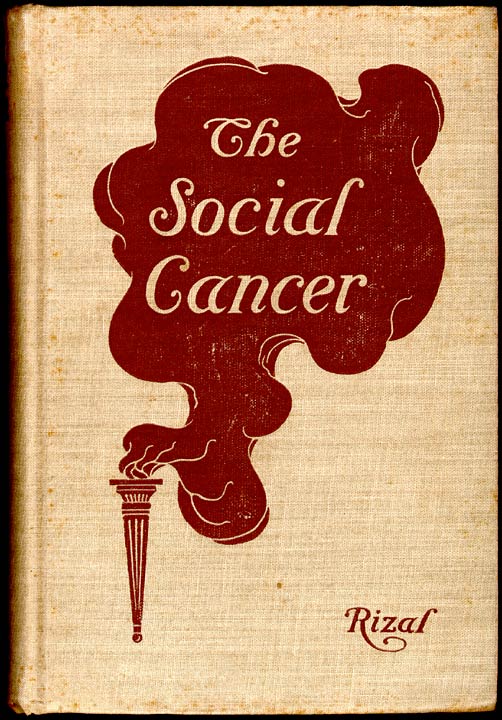
Digitized cover of The Social Cancer, 1912 English edition
The 1912 Derbyshire translation of Noli Me Tangere, digitized by Project Gutenberg.Project Gutenberg ebook 6737. Public-domain edition.
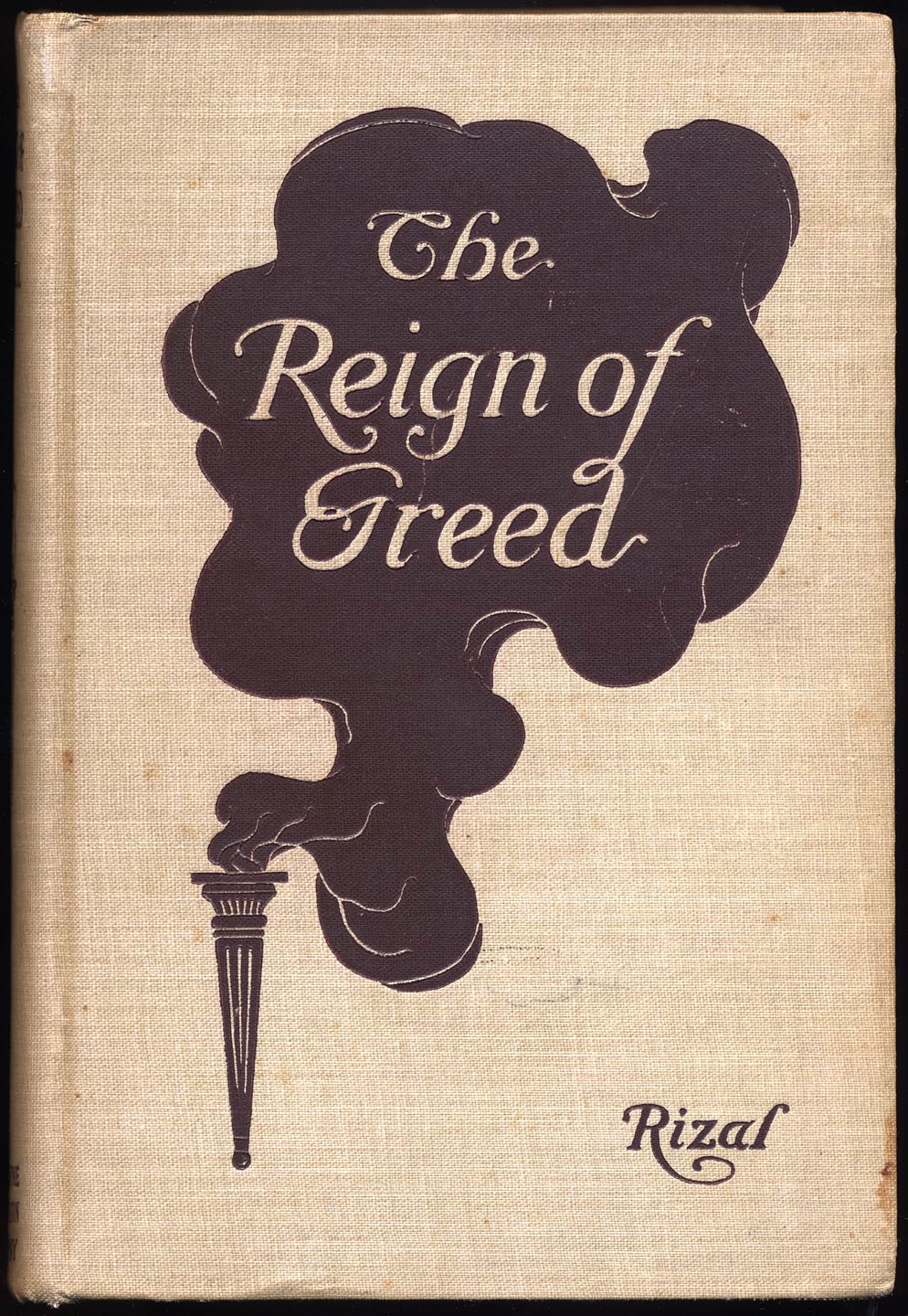
Digitized cover of The Reign of Greed, 1912 English edition
The 1912 Derbyshire translation of El Filibusterismo, digitized by Project Gutenberg.Project Gutenberg ebook 10676. Public-domain edition.
José Rizal in a studio portrait, seated and facing slightly left
José Rizal, studio portrait from the 1890s.Unknown photographer, 1890s. Public domain.
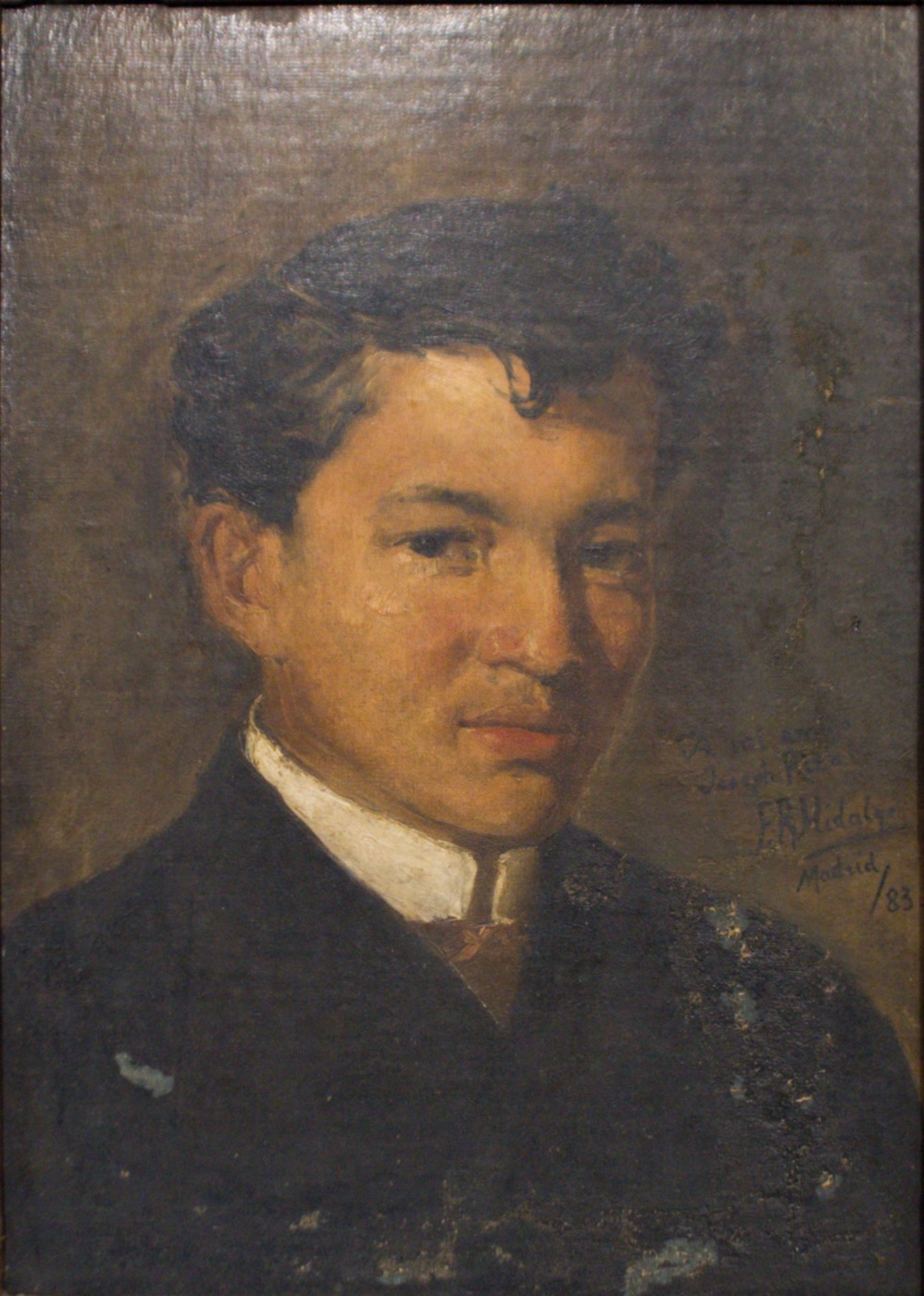
Painted portrait of a young José Rizal, 1883
A young Rizal in 1883, around the time he left for Europe.Portrait dated 1883. Public domain.
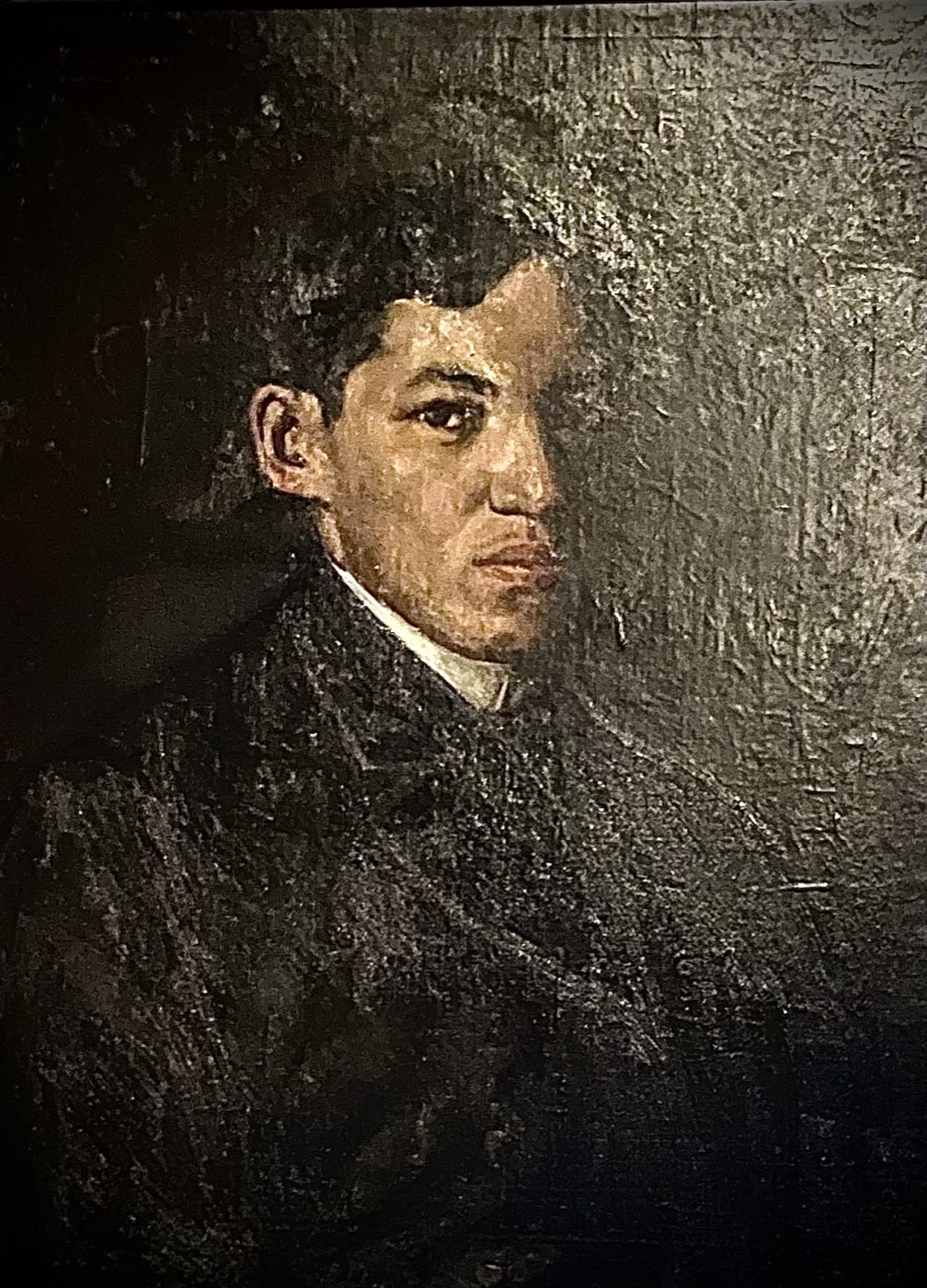
1891 portrait of José Rizal by Telesforo Sucgang
Rizal in 1891, the year El Filibusterismo appeared in Ghent.Telesforo Sucgang, 1891. Wikimedia Commons, CC0.
Bust portrait of José Rizal in 1896
José Rizal in 1896, the final year of his life.Unknown photographer, 1896. Public domain.
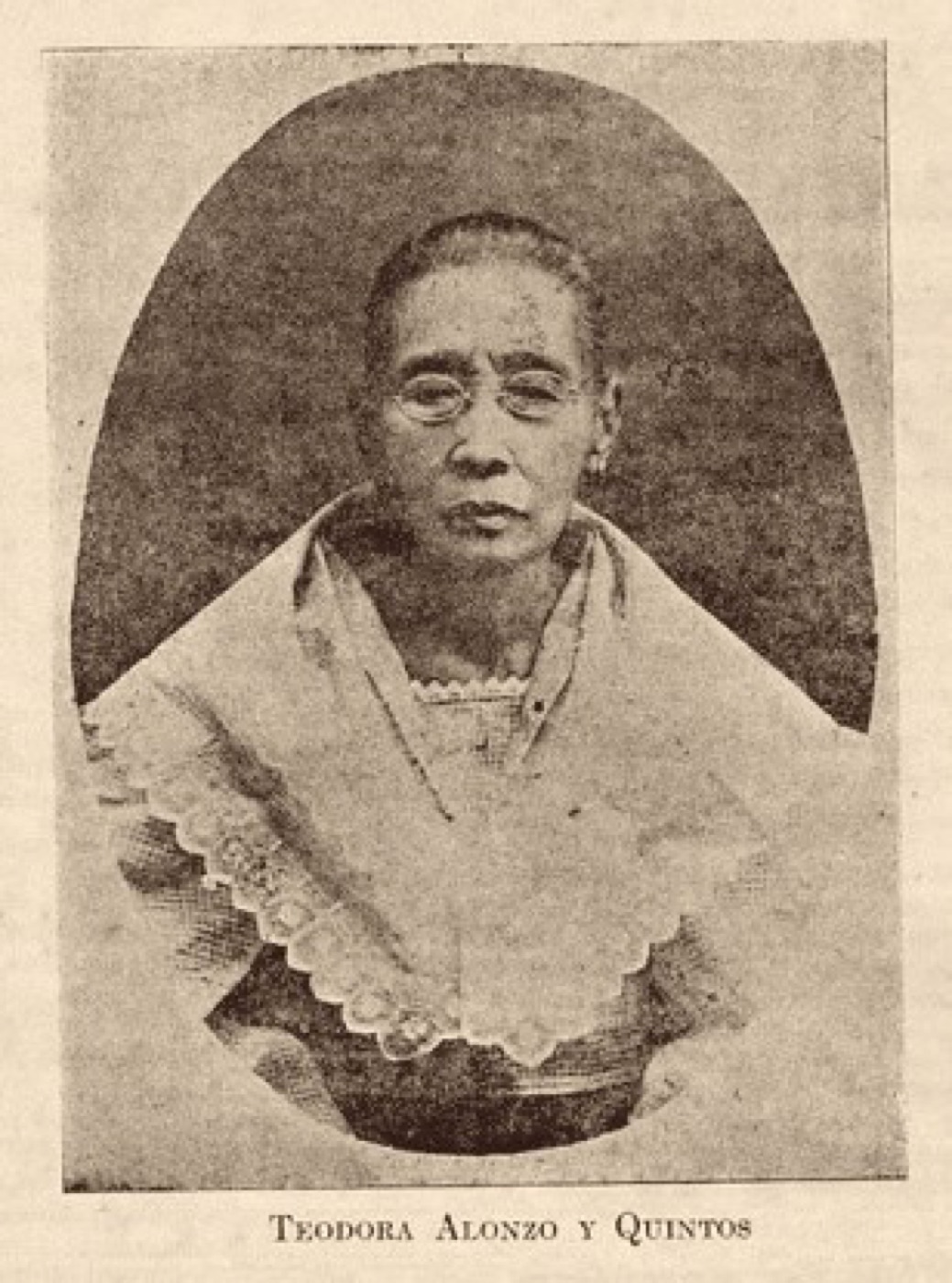
Portrait of Teodora Alonso y Quintos, Rizal’s mother
Teodora Alonso y Quintos, Rizal’s first teacher and strongest early influence.Reproduced in Pascual Hicaro Poblete, Buhay at Mga Ginawa ni Dr. Jose Rizal (1909). Public domain.
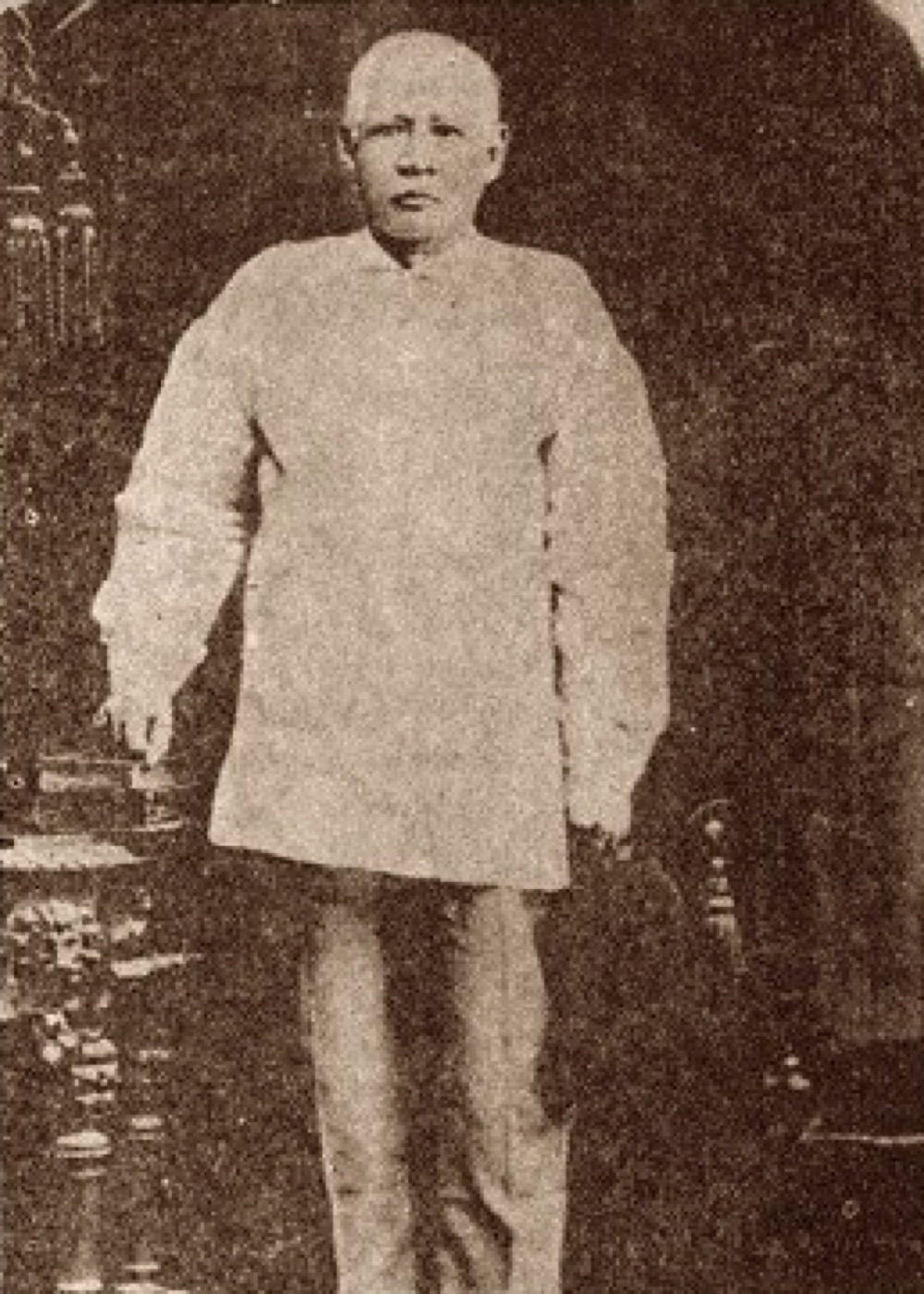
Portrait of Francisco Rizal Mercado, Rizal’s father
Francisco Rizal Mercado, the family’s tenant farmer and patriarch.Reproduced in Pascual Hicaro Poblete, Buhay at Mga Ginawa ni Dr. Jose Rizal (1909). Public domain.
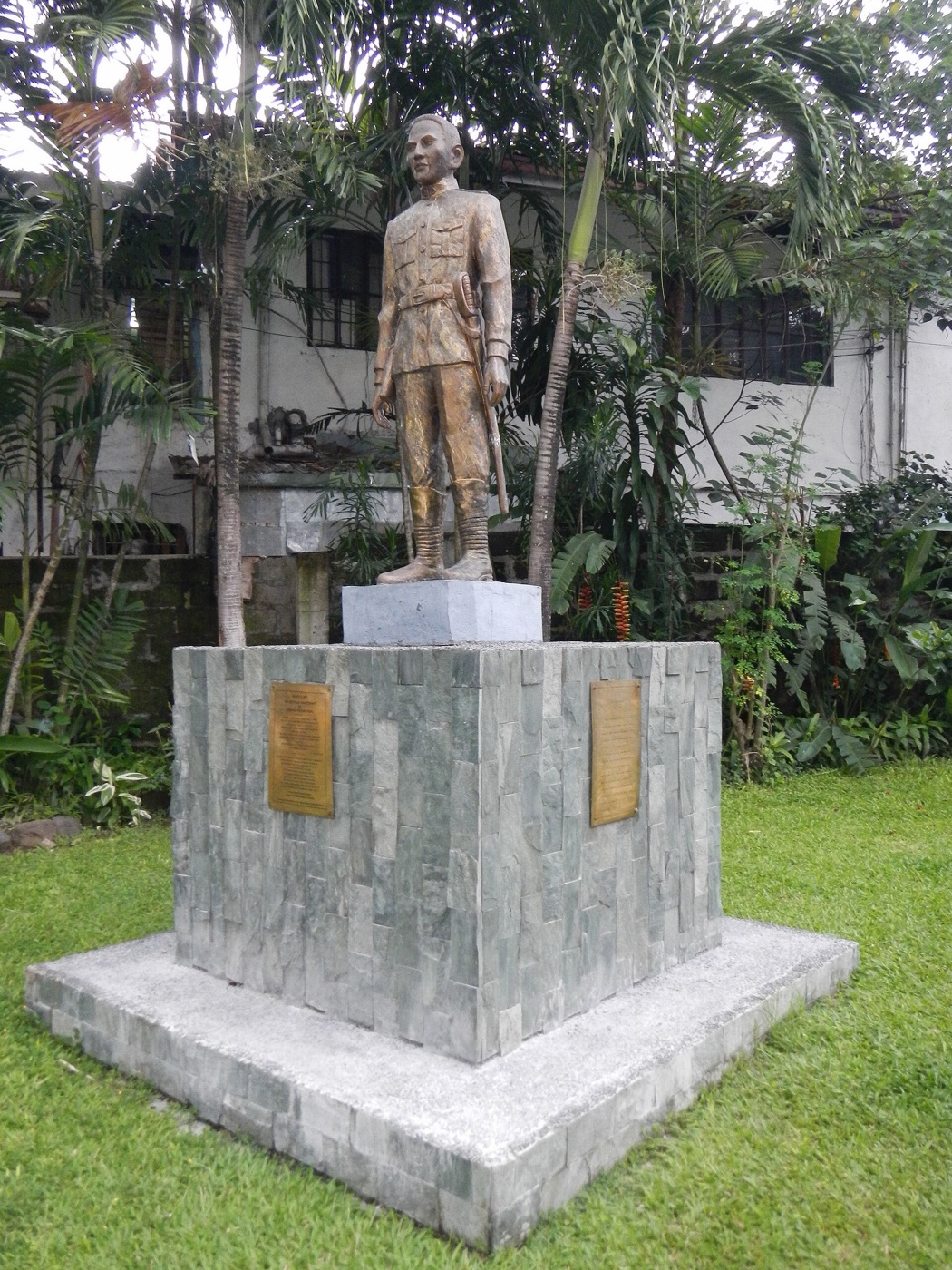
Monument and tomb of Paciano Rizal in Los Baños, Laguna
The Paciano Rizal monument and tomb in Los Baños. Paciano supported his brother’s studies and joined the revolution.Ramon FVelasquez, CC BY-SA 3.0, via Wikimedia Commons.
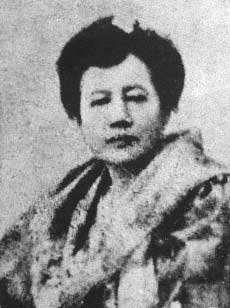
Portrait of Saturnina Rizal Hidalgo, Rizal’s eldest sister
Saturnina Rizal Hidalgo (Neneng), Rizal’s eldest sister and lifelong confidante.Photograph, late 19th century. Public domain.
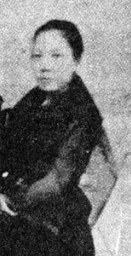
Portrait of Trinidad Rizal, sister of José Rizal
Trinidad Rizal, who received the cooking lamp containing Mi Último Adiós on the eve of Rizal’s execution.Photograph, c. 1900. Public domain.
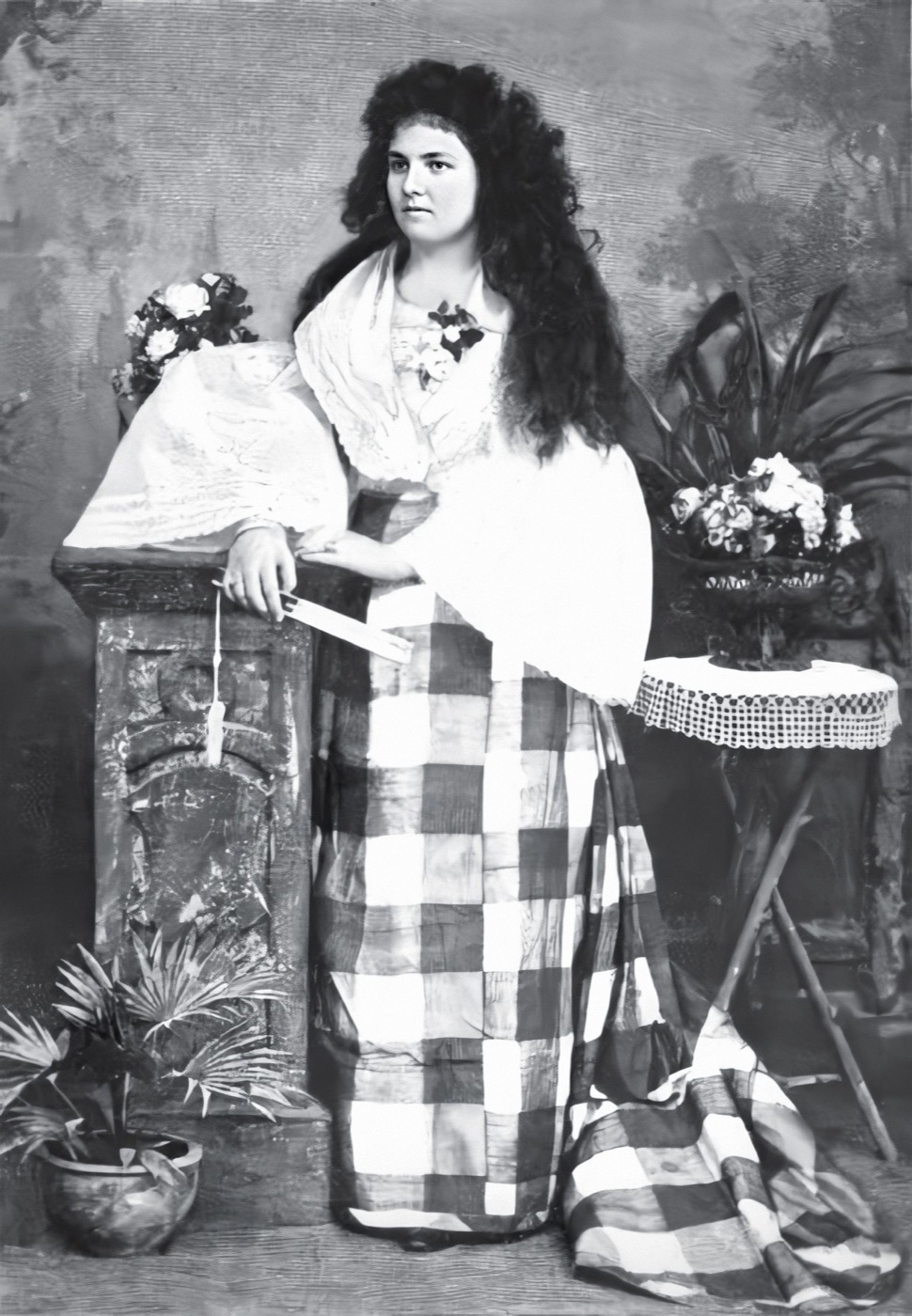
Portrait of Josephine Bracken in traditional dress
Josephine Bracken, Rizal’s companion in Dapitan.Austin Craig, Lineage, Life and Labors of José Rizal (1913). Public domain.
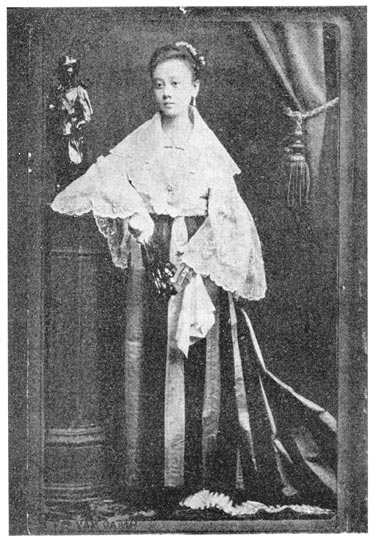
Portrait of Leonor Rivera, childhood sweetheart of José Rizal
Leonor Rivera, Rizal’s sweetheart for over a decade and the real-life inspiration for María Clara.Studio photograph, late 19th century. Public domain.
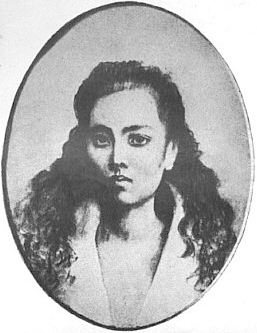
Crayon sketch of Leonor Rivera drawn by José Rizal
Crayon sketch of Leonor Rivera drawn by José Rizal during their youth.José Rizal, c. 1880s. Public domain.
Portrait of Marcelo H. del Pilar
Marcelo H. del Pilar, editor of La Solidaridad and leader of the Propaganda Movement.Unknown photographer, c. 1890. Public domain.
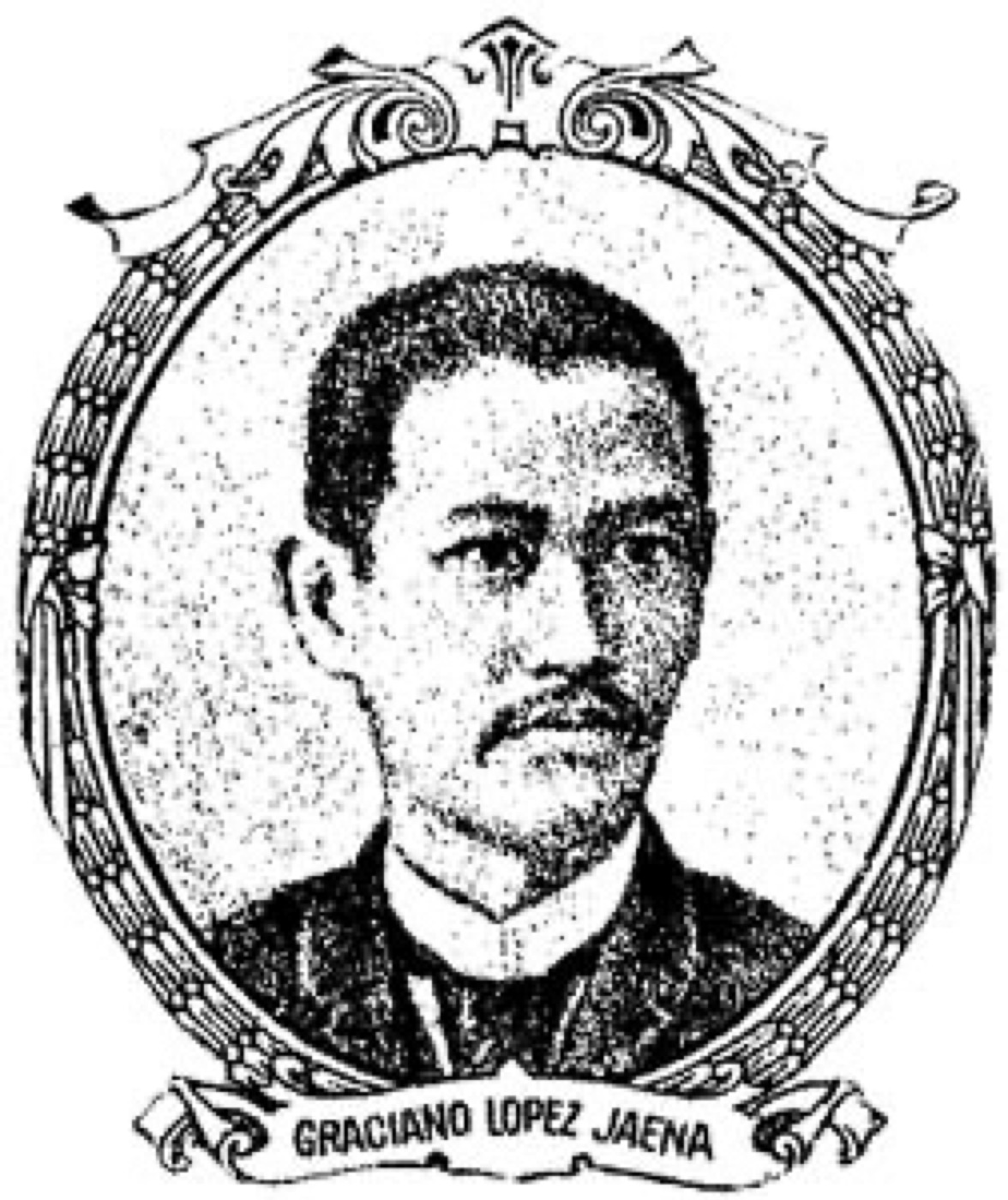
Portrait of Graciano López Jaena
Graciano López Jaena, orator and first editor of La Solidaridad.Jose N. Sevilla, Mga Dakilang Pilipino (1922). Public domain.
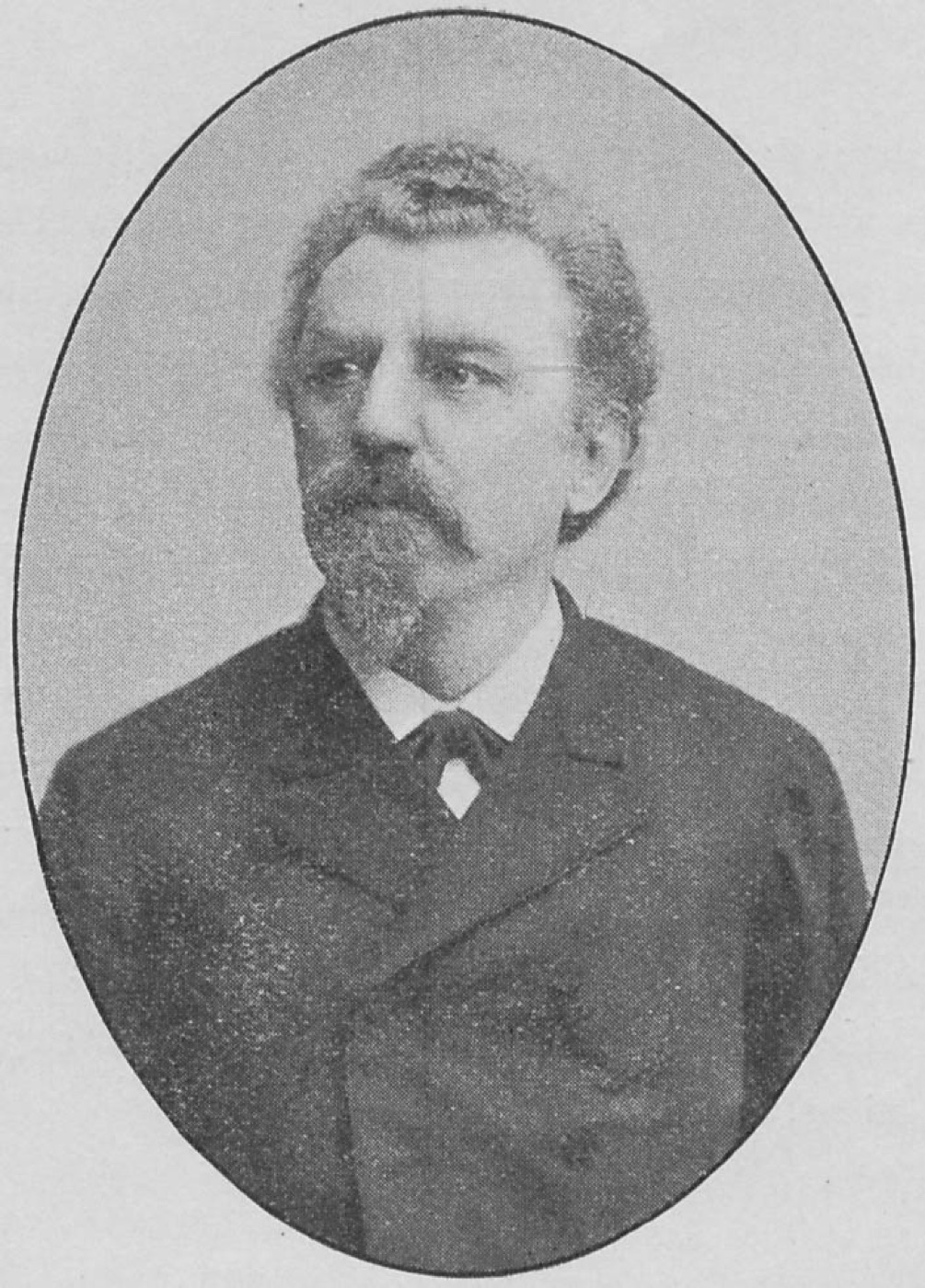
Portrait of Ferdinand Blumentritt
Ferdinand Blumentritt, the Austrian scholar and closest European friend of Rizal.Onze Musici (1898). Public domain.
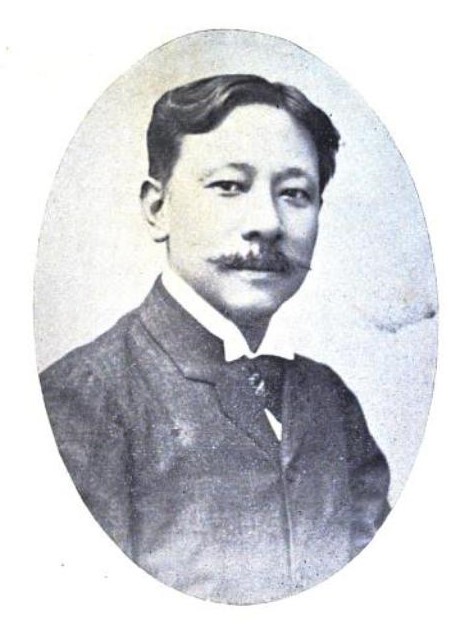
Portrait of Dr. Máximo Viola
Dr. Máximo Viola, Rizal’s friend and the financier who helped publish Noli Me Tangere in Berlin.Portrait via Geni / Wikimedia Commons, CC BY-SA 4.0.
Portrait of painter Juan Luna
Juan Luna, master painter of Spoliarium and close companion of Rizal in Europe.Pascual Poblete, Buhay at Mga Ginawa ni Dr. Jose Rizal (1909). Public domain.
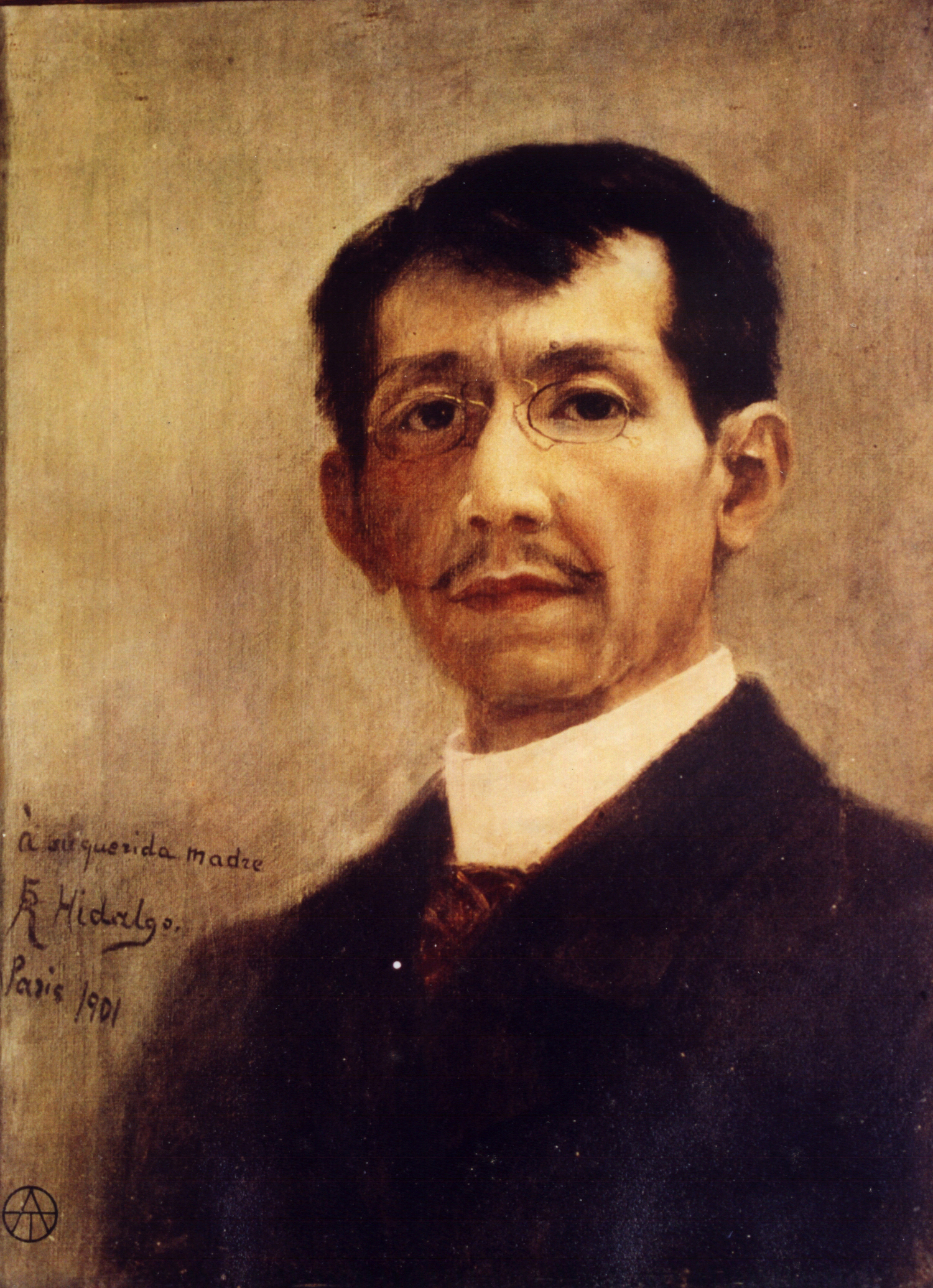
Self-portrait of painter Félix Resurrección Hidalgo
Félix Resurrección Hidalgo, companion of Rizal and Luna and master of Filipino painting.Félix Resurrección Hidalgo, c. 1890s. Public domain.
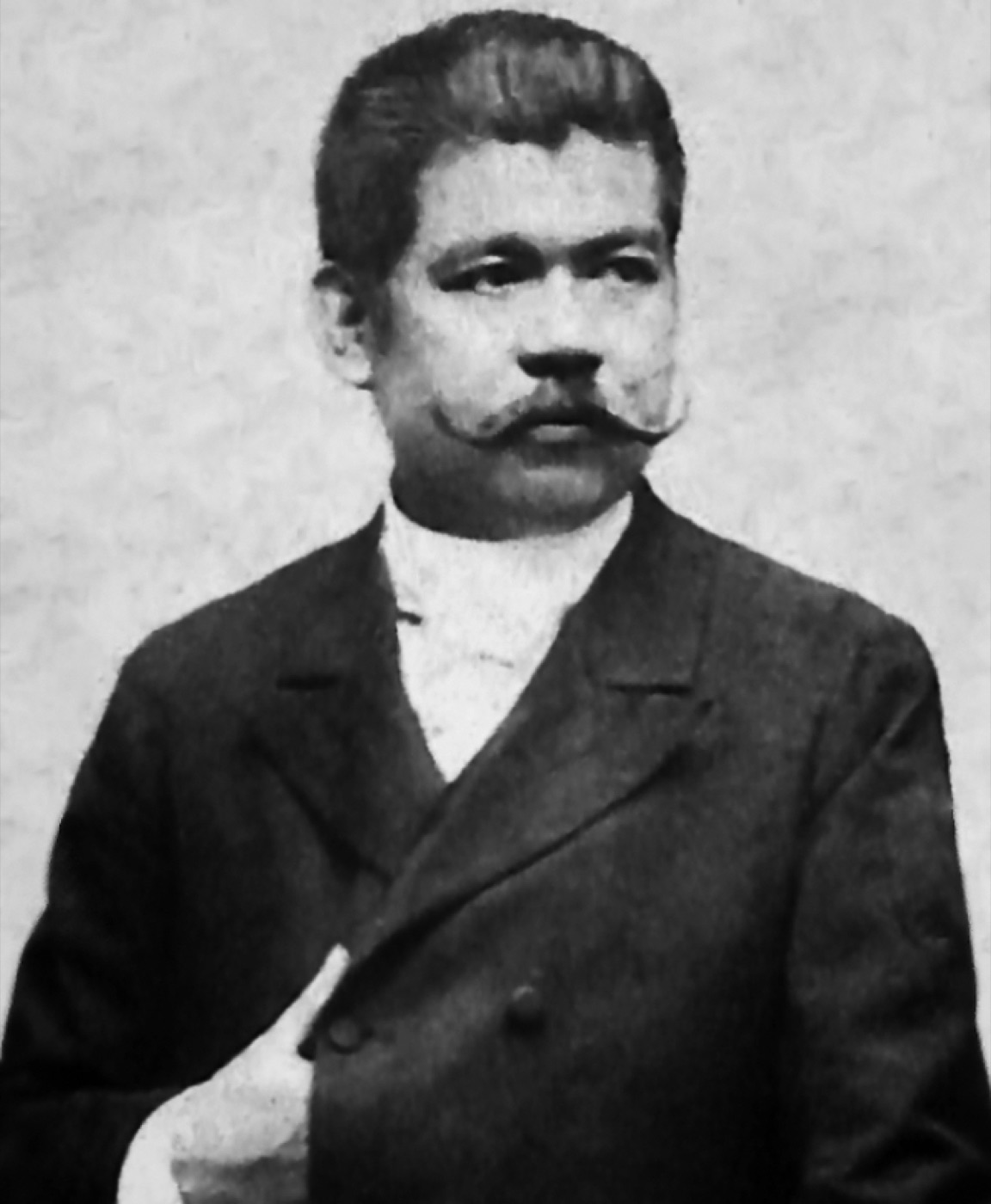
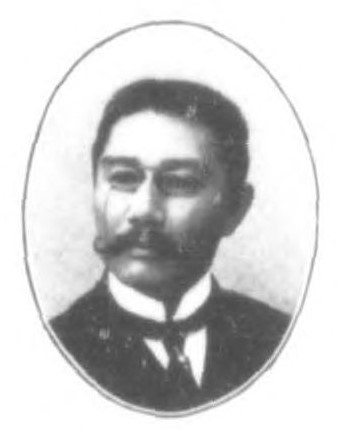
Portrait of Mariano Ponce
Mariano Ponce, managing editor of La Solidaridad, historian, and Rizal’s trusted correspondent.Photograph, c. 1890s. Public domain.
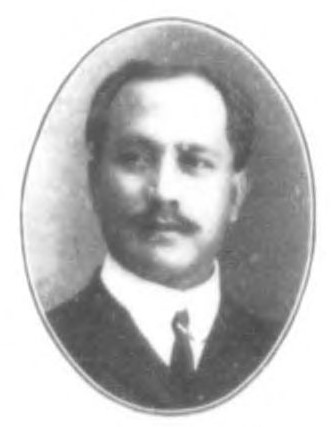
Portrait of Dr. Galicano Apacible
Dr. Galicano Apacible, Rizal’s cousin and first president of La Solidaridad in Barcelona.Photograph, late 19th century. Public domain.
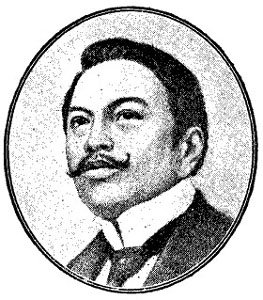
Portrait of Pedro Alejandro Paterno
Pedro Alejandro Paterno, author of Nínay (1885) and host of Filipino gatherings in Madrid.Jose N. Sevilla, Mga Dakilang Pilipino (1922). Public domain.
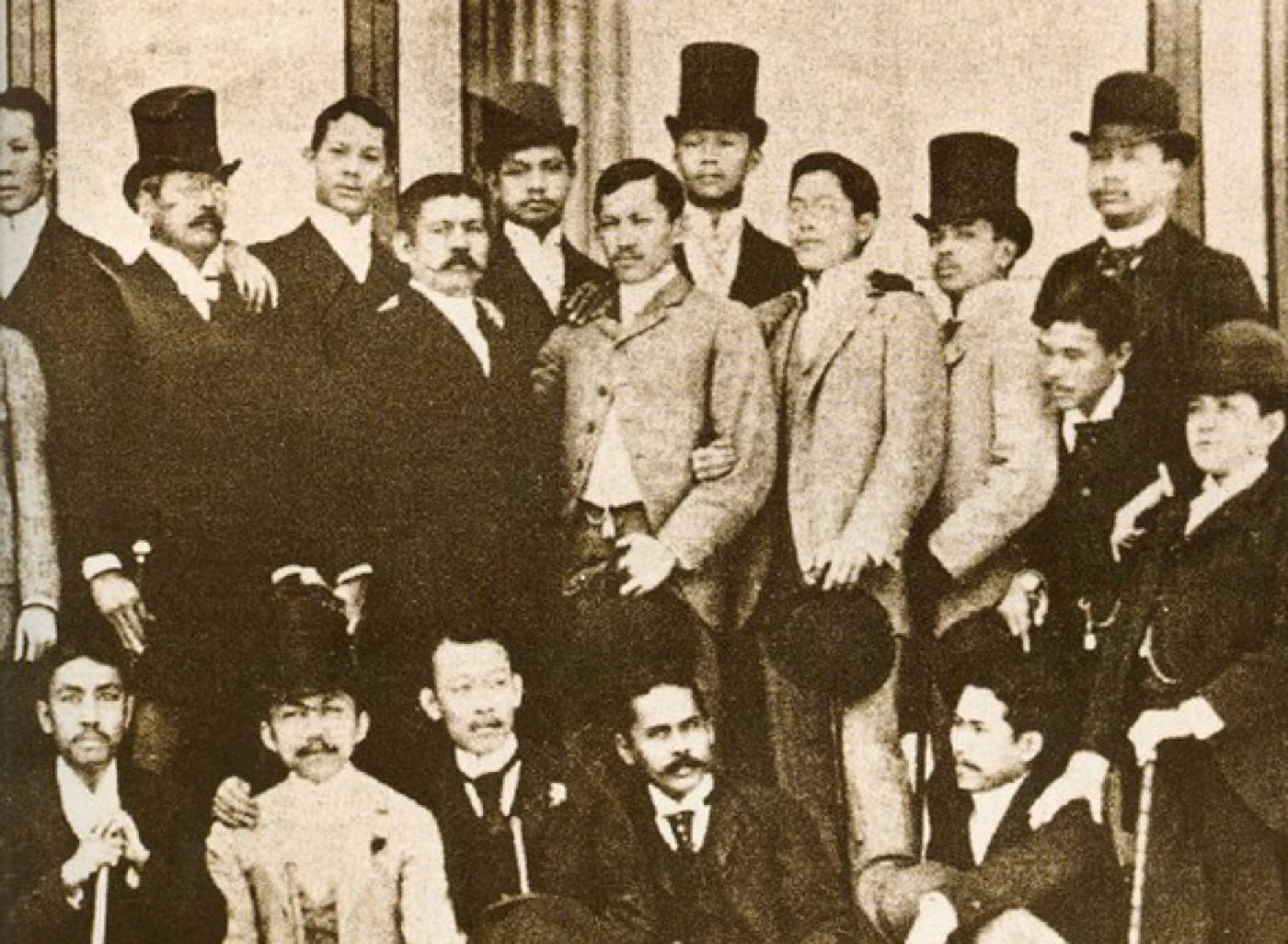
Group portrait of José Rizal, Marcelo del Pilar and other Filipinos in Madrid
Rizal (centre) with Marcelo del Pilar and other Filipino expatriates in Madrid.Unknown photographer, late nineteenth century. Public domain.
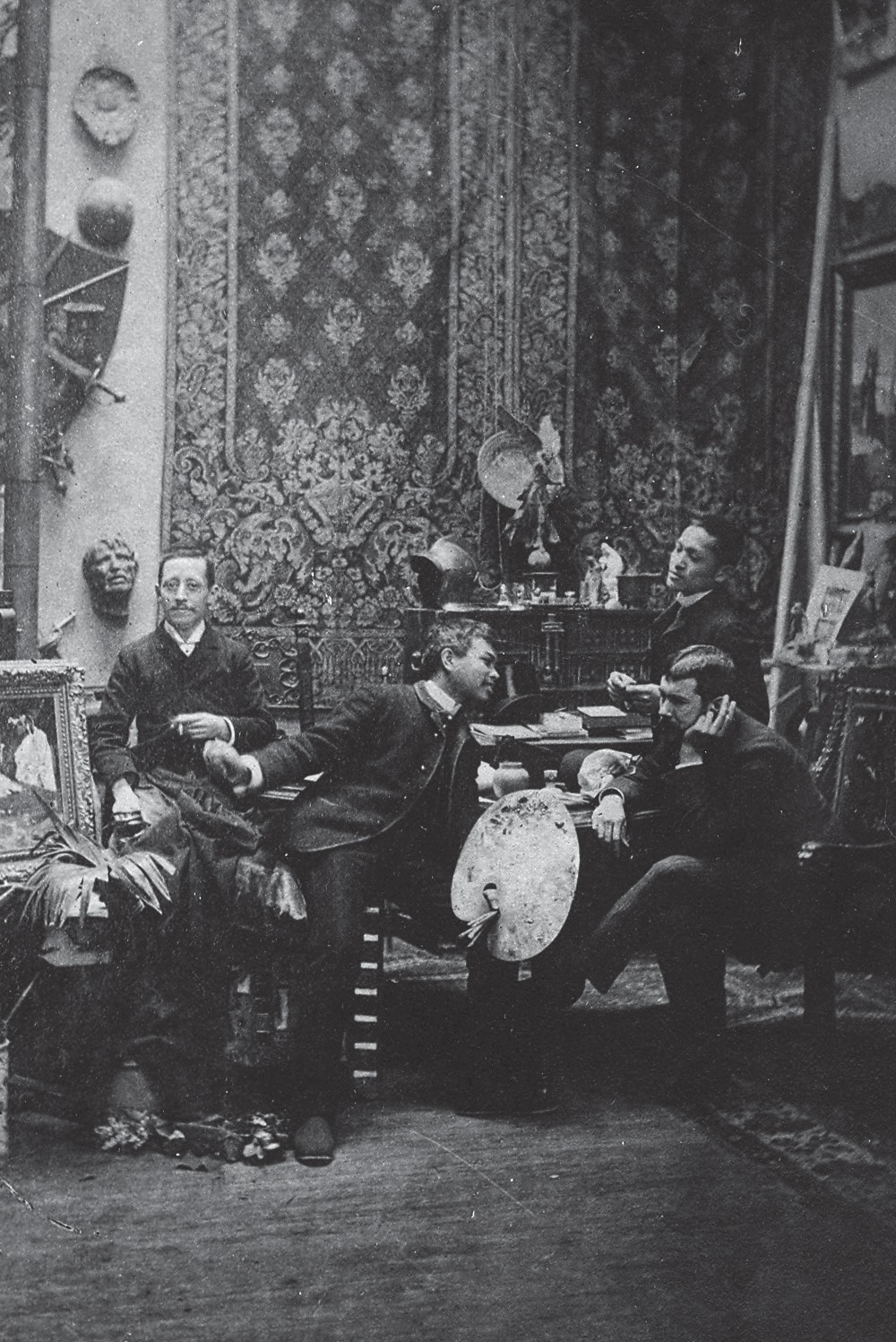
José Rizal, Juan Luna, and Valentin Ventura in Luna’s Paris studio
Los Indios Bravos: José Rizal, Juan Luna, and Valentin Ventura in Luna’s Paris studio, c. 1889.Photograph, c. 1889. Public domain.
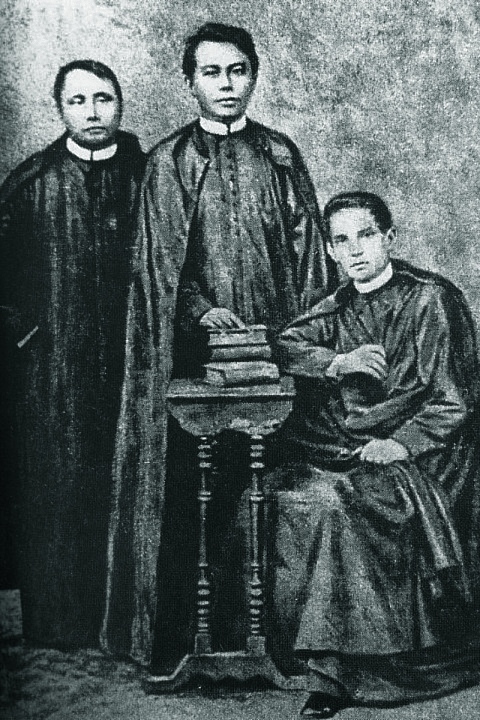
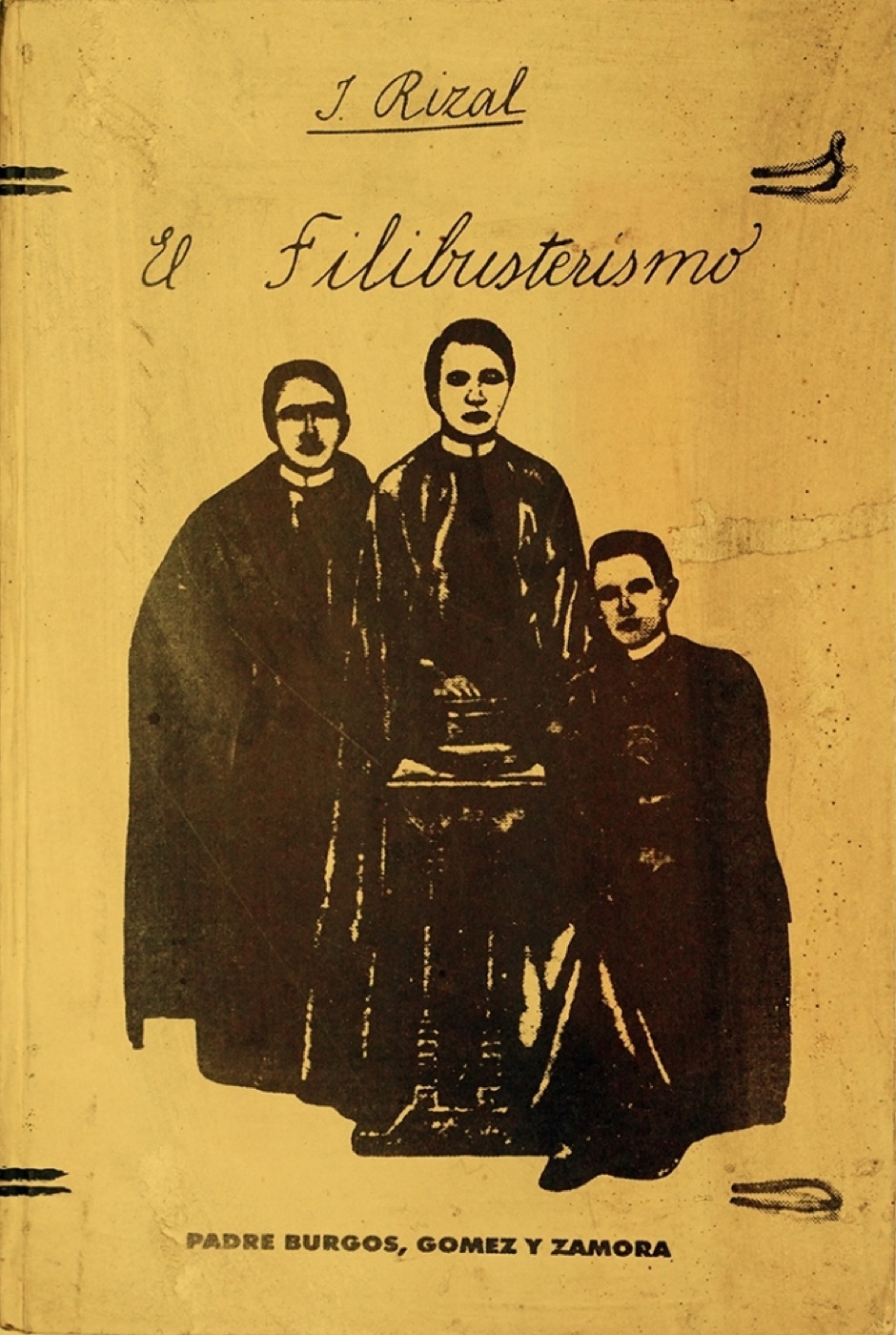
Fathers Mariano Gomez, José Burgos, and Jacinto Zamora
Gomburza (Mariano Gomez, José Burgos, Jacinto Zamora), executed in 1872 at Bagumbayan, to whose memory Rizal dedicated El Filibusterismo.Historical illustration, 19th century. Public domain.
The surviving photograph of Andrés Bonifacio
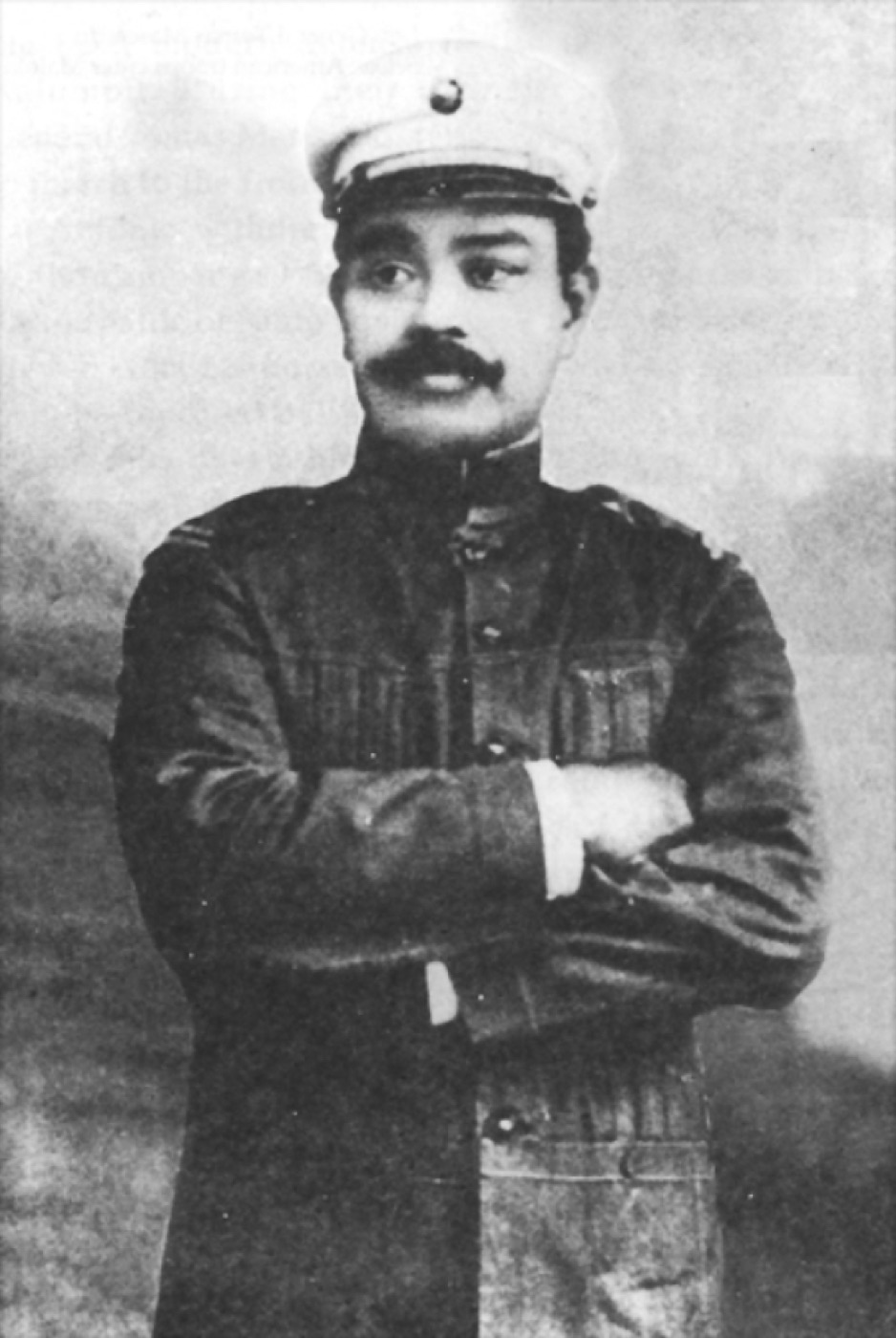
Andrés Bonifacio, founder of the Katipunan. The only surviving photograph of him.Chofre y Cia, 1896. Public domain.
Portrait of General Antonio Luna
Antonio Luna, pharmacist, writer, and general of the Philippine Revolution.Unknown photographer. Public domain.
Portrait of Apolinario Mabini
Apolinario Mabini, constitutional adviser to the First Philippine Republic.Unknown photographer, before 1903. Public domain.
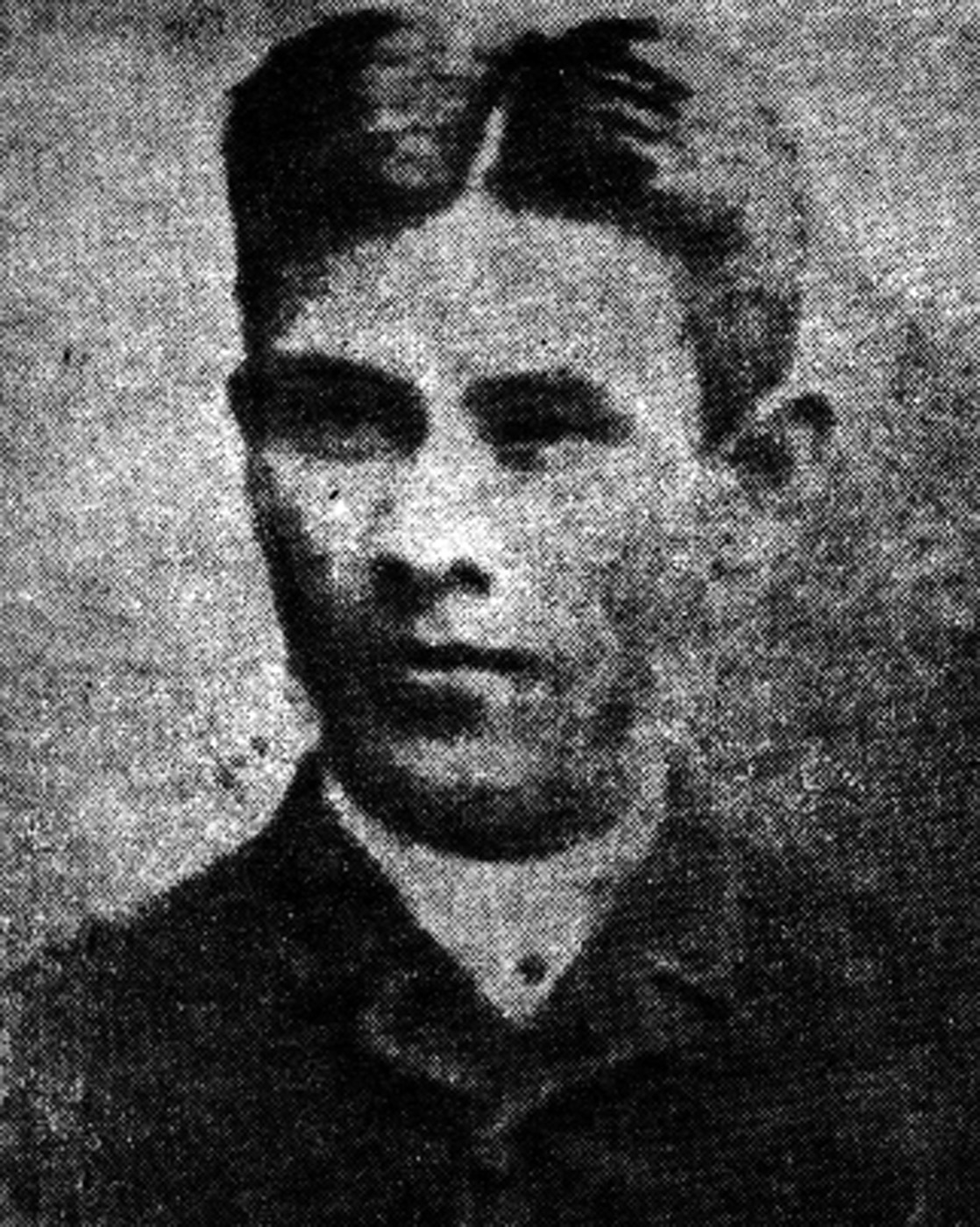
Portrait of Dr. Pío Valenzuela
Dr. Pío Valenzuela, Katipunan emissary who visited Rizal in Dapitan in June 1896.Photograph, c. 1890s. Public domain.
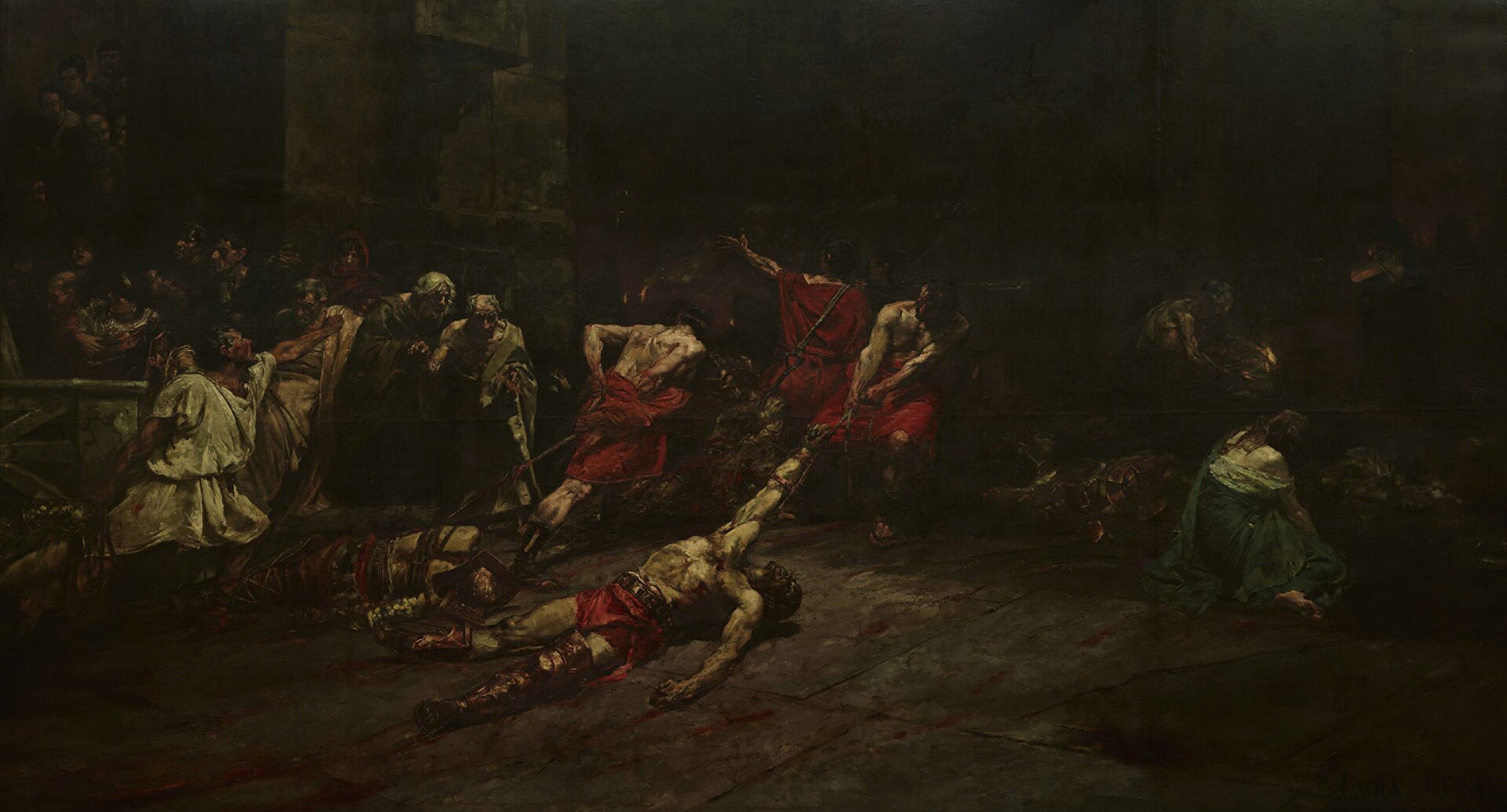
Spoliarium, oil painting by Juan Luna, 1884
Juan Luna’s monumental canvas Spoliarium, awarded the first gold medal at the 1884 Madrid Exposición Nacional.Juan Luna, 1884. National Museum of Fine Arts, Manila. Public domain.
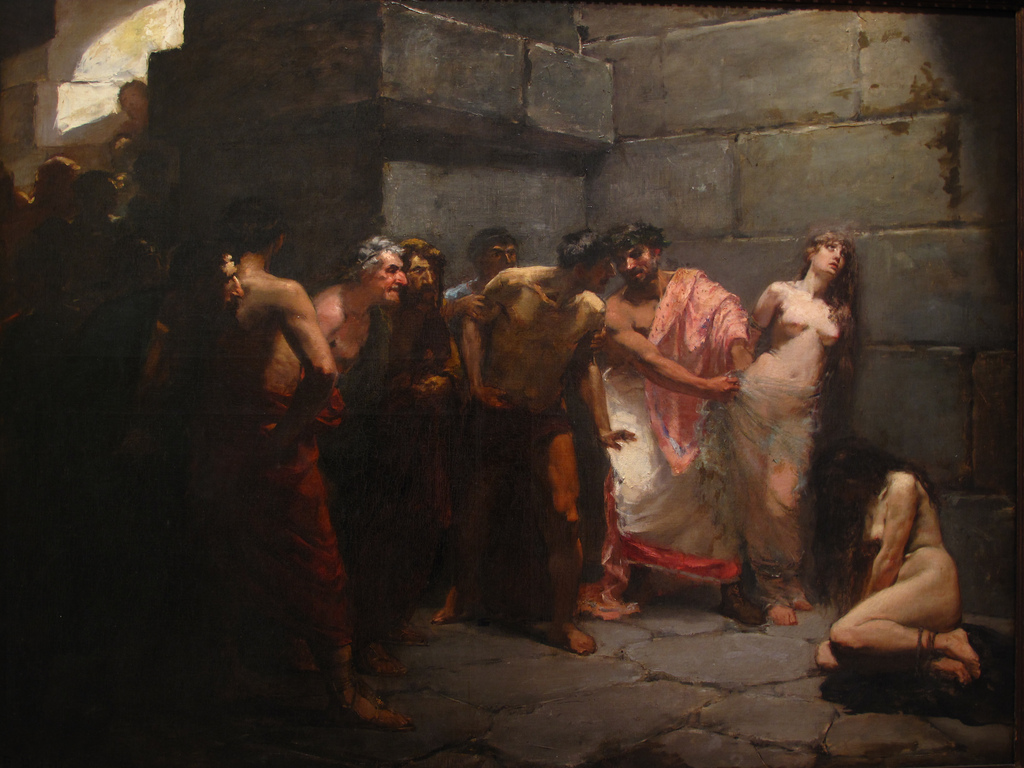
Las Vírgenes Cristianas Expuestas al Populacho by Félix Resurrección Hidalgo, 1884
Félix Resurrección Hidalgo’s Las Vírgenes Cristianas Expuestas al Populacho, awarded the silver medal in Madrid in 1884.Félix Resurrección Hidalgo, 1884. Bangko Sentral ng Pilipinas Collection. Public domain.
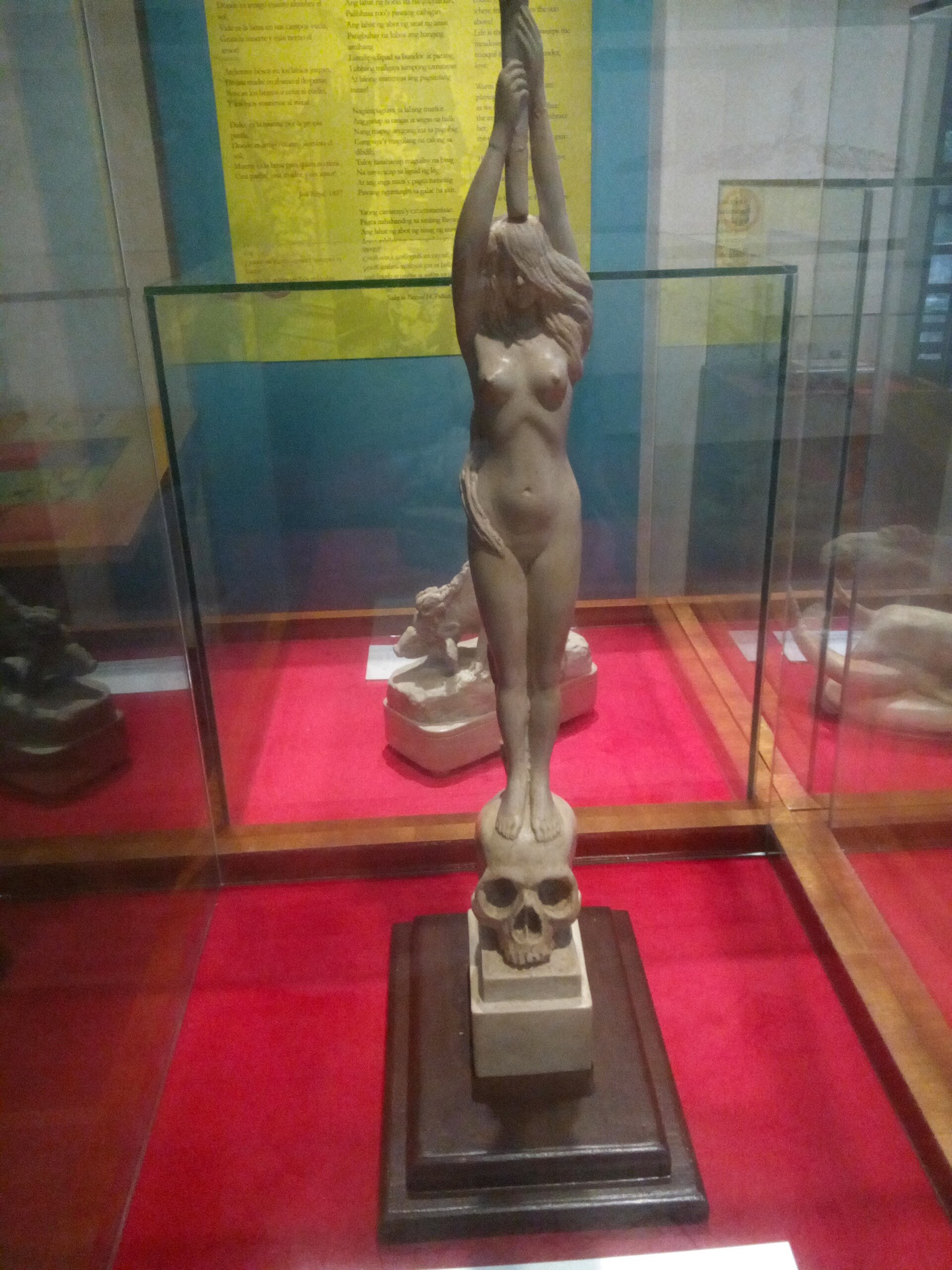
The Triumph of Science over Death, clay sculpture by José Rizal
The Triumph of Science over Death (Scientia vincit mortem), clay sculpture made by Rizal in Dapitan for Blumentritt.José Rizal, c. 1890s. Photographed via Wikimedia Commons, CC BY-SA 4.0.
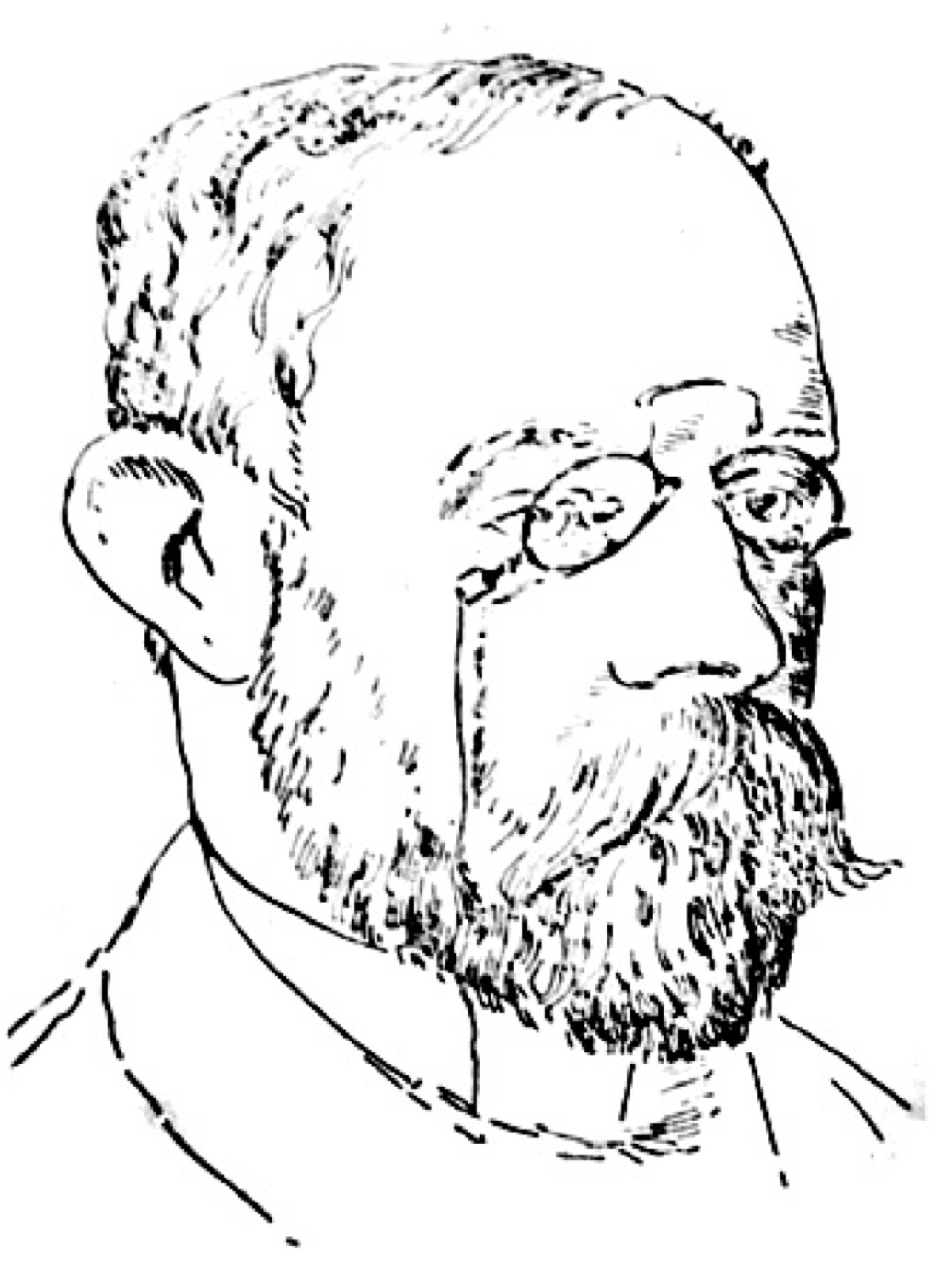
Pencil sketch of Ferdinand Blumentritt drawn by José Rizal
Pencil sketch of Ferdinand Blumentritt by Rizal, a trace of their intellectual partnership.José Rizal, before 1896. Public domain.
Cover of the 1887 Berlin first edition of Noli Me Tangere
The genuine 1887 Berlin first edition cover of Noli Me Tangere, printed by Berliner Buchdruckerei.José Rizal, 1887. Berliner Buchdruckerei-Actien-Gesellschaft. Public domain.
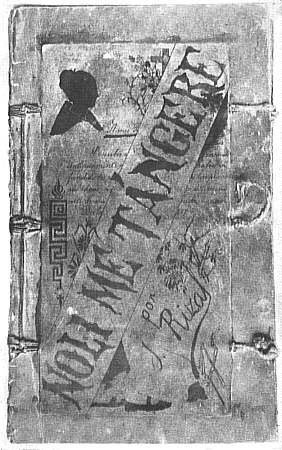
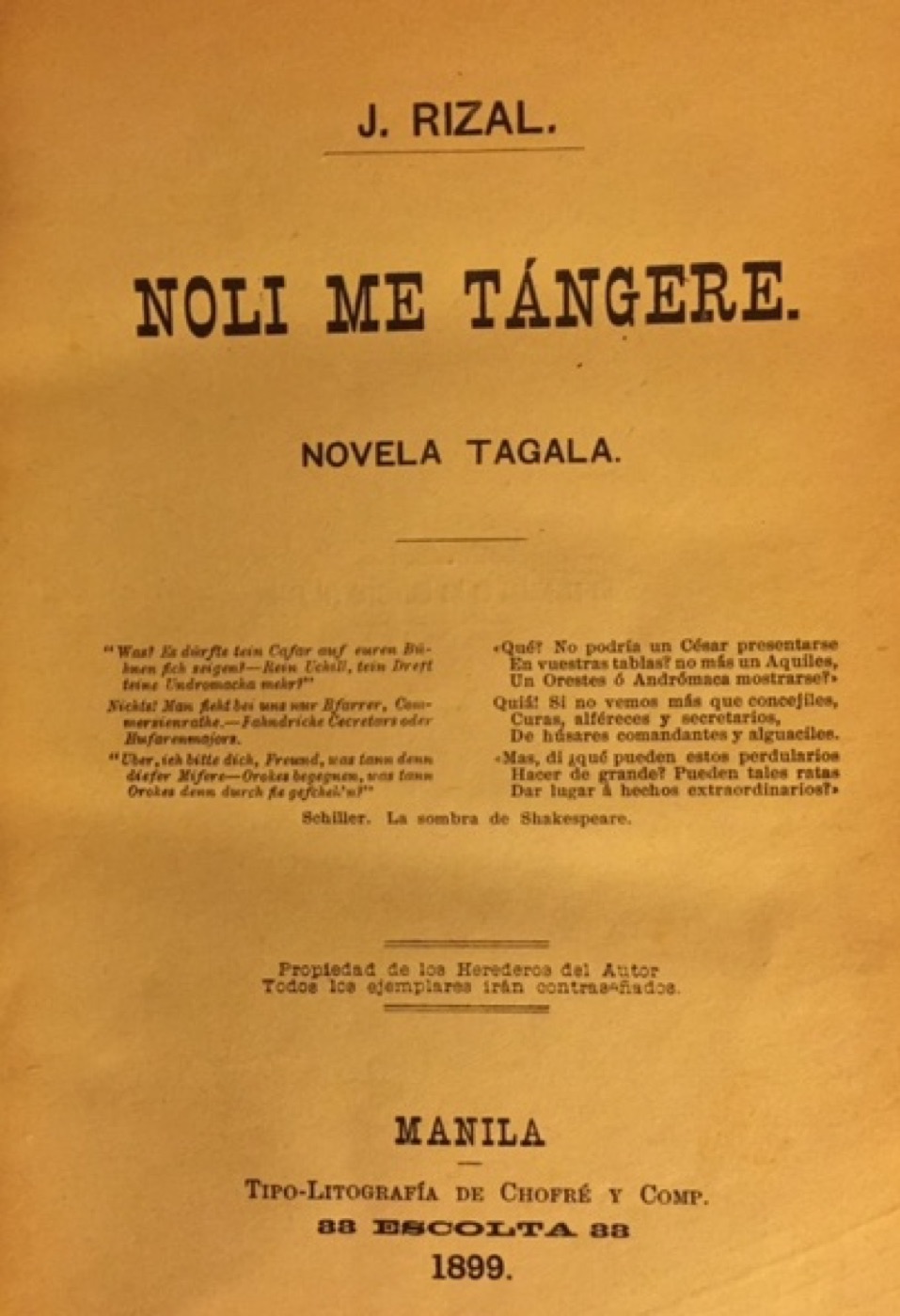
Cover of the 1899 Philippine edition of Noli Me Tangere
The first Philippine edition of Noli Me Tangere, published in Manila in 1899.Public-domain edition; photograph by Guanyin2, CC BY-SA 4.0.
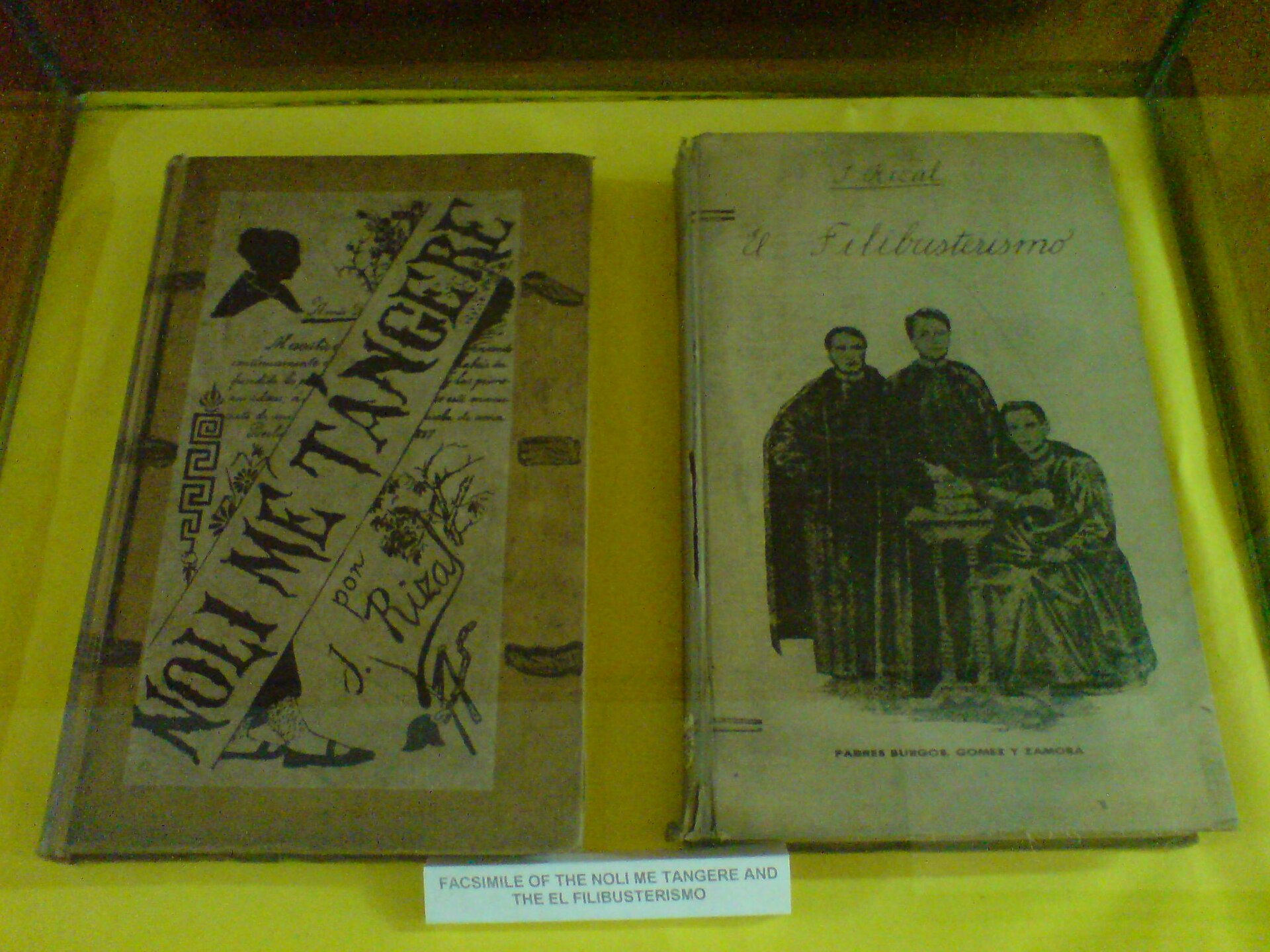
Facsimile cover of El Filibusterismo, 1891
A facsimile of the 1891 El Filibusterismo cover. The novel was printed in Ghent.José Rizal, 1891. Public domain.
Original manuscripts of Noli Me Tangere and El Filibusterismo at the National Library of the Philippines
The original handwritten manuscripts of Noli and Fili in the vault of the National Library of the Philippines.National Library of the Philippines / Ramon FVelasquez, CC BY-SA 3.0, via Wikimedia Commons.
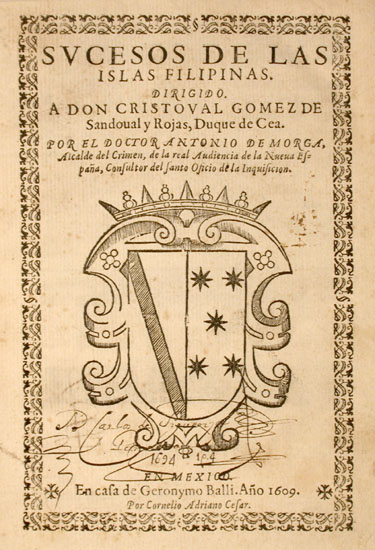
Title page of Antonio de Morga’s Sucesos de las Islas Filipinas annotated by José Rizal, Paris 1890
Title page of Antonio de Morga’s Sucesos de las Islas Filipinas, annotated and published by Rizal in Paris in 1890.Librería de Garnier Hermanos, Paris, 1890. Public domain.
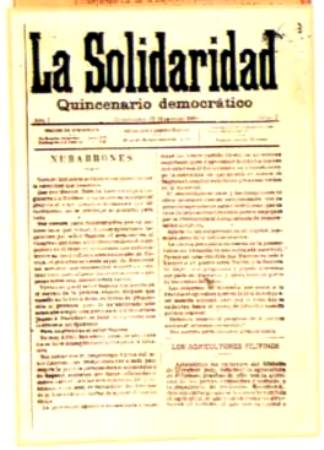
Front page of La Solidaridad newspaper, 1889
Front page of La Solidaridad, organ of the Propaganda Movement published in Barcelona and Madrid.La Solidaridad, February 15, 1889. Public domain.
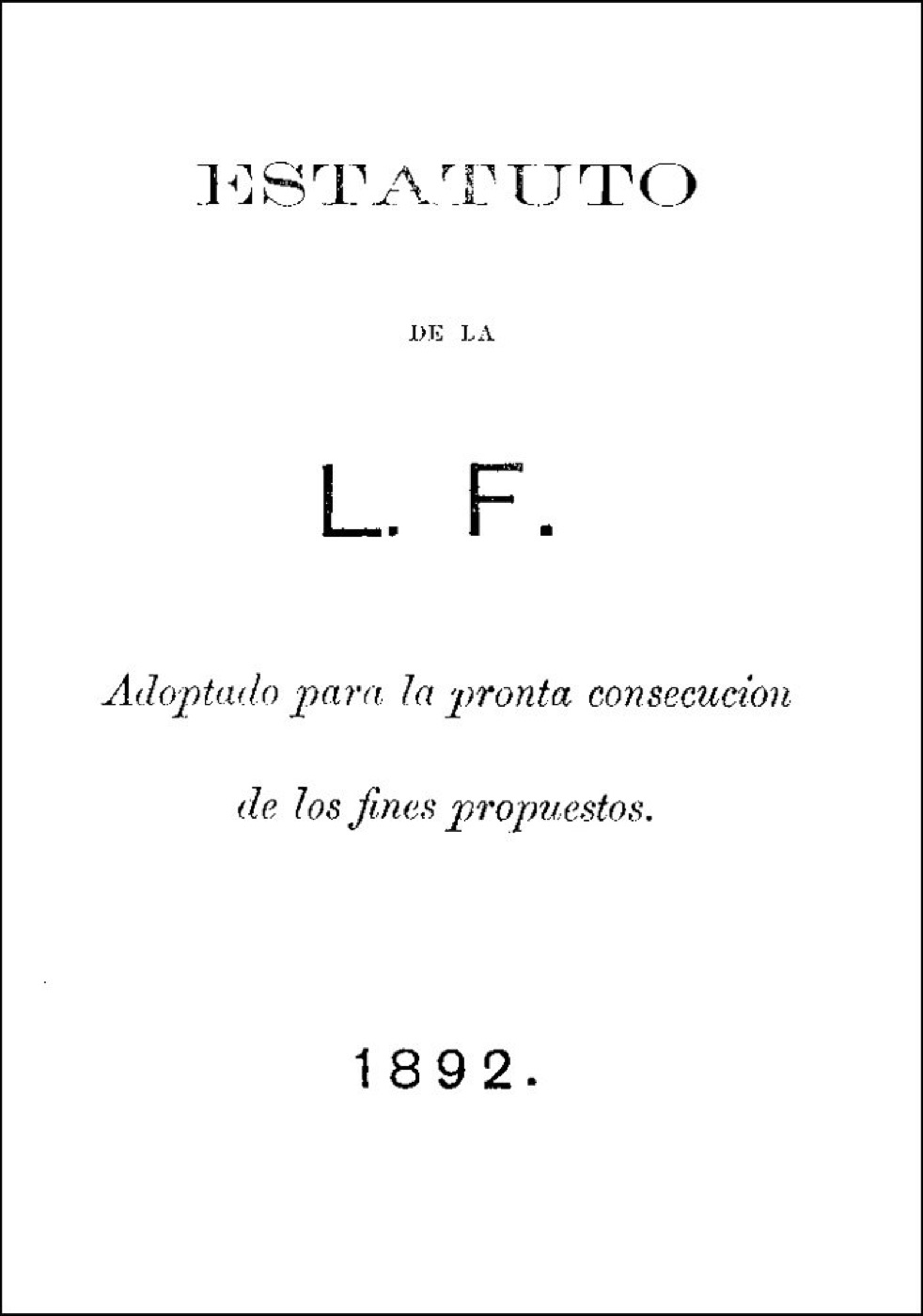
Cover page of the constitution of La Liga Filipina
The cover of La Liga Filipina’s constitution, 1892.José Rizal, 1892. Public domain.
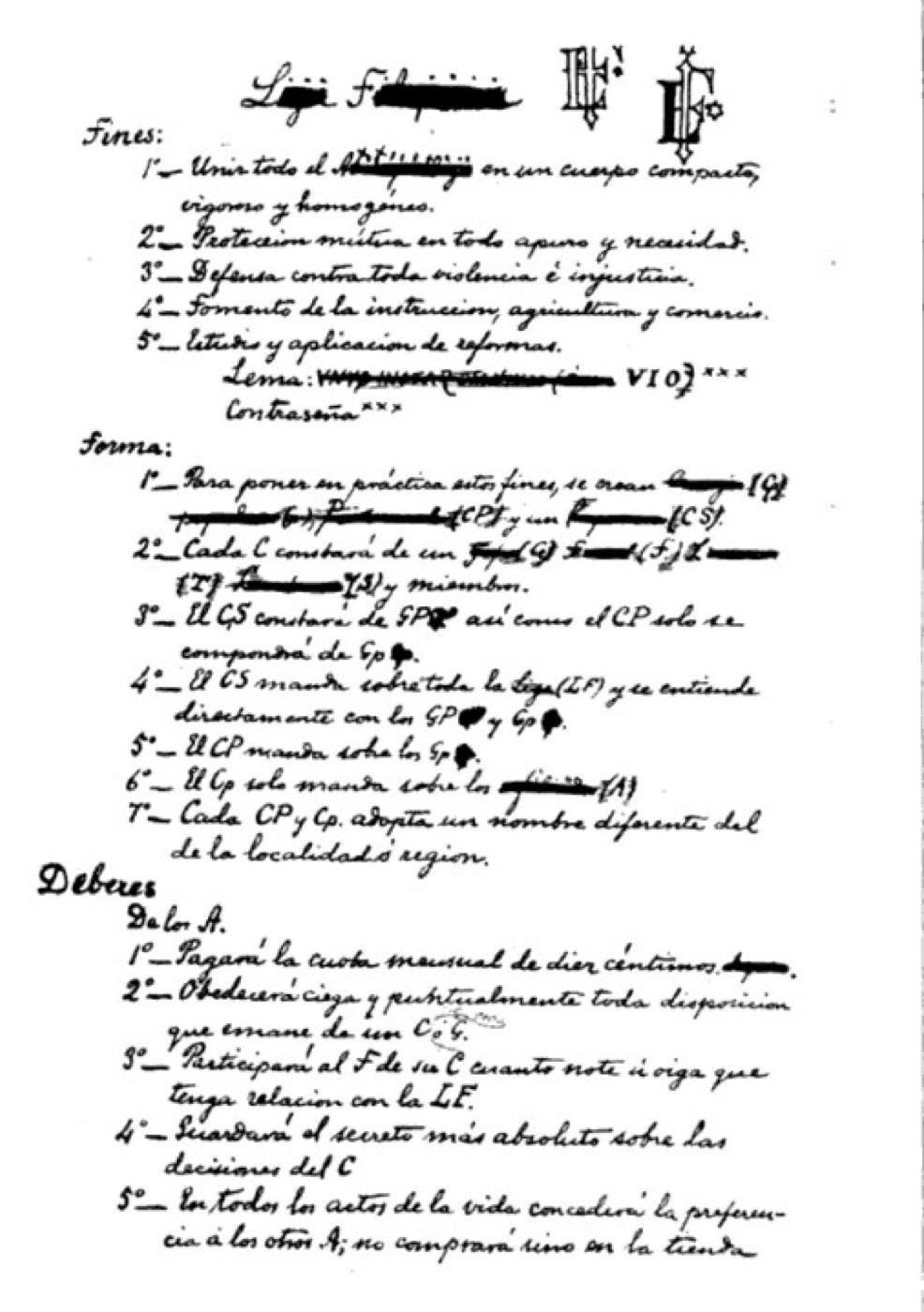
Handwritten regulations of La Liga Filipina by José Rizal
Rizal’s handwritten regulations for La Liga Filipina.José Rizal, 1892. Public domain.
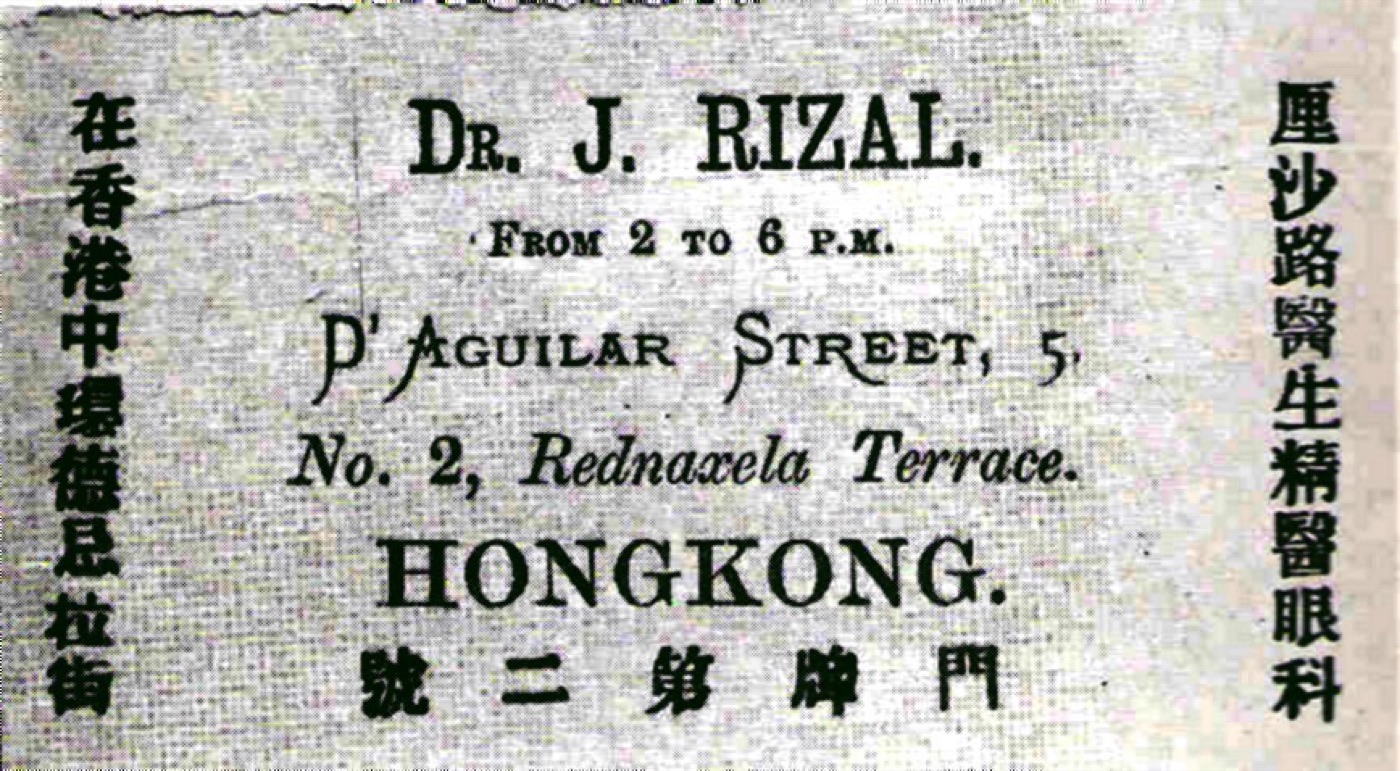
Ophthalmologist business card of Dr. José Rizal from Hong Kong
Rizal’s ophthalmologist business card from Hong Kong, a document of working life in exile.José Rizal, late nineteenth century. Free Art License.
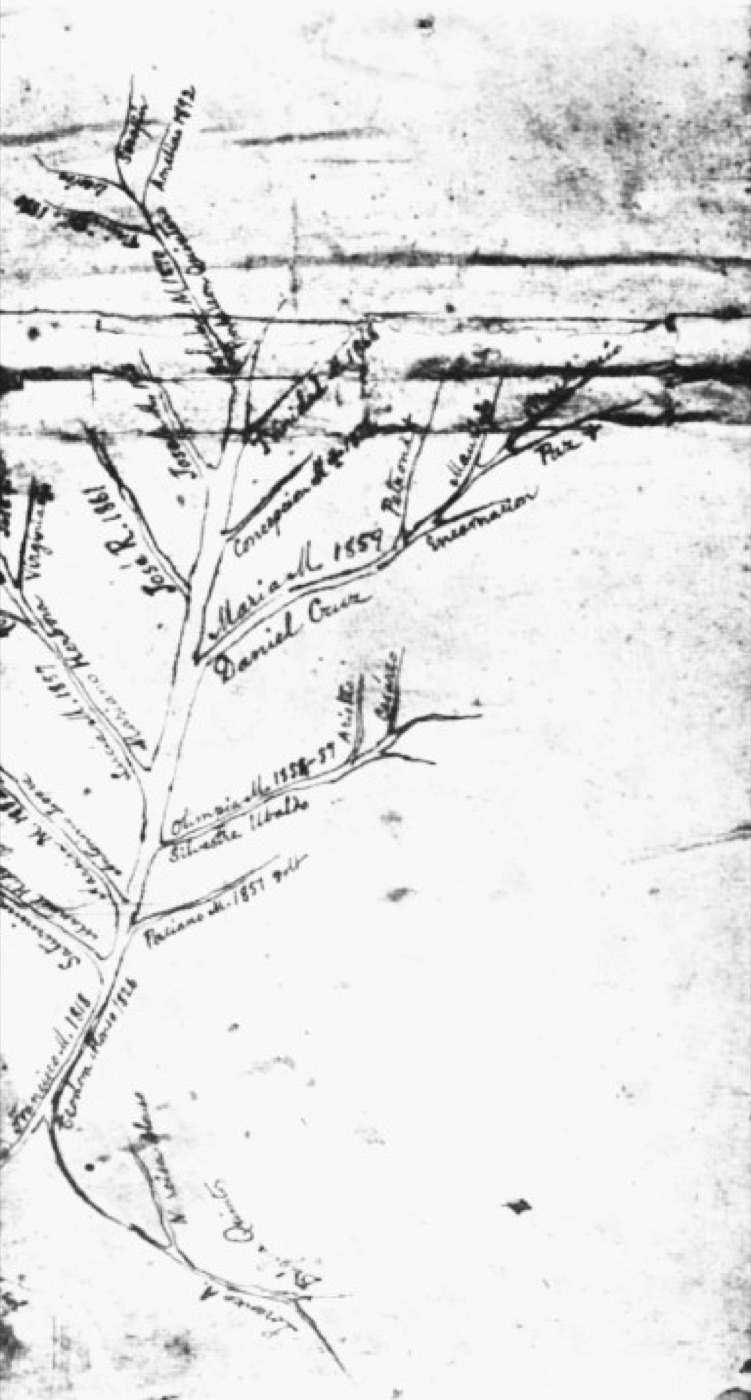
Hand-drawn family tree made by José Rizal
Family tree drawn by Rizal in Dapitan, from Austin Craig’s 1913 biography.José Rizal, 1890s. Public domain.
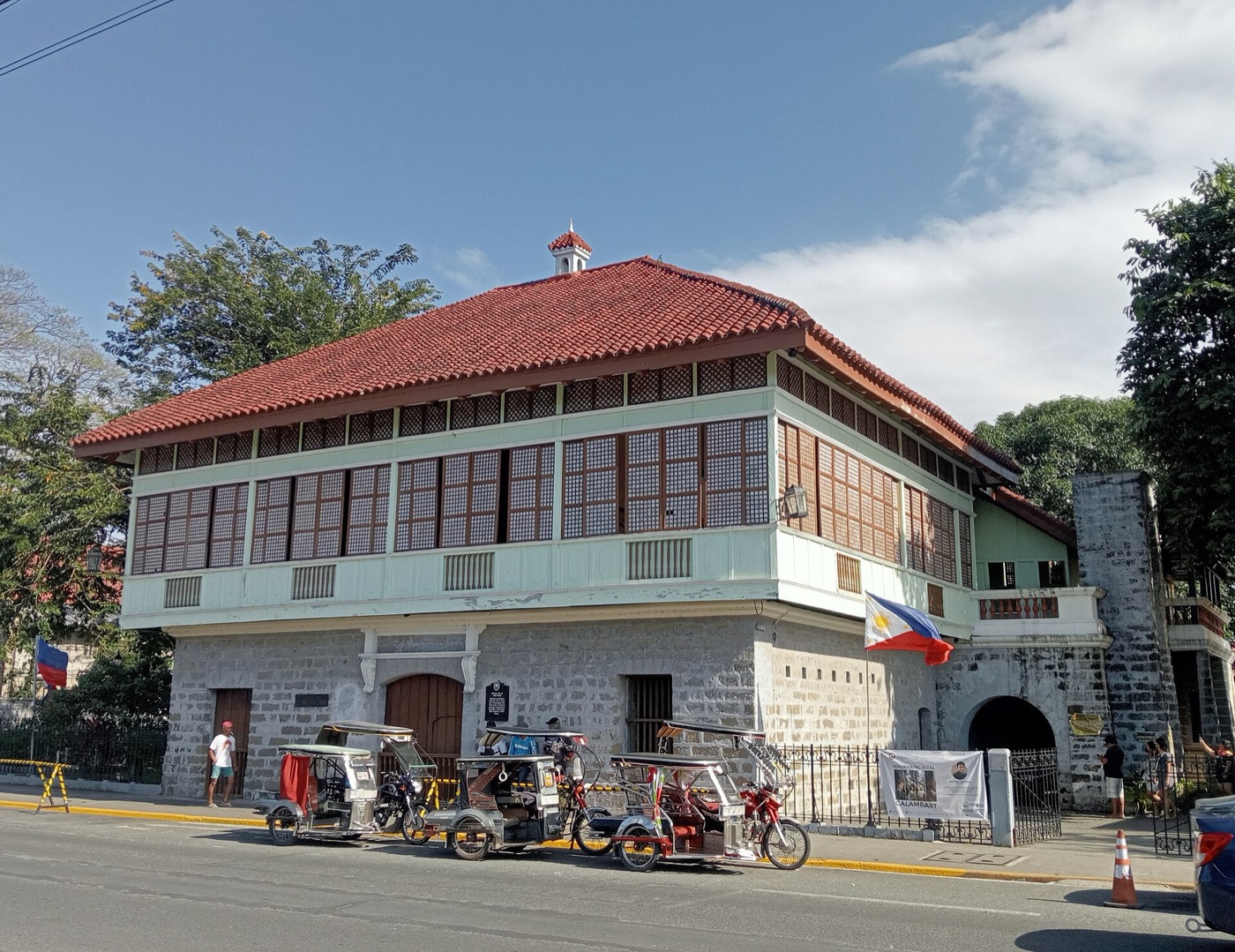
The Rizal Shrine in Calamba, Laguna
The Rizal Shrine in Calamba, a reconstruction of the family house where Rizal was born.Ralff Nestor Nacor, CC BY-SA 4.0, via Wikimedia Commons.
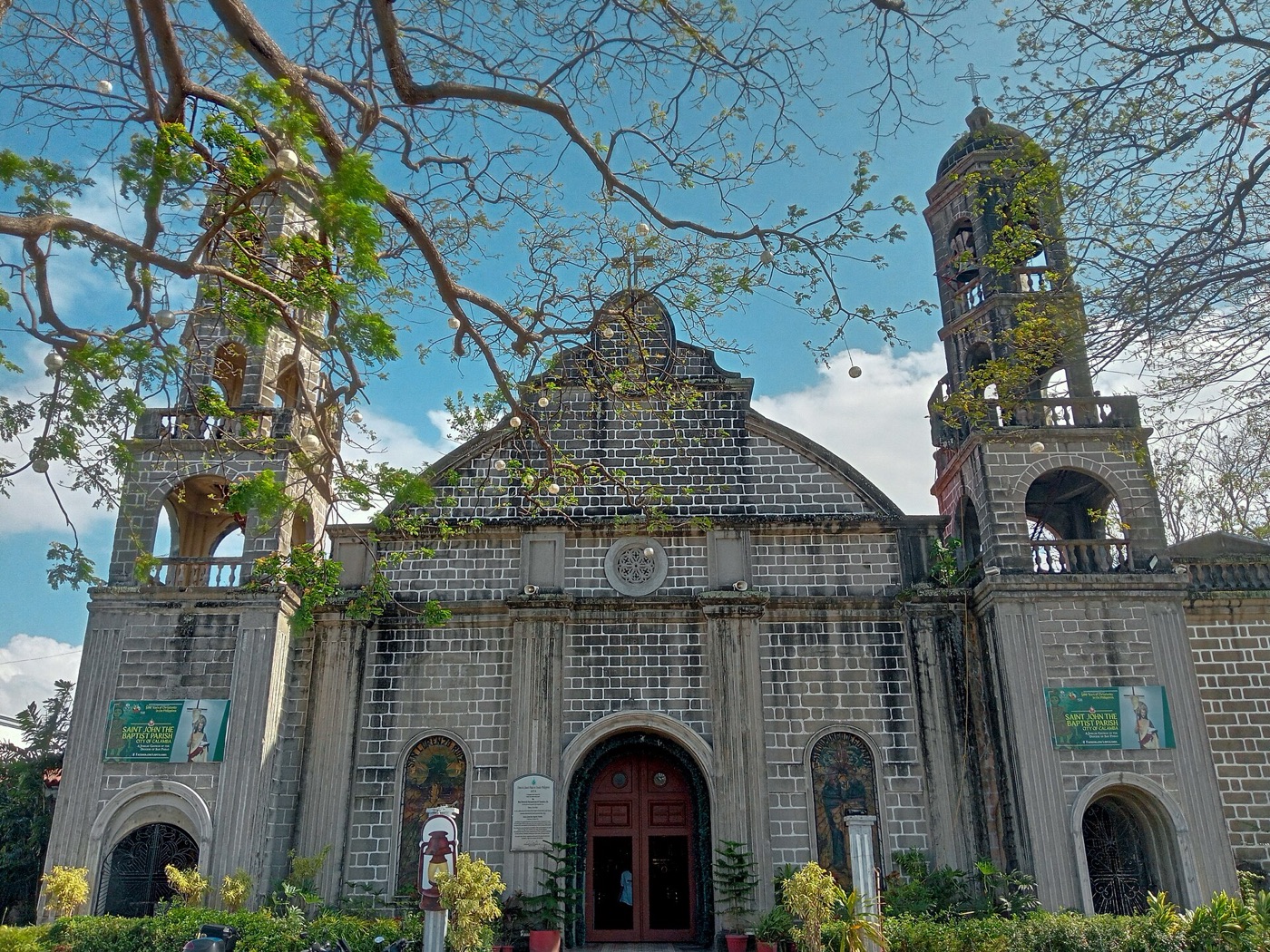
Saint John the Baptist Parish Church in Calamba, Laguna
Saint John the Baptist Parish Church, Calamba. Rizal was baptized here in 1861.Ralff Nestor Nacor, CC BY-SA 4.0, via Wikimedia Commons.
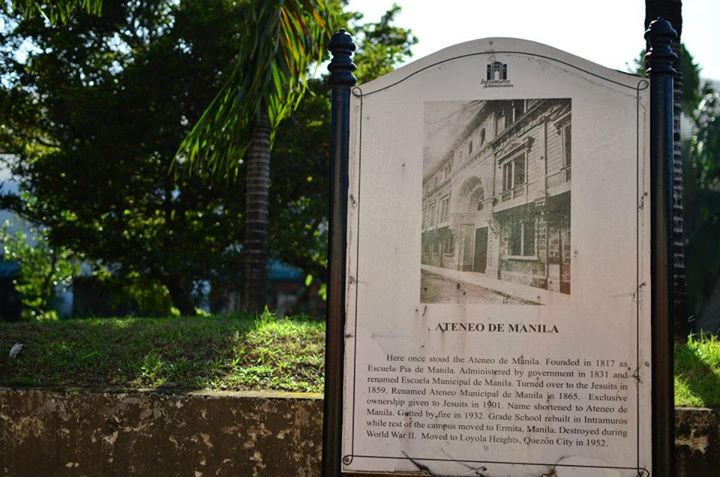
Historical photograph of the Ateneo Municipal de Manila in Intramuros
The original Ateneo Municipal in Intramuros, where Rizal studied and graduated with highest honors in 1877.Historical photograph, late 19th century. Public domain.
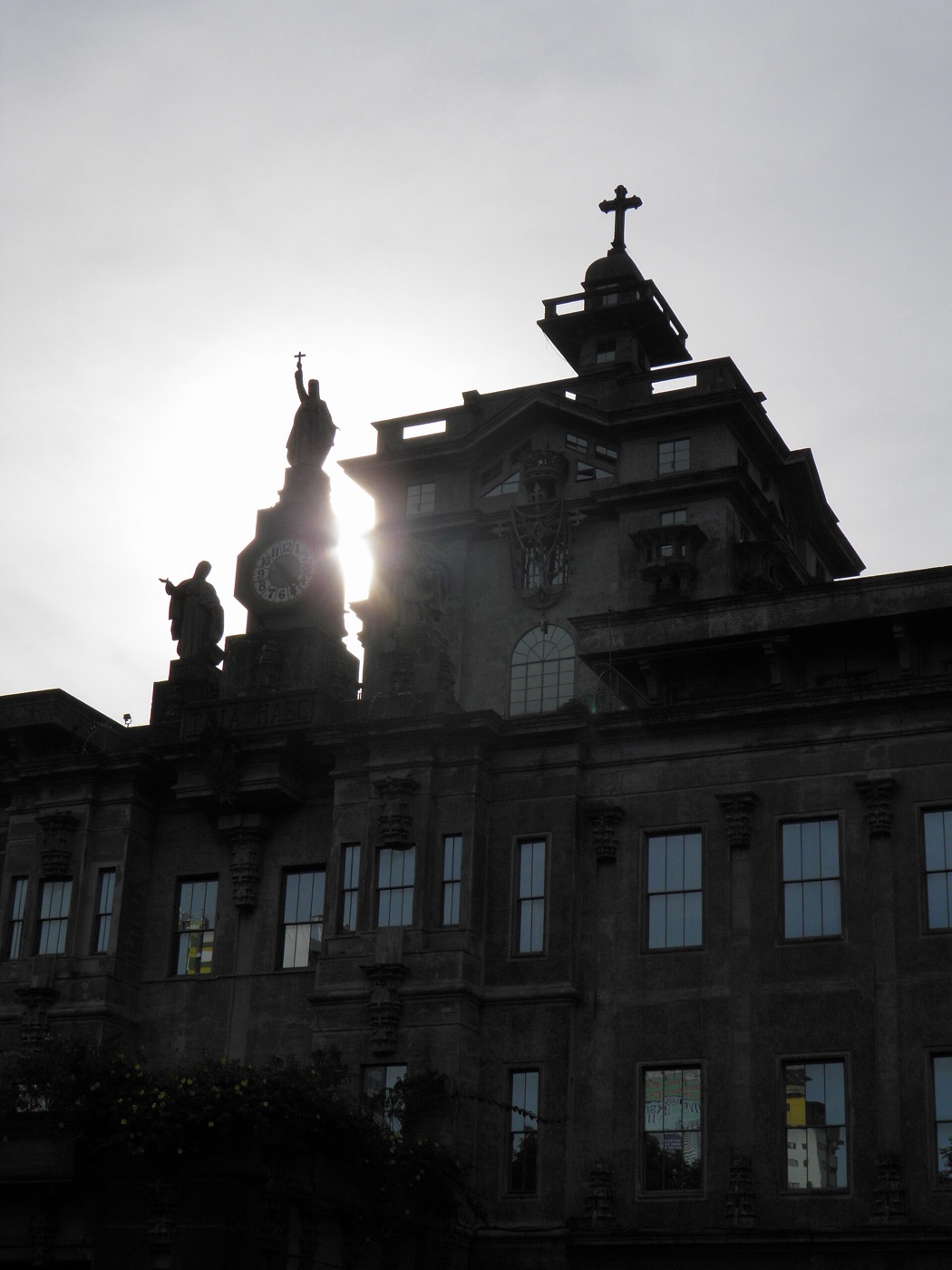
The main building of the University of Santo Tomas
The University of Santo Tomas, where Rizal studied philosophy and medicine.Gerrard Patricio, CC BY-SA 3.0, via Wikimedia Commons.
Ateneo de Manila University campus in Quezon City
Ateneo de Manila today. Rizal’s Ateneo was the earlier Intramuros school, not this modern campus.Patrick Roque, CC BY-SA 4.0, via Wikimedia Commons.
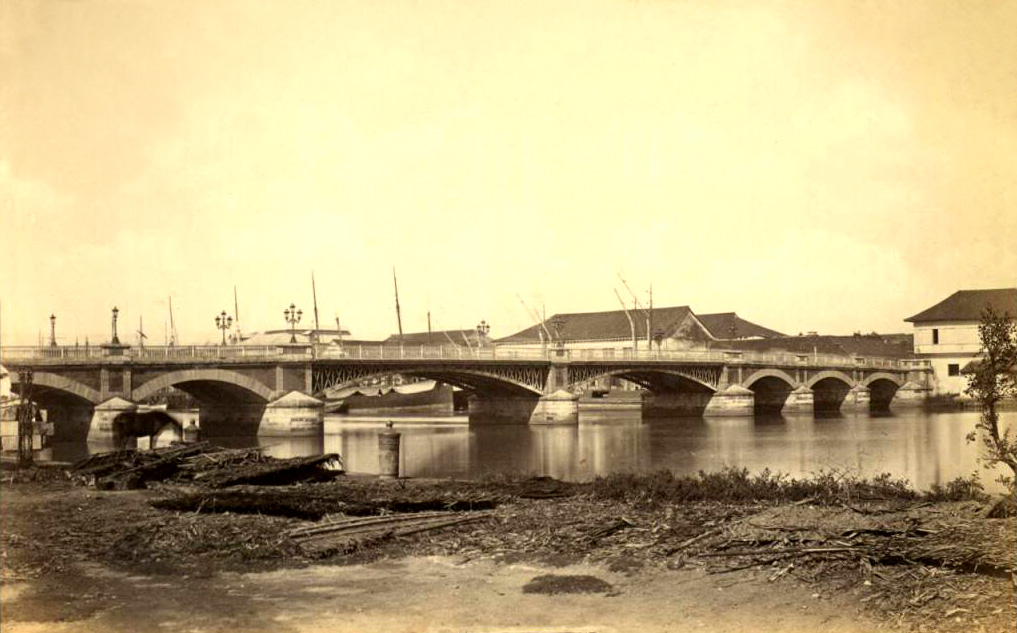
Puente de España crossing the Pasig River in 19th-century Manila
Puente de España over the Pasig River, connecting Intramuros with Binondo.Historical photograph, c. 1880s. Public domain.
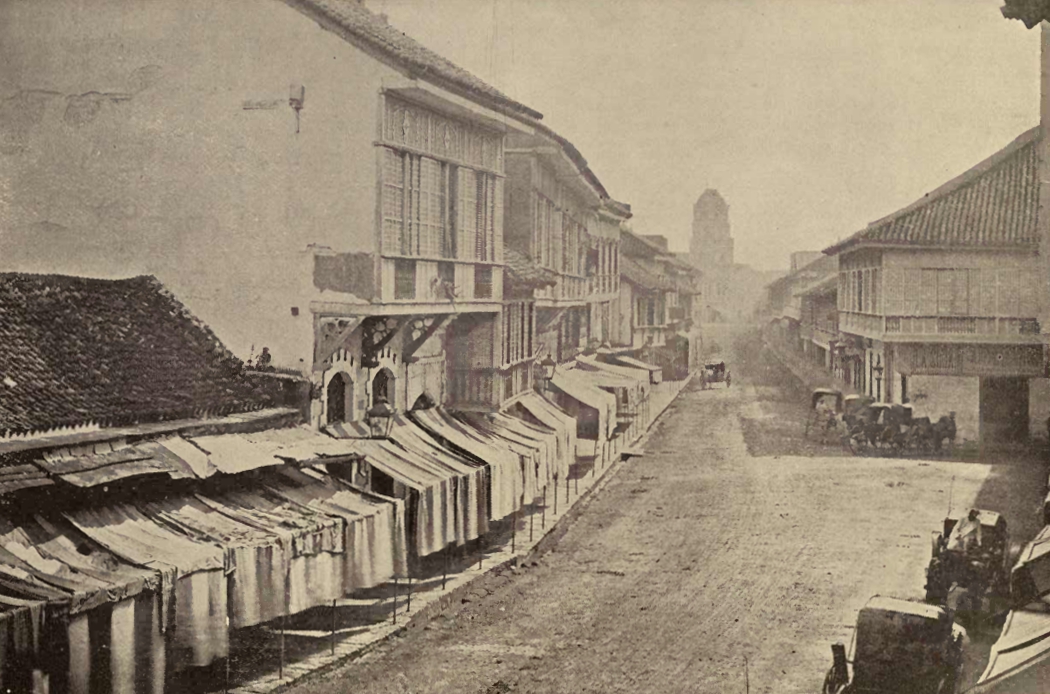
Street view of the Escolta in Manila, 1899
The bustling Escolta in Binondo, the commercial heart of 19th-century Manila.Library of Congress / photograph 1899. Public domain.
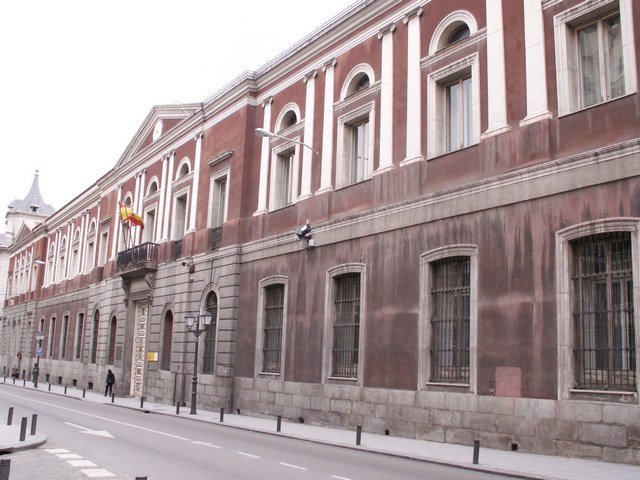
Universidad Central de Madrid, Calle San Bernardo
Universidad Central de Madrid on Calle San Bernardo, where Rizal earned his degrees in Medicine and Philosophy (1882–1885).Historical photograph, Madrid. Public domain.
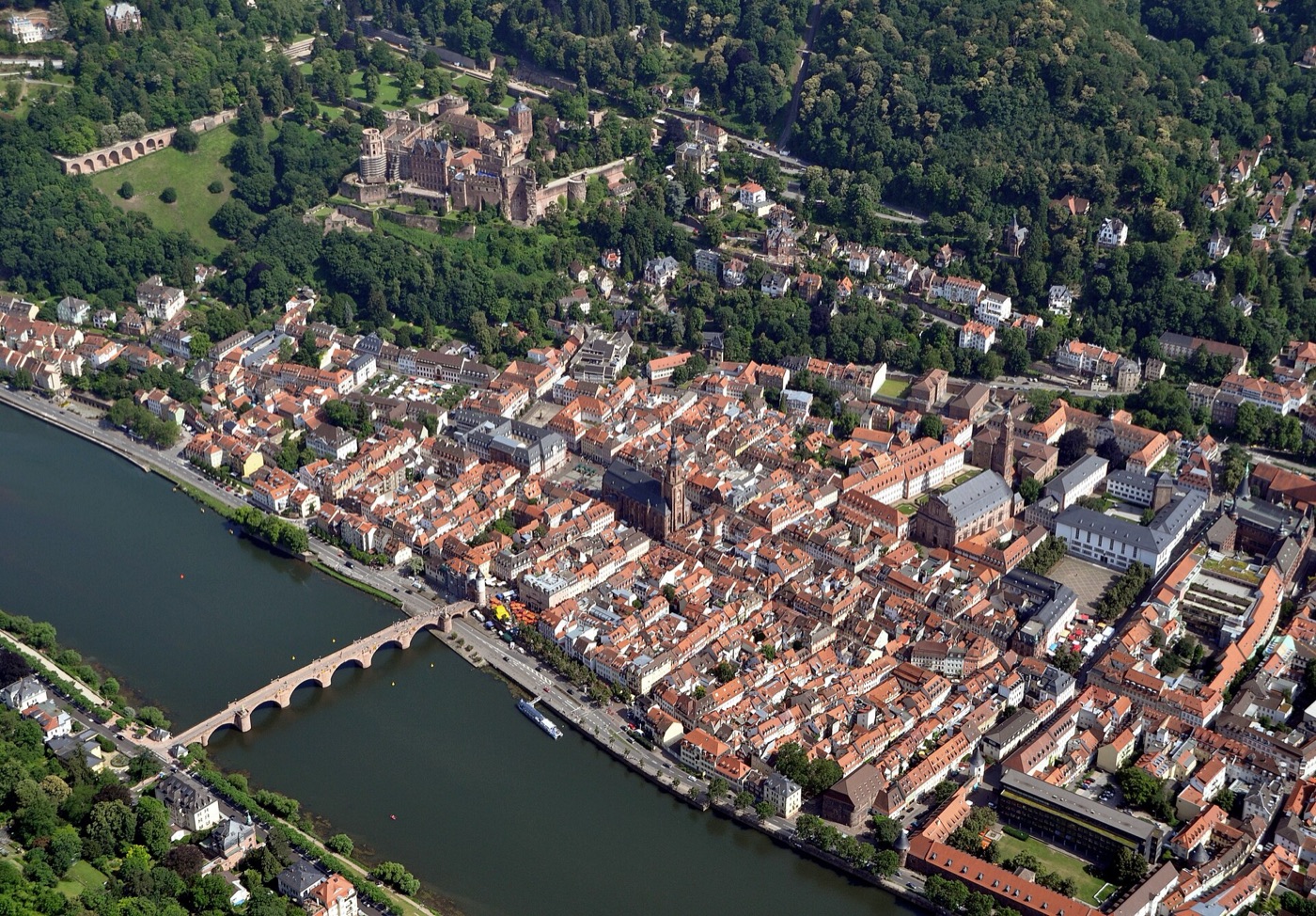
Aerial view of Heidelberg’s old town and castle
Heidelberg: old town and castle above the Neckar, where Rizal studied ophthalmology in 1886.Schlurcher, CC BY 4.0, via Wikimedia Commons.
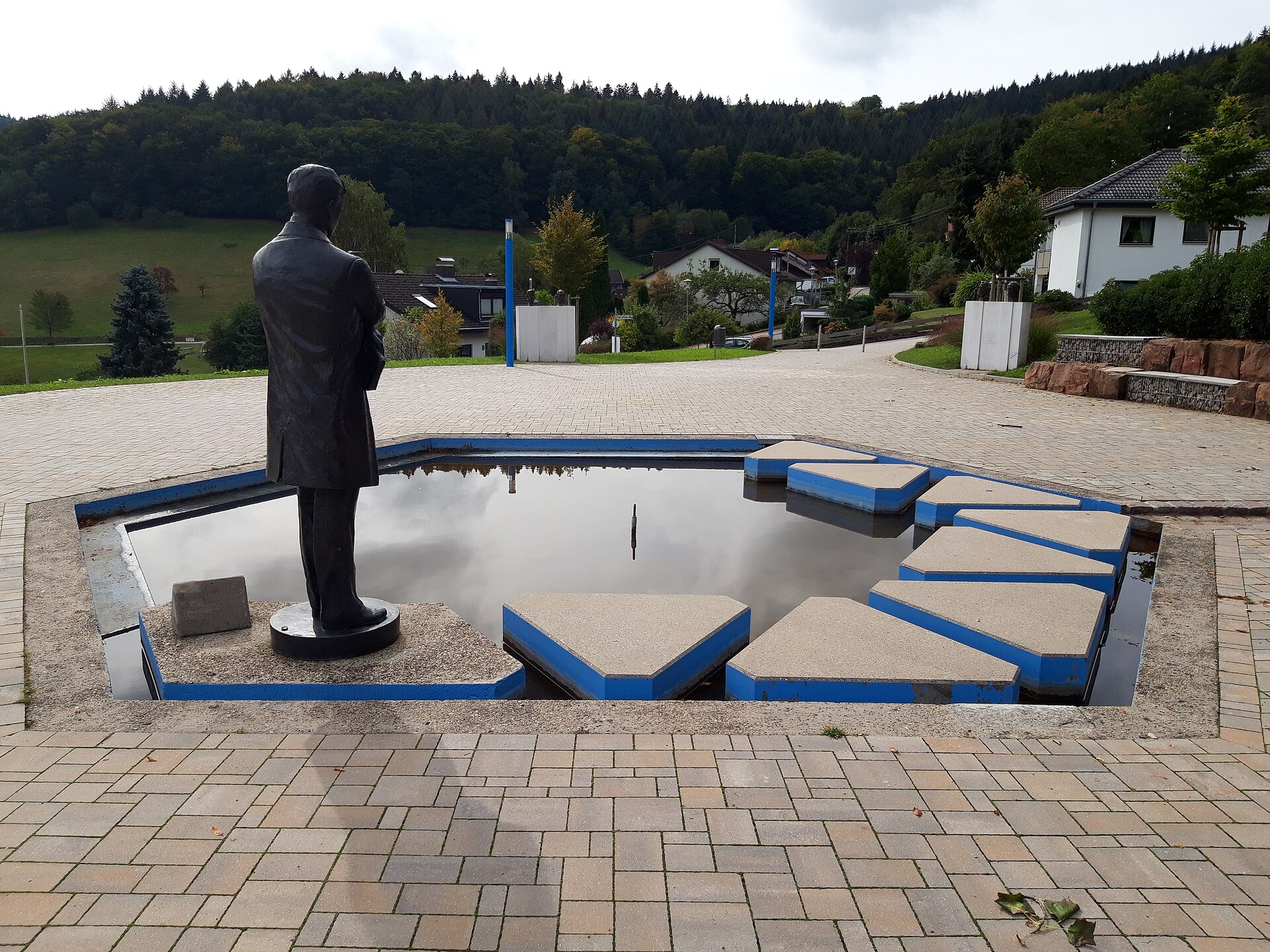
Statue of José Rizal at Jose Rizal Park in Wilhelmsfeld, Germany
Bronze statue of Rizal in Wilhelmsfeld, Germany, where he finished writing Noli Me Tangere in 1886.Photograph, Sep 2019, CC BY-SA 4.0, via Wikimedia Commons.
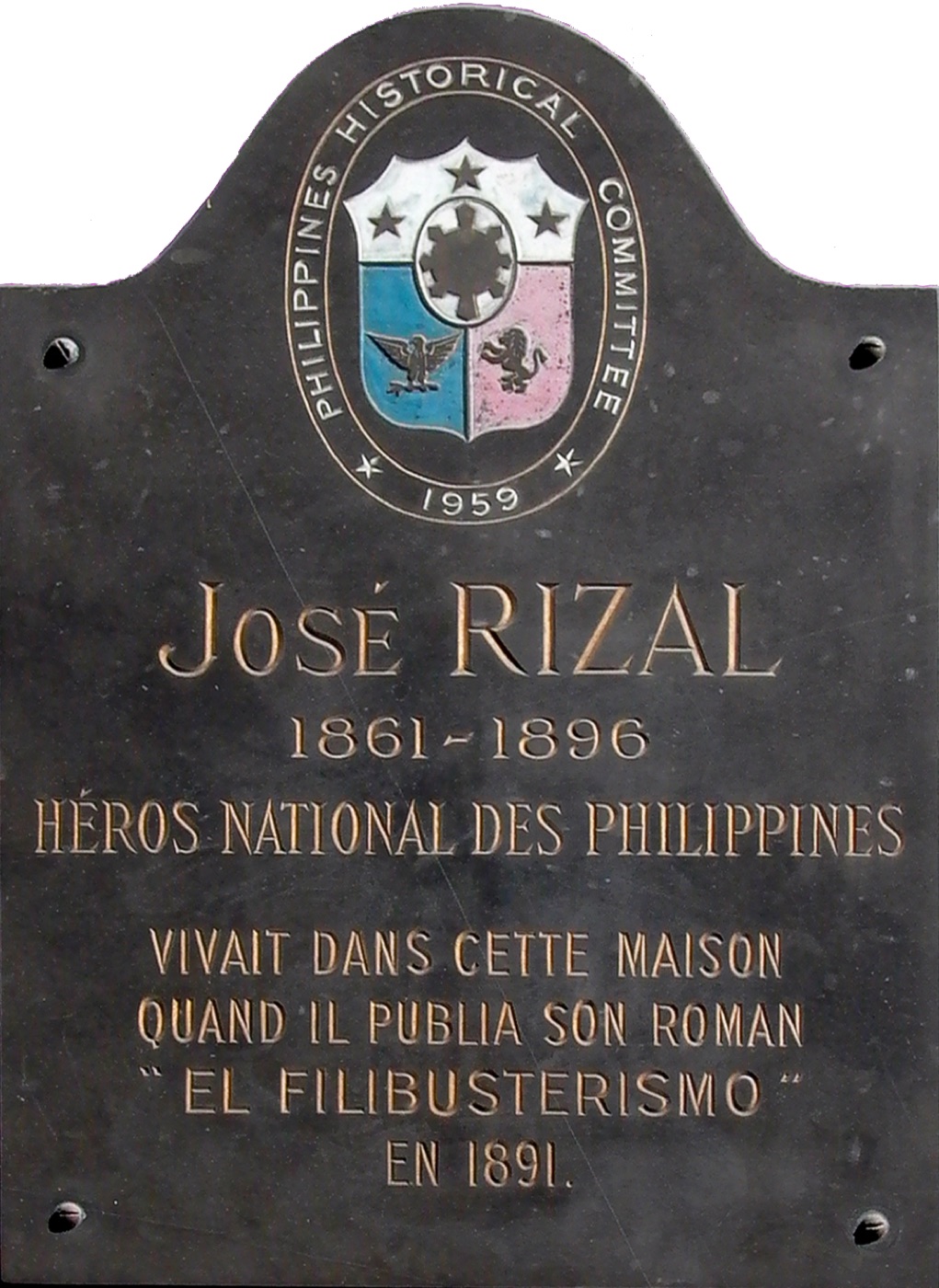
Memorial plaque for José Rizal in Ghent
The Rizal plaque in Ghent, marking the city where El Filibusterismo was printed.Paul Drieghe, CC BY-SA 3.0, via Wikimedia Commons.
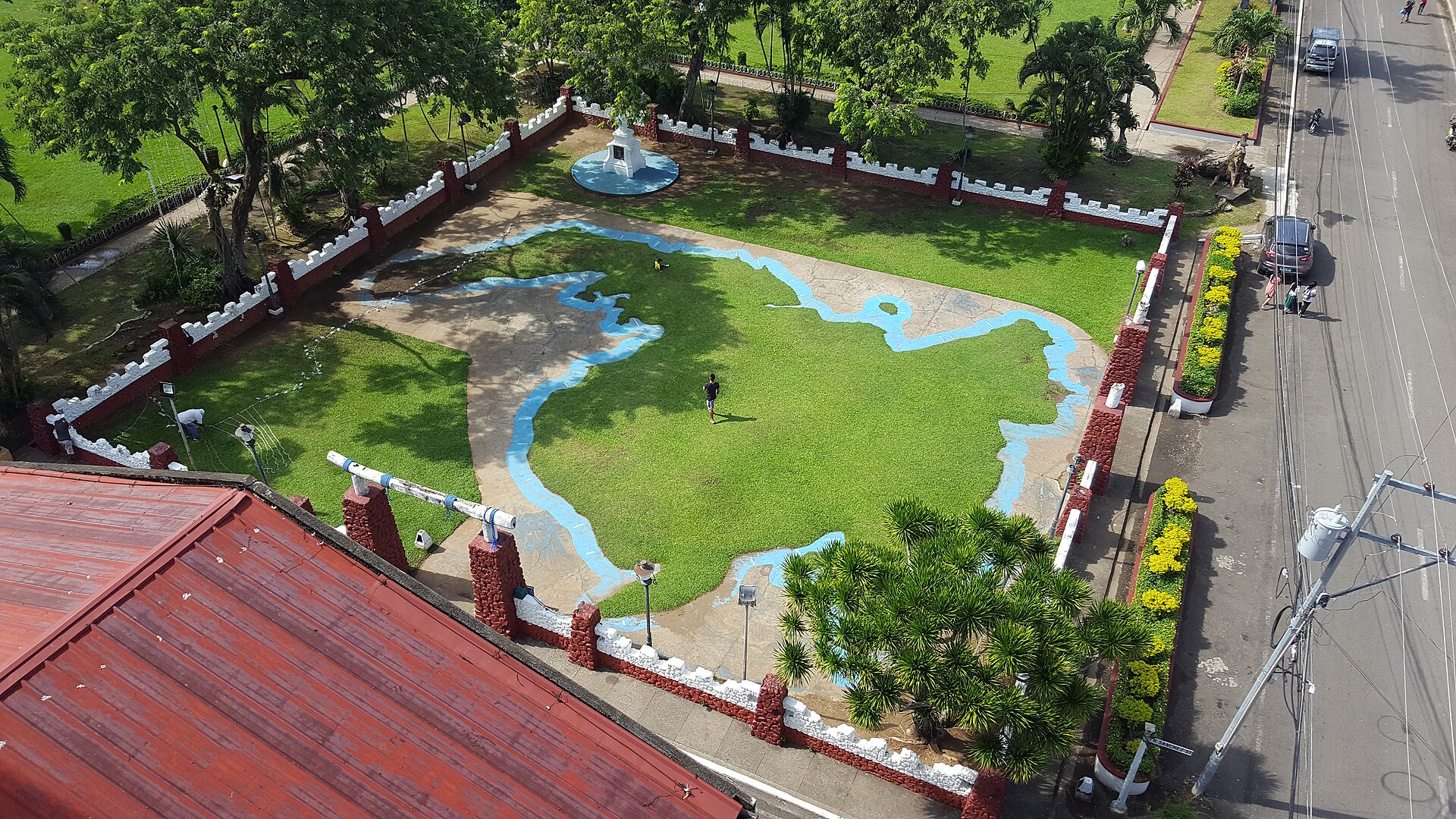
Outdoor relief map of Mindanao sculpted by José Rizal in Dapitan
The relief map of Mindanao sculpted by Rizal in the town plaza of Dapitan in 1892.Ralff Nestor Nacor, CC BY-SA 4.0, via Wikimedia Commons.
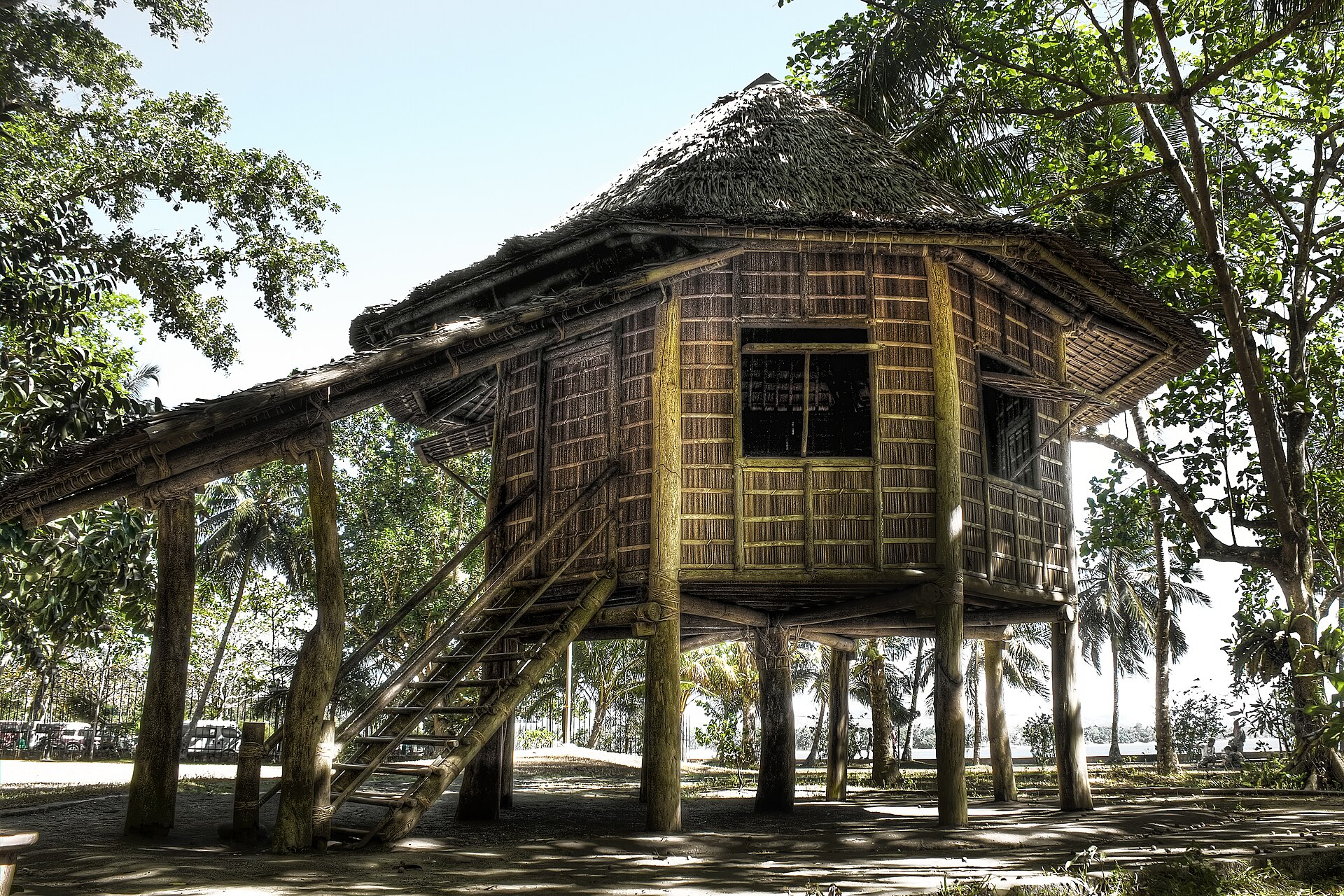
Casa Redonda, the octagonal clinic of José Rizal at Talisay, Dapitan
Casa Redonda, the octagonal clinic and dormitory built by Rizal at his Talisay estate in Dapitan.Ralff Nestor Nacor, CC BY-SA 4.0, via Wikimedia Commons.
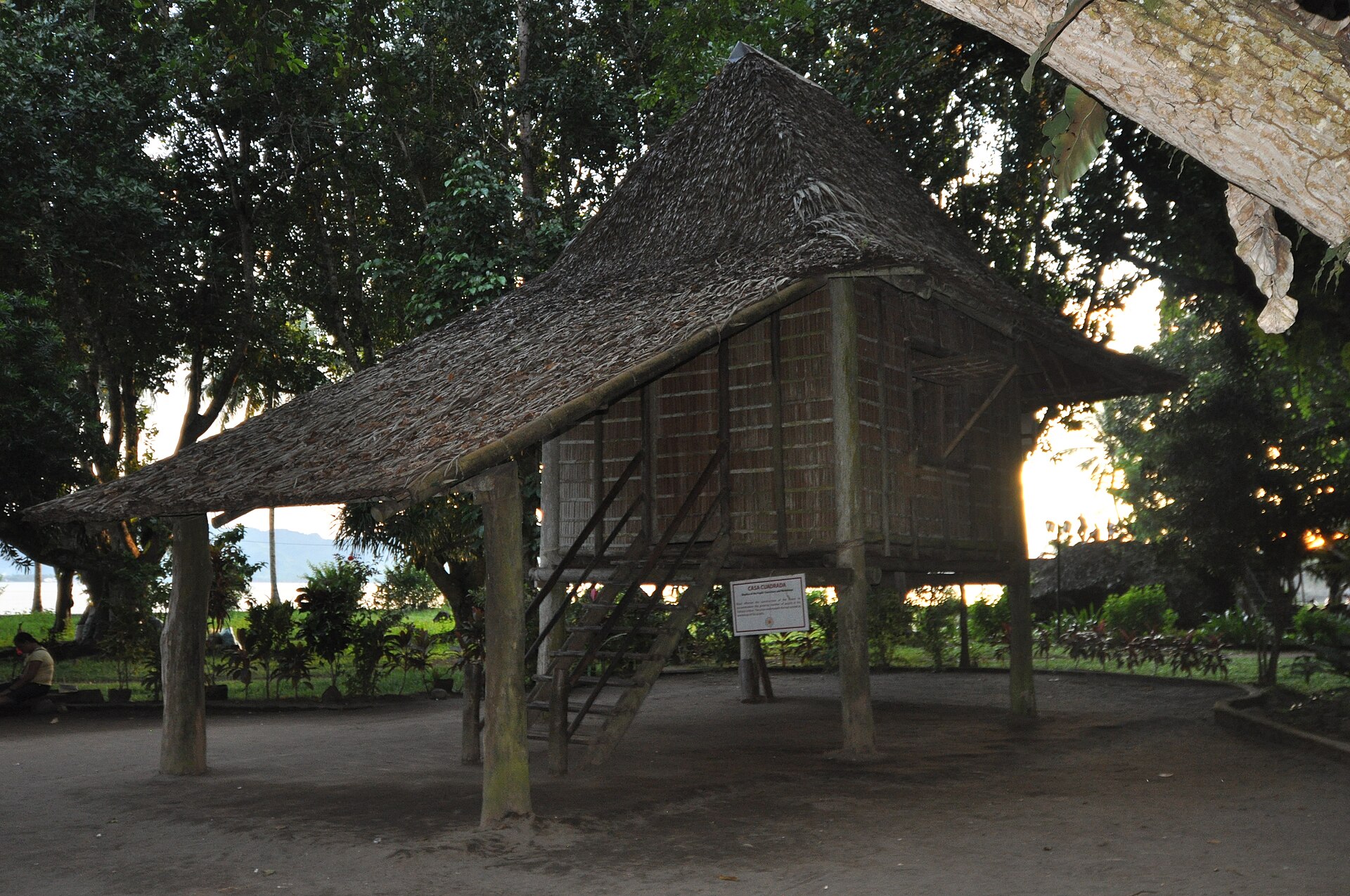
Casa Cuadrada, the schoolhouse and boys’ dormitory in Dapitan
Casa Cuadrada, the schoolhouse and workshop where Rizal taught local boys without tuition.Shakira S. Sison, CC BY-SA 3.0, via Wikimedia Commons.
A structure at the Rizal Shrine in Dapitan City
The Rizal Shrine in Dapitan, where exile became a period of medical practice and teaching.QuianCagandahan, CC BY 4.0, via Wikimedia Commons.
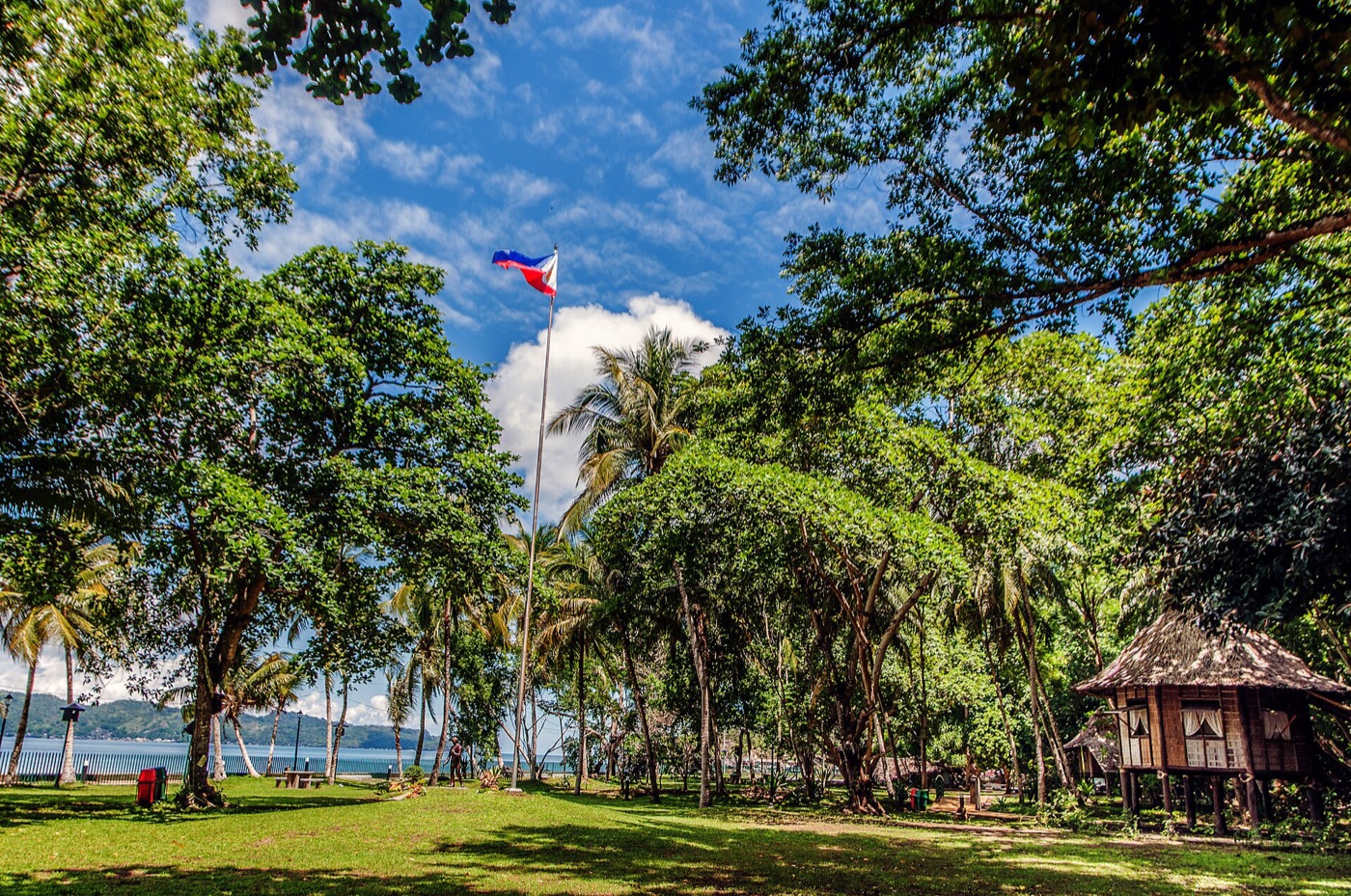
José Rizal Park and Shrine in Dapitan City
The park and shrine at Talisay, Dapitan. Rizal lived here from 1892 until 1896.Francisco M. Pajares, Jr., CC BY-SA 4.0, via Wikimedia Commons.
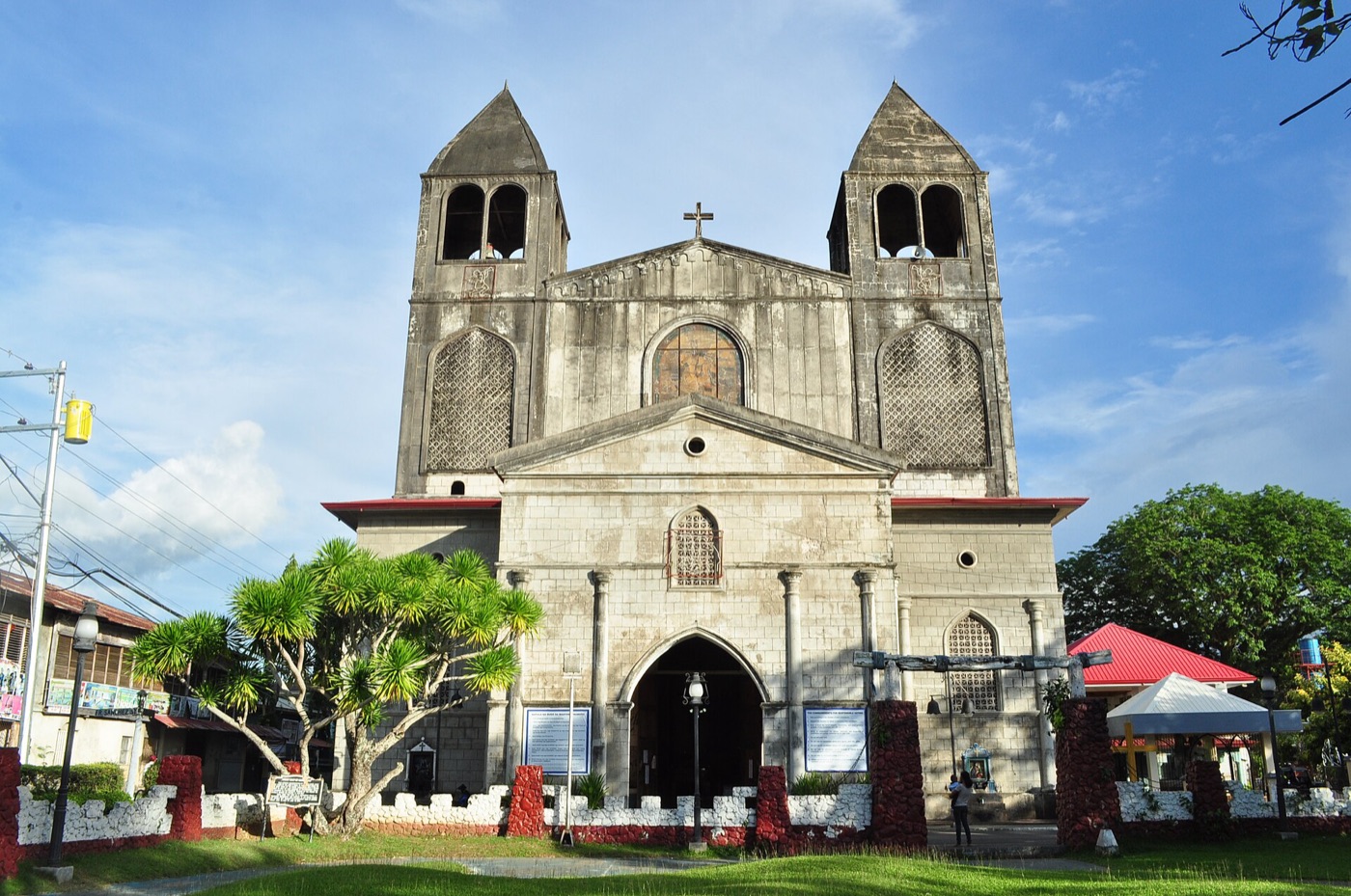
Facade of Santiago el Mayor Parish Church in Dapitan
Santiago el Mayor Parish Church, Dapitan: the town’s older institutional landscape.Project Kisame, CC BY 2.0, via Wikimedia Commons.
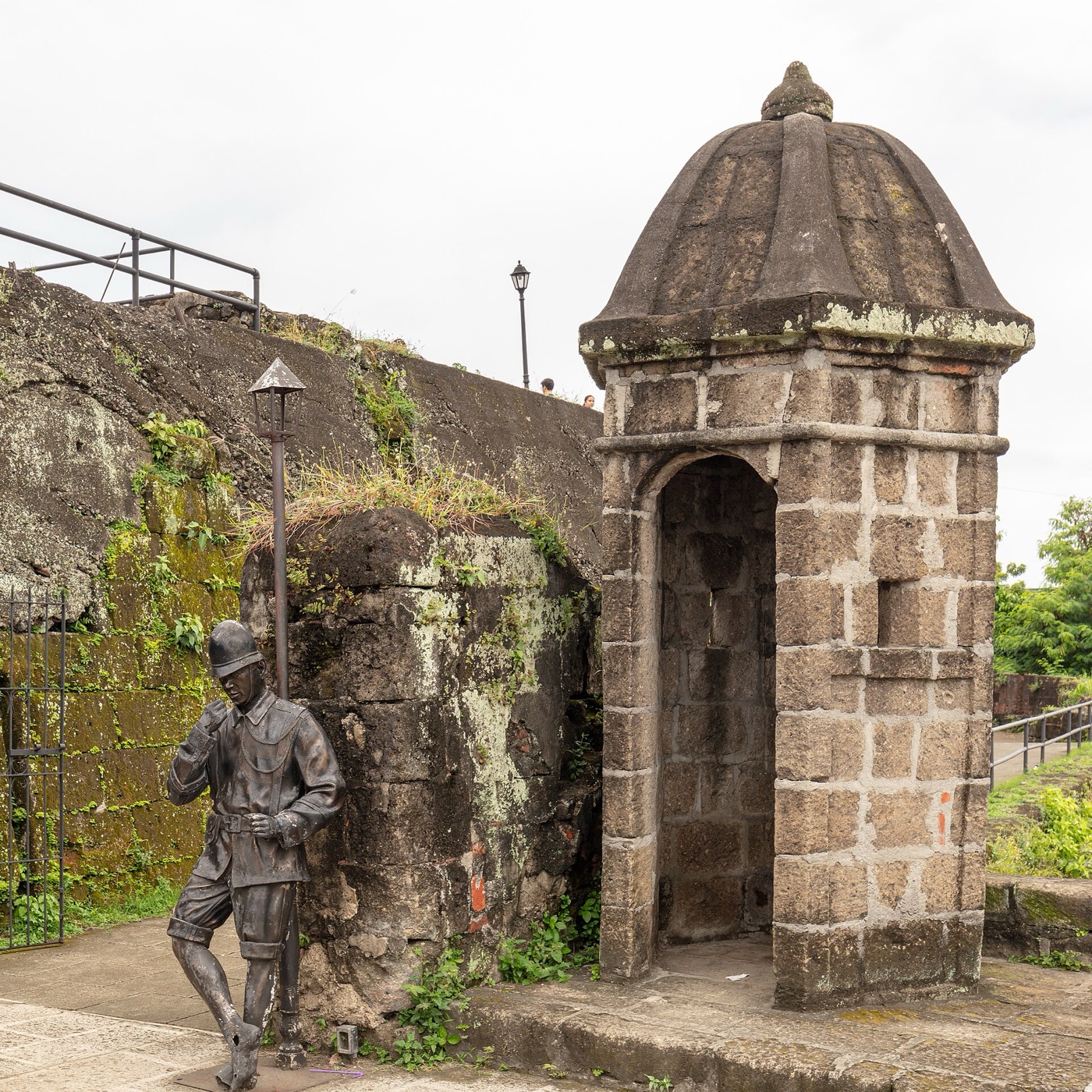
Stone walls and gateway of Fort Santiago in Manila
Fort Santiago, Intramuros. Rizal was held here before his trial and execution.Diego Delso, CC BY-SA 4.0, via Wikimedia Commons.
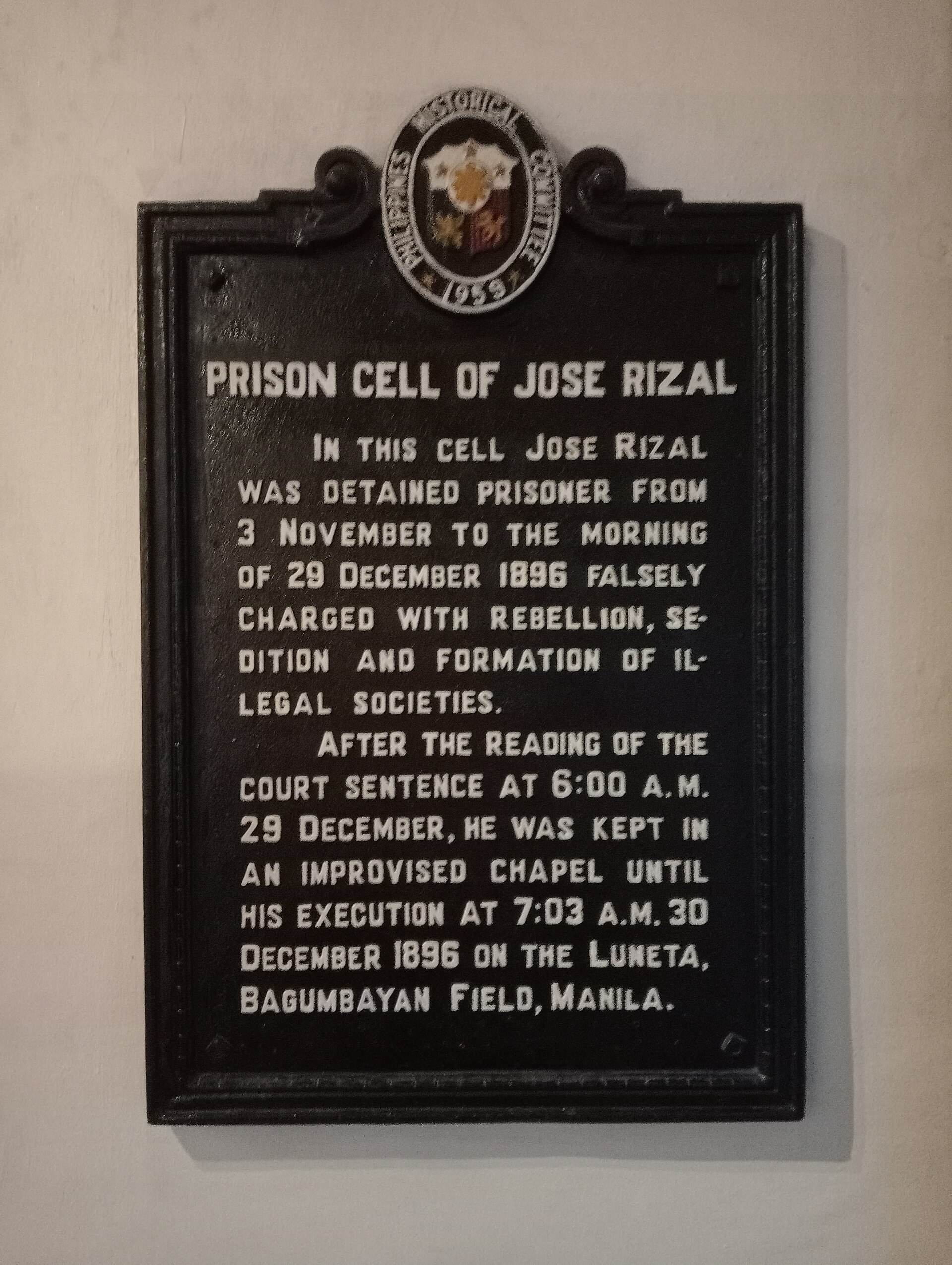
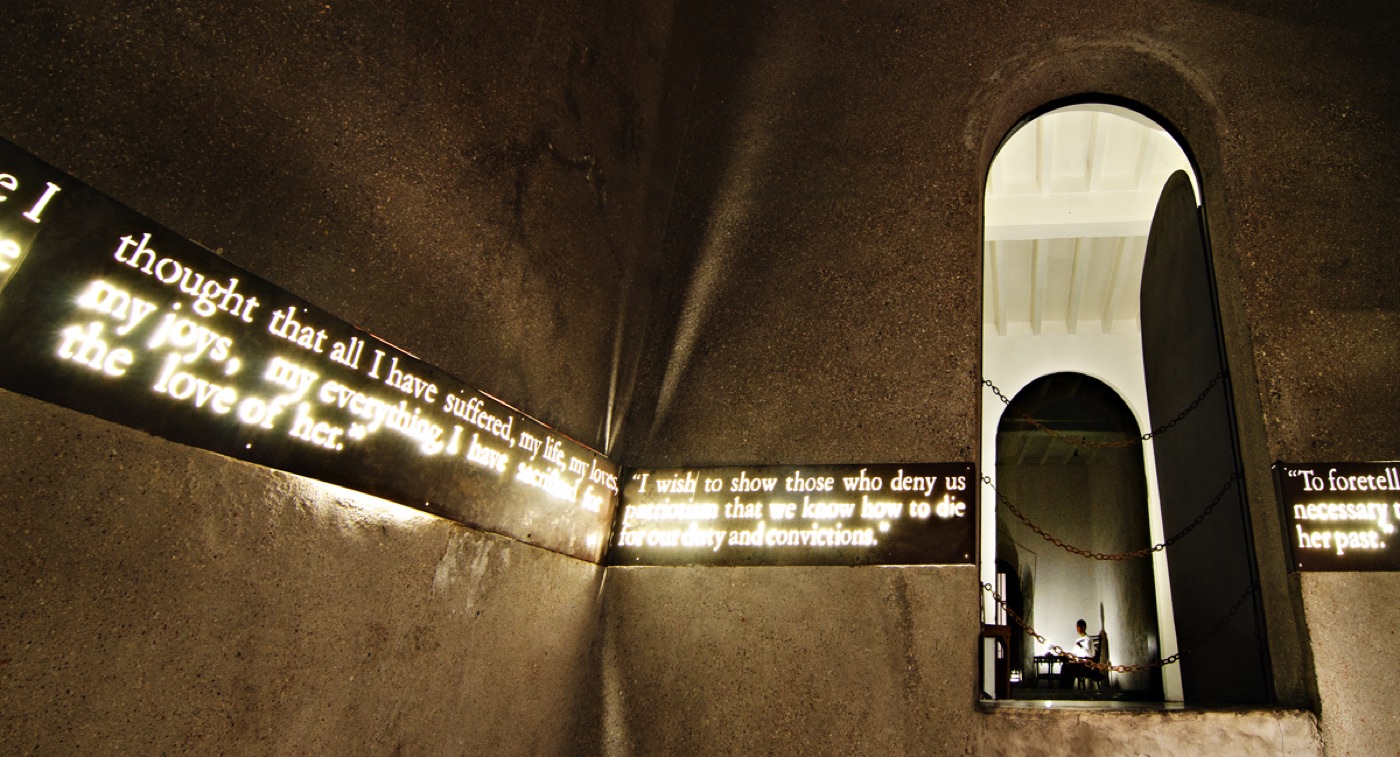
The prison cell of José Rizal inside Fort Santiago
The prison cell in Fort Santiago where Rizal was confined in late 1896 and penned Mi Último Adiós.Diego Delso, CC BY-SA 4.0, via Wikimedia Commons.
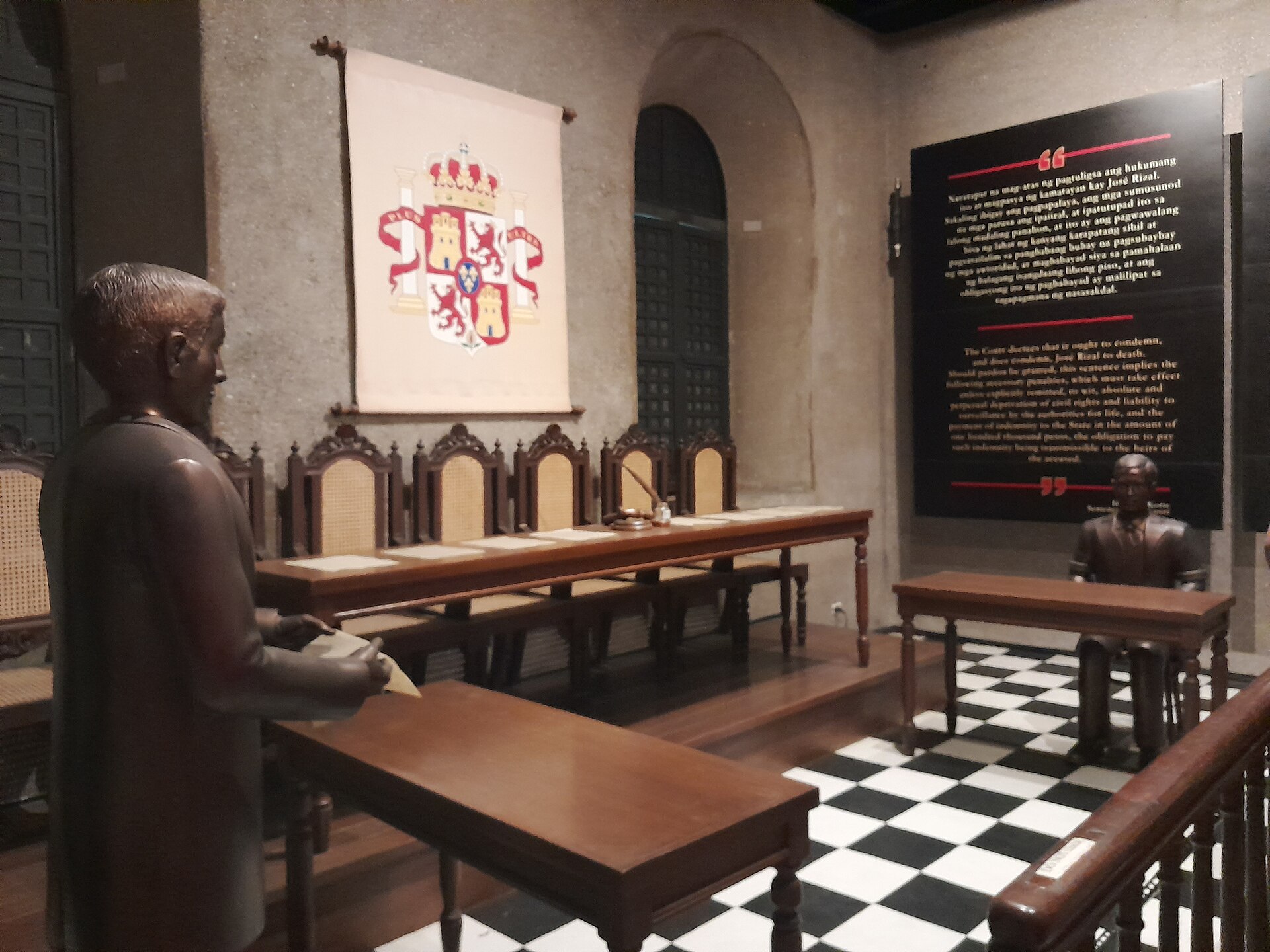
Diorama of the military trial of José Rizal at the Cuartel de España
Diorama of Rizal’s court-martial trial at the Cuartel de España in Manila on December 26, 1896.Diorama photograph via Wikimedia Commons, CC BY-SA 4.0.
Historical painting of the execution of José Rizal at Bagumbayan
Manuel Arias Rodríguez’s 1896 painting of the execution at Bagumbayan.Manuel Arias Rodríguez, 1896. Museo del Ejército, Madrid. Public domain.
Dioramic life-sized bronze sculptures depicting the execution of José Rizal at Rizal Park
The life-size bronze sculptural tableau by Eduardo Castrillo at Bagumbayan (Rizal Park), Manila.Ralff Nestor Nacor, CC BY-SA 4.0, via Wikimedia Commons.
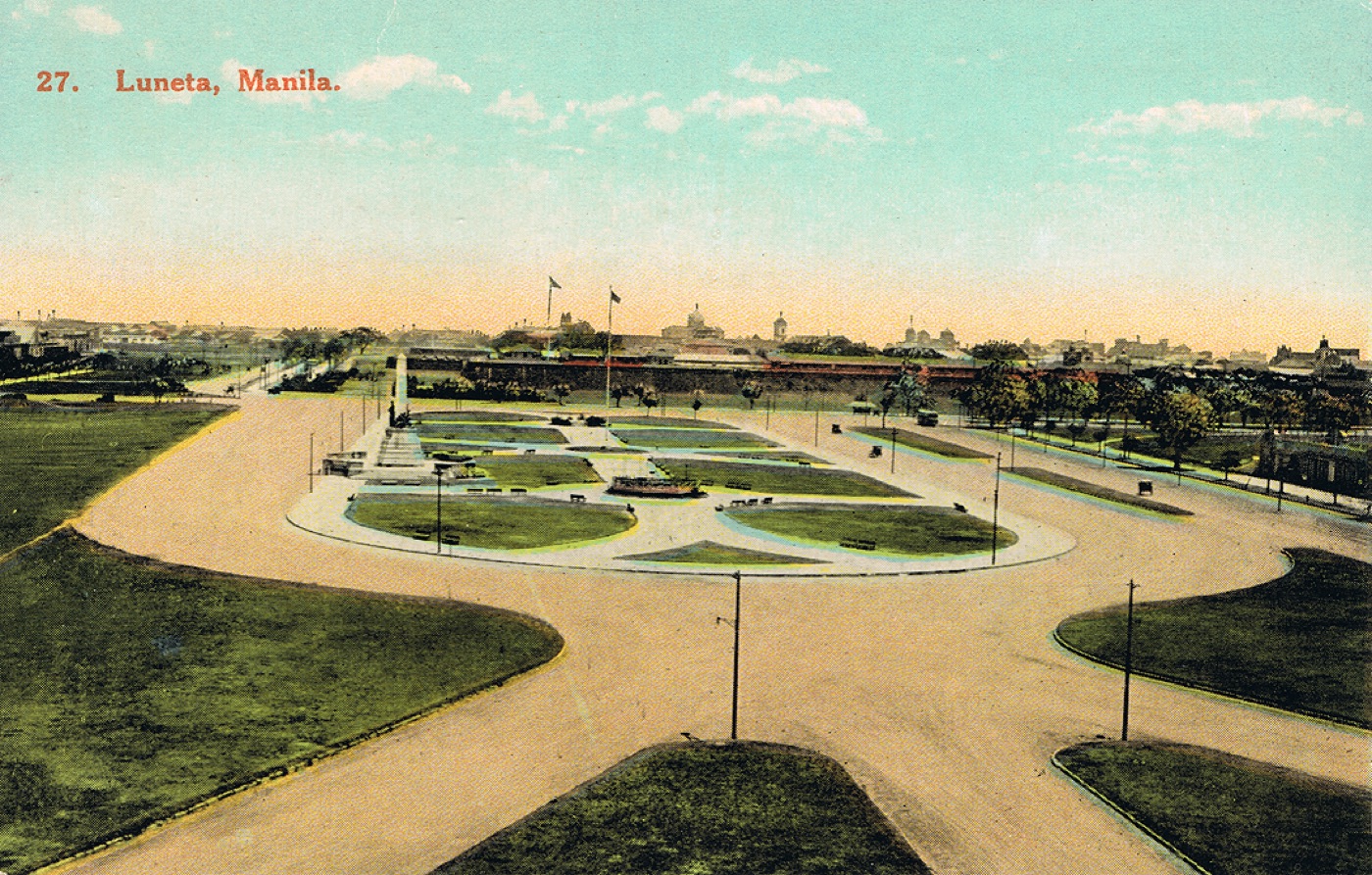
Early twentieth-century postcard of the Luneta in Manila
An early twentieth-century postcard of the Luneta, before the present monument was completed.Postcard, early twentieth century. Public domain.
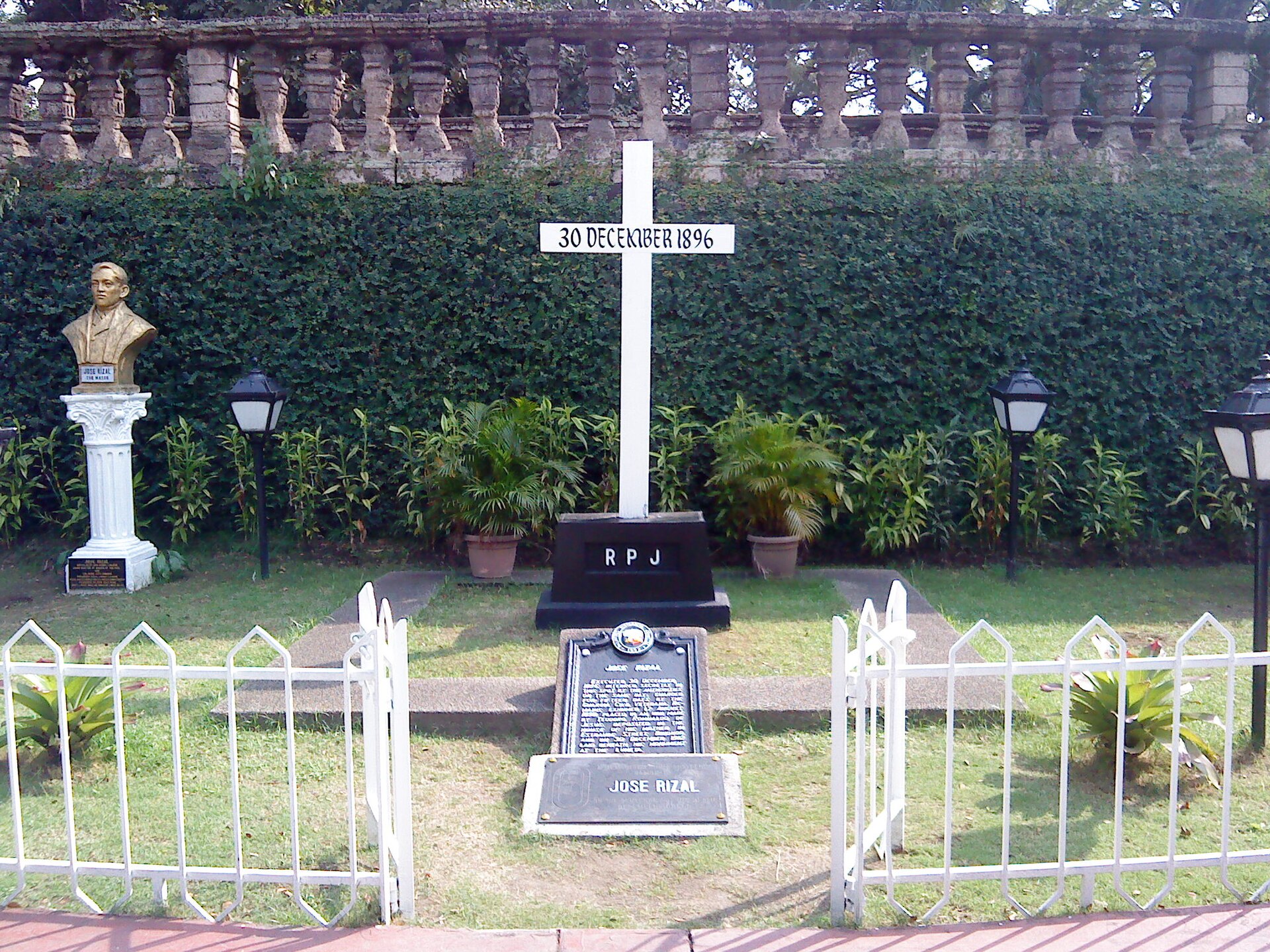
José Rizal memorial grave at Paco Park, Manila
Paco Cemetery (now Paco Park), Manila: Rizal’s secret burial site immediately following his execution in 1896.Patrick Roque, CC BY-SA 4.0, via Wikimedia Commons.
The Rizal Monument at Luneta Park in Manila
The Rizal Monument at Luneta, the memorial landscape that grew around the execution site.Bondyag112665, CC BY-SA 3.0, via Wikimedia Commons.
The Rizal Monument in Manila photographed in 2024
The same monument in 2024: national memory is also a maintenance project.Ernest Malsin, CC BY 4.0, via Wikimedia Commons.
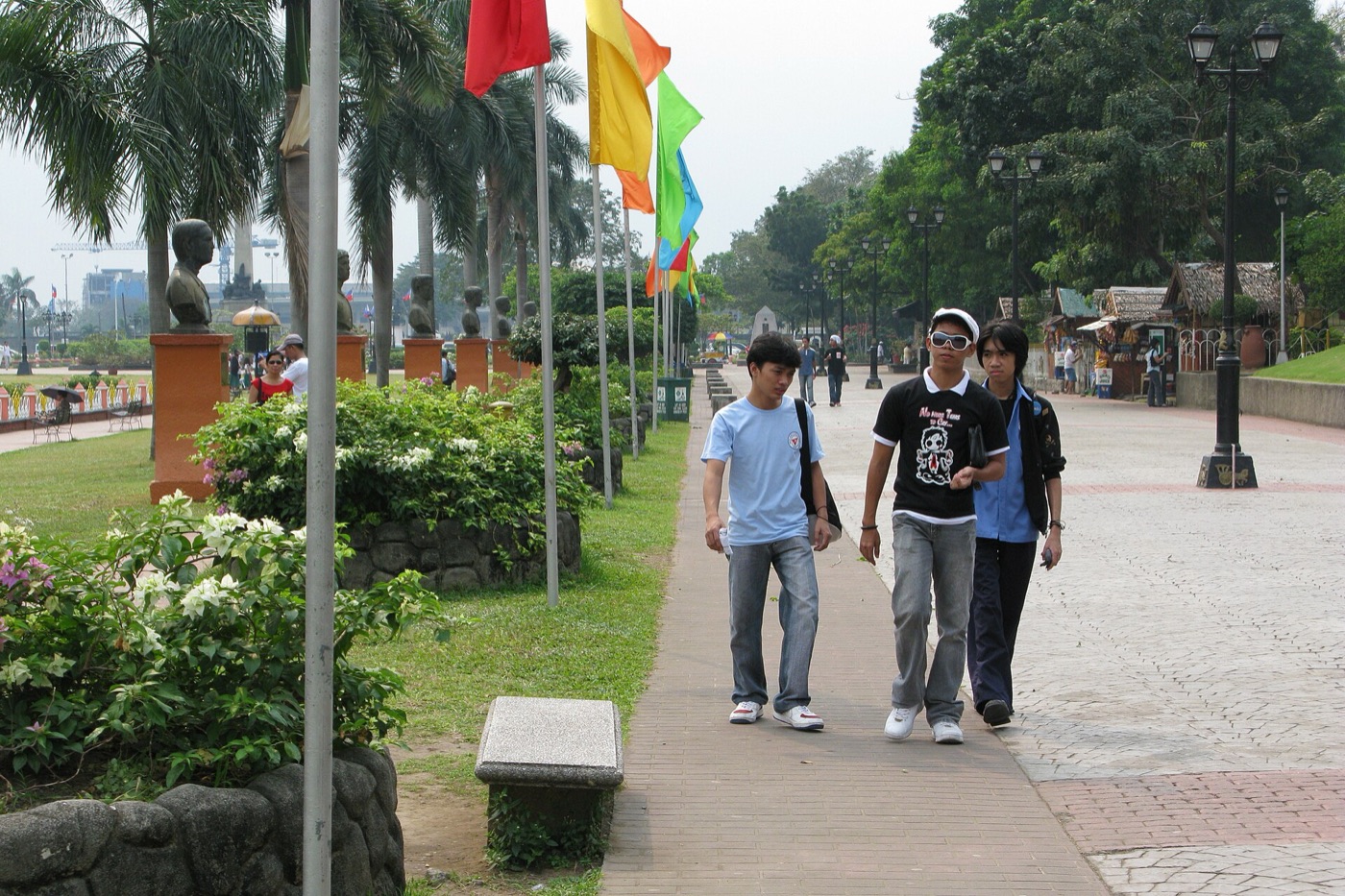
Grounds and trees of Rizal Park in Manila
Rizal Park today. The open grounds invite commemoration and everyday public life.Vyacheslav Argenberg, CC BY 4.0, via Wikimedia Commons.
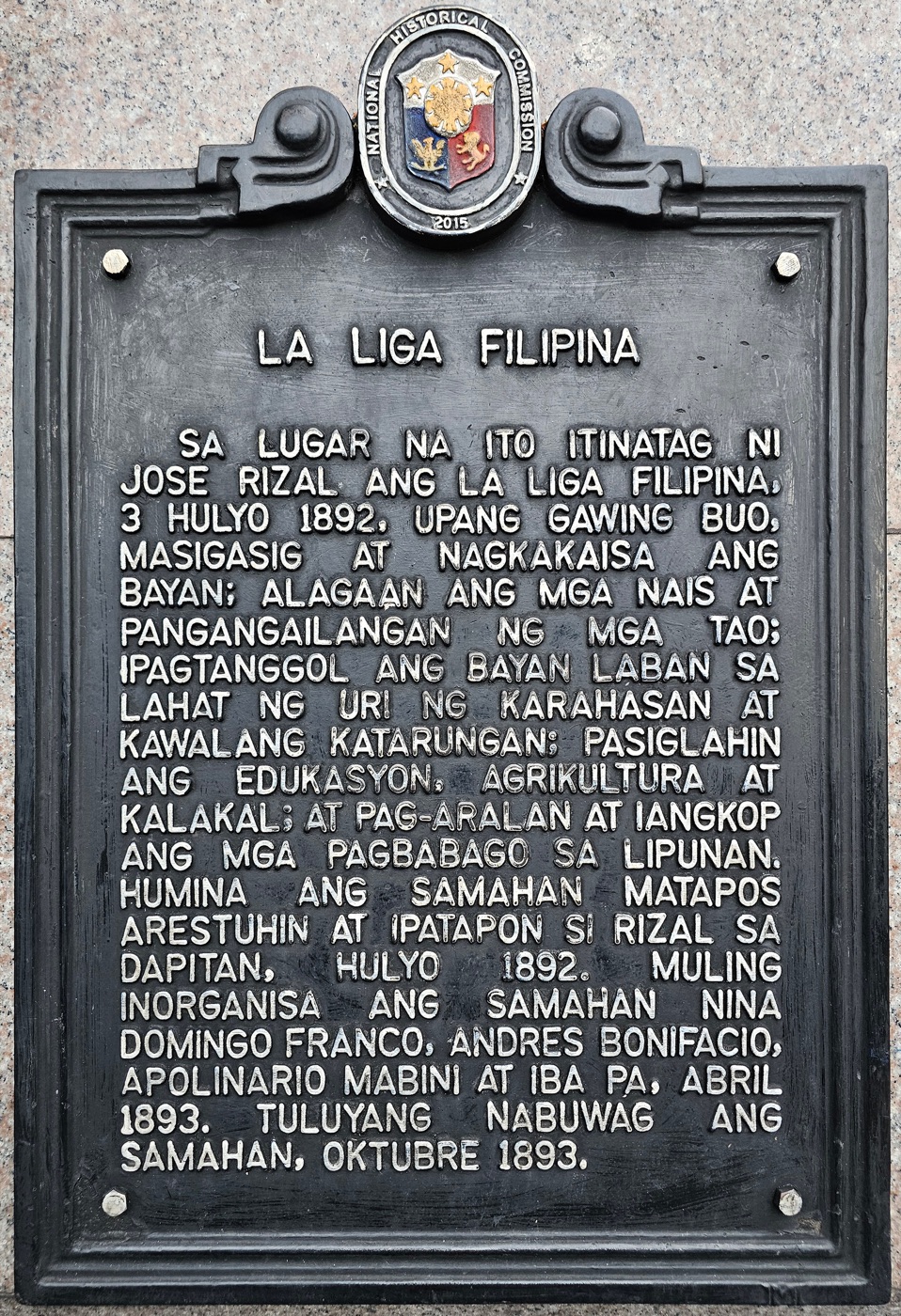
National Historical Commission marker for La Liga Filipina
The 2015 National Historical Commission marker for La Liga Filipina in Manila.Andre Ryan Maceda, CC BY-SA 4.0, via Wikimedia Commons.
Historical marker associated with Mi Último Adiós
Historical marker connected to “Mi Último Adiós,” the poem Rizal hid in an alcohol lamp.Christian Sangoyo, CC BY-SA 3.0, via Wikimedia Commons.
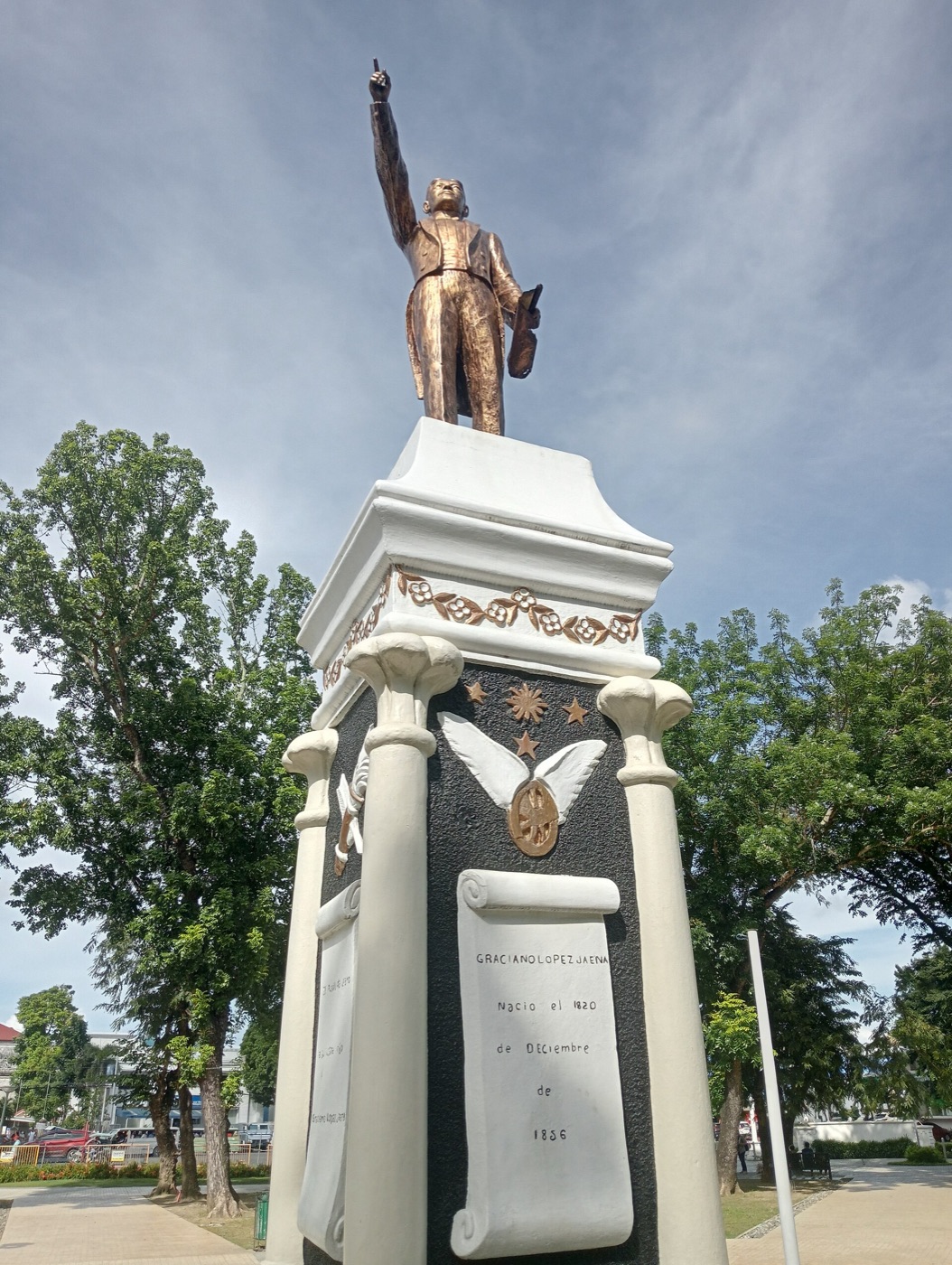
Monument to Graciano López Jaena in Jaro, Iloilo City
The López Jaena monument in Jaro, Iloilo City.Ralff Nestor Nacor, CC BY-SA 4.0, via Wikimedia Commons.
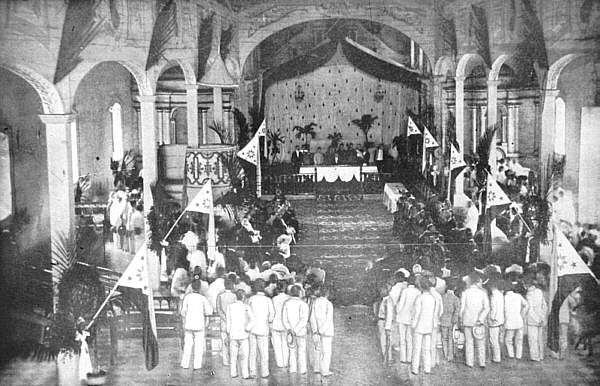
Historic photograph of the Malolos Congress delegates in session at Barasoain Church, 1898
The Malolos Congress inside Barasoain Church in September 1898, drafting the first democratic constitution in Asia.Photograph, 1898. Public domain.
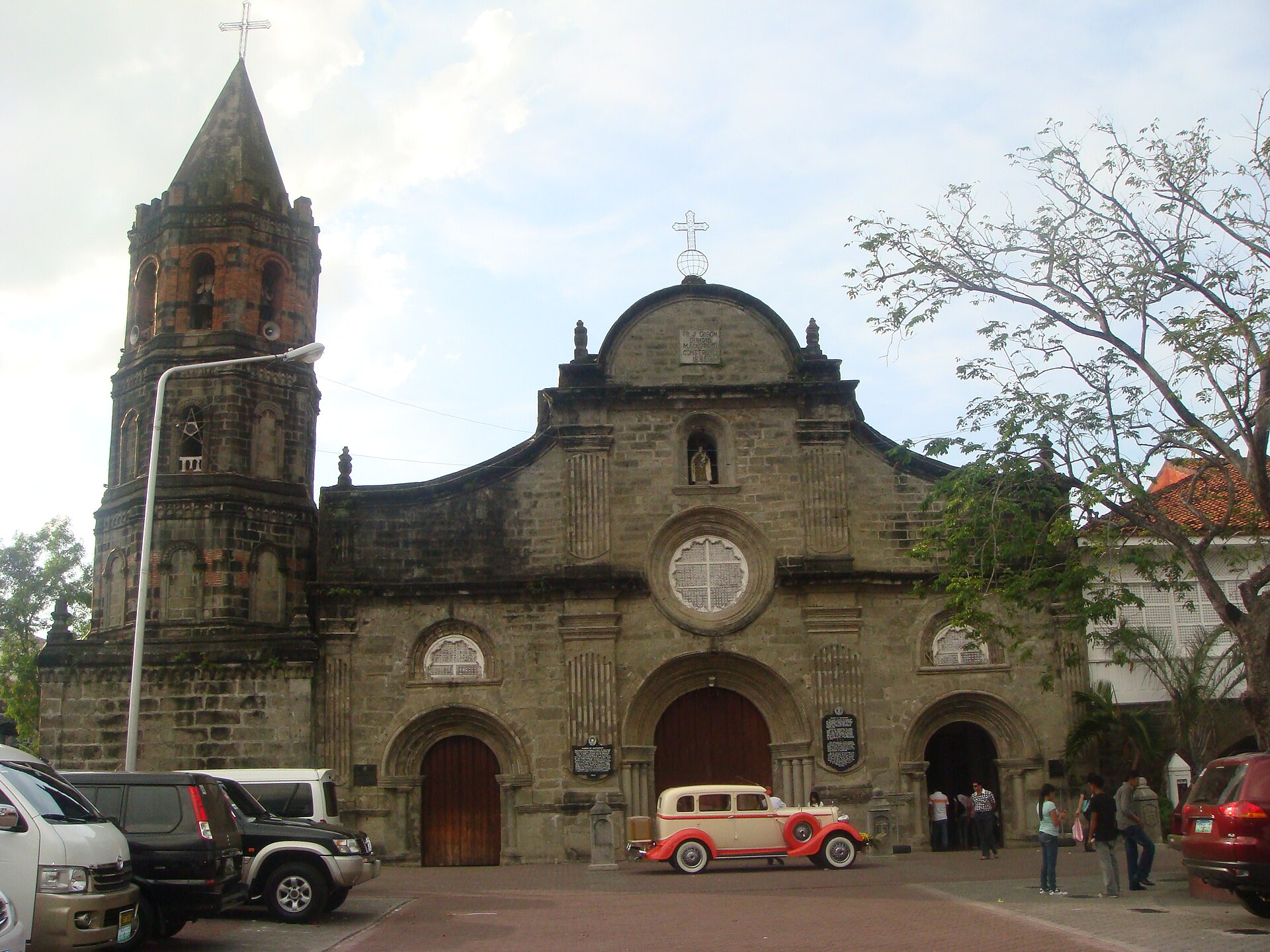
Barasoain Church in Malolos, Bulacan, birthplace of the First Philippine Republic
Barasoain Church in Malolos, Bulacan: cradle of the First Philippine Republic and the site of the Malolos Congress.Ramon FVelasquez, CC BY-SA 3.0, via Wikimedia Commons.
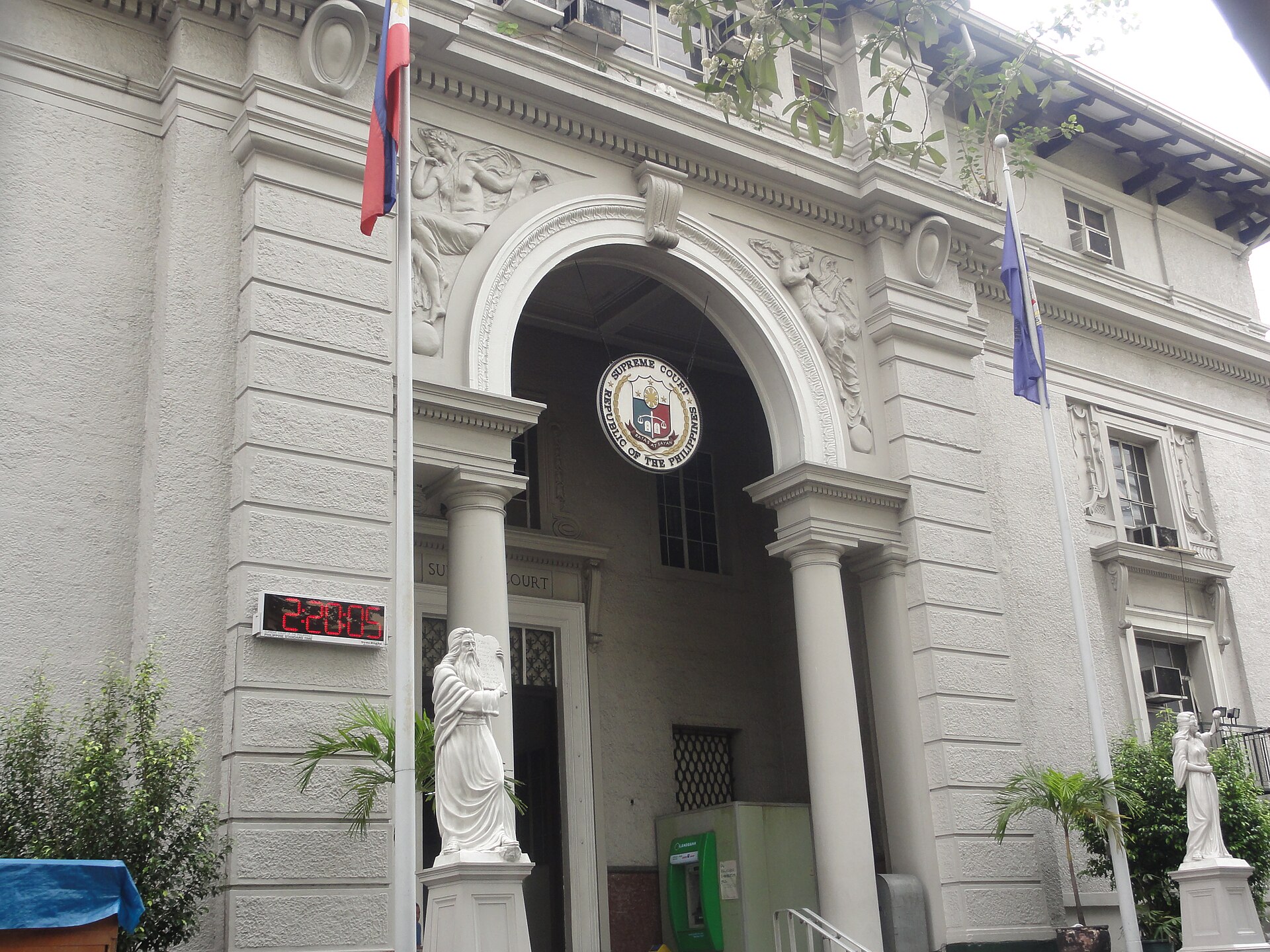
The Supreme Court of the Philippines building on Padre Faura Street, Manila
The Supreme Court of the Philippines along Padre Faura Street, Manila, guardian of due process and civil liberties.Judgefloro, Public domain, via Wikimedia Commons.

Images are reproduced at a maximum of 1400 pixels on the long edge. Captions and credits are repeated on the References page, which also links each file page and license.