The people
around the man.

Rizal did not become Rizal alone. Family, teachers, friends, editors, and political rivals made his work possible—and argued with it.
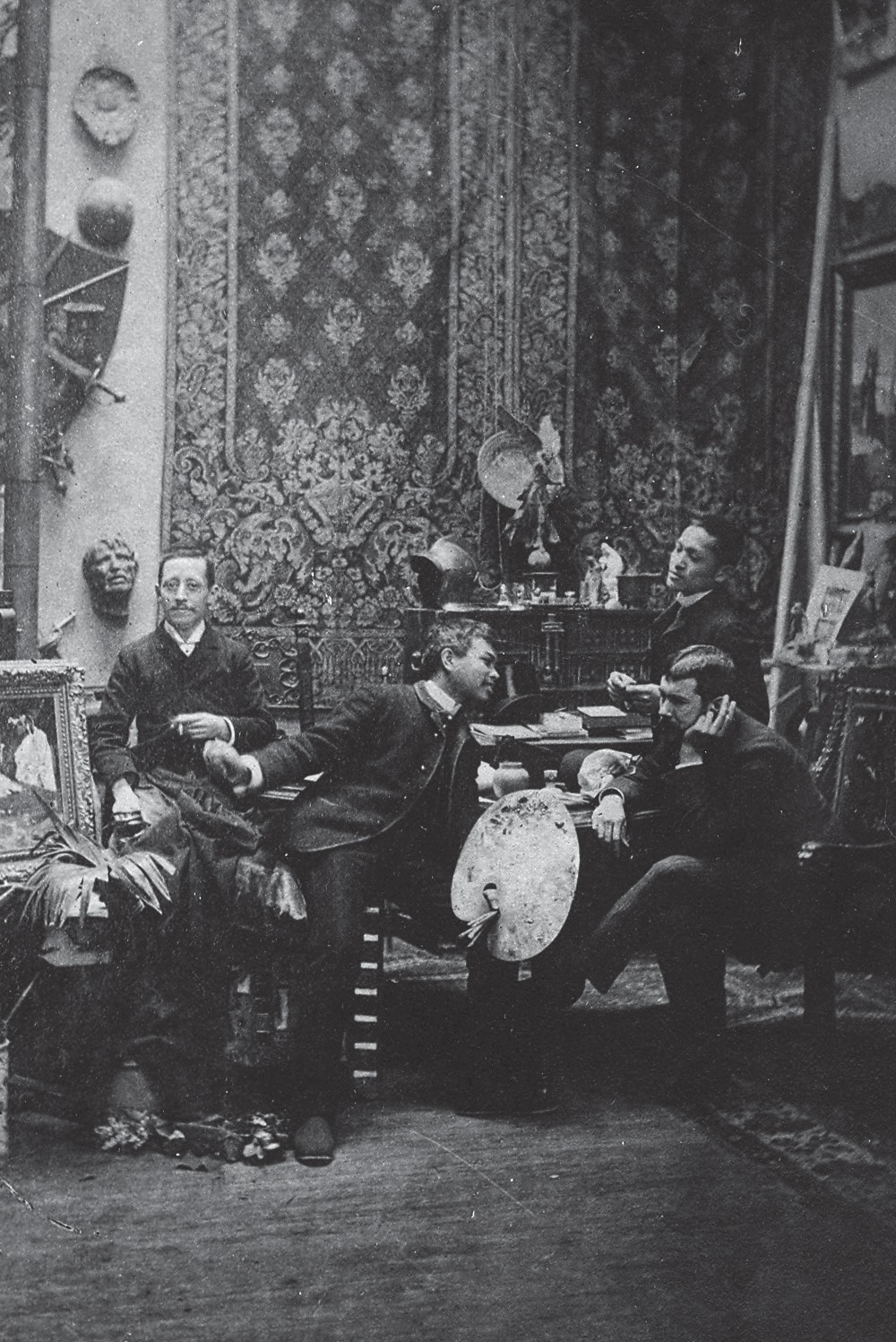
José Rizal, Juan Luna, and Valentin Ventura in Luna’s Paris studio
Los Indios Bravos: José Rizal, Juan Luna, and Valentin Ventura in Luna’s Paris studio, c. 1889. Photograph, c. 1889. Public domain.

No solitary genius.

The romantic image of the lone hero hides the households, friendships, printing presses, and political networks that made the work possible.

Family

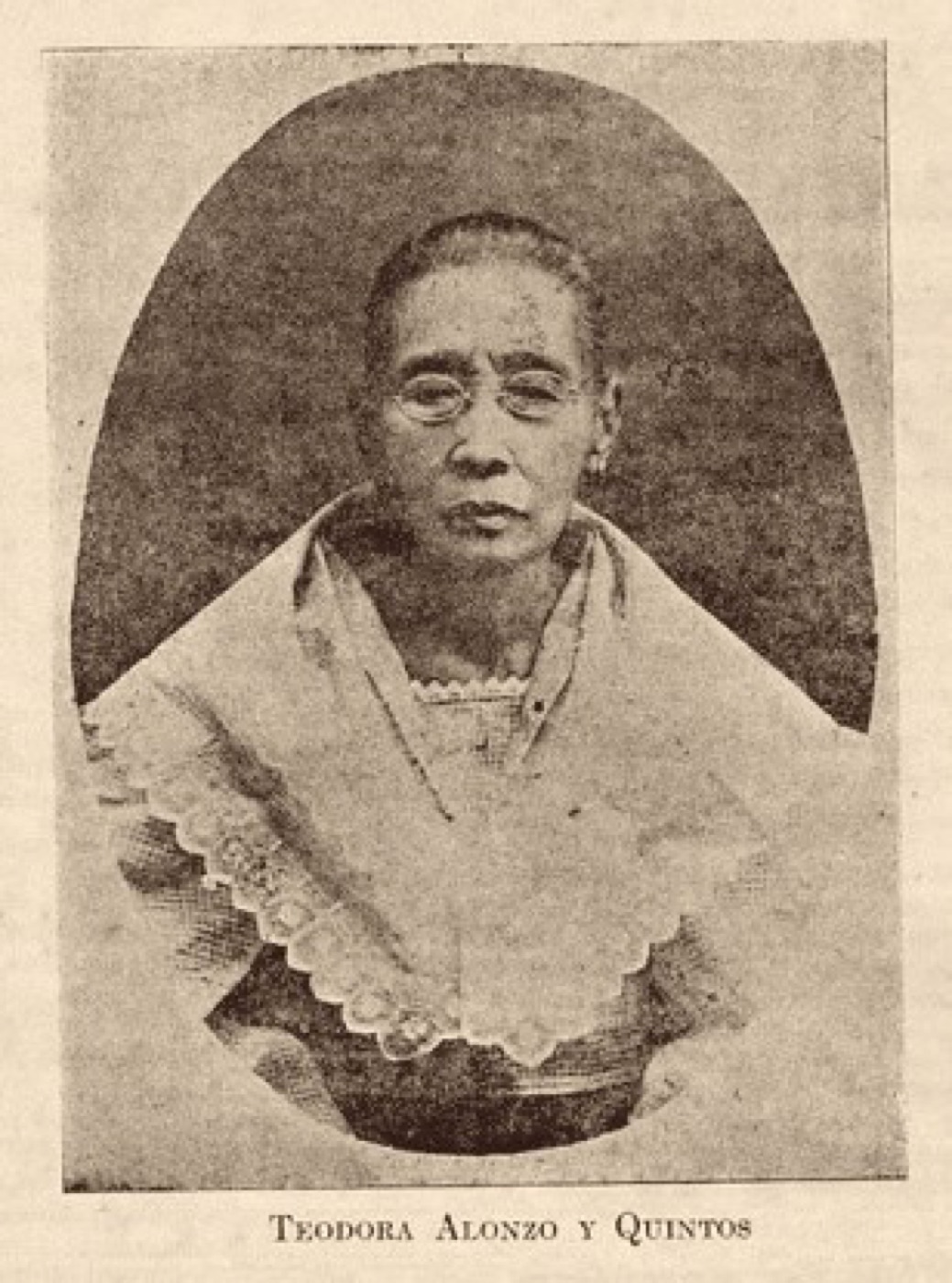
Portrait of Teodora Alonso y Quintos, Rizal’s mother
Mother · 1827–1911Reproduced in Pascual Hicaro Poblete, Buhay at Mga Ginawa ni Dr. Jose Rizal (1909). Public domain.

Teodora Alonso y Quintos

Mother · 1827–1911

Rizal’s first teacher. Her education, business experience, and courage shaped the household’s emphasis on learning.

Rizal wrote movingly of her unjust arrest and forced walk of 50 kilometers on foot.
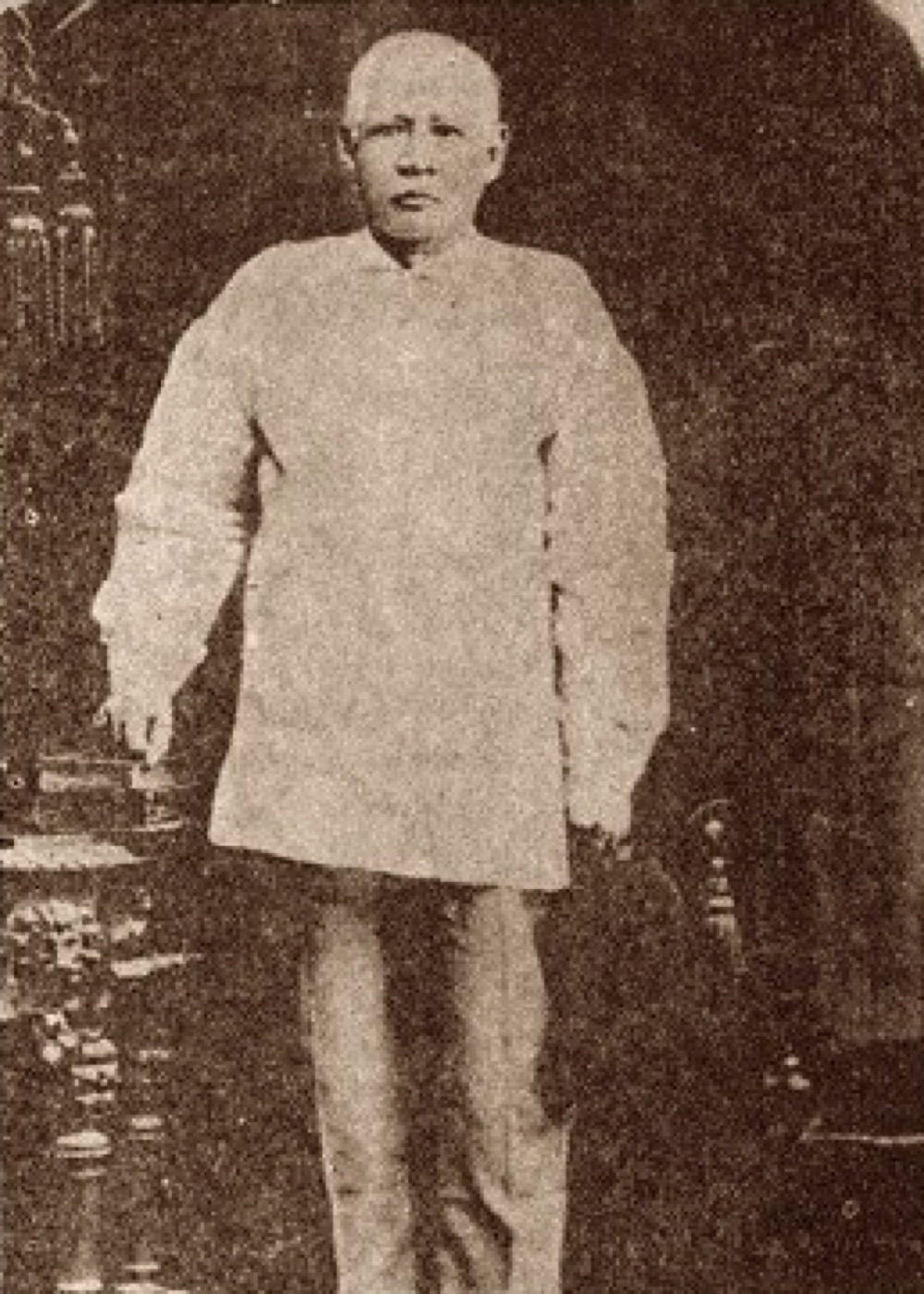
Portrait of Francisco Rizal Mercado, Rizal’s father
Father · 1818–1898Reproduced in Pascual Hicaro Poblete, Buhay at Mga Ginawa ni Dr. Jose Rizal (1909). Public domain.

Francisco Rizal Mercado

Father · 1818–1898

A tenant farmer in Calamba whose hard work leased lands from the Dominican hacienda to educate his children.

The family’s land dispute with the friar estate led to eviction and the destruction of the family house.
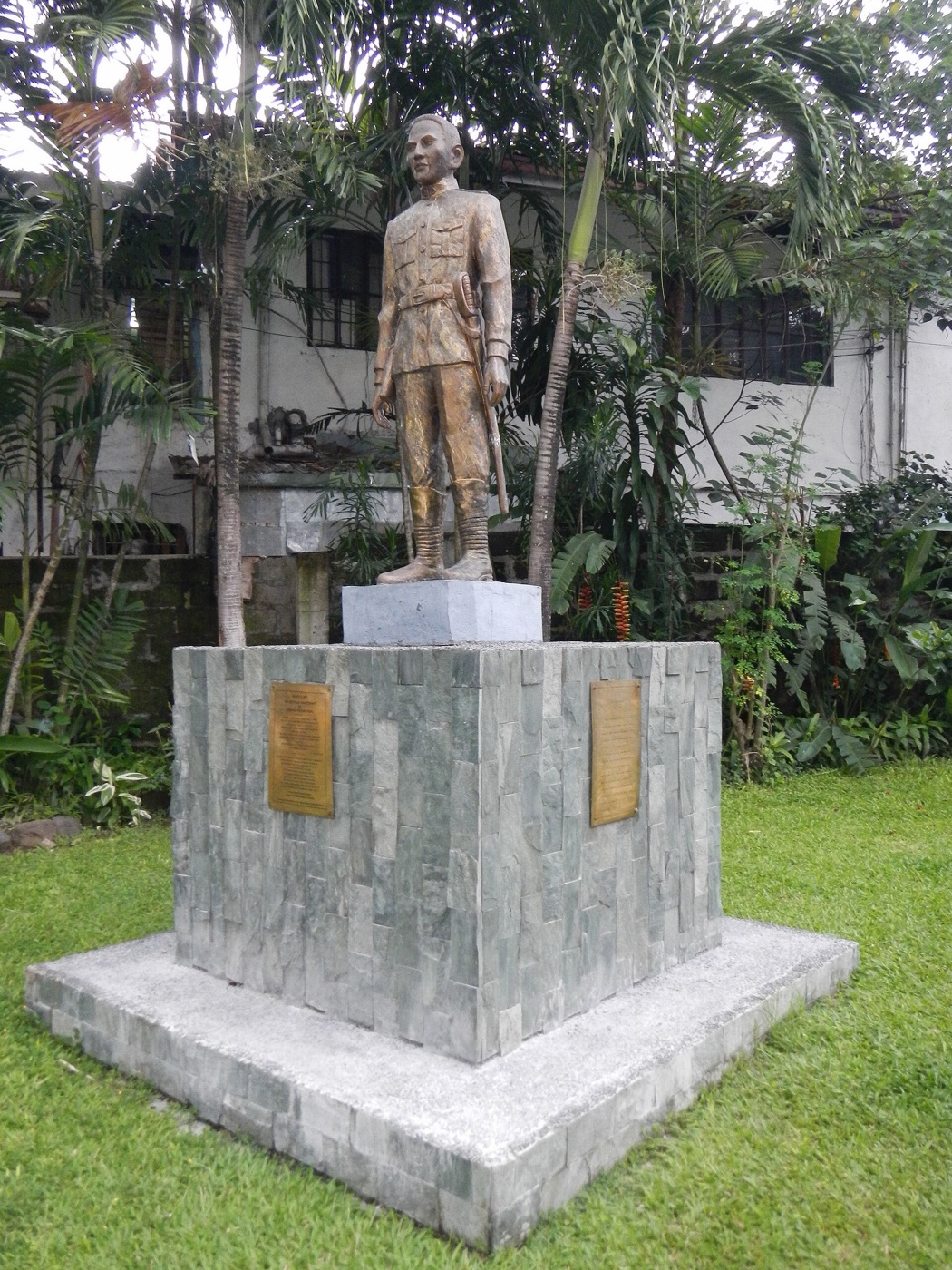
Monument and tomb of Paciano Rizal in Los Baños, Laguna
Brother · 1851–1930Ramon FVelasquez, CC BY-SA 3.0, via Wikimedia Commons.

Paciano Rizal

Brother · 1851–1930

Rizal’s older brother, who funded José’s European studies, endured torture in Fort Santiago, and later served as a general in the Philippine Revolution.

Paciano’s political sacrifice dispels the myth of Rizal as a solitary actor.
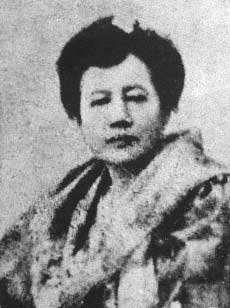
Portrait of Saturnina Rizal Hidalgo, Rizal’s eldest sister
Eldest Sister · 1850–1913Photograph, late 19th century. Public domain.

Saturnina Rizal Hidalgo

Eldest Sister · 1850–1913

“Neneng,” eldest of the Rizal siblings, who helped finance José’s travels and looked after the family during persecution.

Her letters provided Rizal with grounded news of Laguna politics.
Portrait of Trinidad Rizal, sister of José Rizal
Sister · 1868–1951Photograph, c. 1900. Public domain.

Trinidad Rizal

Sister · 1868–1951

Rizal’s sister who visited him in Fort Santiago on December 29, 1896, and to whom he handed the alcohol lamp containing the draft of Mi Último Adiós.

She later joined the Katipunan women’s chapter and safeguarded Rizal’s literary relics.
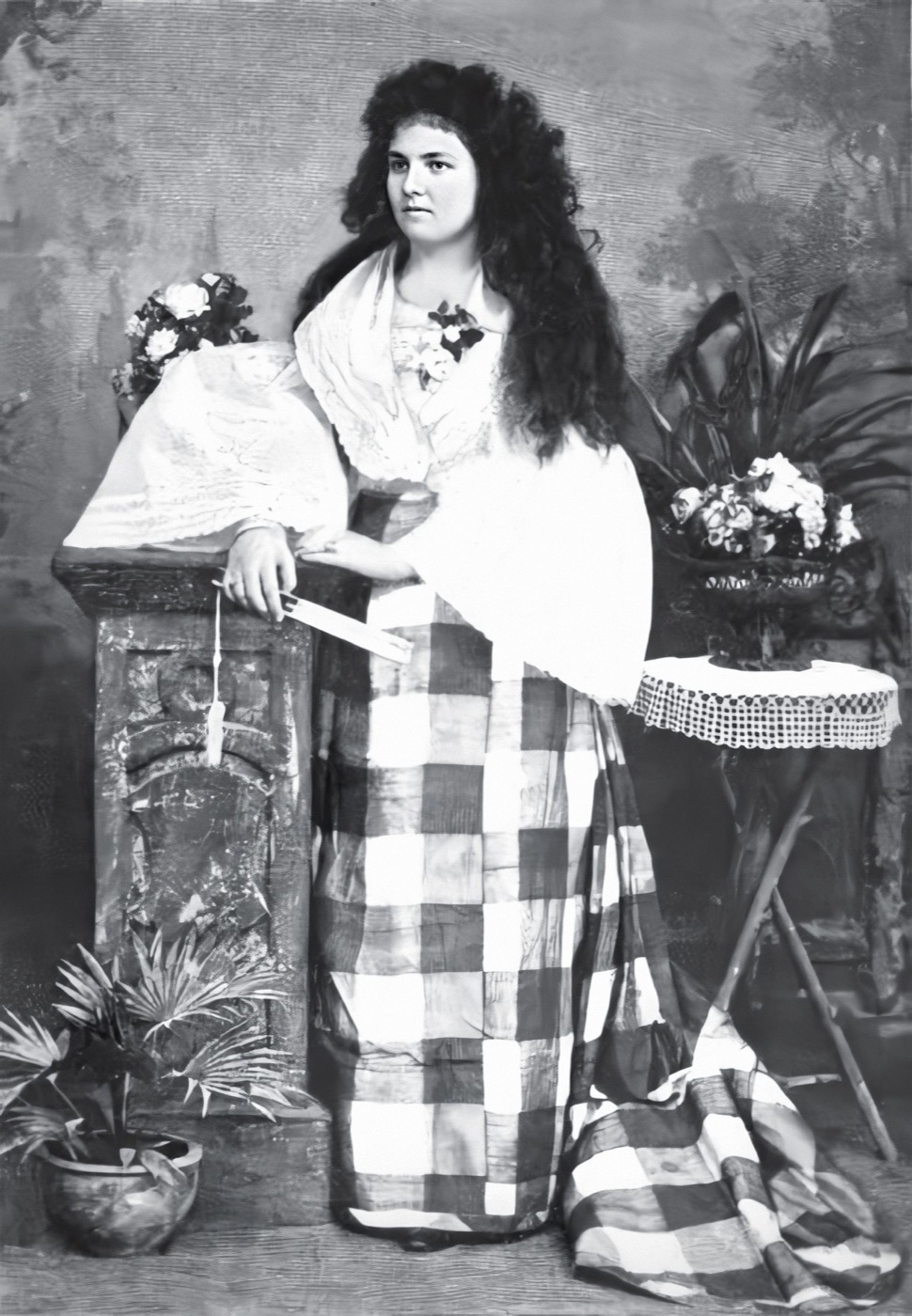
Portrait of Josephine Bracken in traditional dress
Companion · 1876–1902Austin Craig, Lineage, Life and Labors of José Rizal (1913). Public domain.

Josephine Bracken

Companion · 1876–1902

Rizal’s companion in Dapitan who shared his exile and later joined revolutionary forces in Cavite after his martyrdom.

Her courageous story after 1896 reveals an active participant in Philippine history.
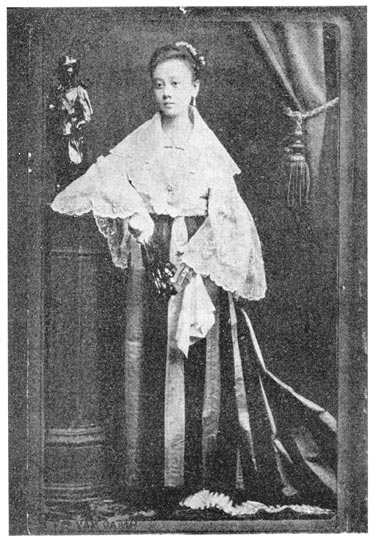
Portrait of Leonor Rivera, childhood sweetheart of José Rizal
Sweetheart and Muse · 1867–1893Studio photograph, late 19th century. Public domain.

Leonor Rivera

Sweetheart and Muse · 1867–1893

Rizal’s sweetheart for eleven years and the real-life prototype for María Clara in Noli Me Tangere.

Her mother intercepted Rizal’s letters from Europe, forcing her into a sorrowful marriage that broke Rizal’s heart.
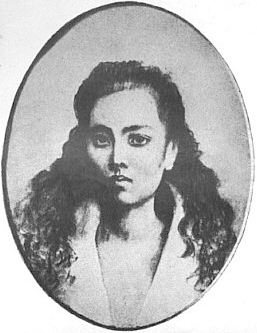
Crayon sketch of Leonor Rivera drawn by José Rizal
Rizal’s crayon sketch of LeonorCrayon sketch of Leonor Rivera drawn by José Rizal during their youth.José Rizal, c. 1880s. Public domain.
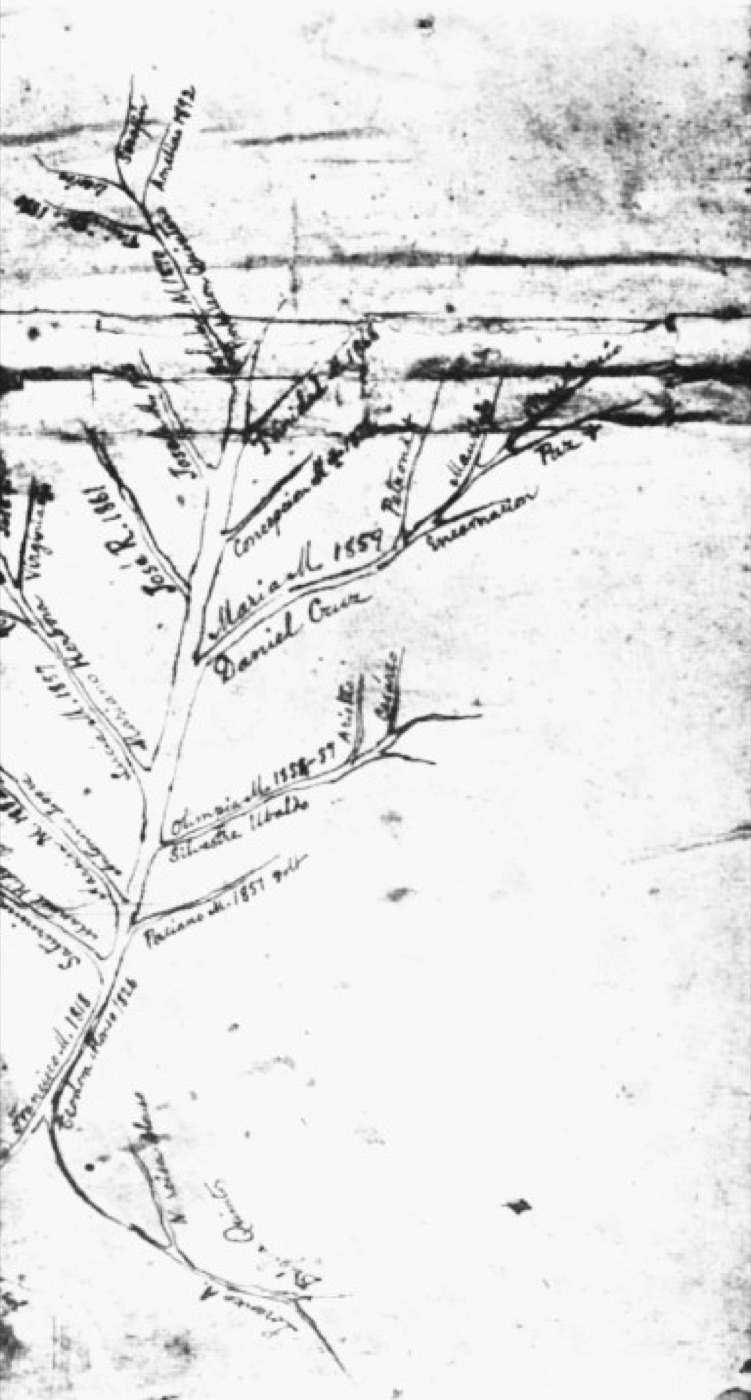
Hand-drawn family tree made by José Rizal
A family tree drawn by RizalFamily tree drawn by Rizal in Dapitan, from Austin Craig’s 1913 biography.José Rizal, 1890s. Public domain.
Archival bust portrait of José Rizal, facing left
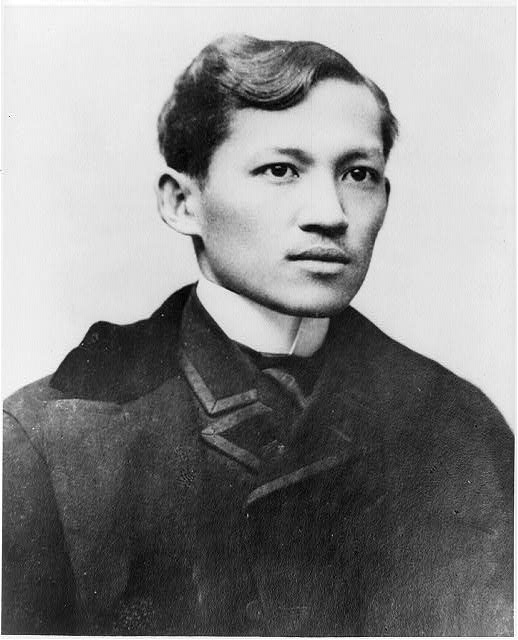
The archival portraitThe project’s primary archival portrait of Rizal, from the Library of Congress.Library of Congress, LC-USZ62-43453. No known restrictions on publication.

Friends and the Propaganda network

Portrait of Ferdinand Blumentritt
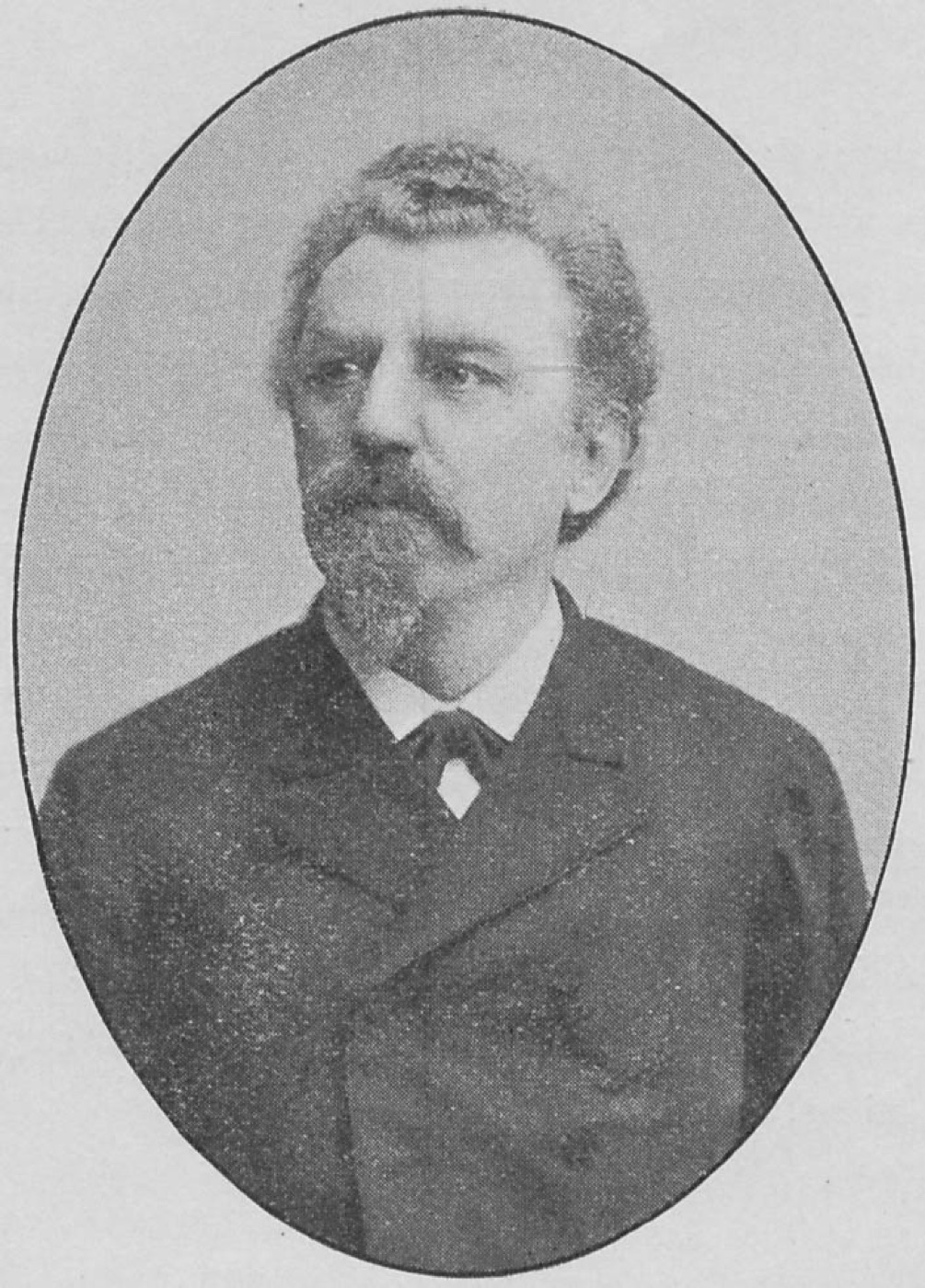
Scholar and friend · 1853–1913Onze Musici (1898). Public domain.

Ferdinand Blumentritt

Scholar and friend · 1853–1913

Austrian ethnographer and professor who became Rizal’s dearest intellectual correspondent, translating and defending his works in Europe.

Their letters reveal a dialogue on language, ethnography, and national sovereignty.
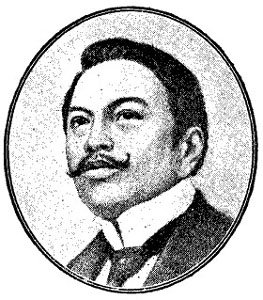
Portrait of painter Juan Luna
Master Painter · 1857–1899Pascual Poblete, Buhay at Mga Ginawa ni Dr. Jose Rizal (1909). Public domain.

Juan Luna

Master Painter · 1857–1899

Creator of Spoliarium and brother of General Antonio Luna. He and Rizal trained together in fencing and advocated for Filipino dignity in Paris.

His 1884 victory proved Filipino artistic equality on the world stage.
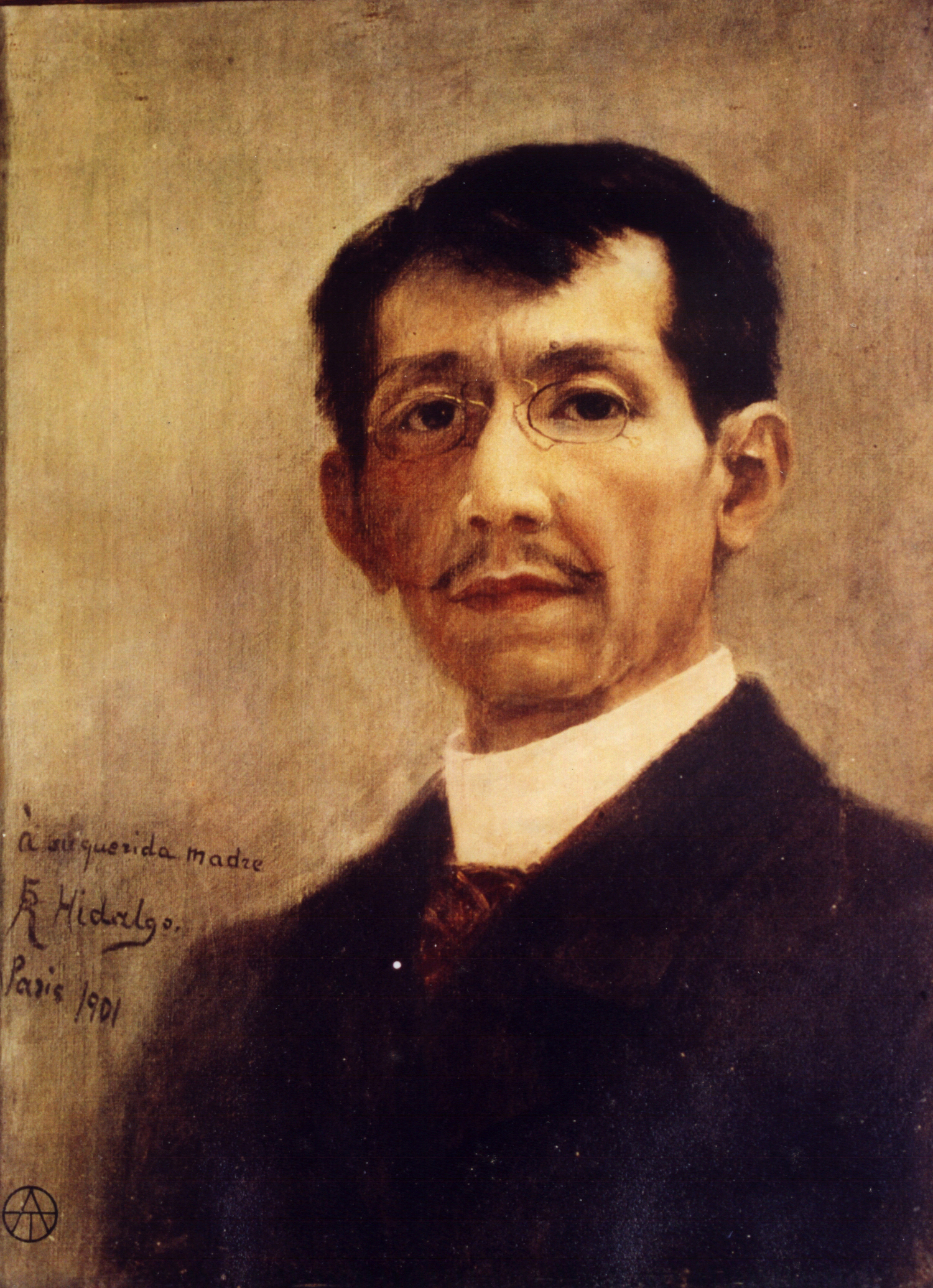
Self-portrait of painter Félix Resurrección Hidalgo
Master Painter · 1855–1917Félix Resurrección Hidalgo, c. 1890s. Public domain.

Félix Resurrección Hidalgo

Master Painter · 1855–1917

Awarded the silver medal in Madrid in 1884. His classical mastery alongside Luna formed the twin pillars of Filipino artistic prestige in Spain.

Rizal celebrated Hidalgo’s refined, poetic sensibility in his Madrid Brindis.
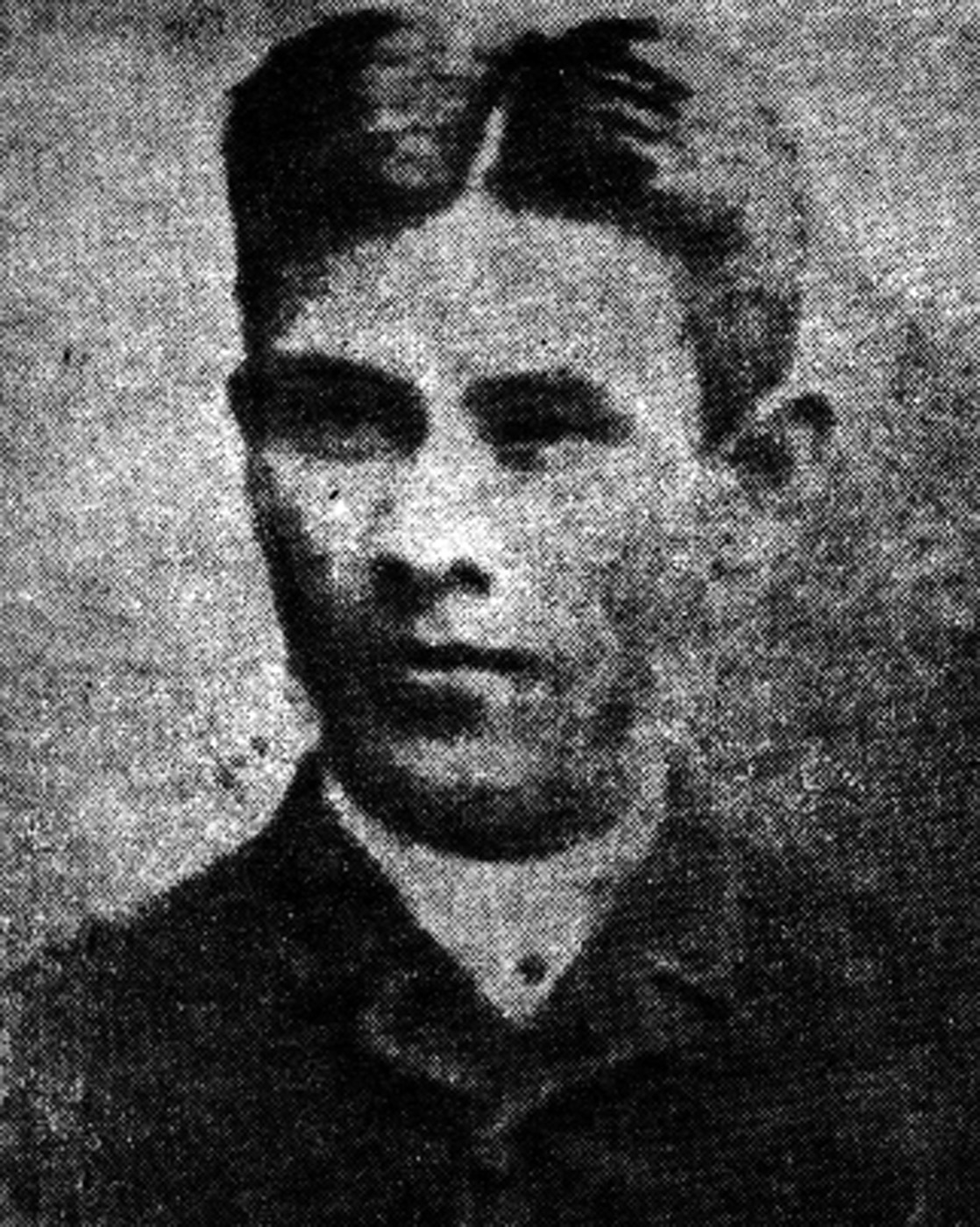
Portrait of Dr. Máximo Viola
Friend and Benefactor · 1857–1933Portrait via Geni / Wikimedia Commons, CC BY-SA 4.0.

Dr. Máximo Viola

Friend and Benefactor · 1857–1933

Physician from San Miguel, Bulacan who loaned Rizal the funds to print the first edition of Noli Me Tangere in Berlin.

Publication was a collective feat of trust and solidarity.
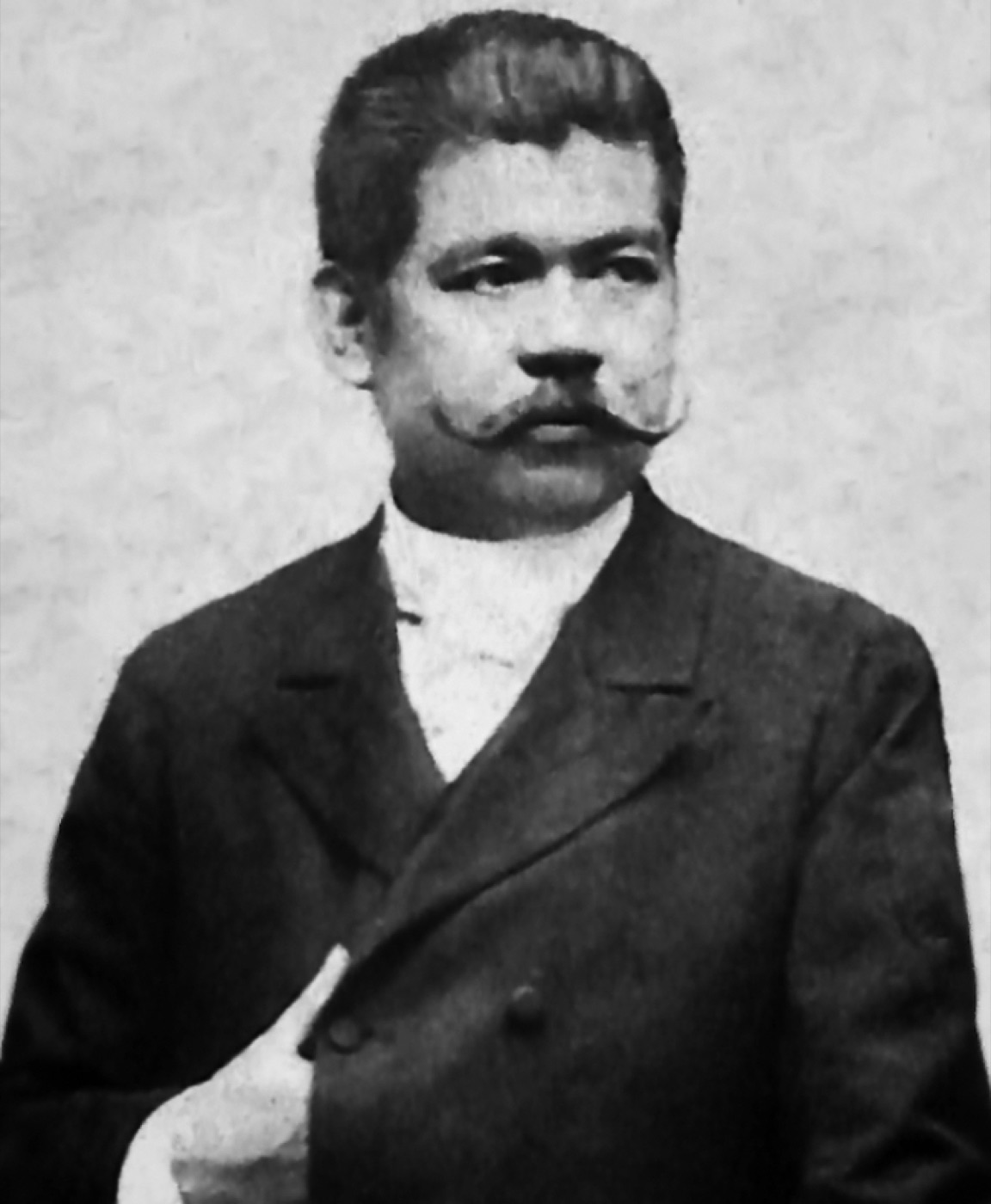
Portrait of Marcelo H. del Pilar
Editor and Leader · 1850–1896Unknown photographer, c. 1890. Public domain.

Marcelo H. del Pilar

Editor and Leader · 1850–1896

Editor of La Solidaridad and fearless satirist (“Plaridel”) of friar abuses.

Del Pilar’s political organizing pushed the reform movement toward sharper confrontation.
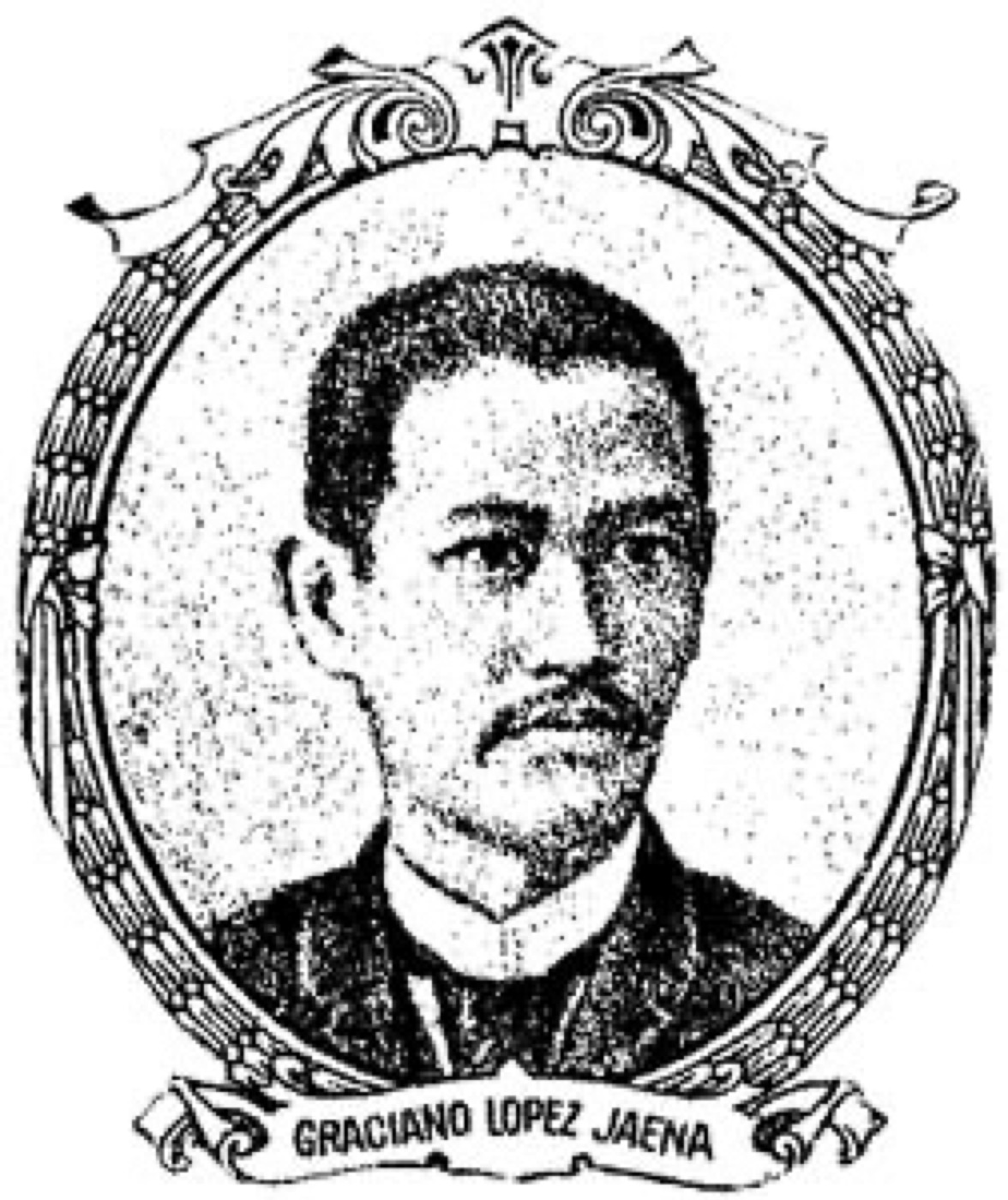
Portrait of Graciano López Jaena
Orator and Editor · 1856–1896Jose N. Sevilla, Mga Dakilang Pilipino (1922). Public domain.

Graciano López Jaena

Orator and Editor · 1856–1896

First editor of La Solidaridad and celebrated orator whose speeches captivated Spanish assemblies.

His satire Fray Botod anticipated Rizal’s portrayal of clerical privilege.
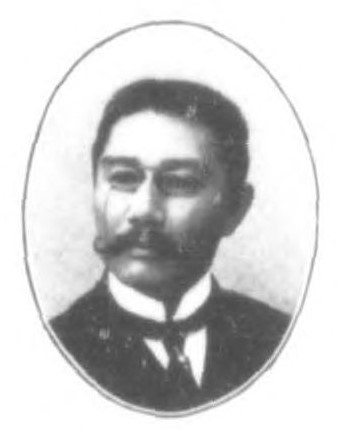
Portrait of Mariano Ponce
Historian and Archivist · 1863–1918Photograph, c. 1890s. Public domain.

Mariano Ponce

Historian and Archivist · 1863–1918

Managing editor of La Solidaridad and tireless correspondent who collected and preserved the documents of the Propaganda Movement.

His historical writings provided the factual backbone for Filipino advocacy.
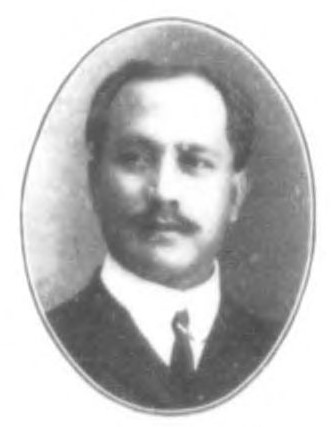
Portrait of Dr. Galicano Apacible
Physician and Organizer · 1864–1949Photograph, late 19th century. Public domain.

Dr. Galicano Apacible

Physician and Organizer · 1864–1949

Rizal’s cousin and first president of the expatriate association La Solidaridad in Barcelona.

He coordinated international diplomacy during the later revolutionary period.
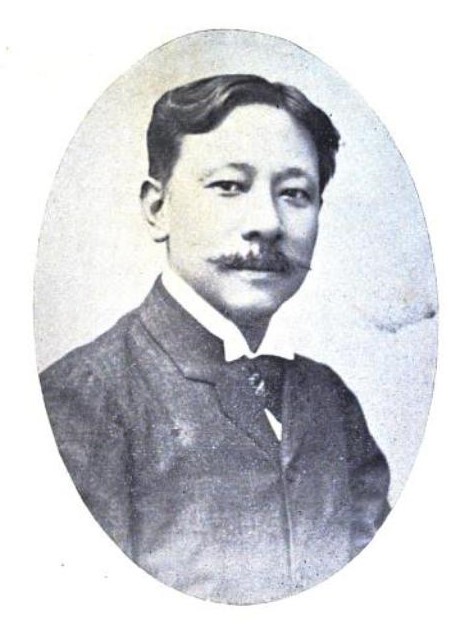
Portrait of Pedro Alejandro Paterno
Scholar and Negotiator · 1857–1911Jose N. Sevilla, Mga Dakilang Pilipino (1922). Public domain.

Pedro Alejandro Paterno

Scholar and Negotiator · 1857–1911

Author of Nínay (1885), the first Filipino novel, and host of expatriate gatherings in Madrid.

His later role mediating the Pact of Biak-na-Bato contrasts with the revolution’s radical wing.

José Rizal, Juan Luna, and Valentin Ventura in Luna’s Paris studio
Paris Expatriate Circle · 1889Photograph, c. 1889. Public domain.

Los Indios Bravos

Paris Expatriate Circle · 1889

Rizal, Juan Luna, and Valentin Ventura founded “Los Indios Bravos” at the 1889 Paris Universal Exposition, turning a colonial insult into a badge of pride.

The studio photograph captures a brotherhood of intellectuals and athletes.
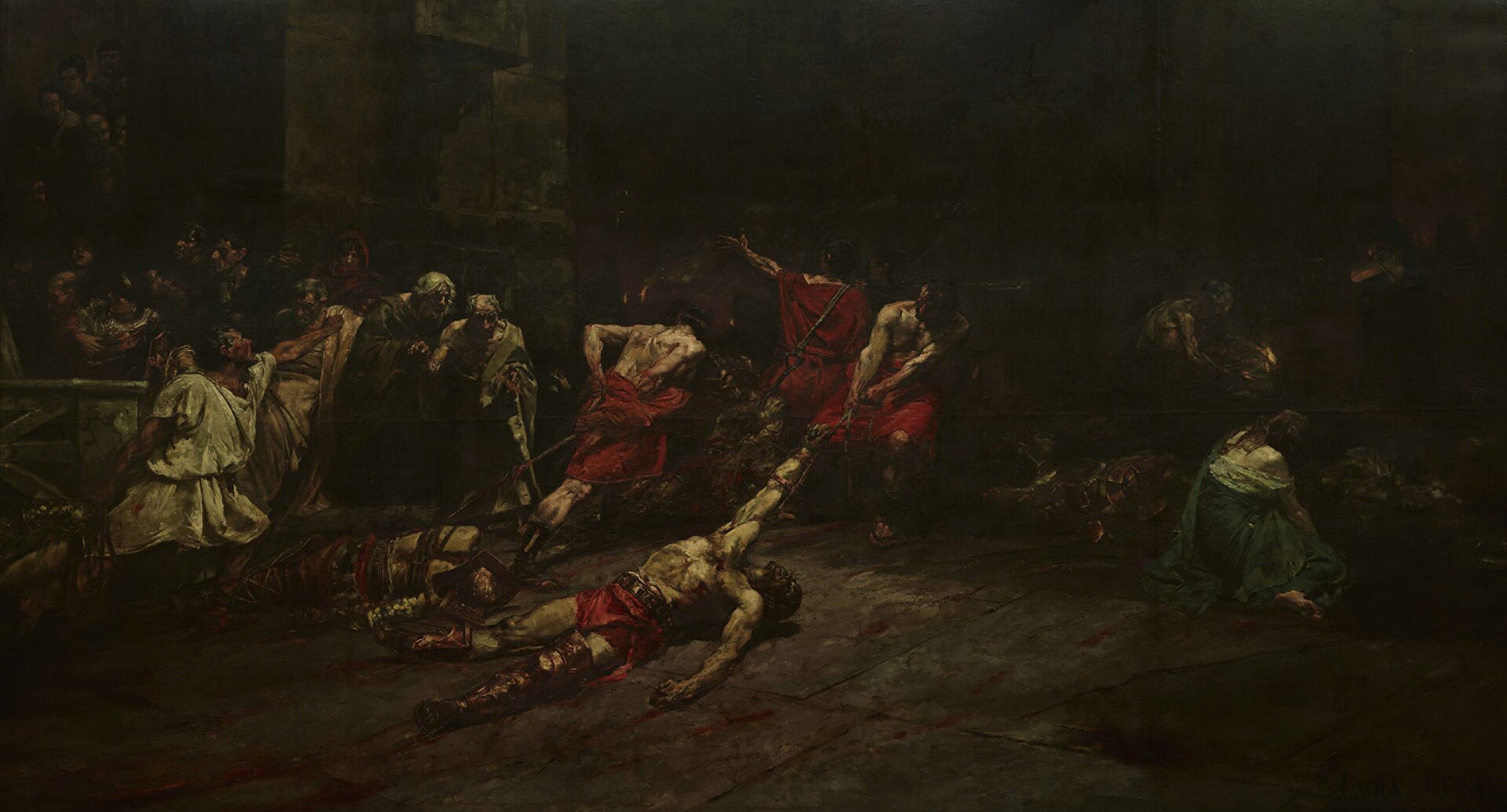
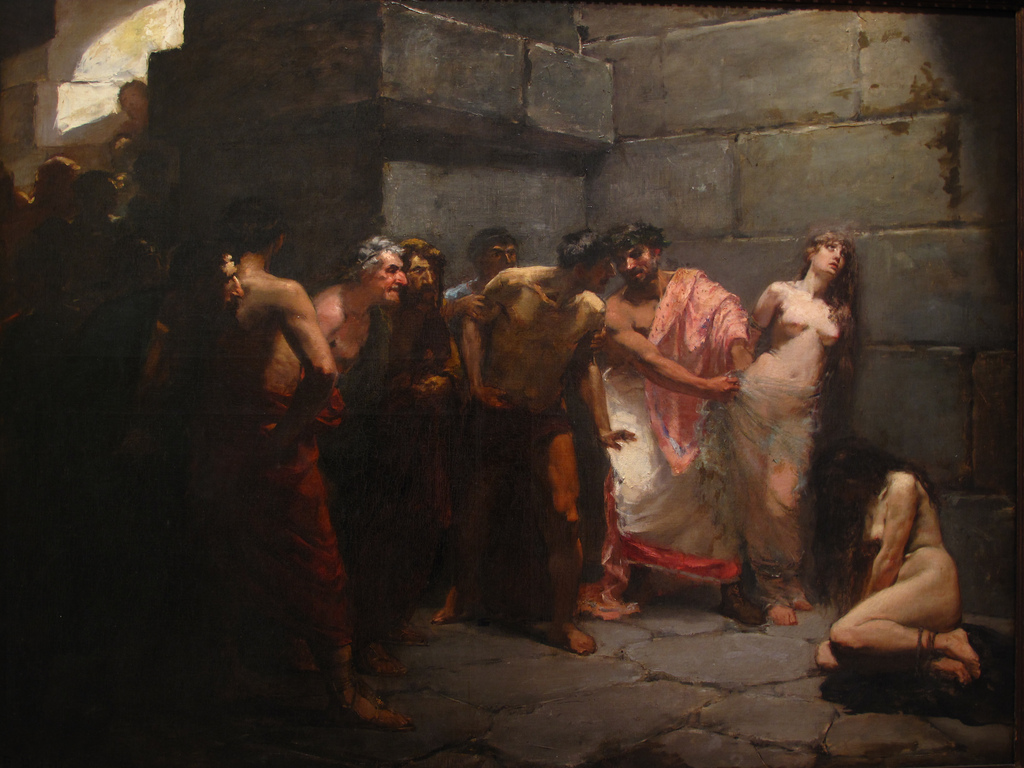
Spoliarium, oil painting by Juan Luna, 1884
Juan Luna’s Spoliarium (Madrid 1884)Juan Luna’s monumental canvas Spoliarium, awarded the first gold medal at the 1884 Madrid Exposición Nacional.Juan Luna, 1884. National Museum of Fine Arts, Manila. Public domain.
Las Vírgenes Cristianas Expuestas al Populacho by Félix Resurrección Hidalgo, 1884
Hidalgo’s Las Vírgenes Cristianas (1884)Félix Resurrección Hidalgo’s Las Vírgenes Cristianas Expuestas al Populacho, awarded the silver medal in Madrid in 1884.Félix Resurrección Hidalgo, 1884. Bangko Sentral ng Pilipinas Collection. Public domain.
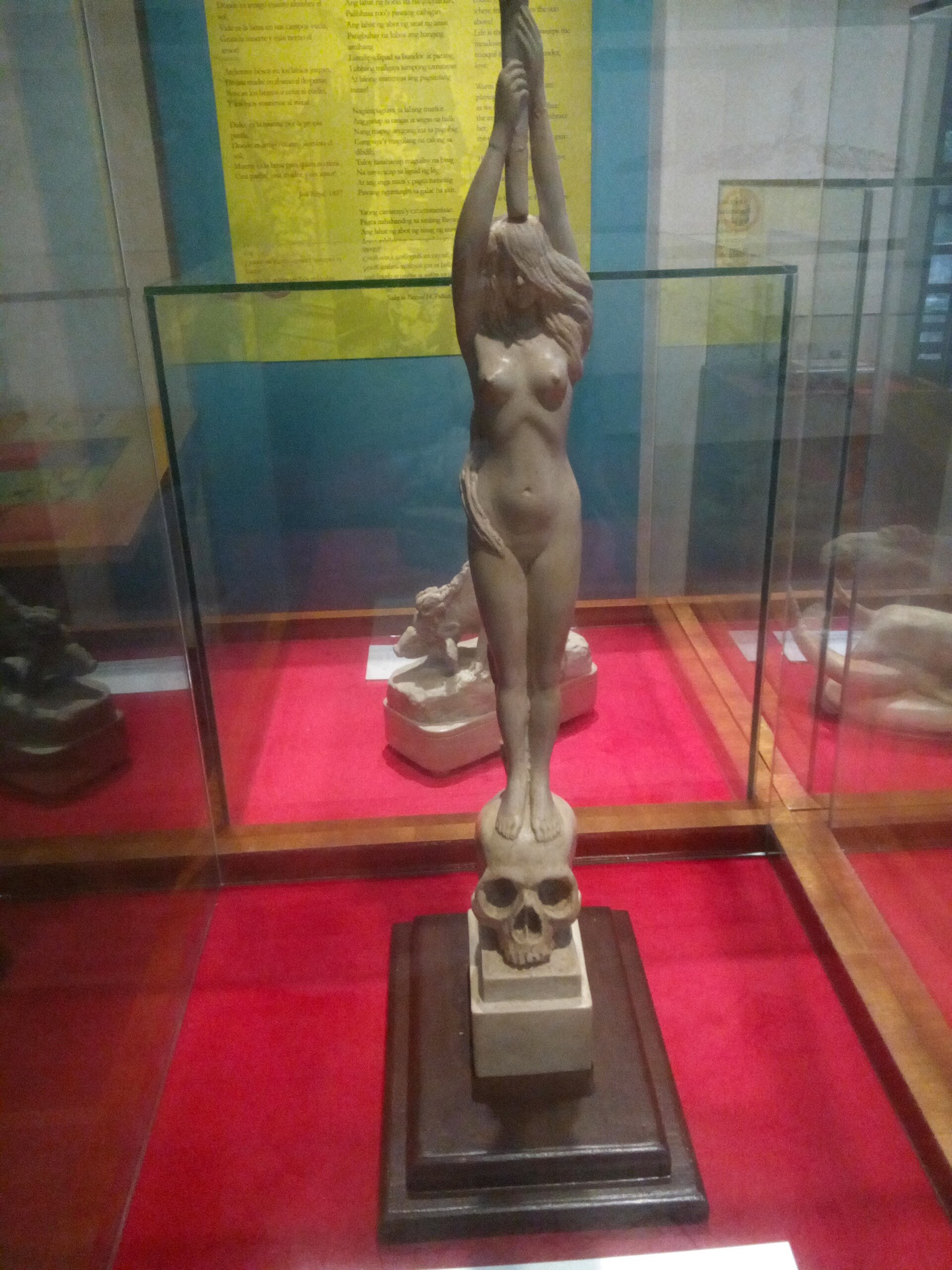
The Triumph of Science over Death, clay sculpture by José Rizal
The Triumph of Science over DeathThe Triumph of Science over Death (Scientia vincit mortem), clay sculpture made by Rizal in Dapitan for Blumentritt.José Rizal, c. 1890s. Photographed via Wikimedia Commons, CC BY-SA 4.0.

The revolutionary generation

These figures are not interchangeable allies. Bonifacio, Luna, and Mabini belonged to a generation that confronted the consequences of reform’s failure.
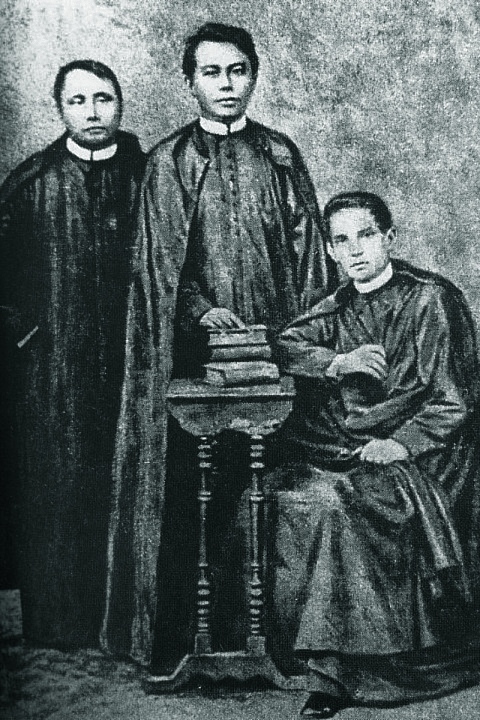
Fathers Mariano Gomez, José Burgos, and Jacinto Zamora
Martyr Priests · Executed 1872Historical illustration, 19th century. Public domain.

Gomburza (Gomez, Burgos, Zamora)

Martyr Priests · Executed 1872

Secular priests garroted in Bagumbayan on trumped-up charges of leading the Cavite Mutiny.

Rizal dedicated El Filibusterismo to them, citing their execution as the awakening of his own mission.
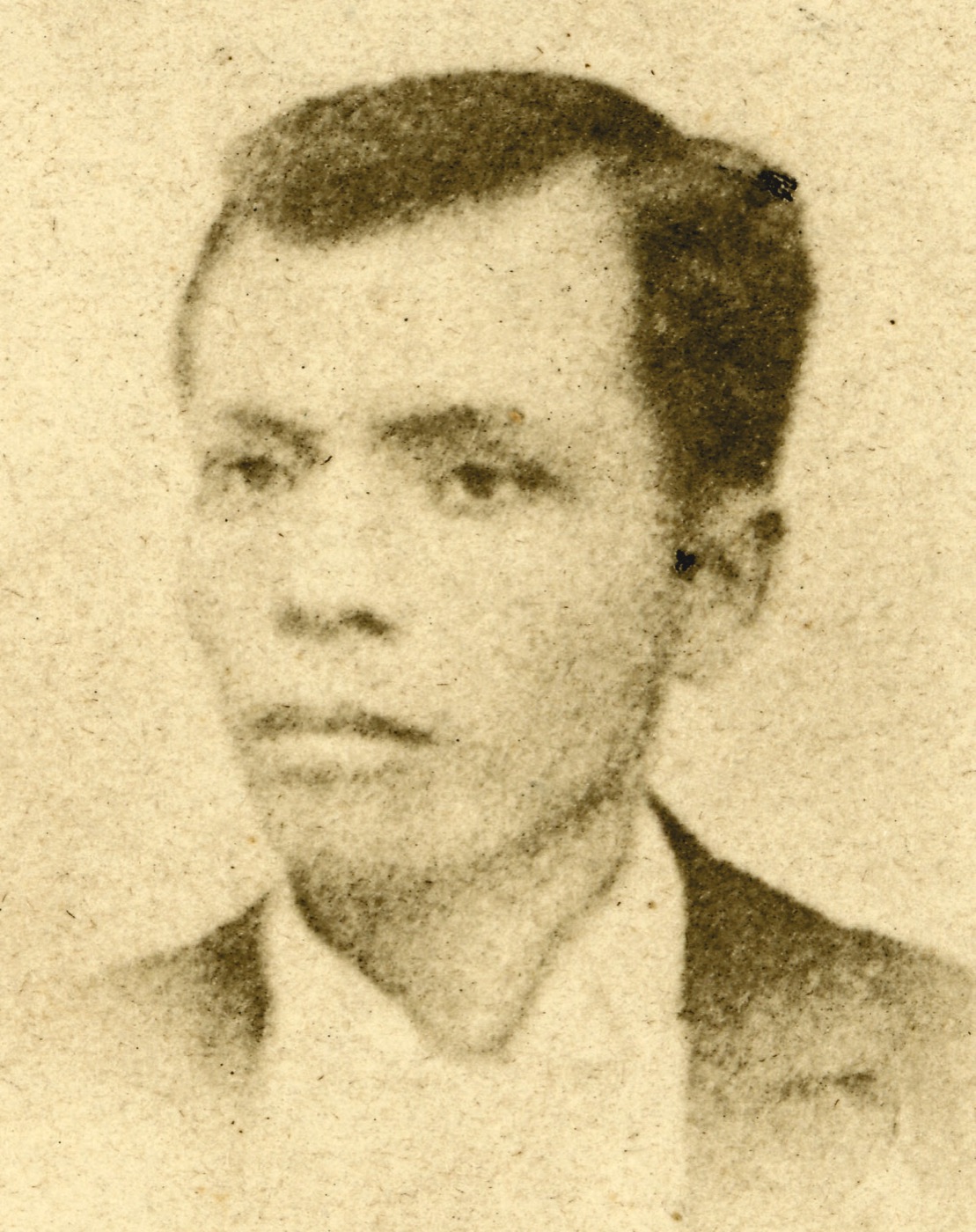
The surviving photograph of Andrés Bonifacio
Katipunan Supremo · 1863–1897Chofre y Cia, 1896. Public domain.

Andrés Bonifacio

Katipunan Supremo · 1863–1897

Founded the Katipunan on July 7, 1892, immediately following the news of Rizal’s deportation to Dapitan.

The Katipunan used “Rizal” as a password, holding him in immense esteem even as their paths diverged.
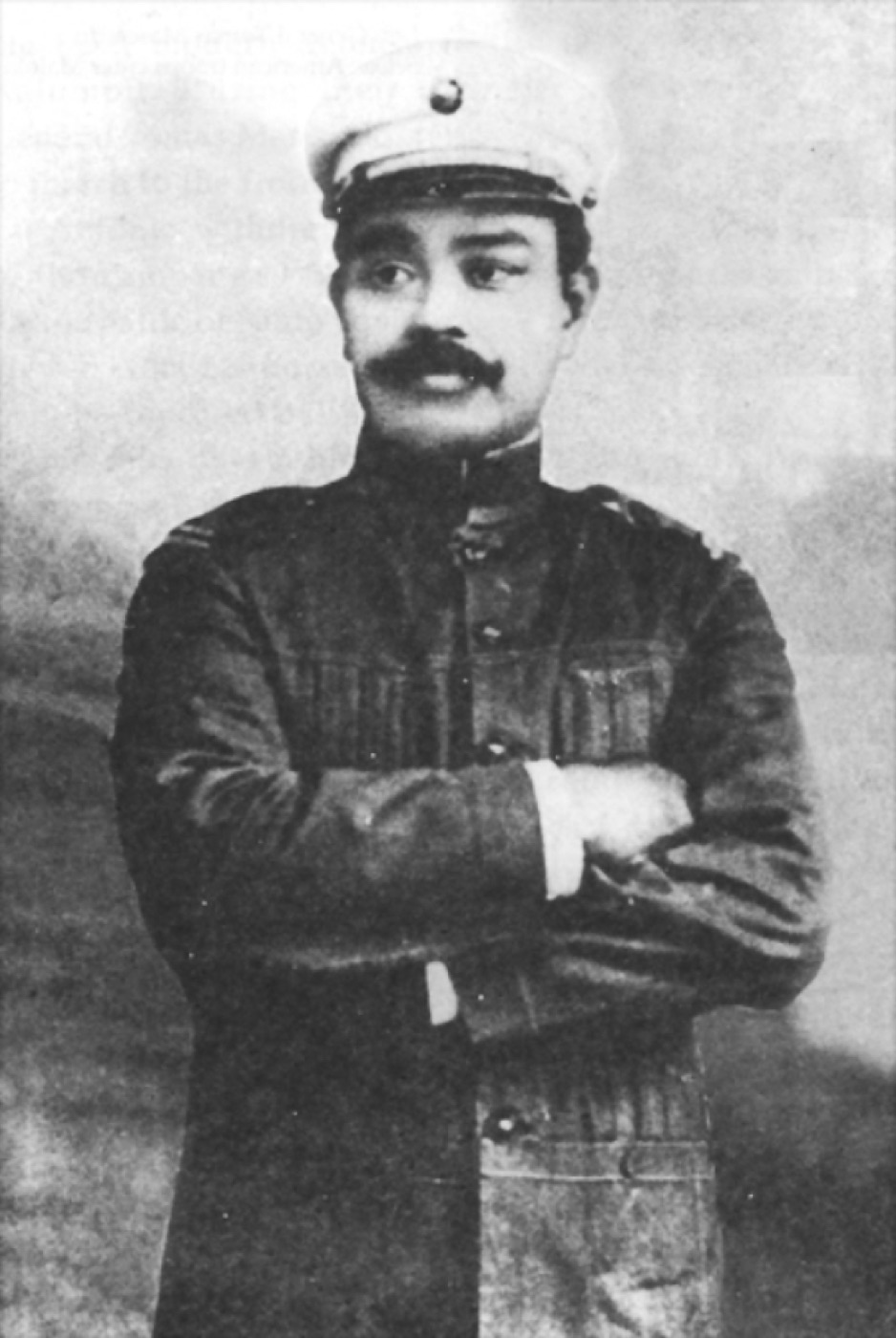
Portrait of General Antonio Luna
General and Scientist · 1866–1899Unknown photographer. Public domain.

Antonio Luna

General and Scientist · 1866–1899

Pharmacist, contributor to La Solidaridad, and later Commanding General of the Philippine Revolutionary Army.

Luna’s trajectory mirrors the generation that transitioned from reformist pen to armed defense.
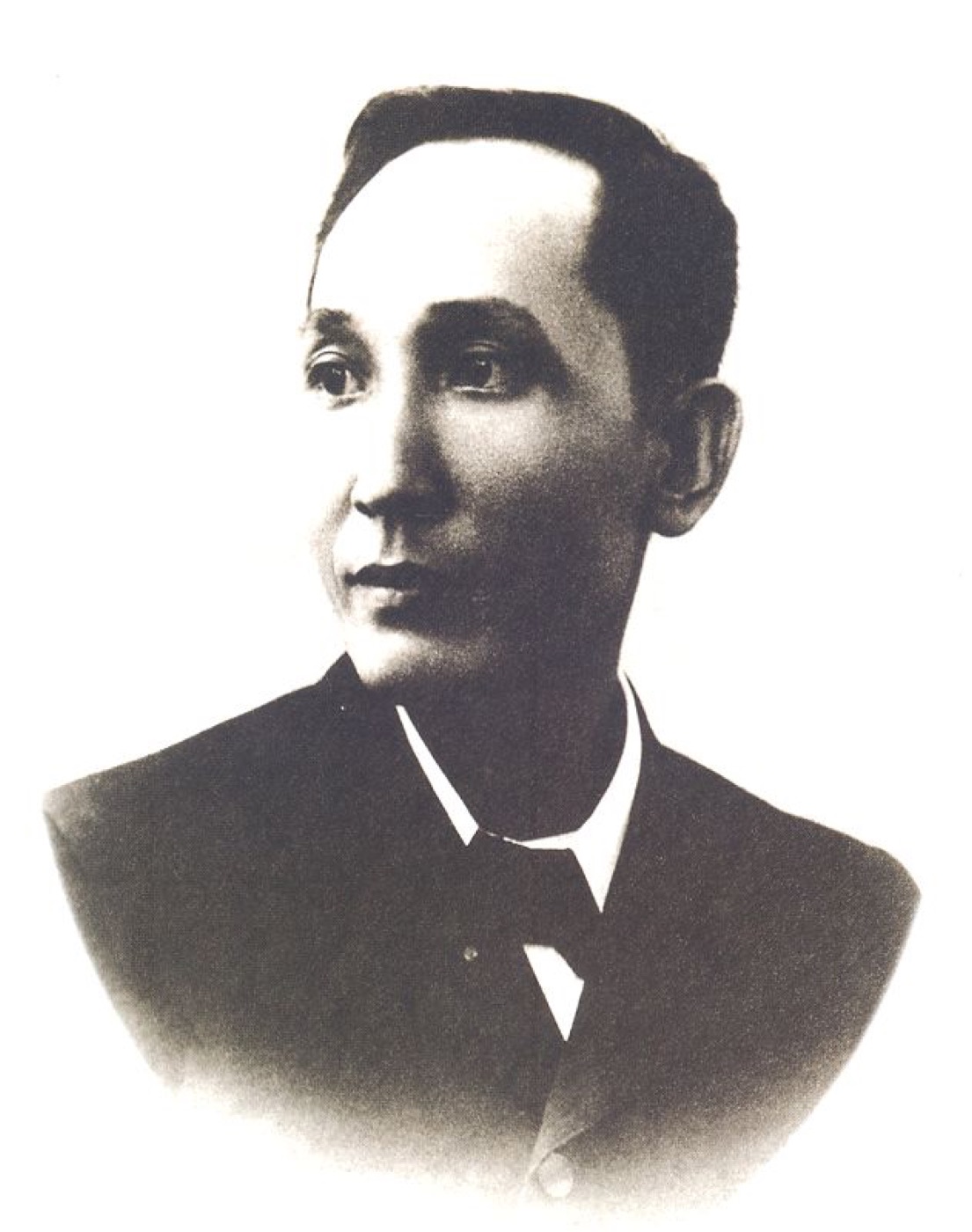
Portrait of Apolinario Mabini
Constitutionalist · 1864–1903Unknown photographer, before 1903. Public domain.

Apolinario Mabini

Constitutionalist · 1864–1903

Prime Minister and legal architect of the First Philippine Republic at Malolos.

Mabini’s constitutional work built the institutional reality envisioned by the Propaganda Movement.
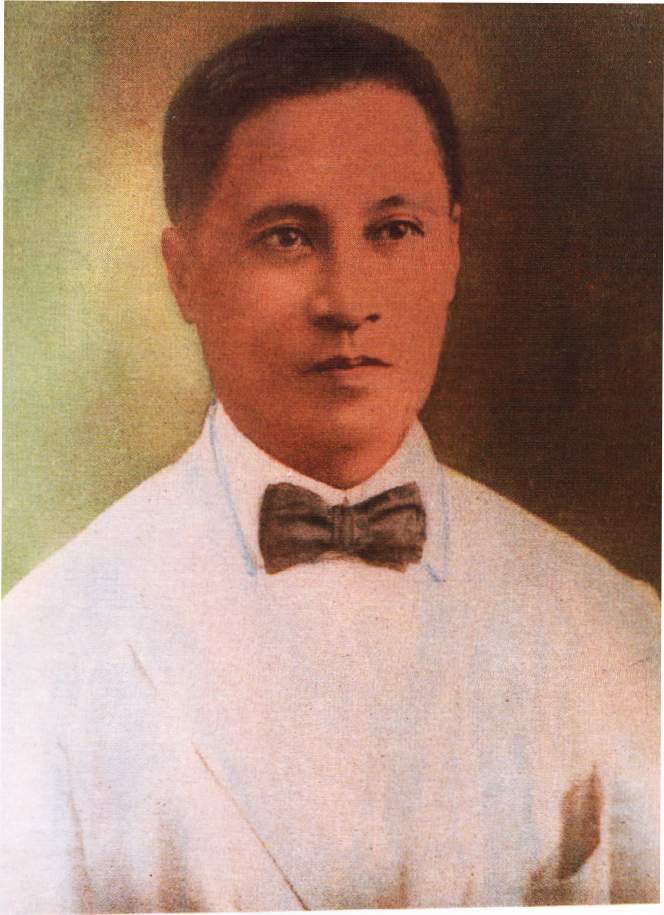
Portrait of Dr. Pío Valenzuela
Katipunan Emissary · 1869–1956Photograph, c. 1890s. Public domain.

Dr. Pío Valenzuela

Katipunan Emissary · 1869–1956

Physician dispatched by Bonifacio to Dapitan in June 1896 to inform Rizal of the impending uprising.

Rizal advised caution until sufficient arms, planning, and international support could be secured.
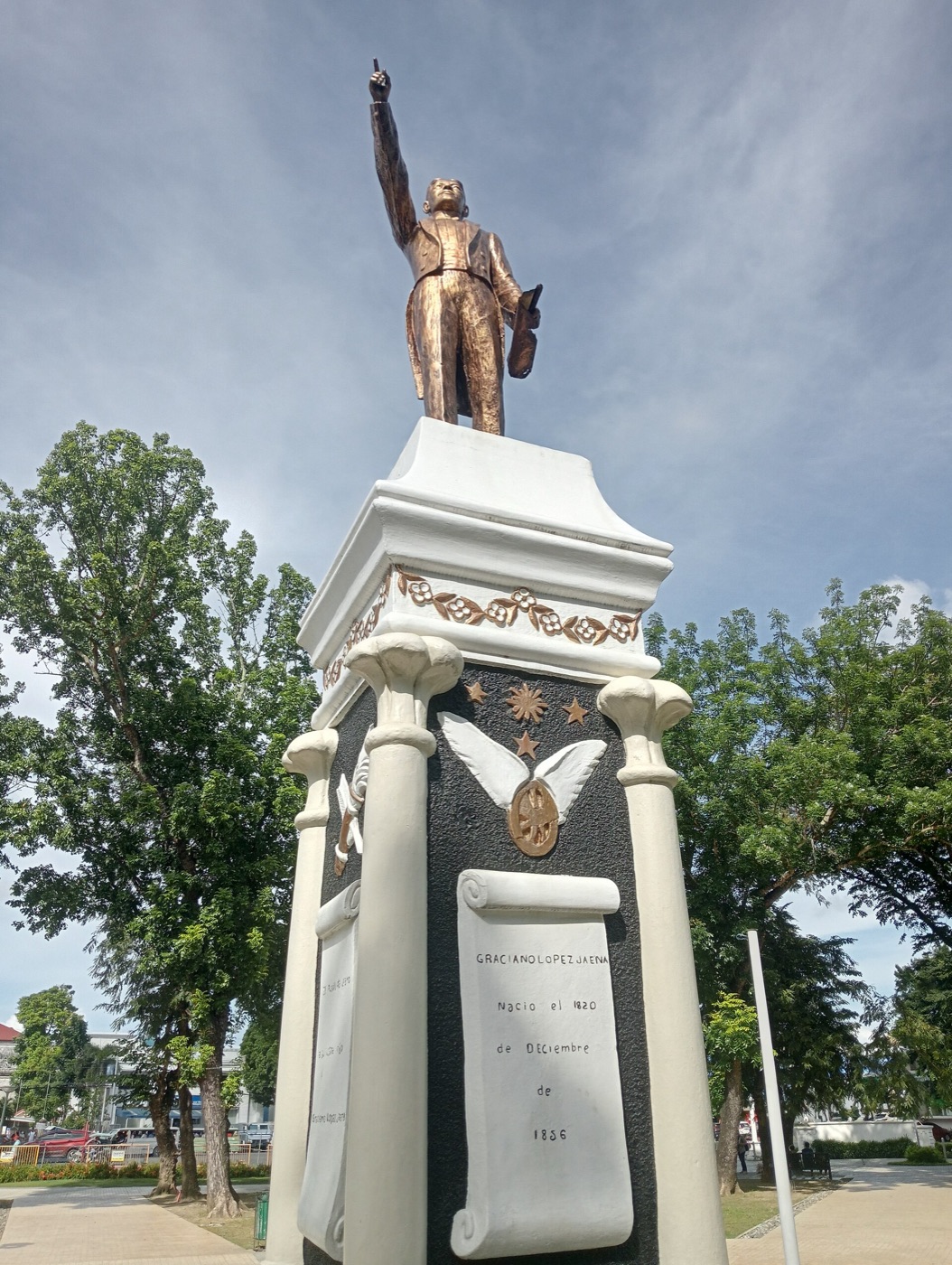
Monument to Graciano López Jaena in Jaro, Iloilo City
López Jaena in IloiloThe López Jaena monument in Jaro, Iloilo City.Ralff Nestor Nacor, CC BY-SA 4.0, via Wikimedia Commons.
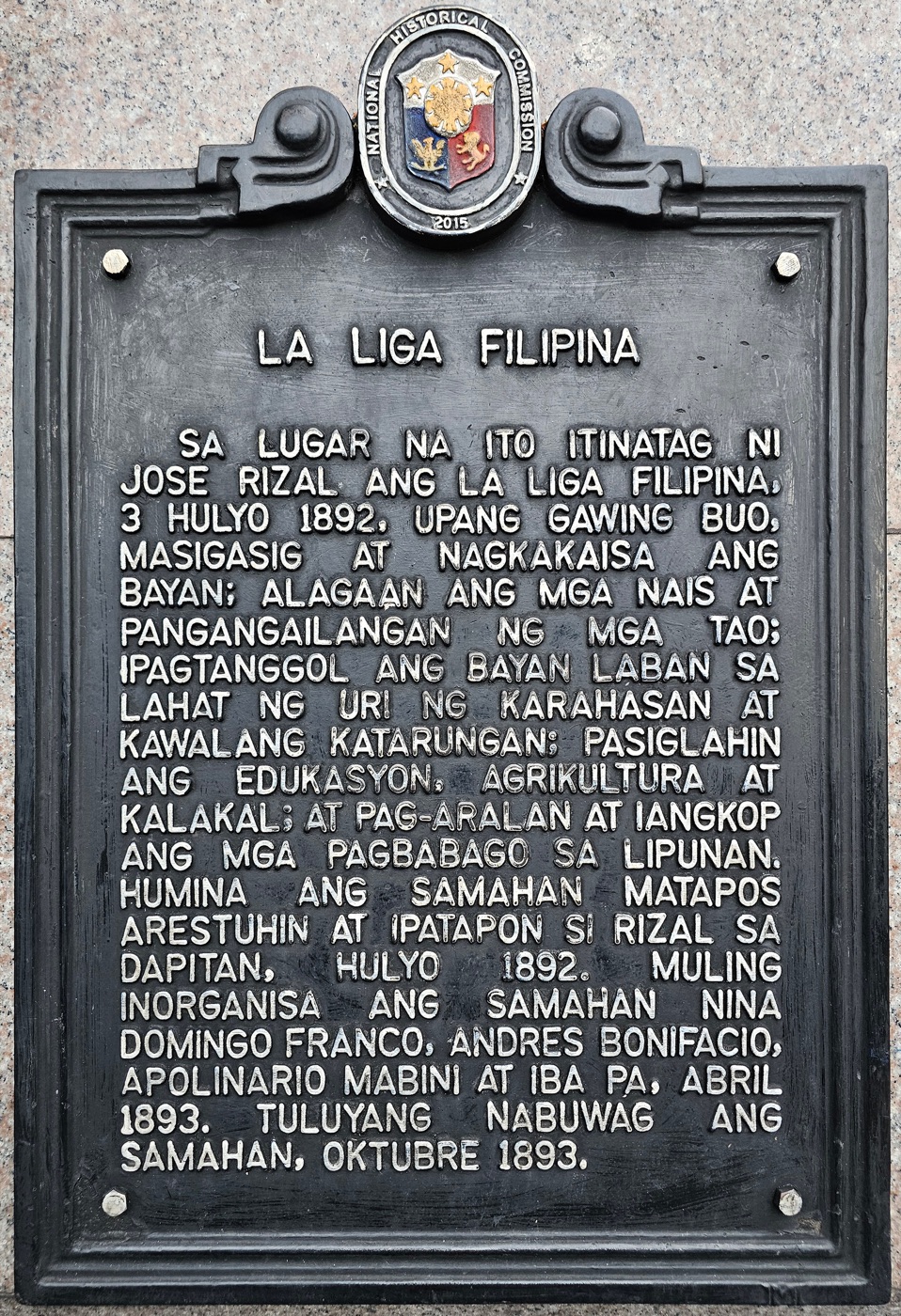
National Historical Commission marker for La Liga Filipina
La Liga Filipina markerThe 2015 National Historical Commission marker for La Liga Filipina in Manila.Andre Ryan Maceda, CC BY-SA 4.0, via Wikimedia Commons.

Portraits are historical reproductions or photographs of memorials. Captions name the source and license. Where a portrait is a later photograph of a monument, the caption says so.