If you could stand
where he stood.
Memorials are not time machines. A visit can still be valuable if you ask what has been rebuilt, what has been preserved, and who decided how the story should be told.
Read the label
before the statue.
Many Rizal sites are reconstructions, museums, or plaques rather than untouched historical rooms. That does not make them meaningless. It makes the act of remembering visible.
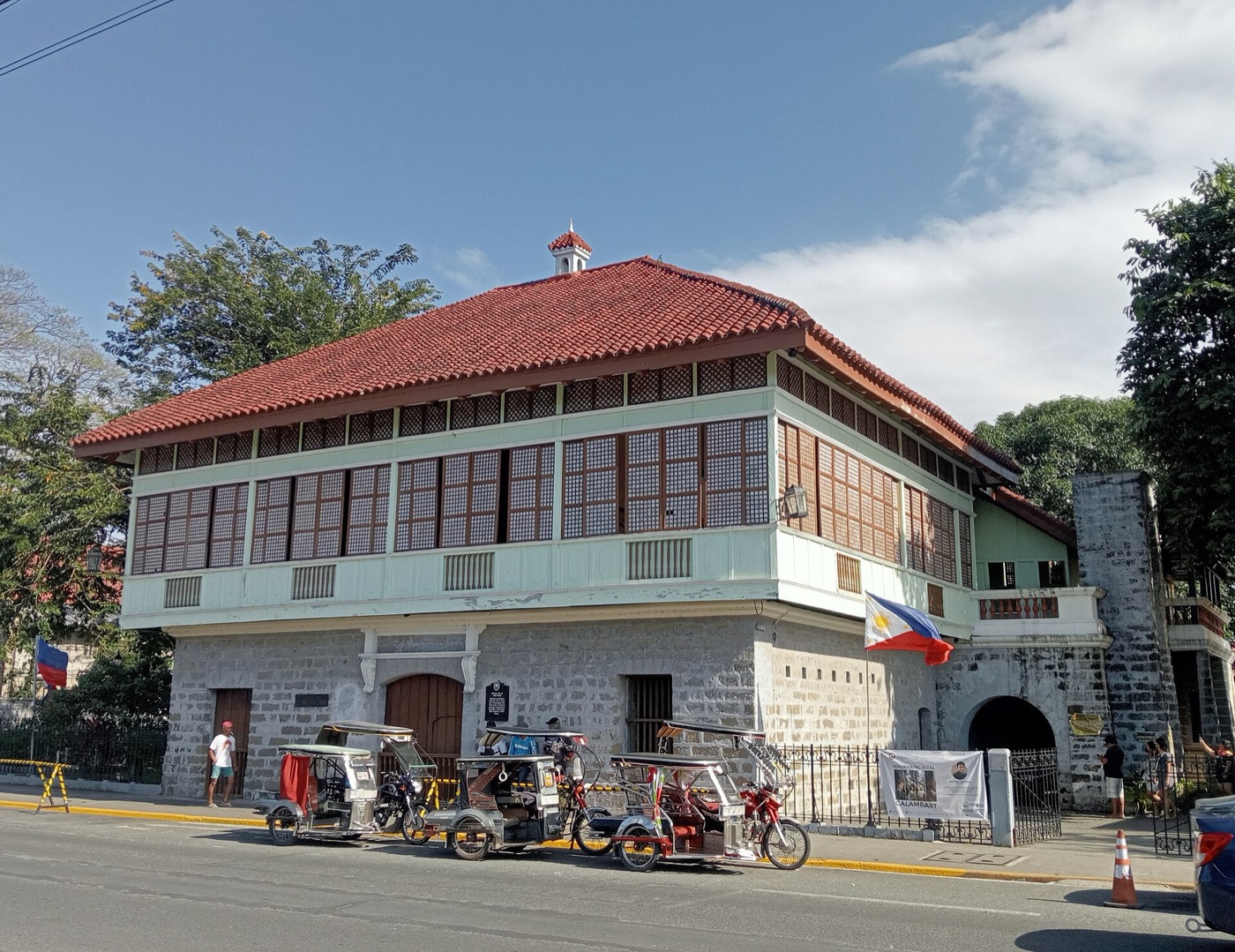
Rizal Shrine, Calamba
The reconstructed ancestral home of the Mercado-Rizal family and modern museum in Calamba. Pair it with the neighboring Saint John the Baptist Church where Rizal was baptized.
Start with the household economy: the tenant farm, library, and looms tell you how education was financed.
Intramuros Heritage: Ateneo & Santo Tomas
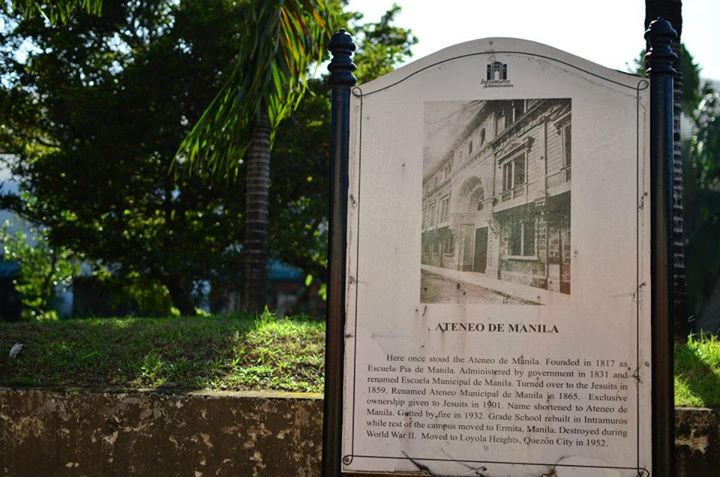
Walk Calle Arzobispo and Plaza Santo Tomas in Intramuros, where Rizal earned his bachelor’s degree sobresaliente and studied medicine.
Notice the enclosed colonial geometry: Intramuros concentrated clerical authority and imperial power.
Fort Santiago & Rizal’s Prison Cell
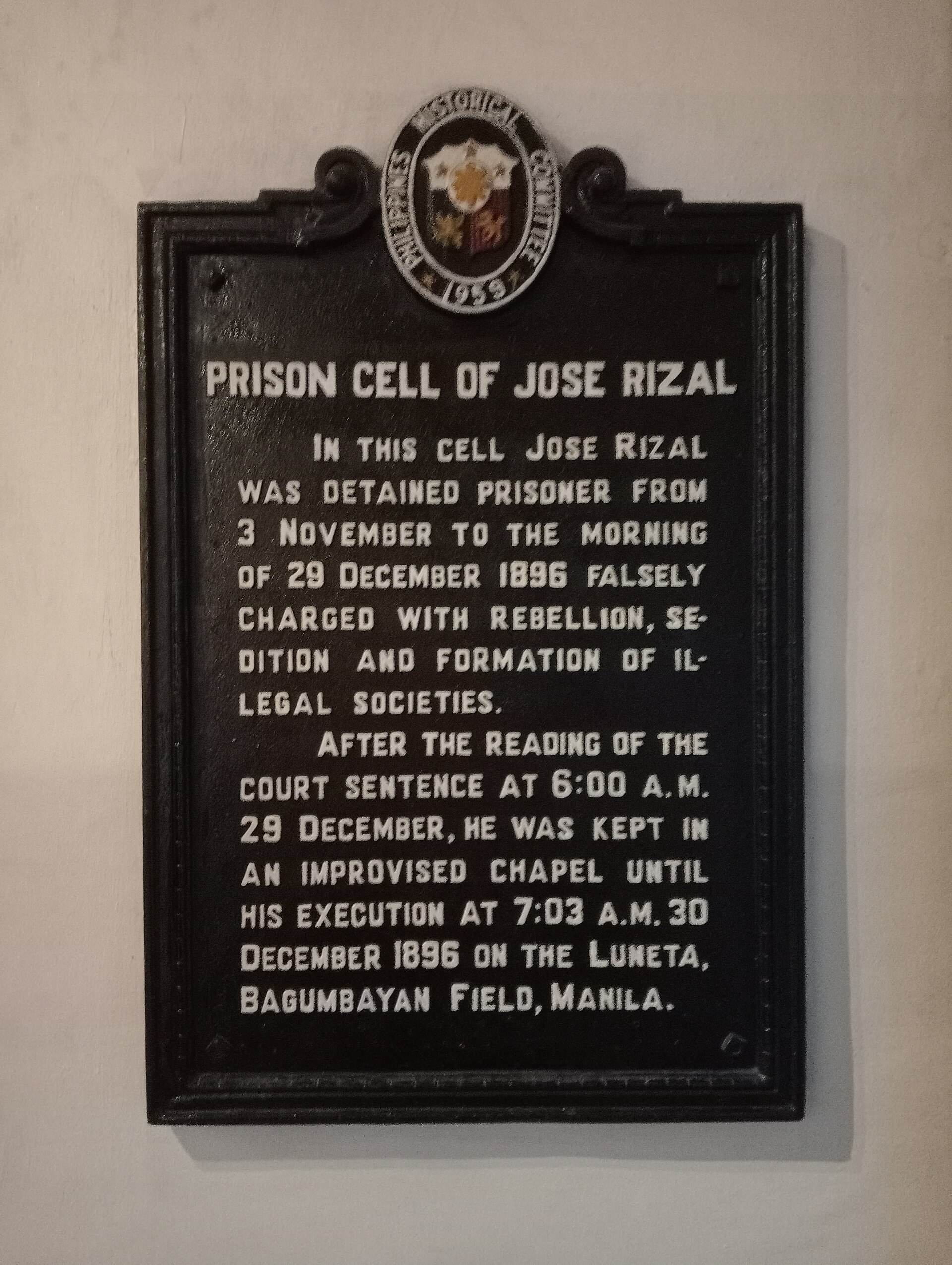
The Spanish military citadel where Rizal was held in solitary confinement in late 1896. Today’s museum displays his cell, letters, and the bronze footsteps leading to Bagumbayan.
Read the trial documents in the shrine: due process was completely denied by military tribunal.
Rizal Monument, Luneta
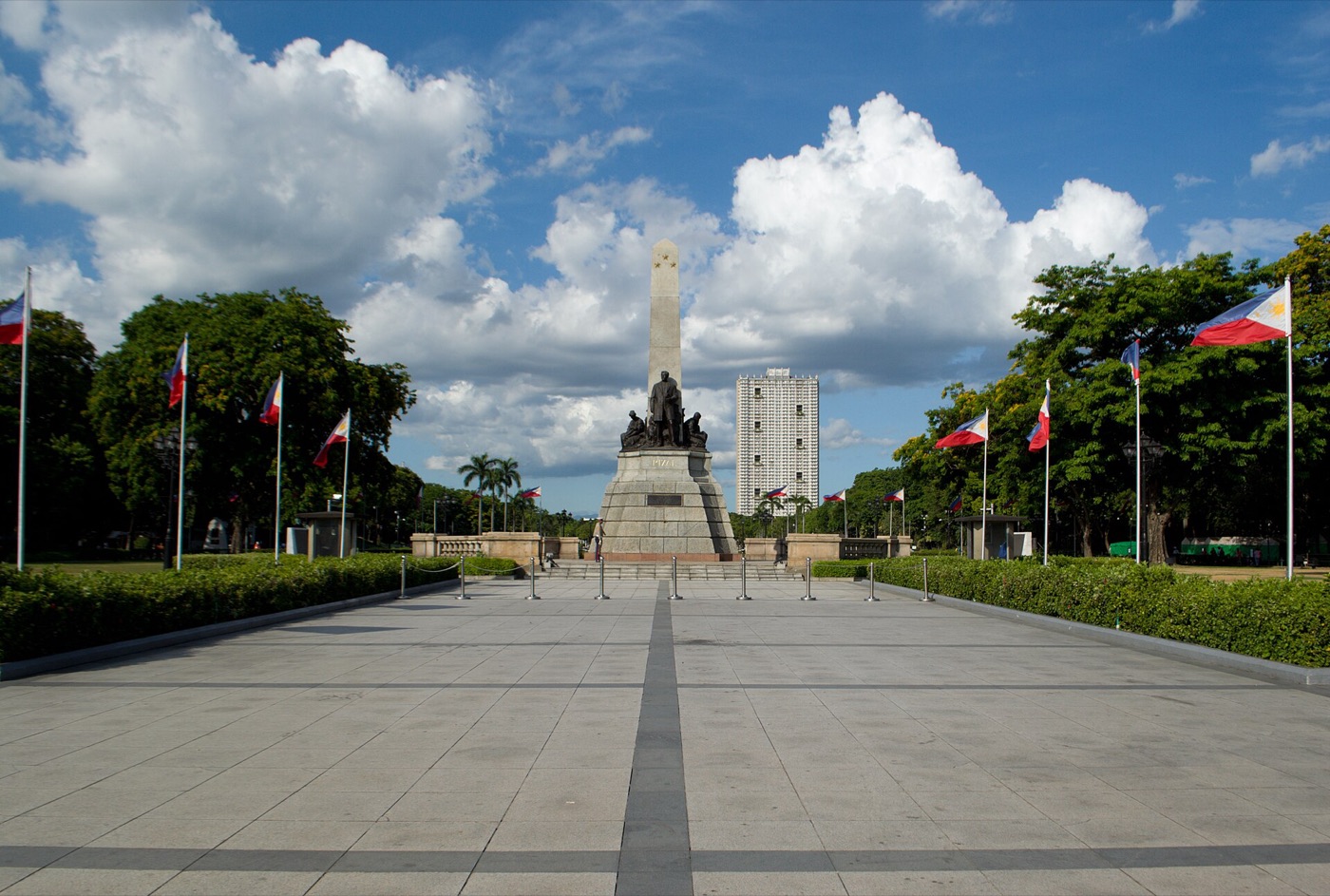
The Swiss-designed granite and bronze monument unveiled in 1913, containing Rizal’s mortal remains guarded by Philippine Navy sentries.
Observe how national ceremony and daily recreational life share the same public space.
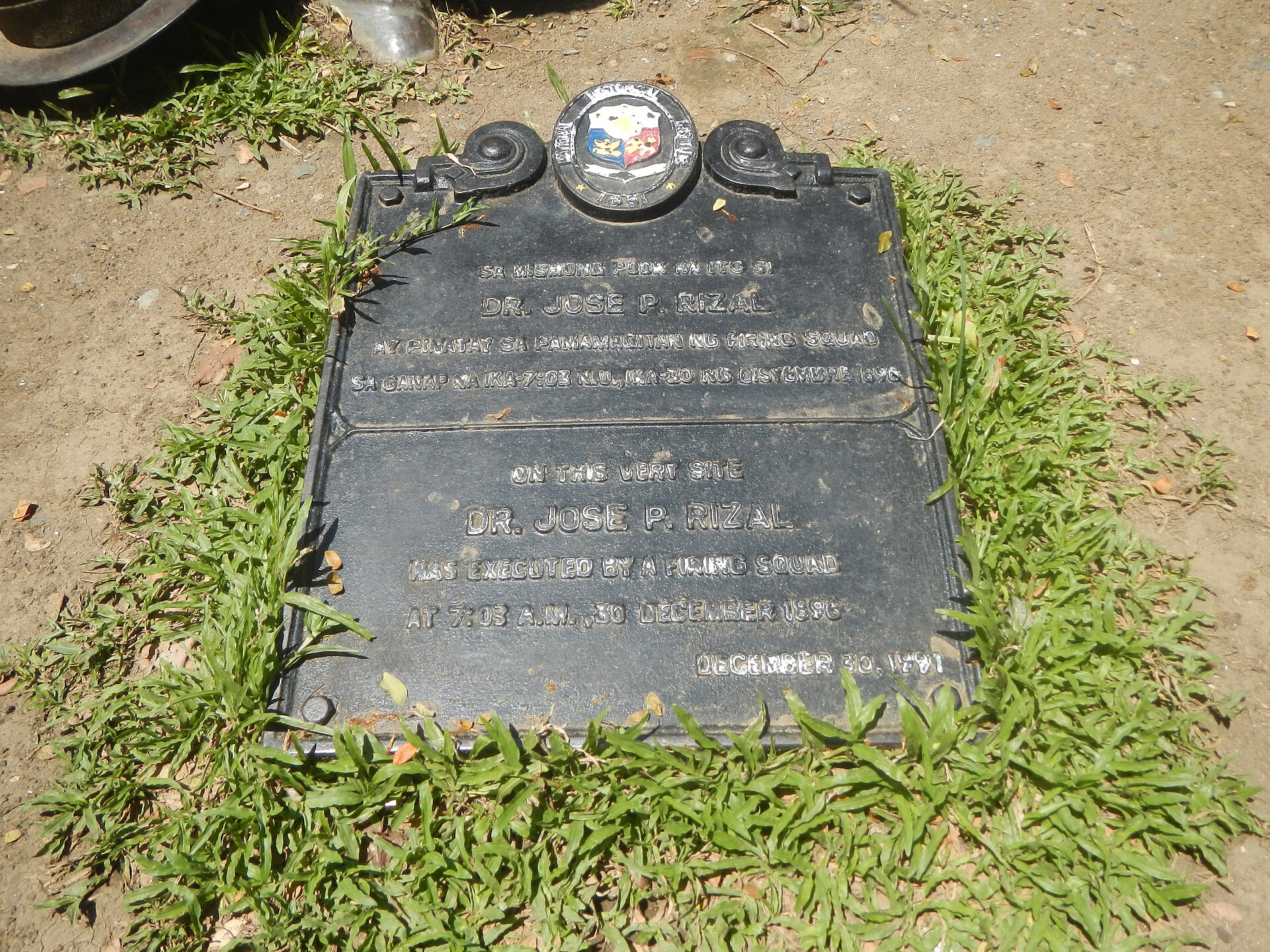
Bagumbayan Execution Tableau
The life-size bronze dioramic sculptures by Eduardo Castrillo depicting the firing squad and Rizal falling to face the rising sun.
Stand where the crowd stood on December 30, 1896, and reflect on the turning point of national consciousness.
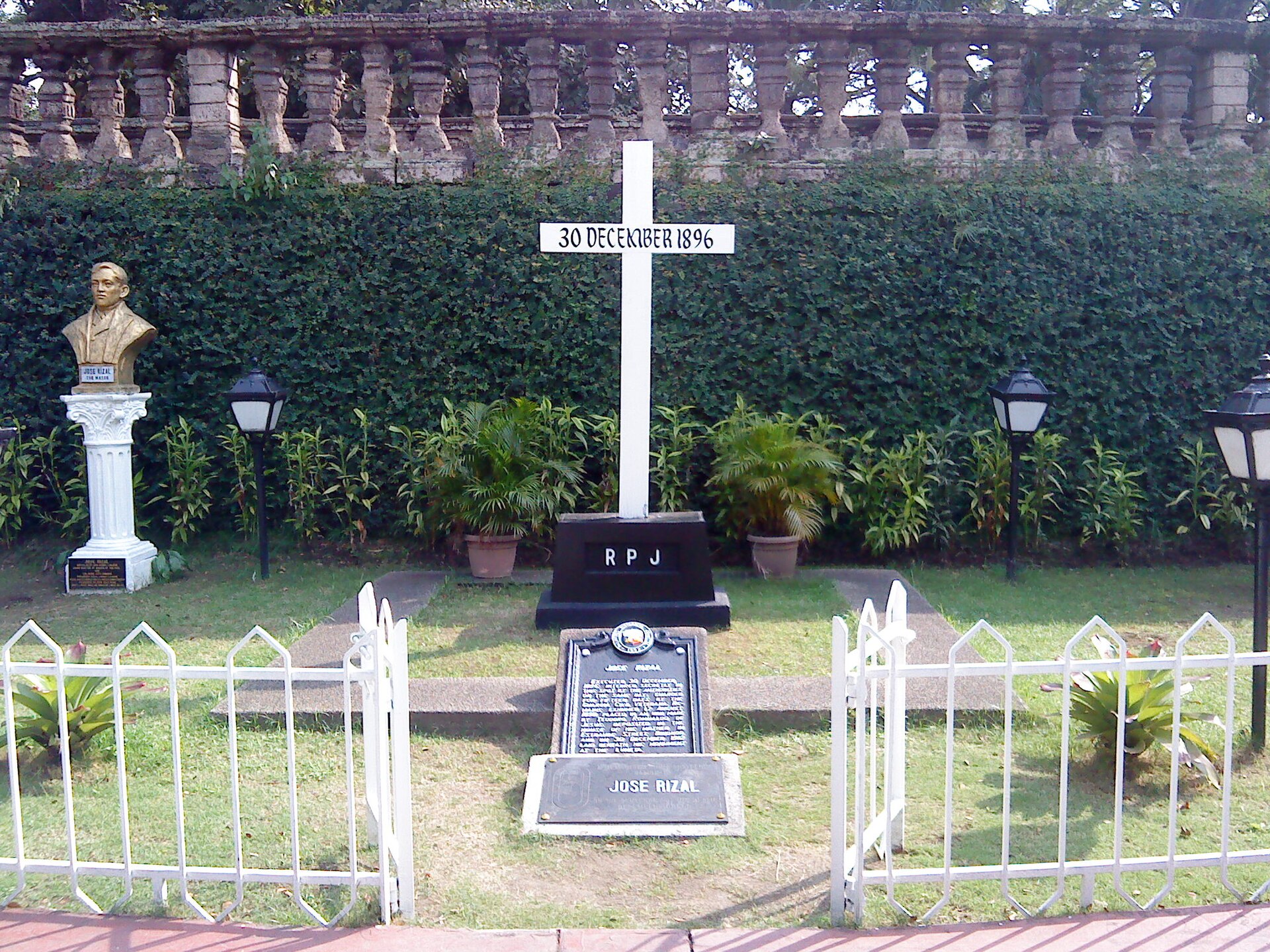
Paco Park & Secret Burial Site
The circular 19th-century cemetery where Spanish authorities secretly buried Rizal in an unmarked grave, marked only by his family with the reversed initials “RPJ”.
A serene, solemn sanctuary often overlooked by tourists, holding profound historical resonance.
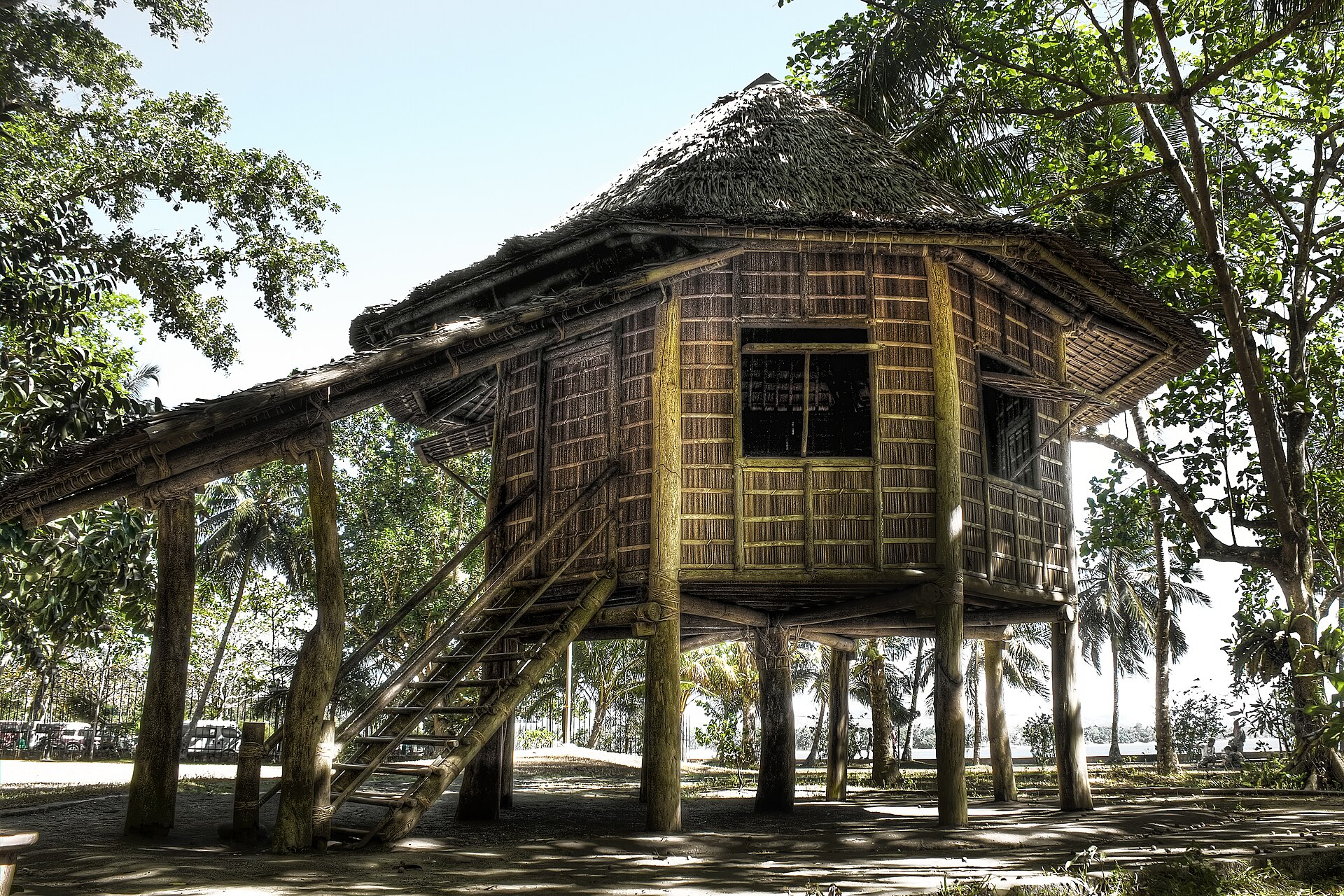
Rizal Shrine & Relief Map, Dapitan
The 16-hectare Talisay estate with reconstructed clinic (Casa Redonda), school (Casa Cuadrada), dam, and the monumental outdoor relief map of Mindanao.
Notice the remote geography: exile was designed to silence Rizal, but became four years of fruitful civic service.
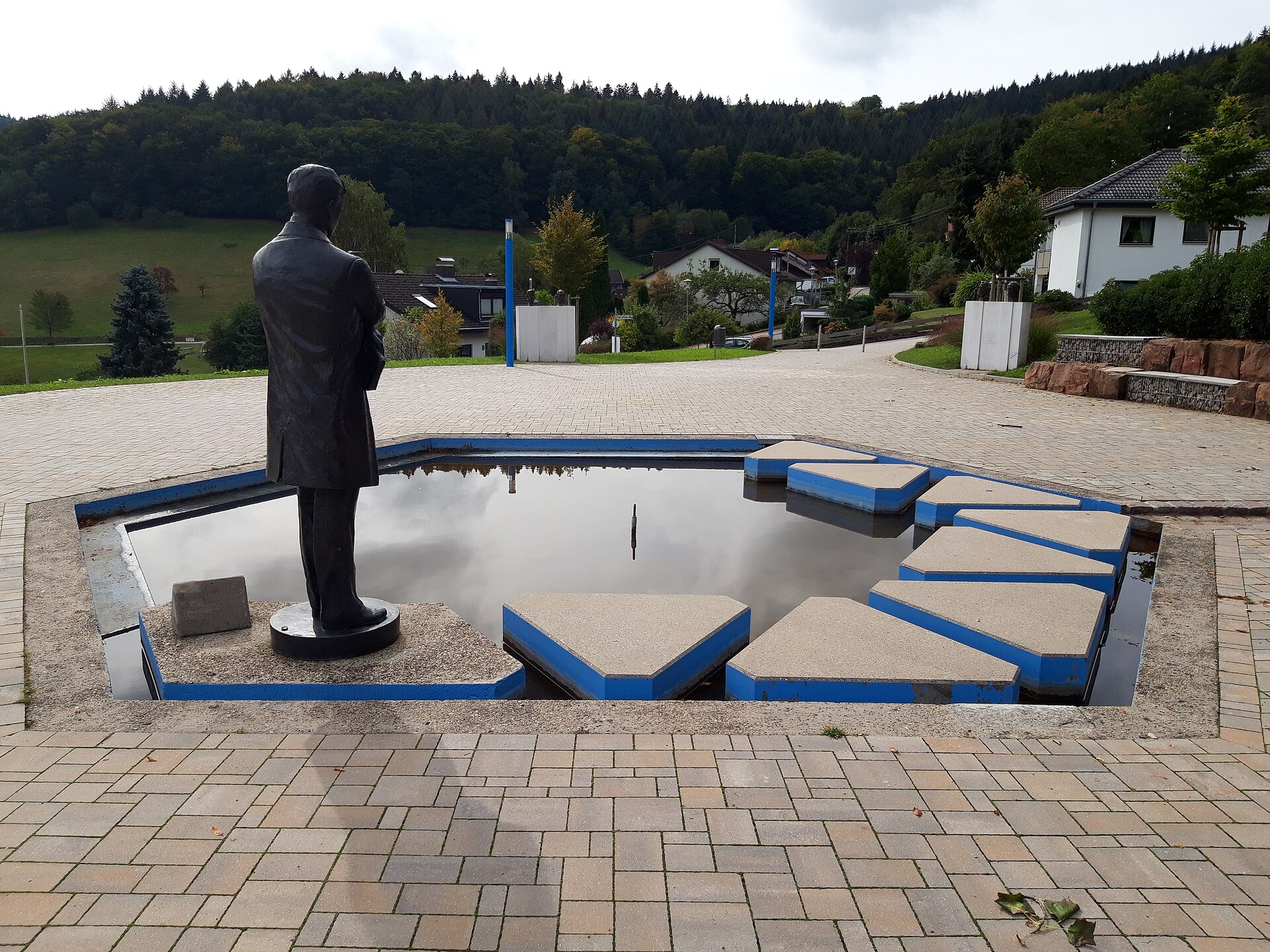
Wilhelmsfeld & Heidelberg Memorial
The bronze monument in Jose-Rizal-Park, Wilhelmsfeld, and the memorial plaque at Pfarrgasse where Rizal lived with Protestant Pastor Karl Ullmer while completing Noli Me Tangere.
A symbol of interfaith tolerance and German-Filipino cultural friendship.
This is not a travel itinerary or an official visitor guide. Opening hours, fees, and access rules change. Confirm details with the site before travelling, and treat memorial spaces with respect.
Explore the geography
The journey page connects these sites to Rizal’s biography with approximate coordinates and sourced notes.