Read colonial society through its characters. Plot facts and possible interpretations are kept separate, because a character is not simply the author’s mouthpiece.
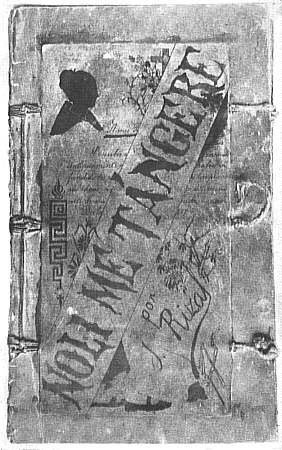
The genuine 1887 Berlin first edition cover of Noli Me Tangere, printed by Berliner Buchdruckerei. José Rizal, 1887. Berliner Buchdruckerei-Actien-Gesellschaft. Public domain.
Fiction as a field of argument.
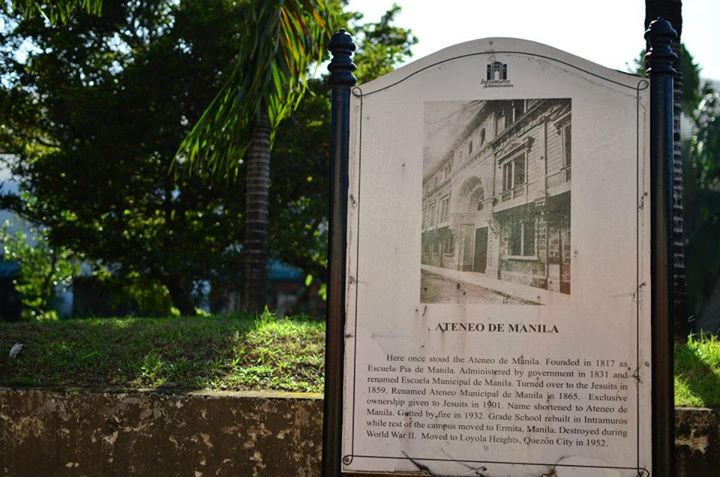
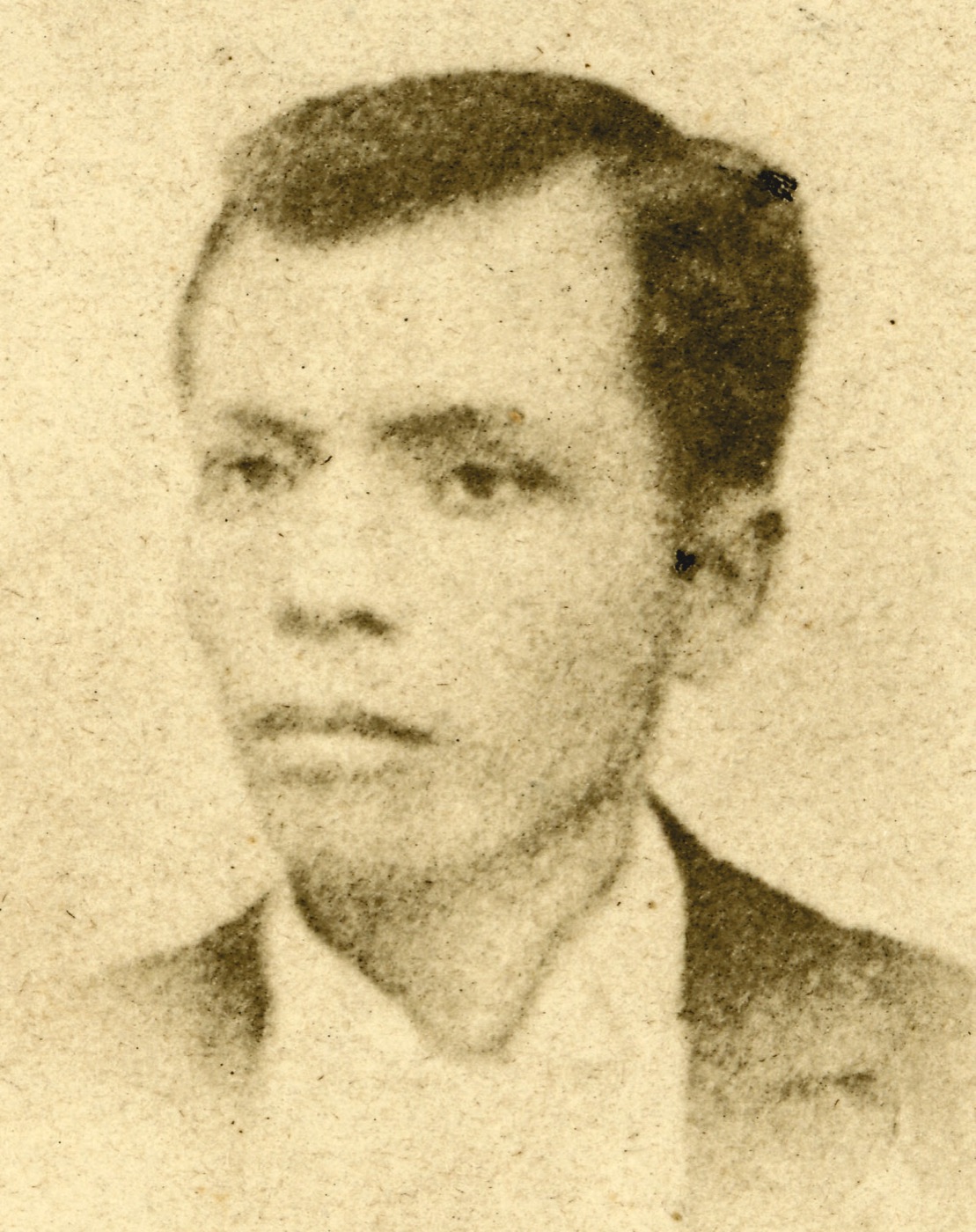
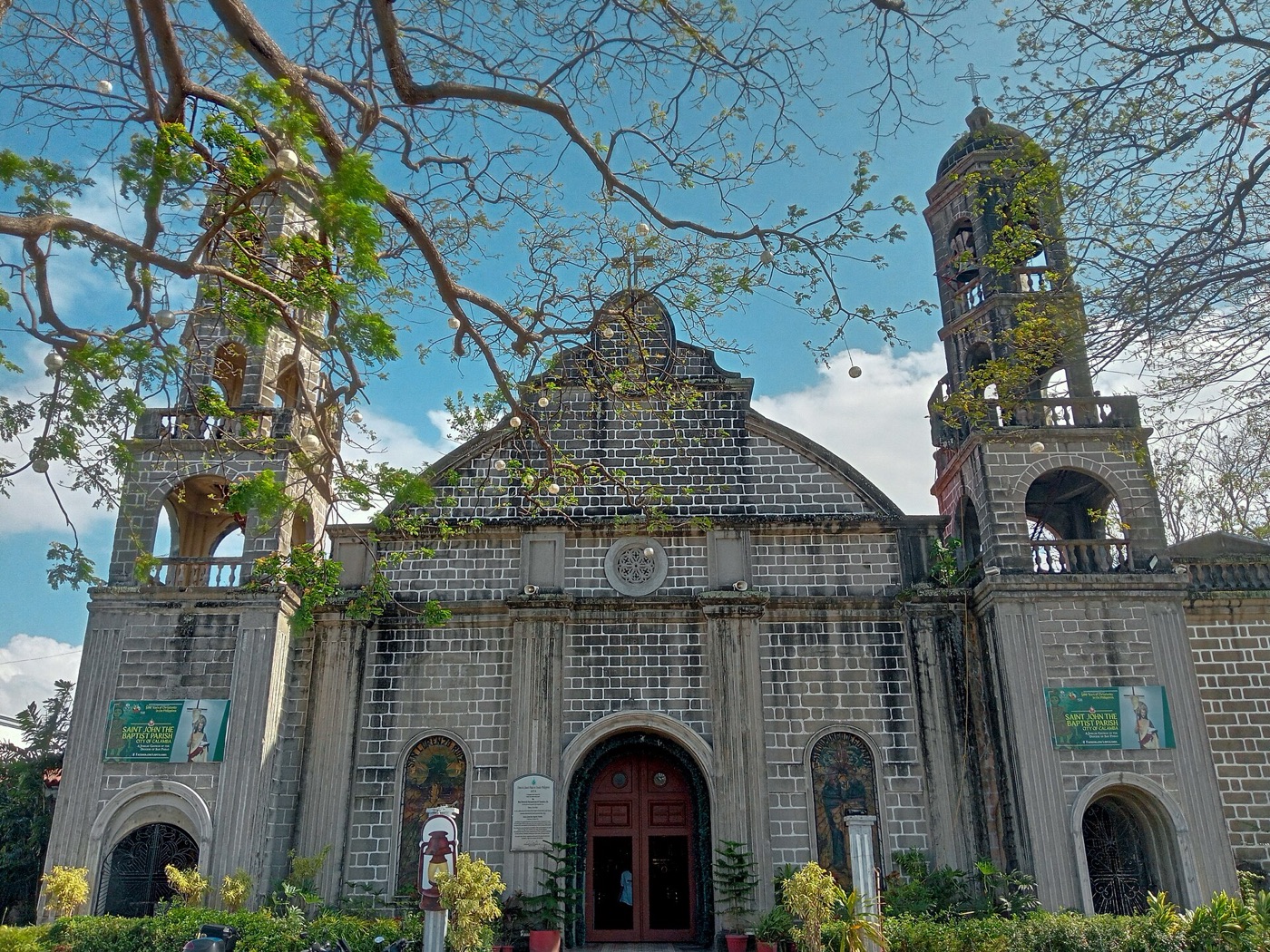
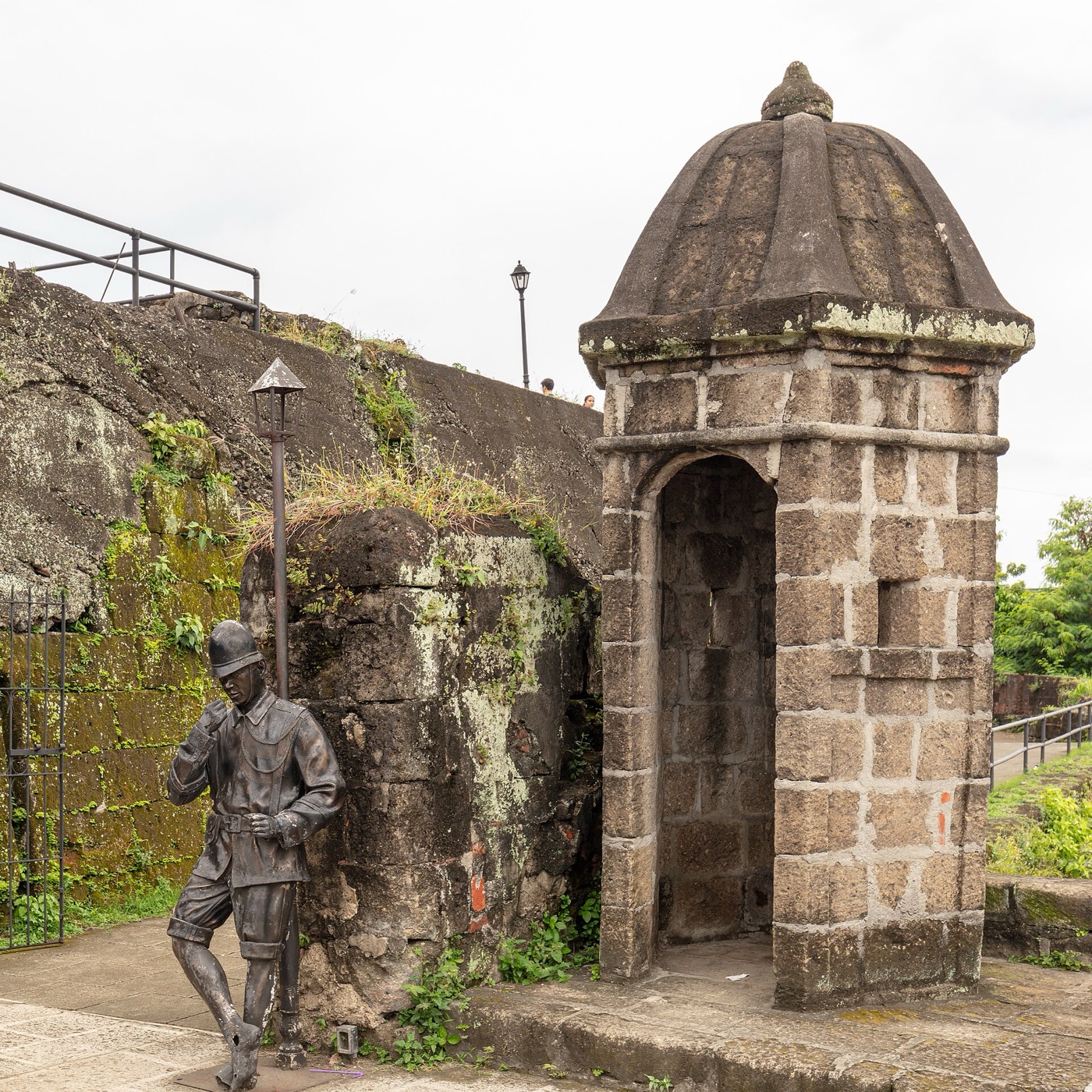
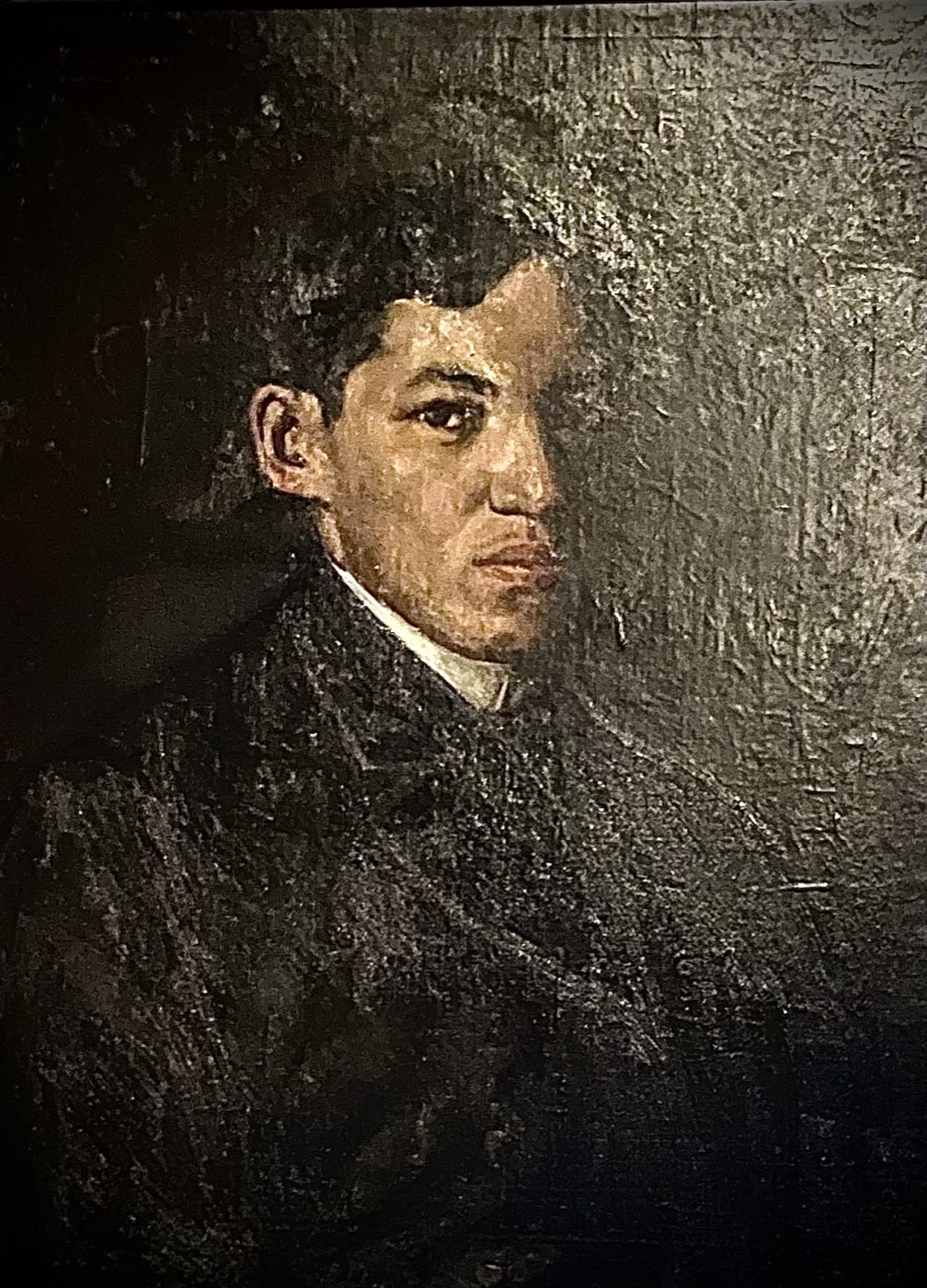
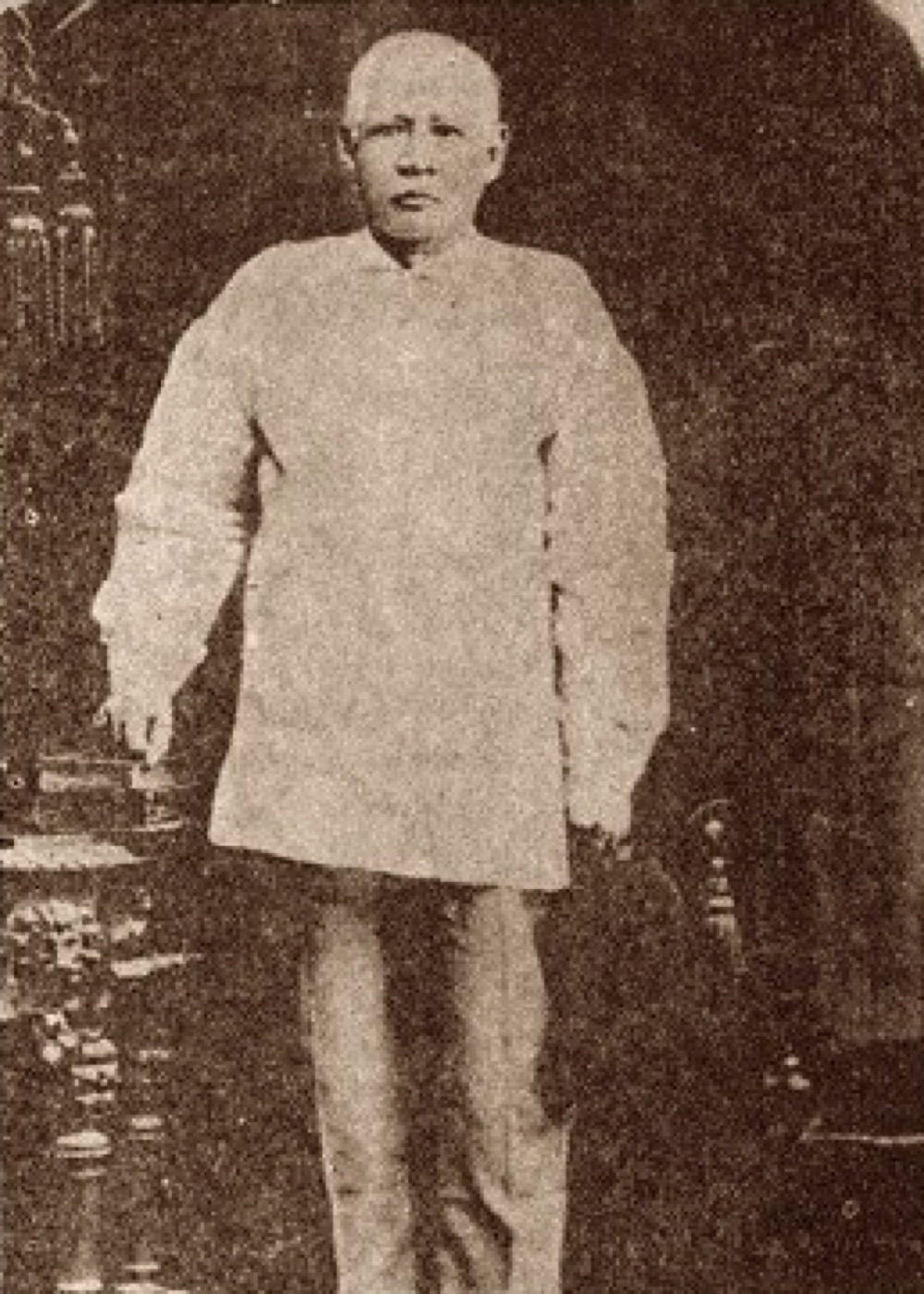
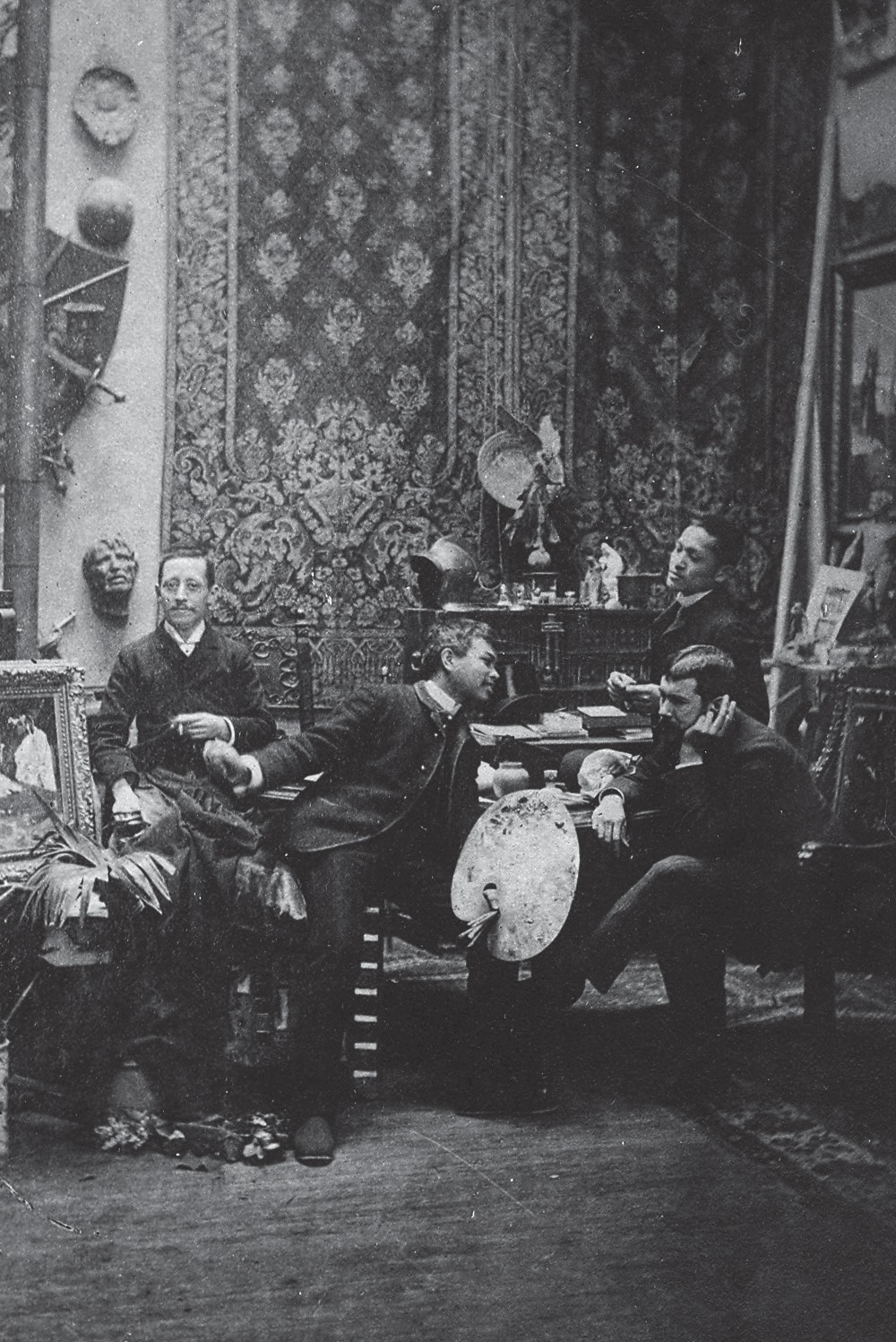
Ibarra’s school project, Sisa’s search, Simoun’s revenge, and Isagani’s convictions do not add up to one program. They are voices to compare. The context plates below are historical images, not portraits of fictional people.
Noli Me Tangere · Education
Crisóstomo Ibarra
In the text. A returning student plans a school.
A possible reading. Elite reform has promise and limits.
Connections: María Clara; Elias
Reveal a major spoiler
Simoun is Ibarra’s later identity.
Noli Me Tangere · Gender & authority
María Clara
In the text. Ibarra’s betrothed faces family pressure.
A possible reading. Personal choice is constrained by authority.
Connections: Ibarra; Padre Dámaso
Reveal a major spoiler
Padre Dámaso is her biological father.
Noli Me Tangere · Inequality
Sisa
In the text. A mother searches for her sons.
A possible reading. Poverty magnifies institutional violence.
Connections: Basilio; Crispin
Reveal a major spoiler
Her reunion with Basilio ends in her death.
Both novels · Education
Basilio
In the text. Sisa’s son later studies medicine.
A possible reading. Education offers hope, not immunity.
Connections: Sisa; Simoun
Reveal a major spoiler
He learns Simoun’s secret.
Noli Me Tangere · Resistance
Elias
In the text. He debates reform with Ibarra.
A possible reading. Marginalized voices challenge elite optimism.
Connections: Ibarra
Reveal a major spoiler
He sacrifices himself during Ibarra’s escape.
Noli Me Tangere · Religious power
Padre Dámaso
In the text. A friar opposes Ibarra.
A possible reading. Clerical authority exceeds spiritual life.
Connections: Ibarra; María Clara
Reveal a major spoiler
His relationship to María Clara exposes hypocrisy.
Noli Me Tangere · Religious power
Padre Salvi
In the text. San Diego’s curate watches María Clara.
A possible reading. Surveillance makes private life political.
Connections: María Clara; Ibarra
Reveal a major spoiler
He helps incriminate Ibarra.
El Filibusterismo · Resistance
Simoun
In the text. A wealthy jeweler cultivates officials.
A possible reading. Revenge can reproduce domination.
Connections: Basilio; Isagani
Reveal a major spoiler
His violent plot fails.
El Filibusterismo · Land & inequality
Kabesang Tales
In the text. A farmer loses control of his land.
A possible reading. Dispossession can radicalize resistance.
Connections: Juli; Tandang Selo
Reveal a major spoiler
He becomes the outlaw Matanglawin.
El Filibusterismo · Education
Isagani
In the text. A student advocates a Spanish academy.
A possible reading. Conviction meets personal attachment.
Connections: Basilio; Paulita Gómez
Reveal a major spoiler
He throws the explosive lamp into the river.
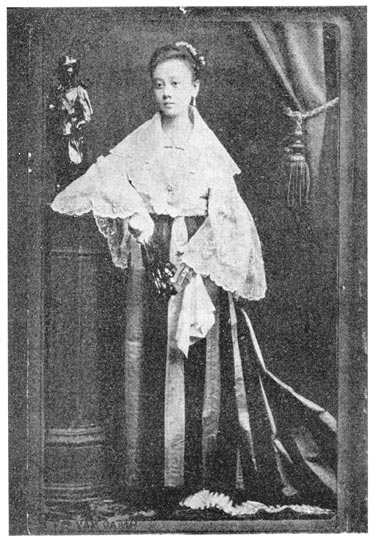
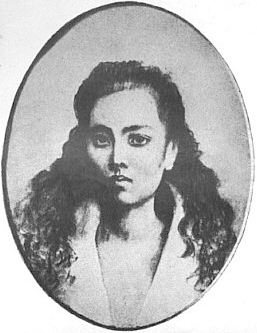
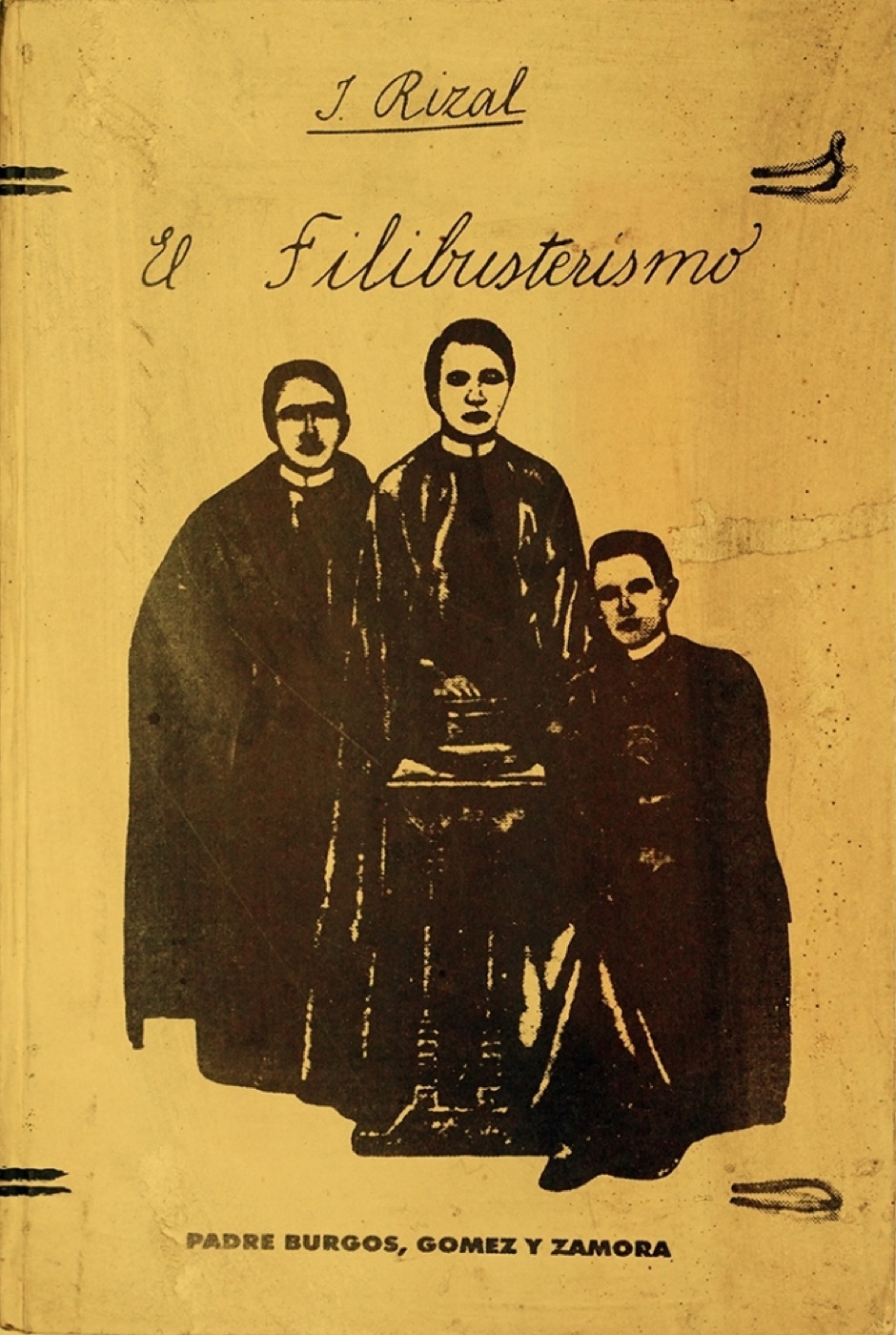
The living model for María ClaraLeonor Rivera, Rizal’s sweetheart for over a decade and the real-life inspiration for María Clara.Studio photograph, late 19th century. Public domain.Rizal’s crayon sketch of LeonorCrayon sketch of Leonor Rivera drawn by José Rizal during their youth.José Rizal, c. 1880s. Public domain.Noli Me Tangere (1887 Berlin)The genuine 1887 Berlin first edition cover of Noli Me Tangere, printed by Berliner Buchdruckerei.José Rizal, 1887. Berliner Buchdruckerei-Actien-Gesellschaft. Public domain.El Filibusterismo (1891 Ghent)A facsimile of the 1891 El Filibusterismo cover. The novel was printed in Ghent.José Rizal, 1891. Public domain.
“Noli” and “Fili” shorten the novel titles. “Both” marks characters who appear in both. Chapter references follow Charles Derbyshire’s translations; consult your course edition for differences.
Search and filter
The interactive character explorer supports name and theme searches, novel filters, and relationship notes.