Works · 1887 and 1891

Two novels,
one argument.

Noli Me Tangere exposed colonial abuses through a story of reform and betrayal. El Filibusterismo returned to the same world with a darker question: what happens when reform is refused?

Published 1887Sequel 1891Read free online
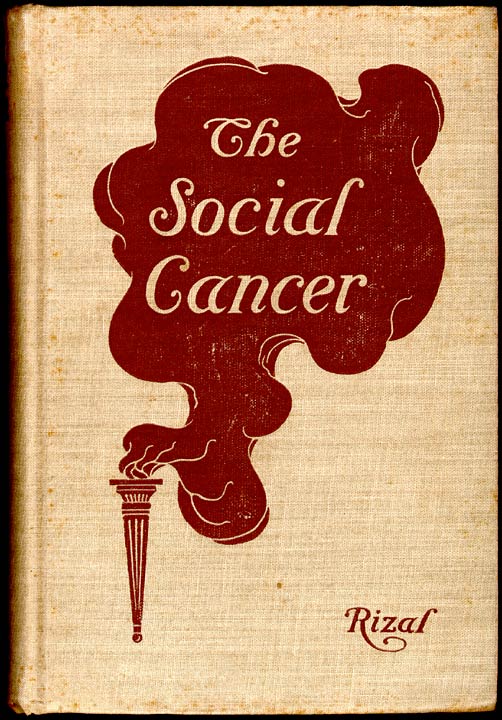
Digitized cover of The Social Cancer, 1912 English edition
The 1912 Derbyshire translation of Noli Me Tangere, digitized by Project Gutenberg. Project Gutenberg ebook 6737. Public-domain edition.
Digitized cover of The Social Cancer, 1912 English edition1887 · Berlin

Noli Me Tangere

The Social Cancer follows Crisóstomo Ibarra’s return to San Diego, his plan for a school, and the clerical and colonial interests that destroy it. The novel asks whether reform can work inside a system that punishes reform.

Read the full 1912 translation ↗
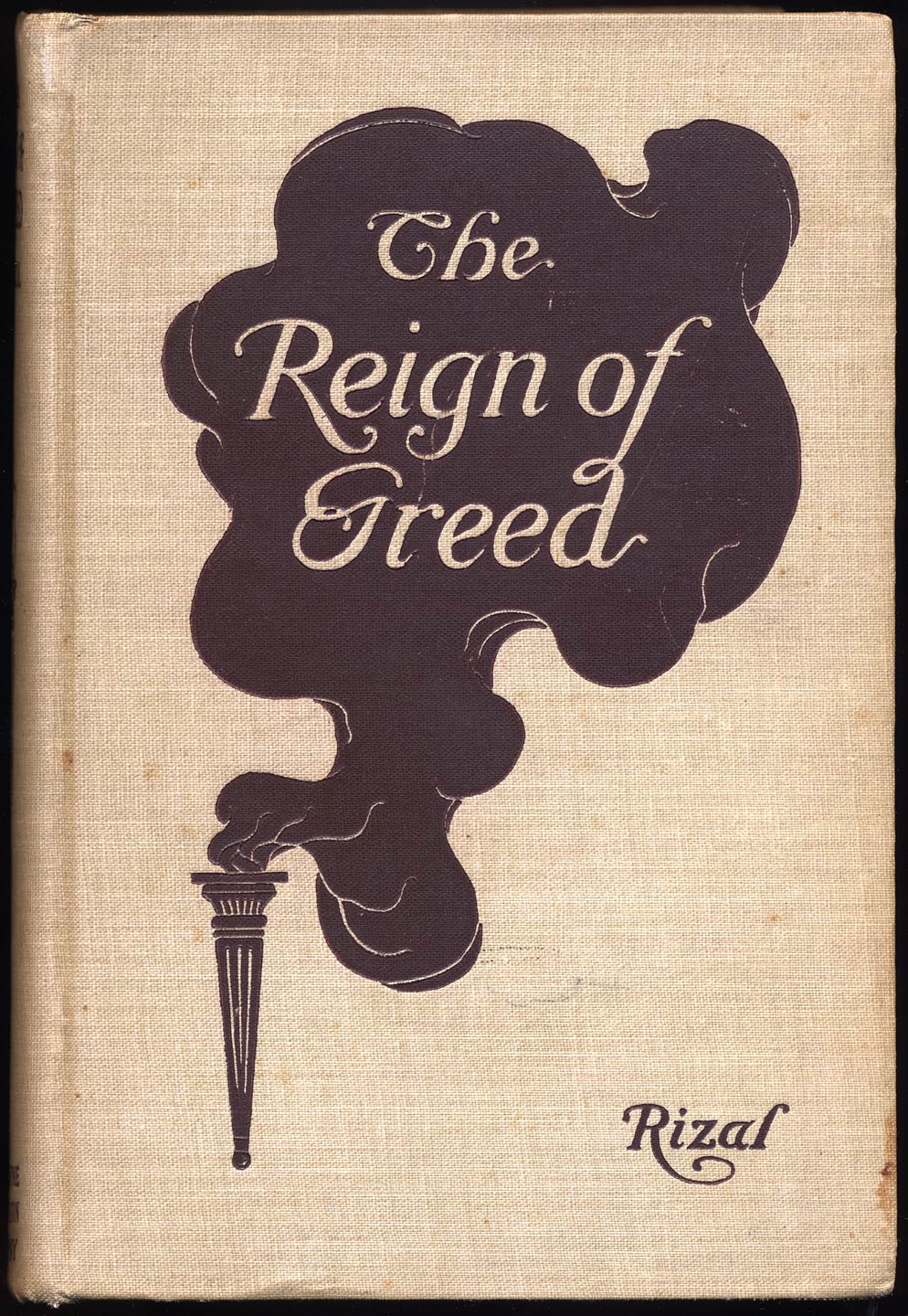
Digitized cover of The Reign of Greed, 1912 English edition1891 · Ghent

El Filibusterismo

The Reign of Greed returns to a more corrupt society. Simoun’s plot turns reformist disappointment into revenge. The novel tests the costs of revolutionary violence without offering a clean answer.

Read the full 1912 translation ↗

Read them together

The two novels are often assigned as separate titles. Reading them as a pair makes their argument sharper. Ibarra’s school in Noli assumes that education can persuade a society to improve. Simoun in El Filibusterismo is what remains when that assumption is defeated. Basilio, Isagani, and Kabesang Tales each carry a different answer to the same question: what is to be done?

None of these characters is simply Rizal. A novel can stage a debate without settling it. The useful classroom question is not “which character is right?” but “what does this character make visible, and what does it leave out?”

Editions and translation

The covers shown here are digitized editions, not the 1887 and 1891 first-edition covers. Charles Derbyshire’s 1912 English translations are in the public domain and are linked in full. Period language and editorial framing differ from modern classroom editions.

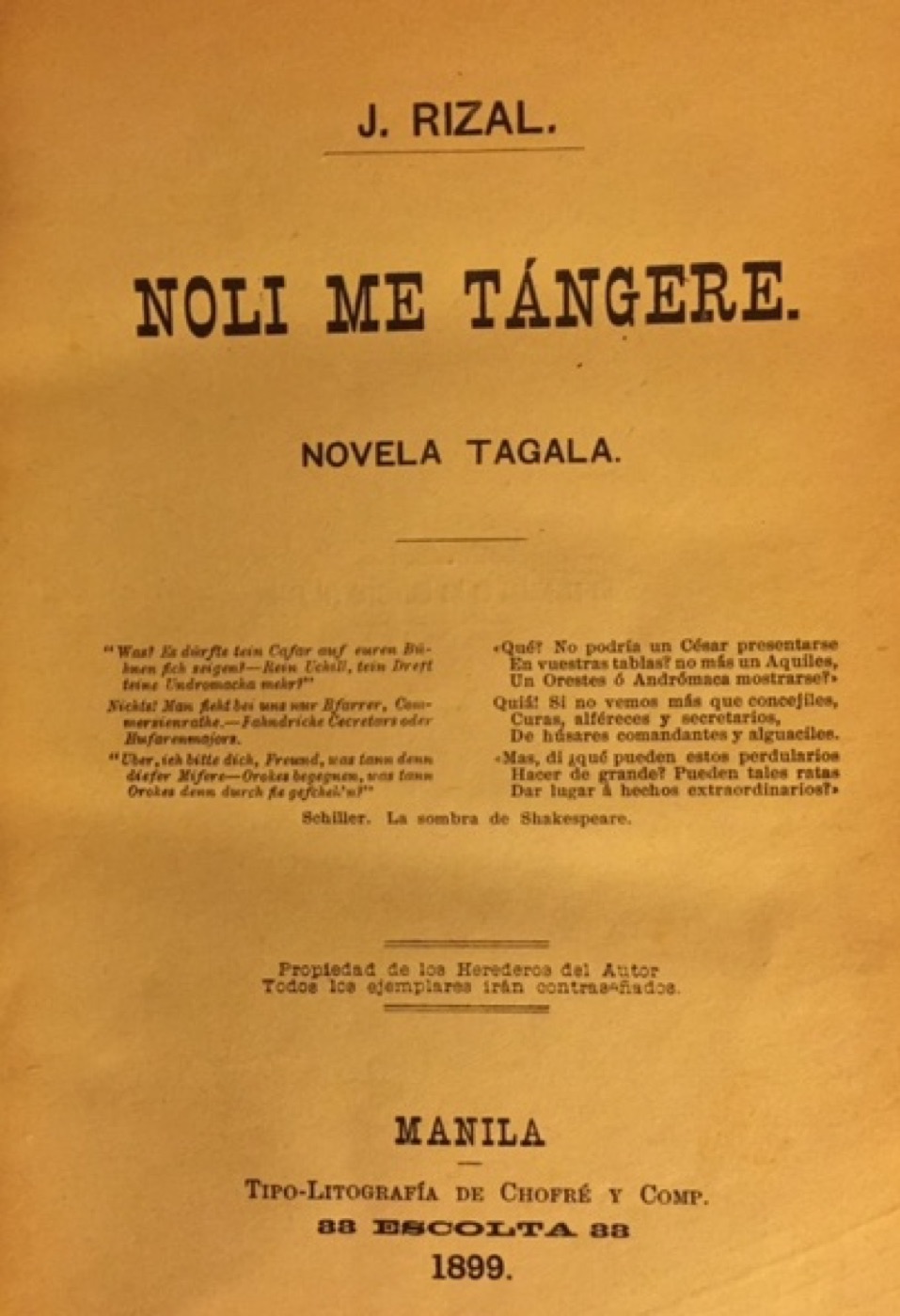
Cover of the 1899 Philippine edition of Noli Me Tangere
First Philippine editionThe first Philippine edition of Noli Me Tangere, published in Manila in 1899.Public-domain edition; photograph by Guanyin2, CC BY-SA 4.0.
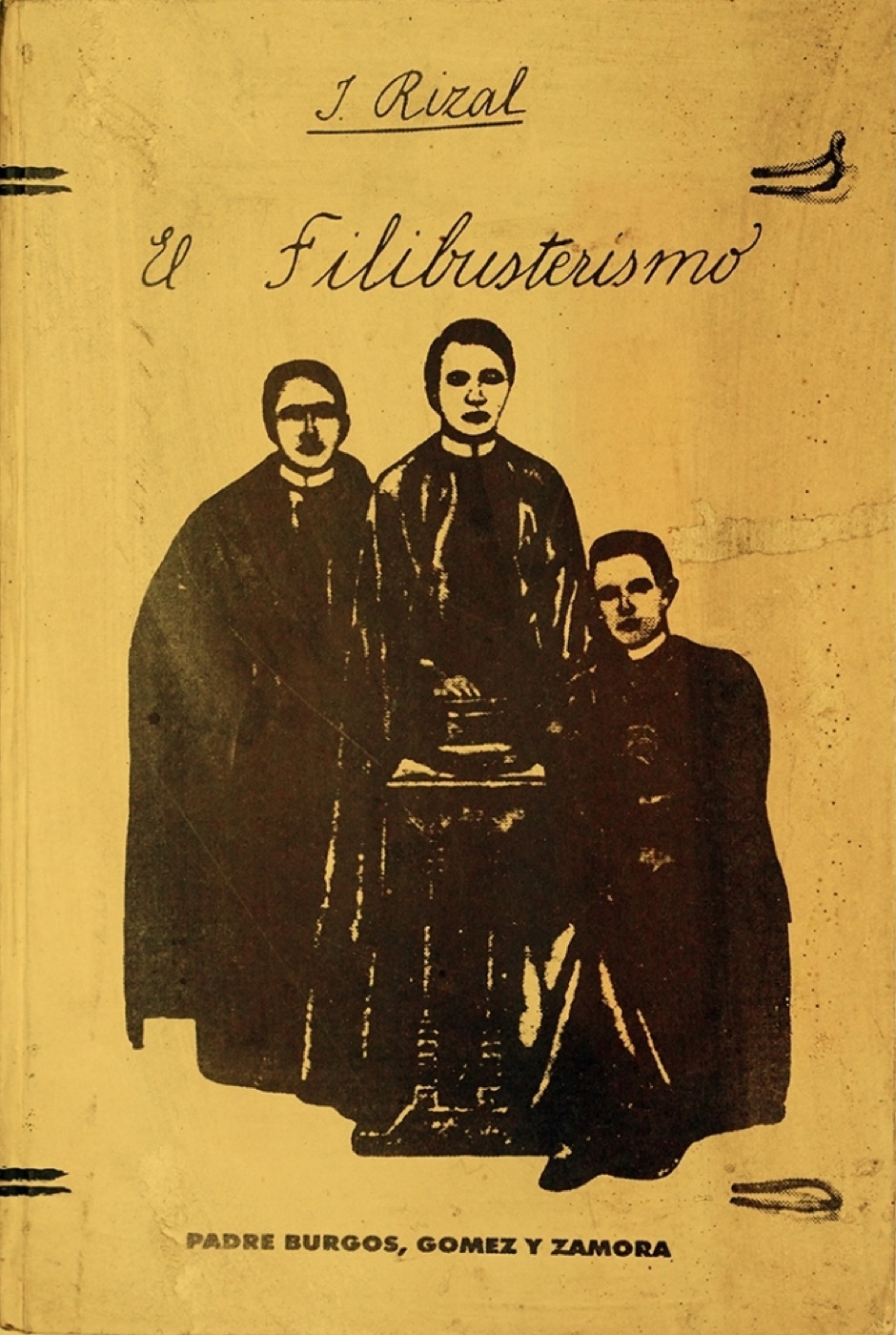
Facsimile cover of El Filibusterismo, 1891
1891 facsimile coverA facsimile of the 1891 El Filibusterismo cover. The novel was printed in Ghent.José Rizal, 1891. Public domain.
Digitized cover of The Social Cancer, 1912 English edition
1912 translationThe 1912 Derbyshire translation of Noli Me Tangere, digitized by Project Gutenberg.Project Gutenberg ebook 6737. Public-domain edition.
Digitized cover of The Reign of Greed, 1912 English edition
1912 translationThe 1912 Derbyshire translation of El Filibusterismo, digitized by Project Gutenberg.Project Gutenberg ebook 10676. Public-domain edition.
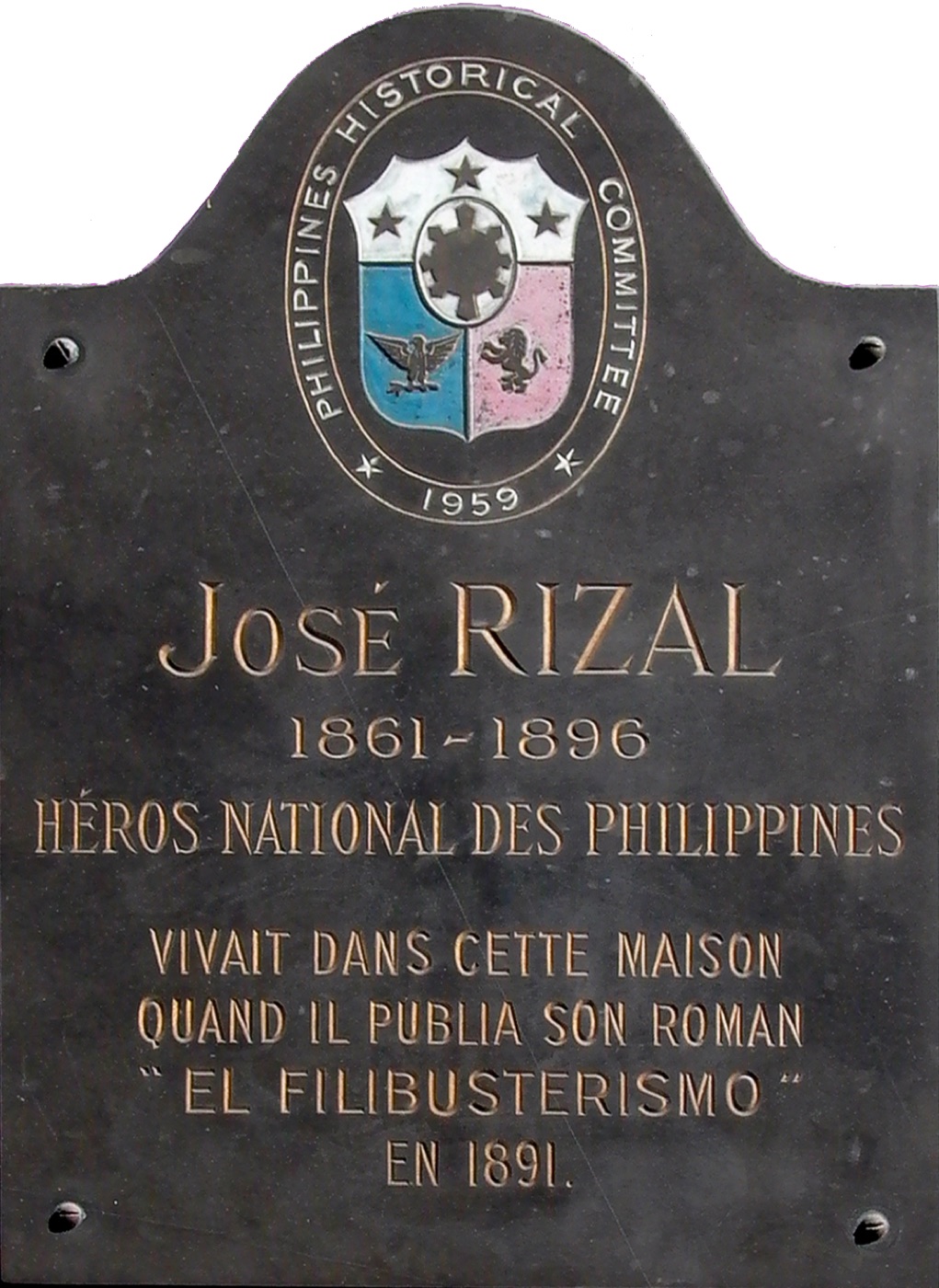
Memorial plaque for José Rizal in Ghent
Ghent todayThe Rizal plaque in Ghent, marking the city where El Filibusterismo was printed.Paul Drieghe, CC BY-SA 3.0, via Wikimedia Commons.
Cover page of the constitution of La Liga Filipina
Political writingThe cover of La Liga Filipina’s constitution, 1892.José Rizal, 1892. Public domain.

Cover images are reproductions of public-domain editions or facsimiles. They are not presented as first-edition artefacts unless the caption says so.