Decisions · Three situations

What would
you do?

Every option protects something and puts something else at risk. Open each choice to read its consequence and the tension it leaves unresolved.

3 scenarios9 first choicesNo score
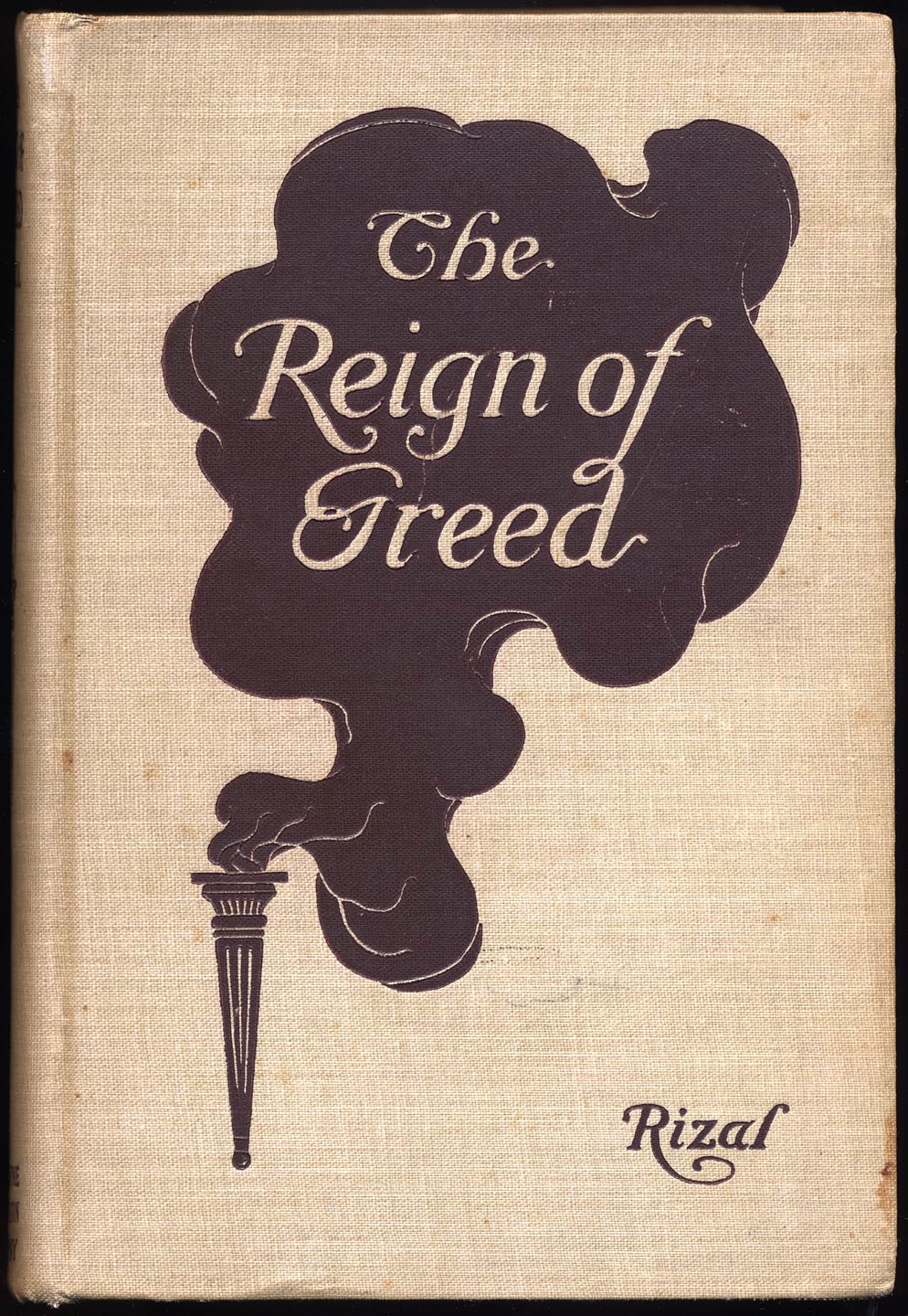
Digitized cover of The Reign of Greed, 1912 English edition
The 1912 Derbyshire translation of El Filibusterismo, digitized by Project Gutenberg. Project Gutenberg ebook 10676. Public-domain edition.

Reasons, costs,
and consent.

These are fictional educational interpretations of colonial pressures. They are not exact historical reenactments, and they do not claim to reproduce a decision Rizal actually made.

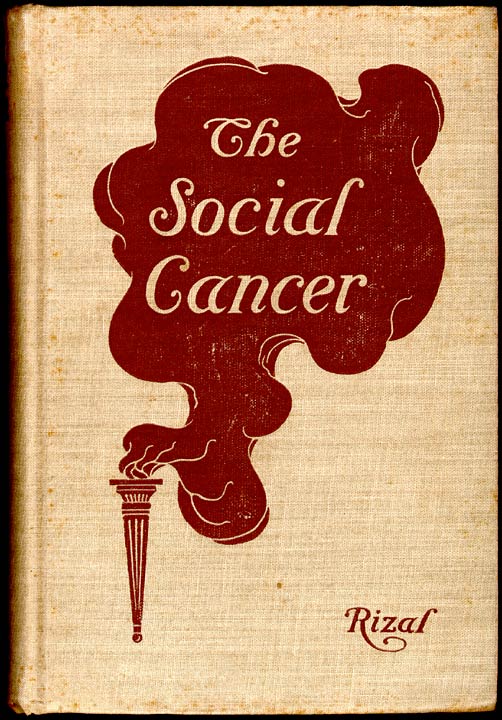
Digitized cover of The Social Cancer, 1912 English edition
Education and discrimination

A classroom with unequal rules

A fictional student in late nineteenth-century Manila sees classmates treated differently by status. This is inspired by the novels’ school settings, not a documented incident in Rizal’s life.

A teacher humiliates a classmate. Your family depends on your scholarship. What do you do?

Challenge the teacher publicly

You make the injustice visible, but your classmate may face closer scrutiny.

The tension: How can solidarity avoid increasing another person’s exposure?

Document incidents with classmates

You build a collective record, but delay may leave others unprotected.

The tension: When does careful preparation become an excuse for inaction?

Support the classmate privately

You offer immediate care while leaving the rule itself unchallenged.

The tension: What can private help achieve, and what requires public action?

Then a second decision

Your classmate asks to control how their story is used.

1. Ask for consent before sharing You respect their agency, though your case may lose a powerful example. 2. Use anonymous accounts You reduce exposure, but people may still identify the student.
Read the source ↗
Digitized cover of The Reign of Greed, 1912 English edition
Expression and colonial censorship

A manuscript at the printing press

Fictional reform-minded writers face pressure in a colonial setting. Rizal’s novels provide the literary context; this is not a reenactment.

Your group has evidence of abuse. Publishing could put sources at risk. How will you proceed?

Publish with your names

You accept responsibility, but officials can target you and your collaborators.

The tension: Who has agreed to carry the risk?

Publish anonymously abroad

You may reach readers with some protection, but distribution remains difficult.

The tension: Does anonymity protect the vulnerable or weaken accountability?

Circulate a private petition

You protect circulation more closely, but officials may ignore a limited audience.

The tension: Which audience can actually bring change?

Then a second decision

A source withdraws permission at the last moment.

1. Remove identifying details and verify again Publication slows, but the source’s safety receives priority. 2. Postpone the disputed section You keep the broader argument while acknowledging the evidence gap.

Read the source ↗
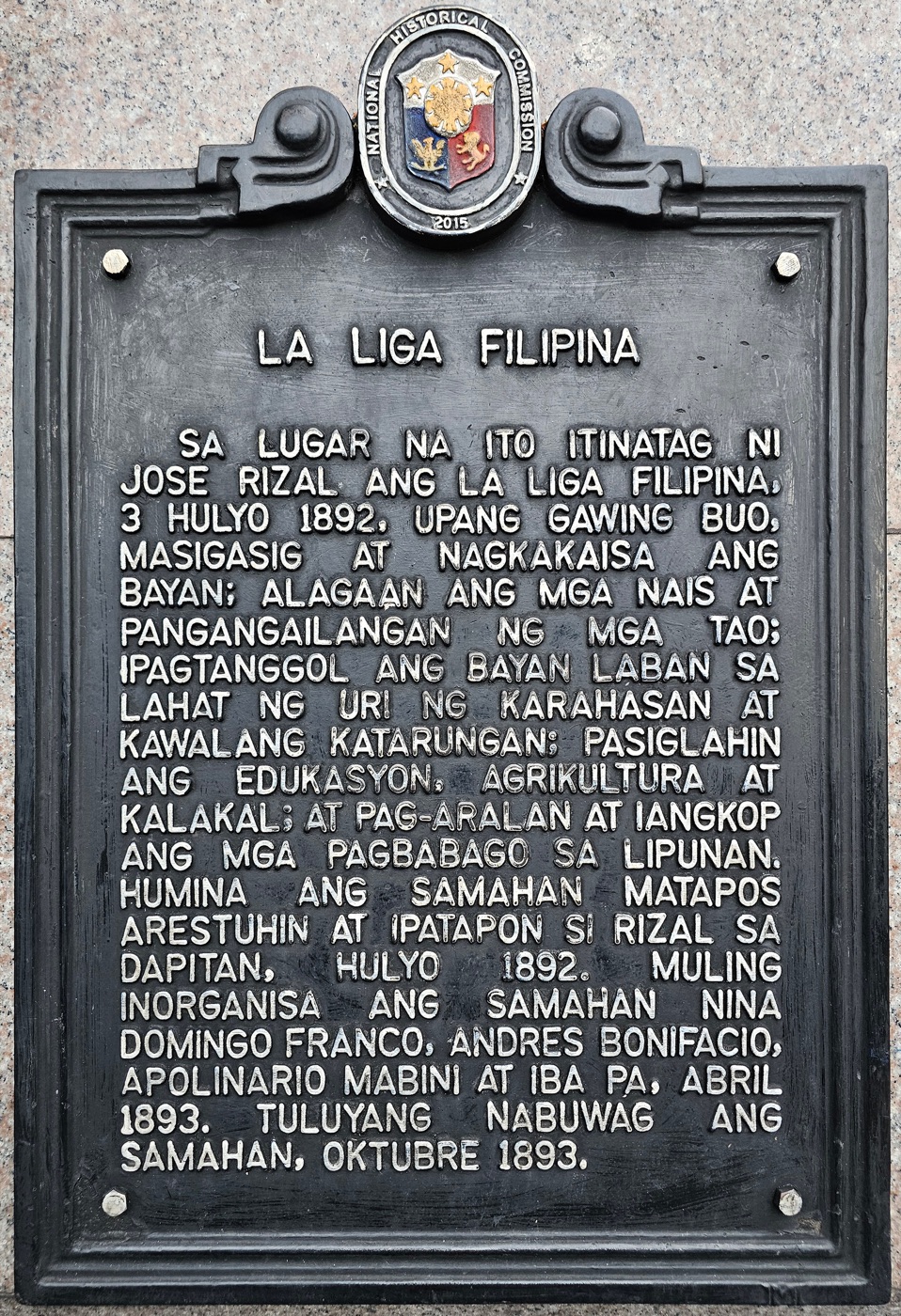
National Historical Commission marker for La Liga Filipina
Resistance and personal sacrifice

Reform under pressure

A fictional community considers action as authorities restrict organizing. La Liga Filipina’s mutual-aid aims and the novels’ disagreements inform this scenario.

Neighbors disagree about how to confront injustice. What will you help organize?

A mutual-aid association

Shared resources meet immediate needs, but authorities may still see organizing as threatening.

The tension: Can local service change the structures producing hardship?

A public campaign for reform

Specific demands can unite people, but delay may erode trust.

The tension: What will you do if lawful demands are repeatedly refused?

A discussion with advocates of resistance

You hear people excluded from reform, while confronting the risk that conflict harms civilians.

The tension: Who decides what sacrifices others should make?

Then a second decision

Your group wants a commitment before everyone understands the risks.

1. Hold a meeting on risks and consent The decision slows, but participation becomes more informed. 2. Start a smaller voluntary project You preserve momentum without claiming to represent everyone.

Read the source ↗

The aim is not to find the “correct” option. Ask what value guided your choice, who bears its cost, and what evidence would change your mind. The interactive version adds a second decision after each first choice.

Follow all eighteen paths

Choose a first response, read the consequence, then make a follow-up decision. Restart and compare.

Open the decision activity ↗