Places · A photo essay

Places that
widened the world.

A birthplace, a university city, a printing house, a place of exile, and a public park. Each site carries a different relationship to the historical record.
10 placesPresent-day viewsSourced notes
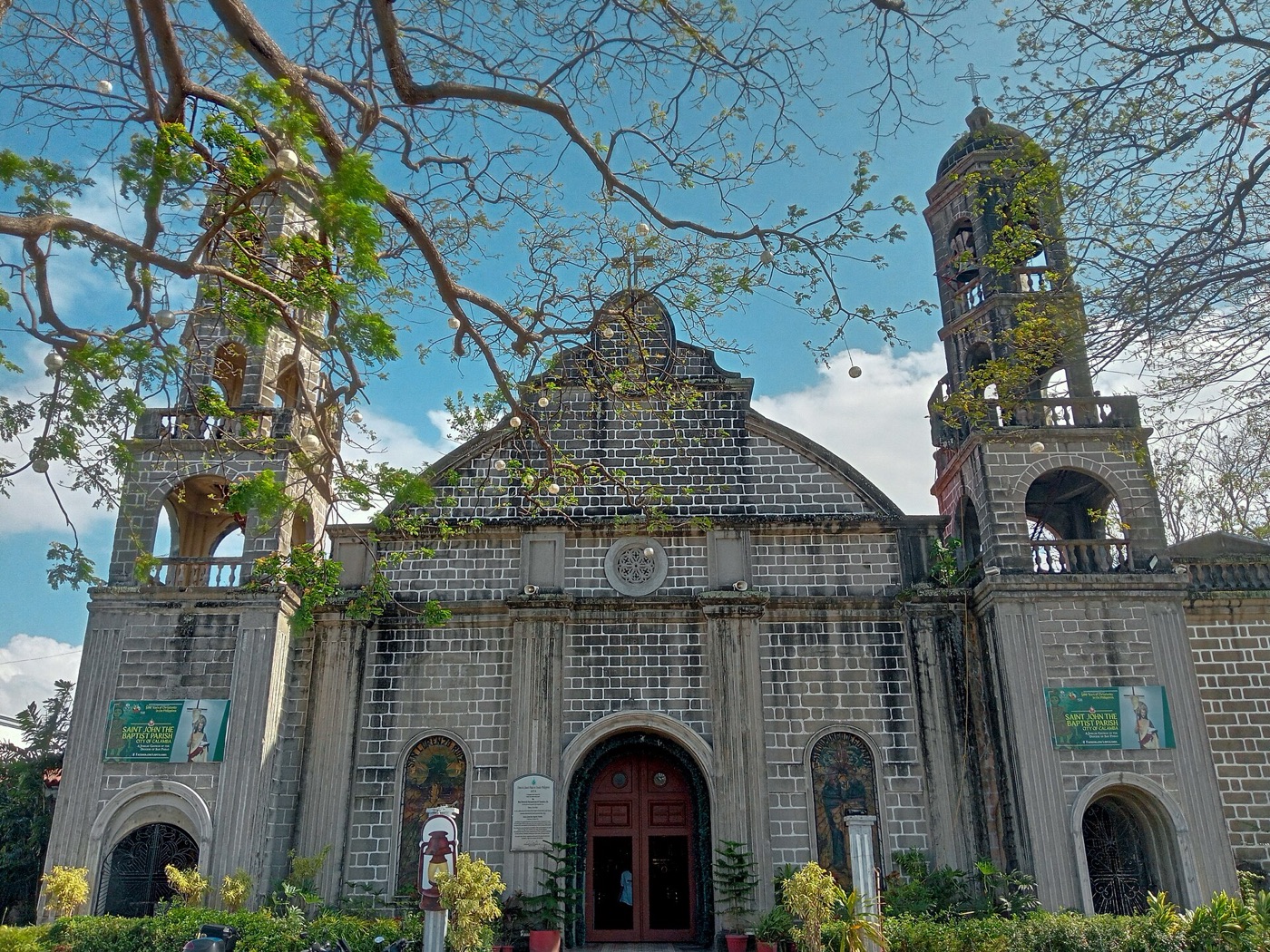
Saint John the Baptist Parish Church in Calamba, Laguna
Saint John the Baptist Parish Church, Calamba. Rizal was baptized here in 1861. Ralff Nestor Nacor, CC BY-SA 4.0, via Wikimedia Commons.

What a place
can and cannot show.

A photograph of a shrine today does not show the house Rizal knew. A plaque marks a connection; it does not prove what happened in every room. Read the caption as carefully as the image.

1861–1882

Calamba

The family house and the parish church anchor the beginning. The shrine is a reconstruction; the church is the older institution in which Rizal was baptized.

Read the sourced location note ↗
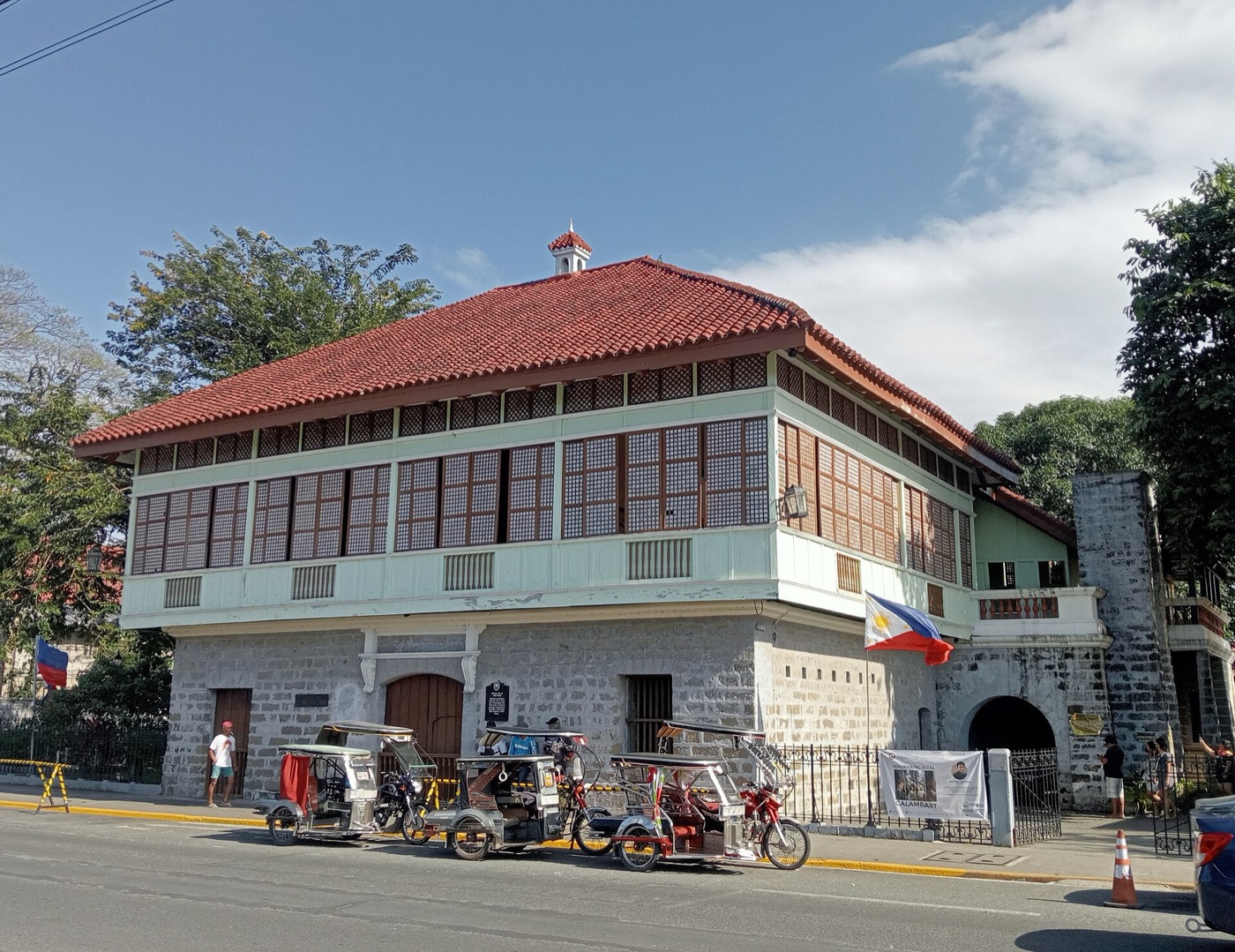
The Rizal Shrine in Calamba, Laguna
The Rizal Shrine in Calamba, a reconstruction of the family house where Rizal was born.Ralff Nestor Nacor, CC BY-SA 4.0, via Wikimedia Commons.
Saint John the Baptist Parish Church in Calamba, Laguna
Saint John the Baptist Parish Church, Calamba. Rizal was baptized here in 1861.Ralff Nestor Nacor, CC BY-SA 4.0, via Wikimedia Commons.
1872–1882; 1892; 1896

Manila

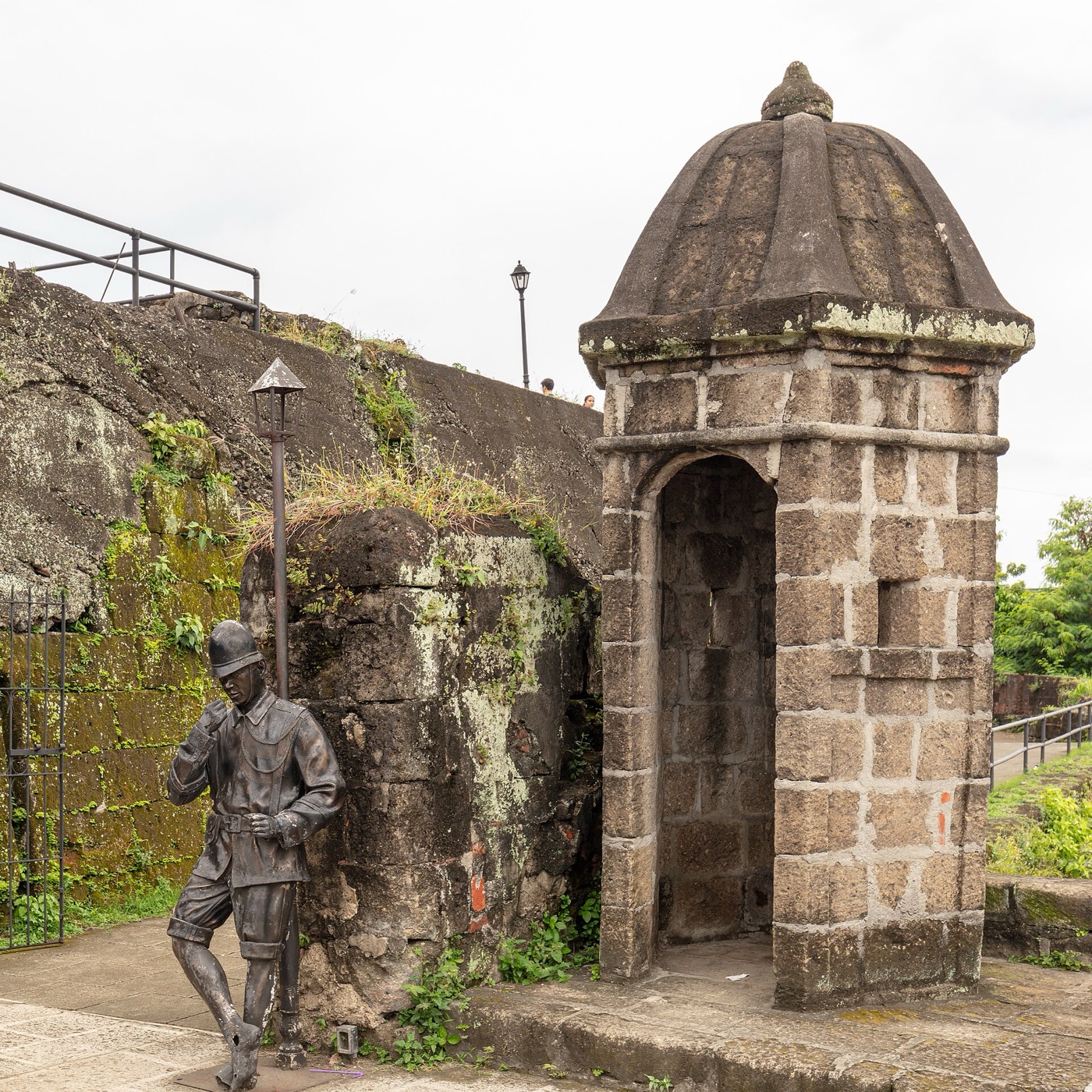
Schooling, the founding of La Liga Filipina, imprisonment, and trial connect this city to different phases of his life. The 1899 photograph postdates his death.

Read the sourced location note ↗
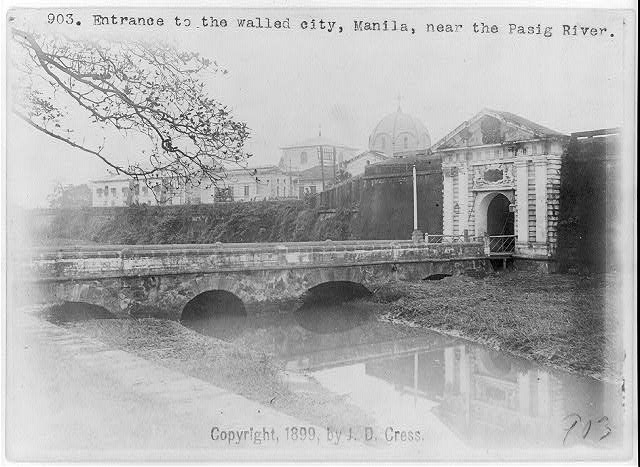
Entrance to Manila’s walled city, photograph cataloged circa 1899
Entrance to the walled city near the Pasig River, cataloged circa 1899. It postdates Rizal’s death.J. D. Cress, c. 1899. Library of Congress, LC-USZ62-60796. No known restrictions.
Stone walls and gateway of Fort Santiago in Manila
Fort Santiago, Intramuros. Rizal was held here before his trial and execution.Diego Delso, CC BY-SA 4.0, via Wikimedia Commons.
1882–1885

Madrid

University studies and Filipino intellectual networks shaped his work abroad. The group portrait places Rizal among expatriates who argued about reform.

Read the sourced location note ↗
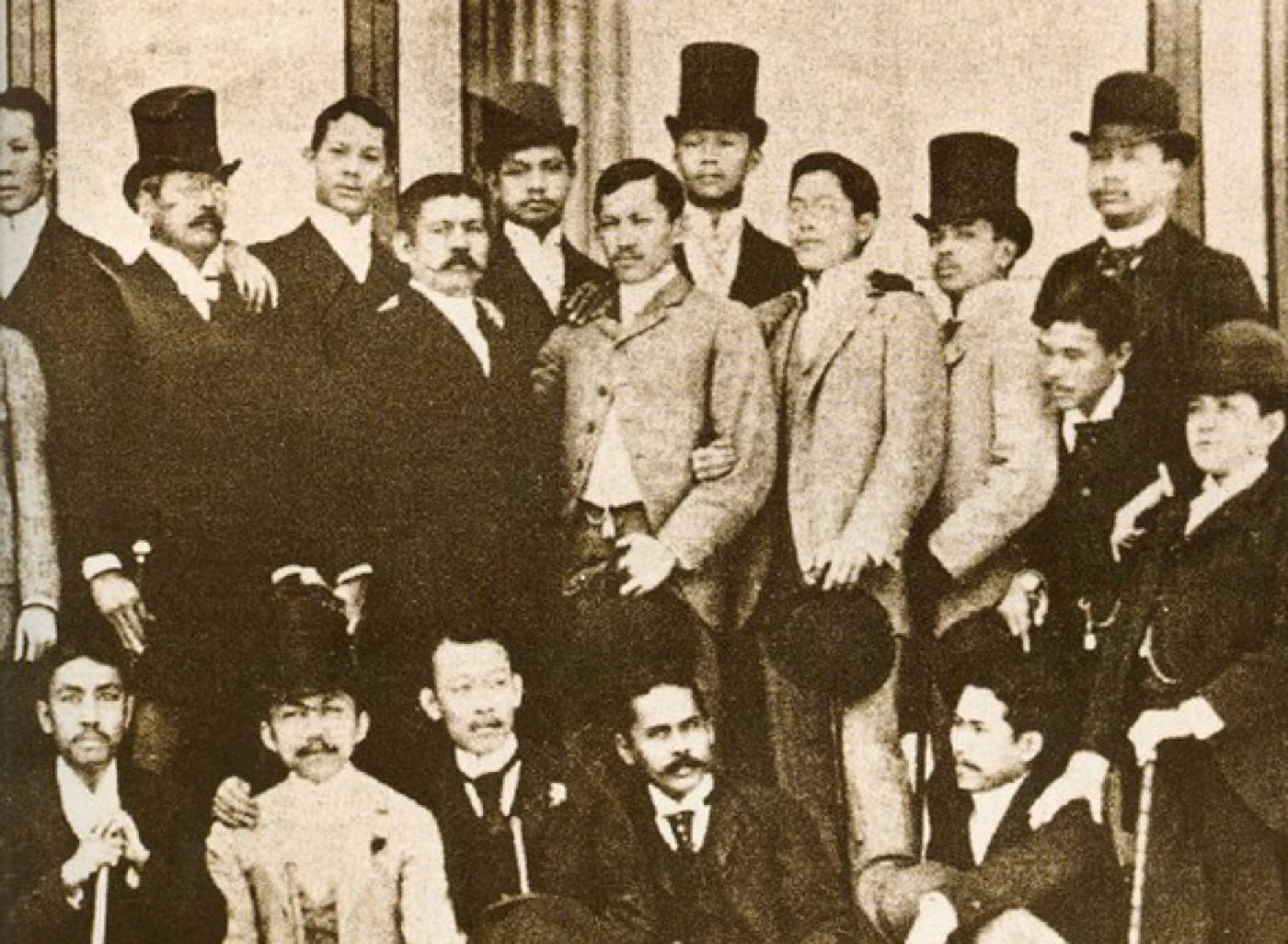
Group portrait of José Rizal, Marcelo del Pilar and other Filipinos in Madrid
Rizal (centre) with Marcelo del Pilar and other Filipino expatriates in Madrid.Unknown photographer, late nineteenth century. Public domain.
1885–1886

Paris

Clinical training with Louis de Wecker developed his skills in eye medicine. The 1891 portrait belongs to a later moment; it is not a Paris street scene.

Read the sourced location note ↗
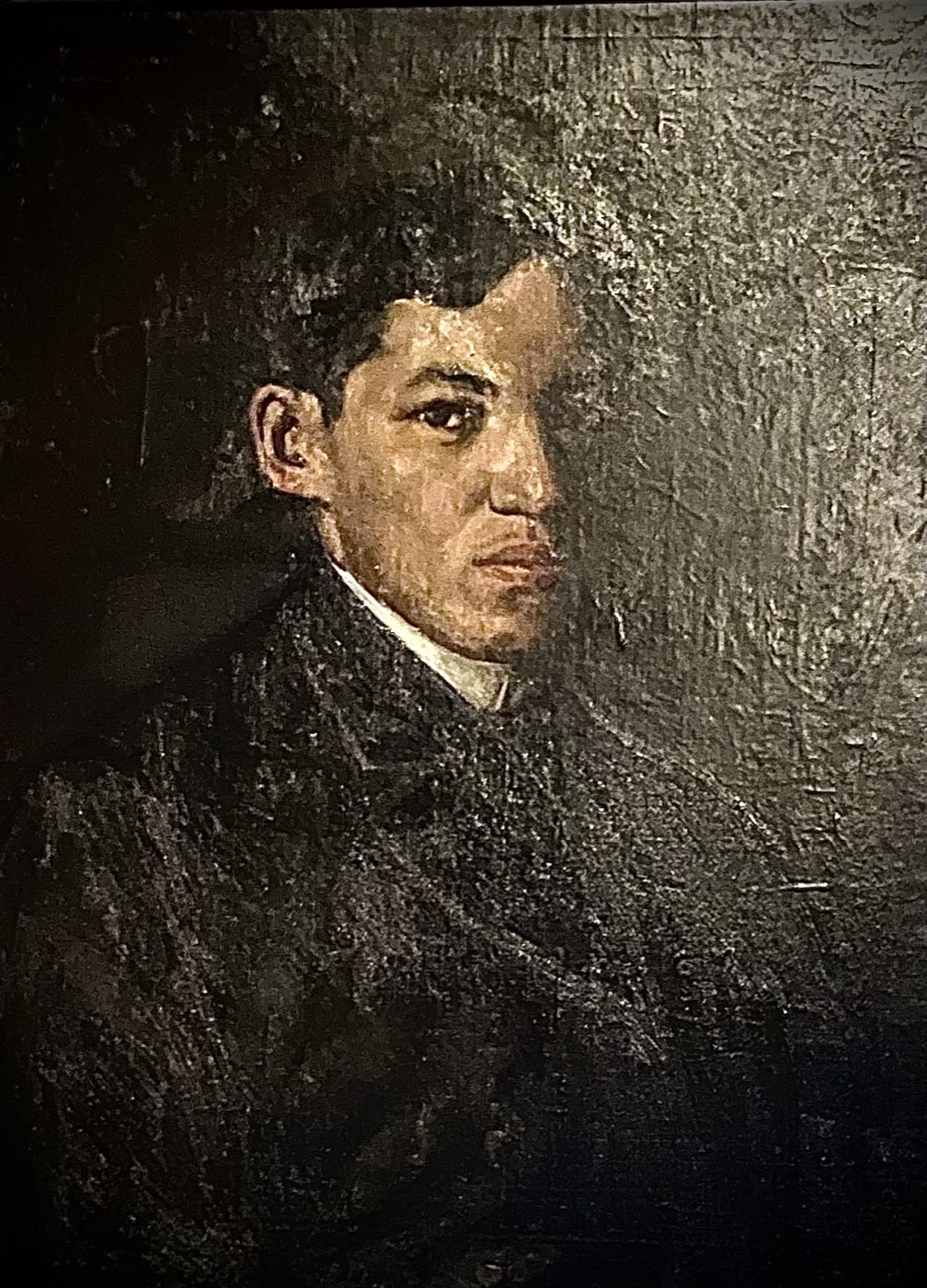
1891 portrait of José Rizal by Telesforo Sucgang
Rizal in 1891, the year El Filibusterismo appeared in Ghent.Telesforo Sucgang, 1891. Wikimedia Commons, CC0.
1886

Heidelberg

Ophthalmology with Otto Becker, writing, and friendships with the Ullmer family. The present-day view shows the old town and castle, not the rooms Rizal used.

Read the sourced location note ↗
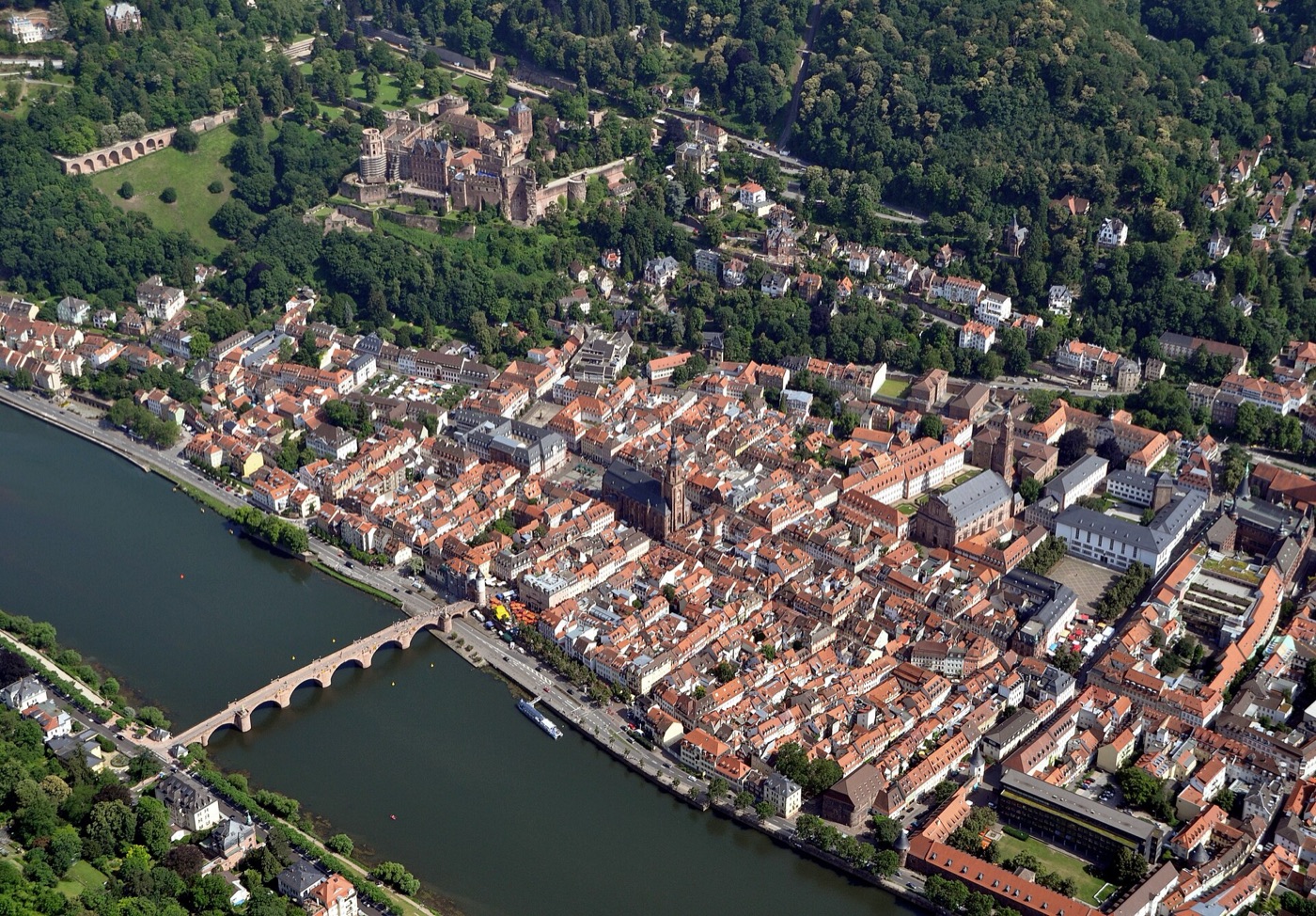
Aerial view of Heidelberg’s old town and castle
Heidelberg: the old town and castle above the Neckar, where Rizal studied ophthalmology in 1886.Schlurcher, CC BY 4.0, via Wikimedia Commons.
1887

Berlin

Publication city of Noli Me Tangere. The cover shown is a later English translation, not the 1887 edition.

Read the sourced location note ↗
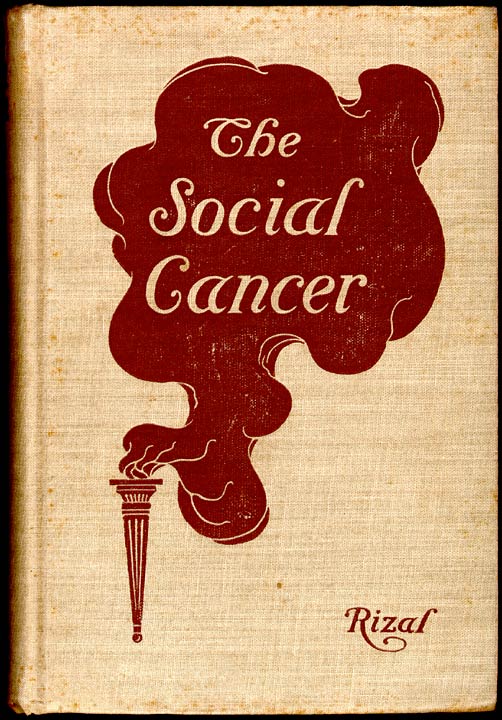
Digitized cover of The Social Cancer, 1912 English edition
The 1912 Derbyshire translation of Noli Me Tangere, digitized by Project Gutenberg.Project Gutenberg ebook 6737. Public-domain edition.
1891

Ghent

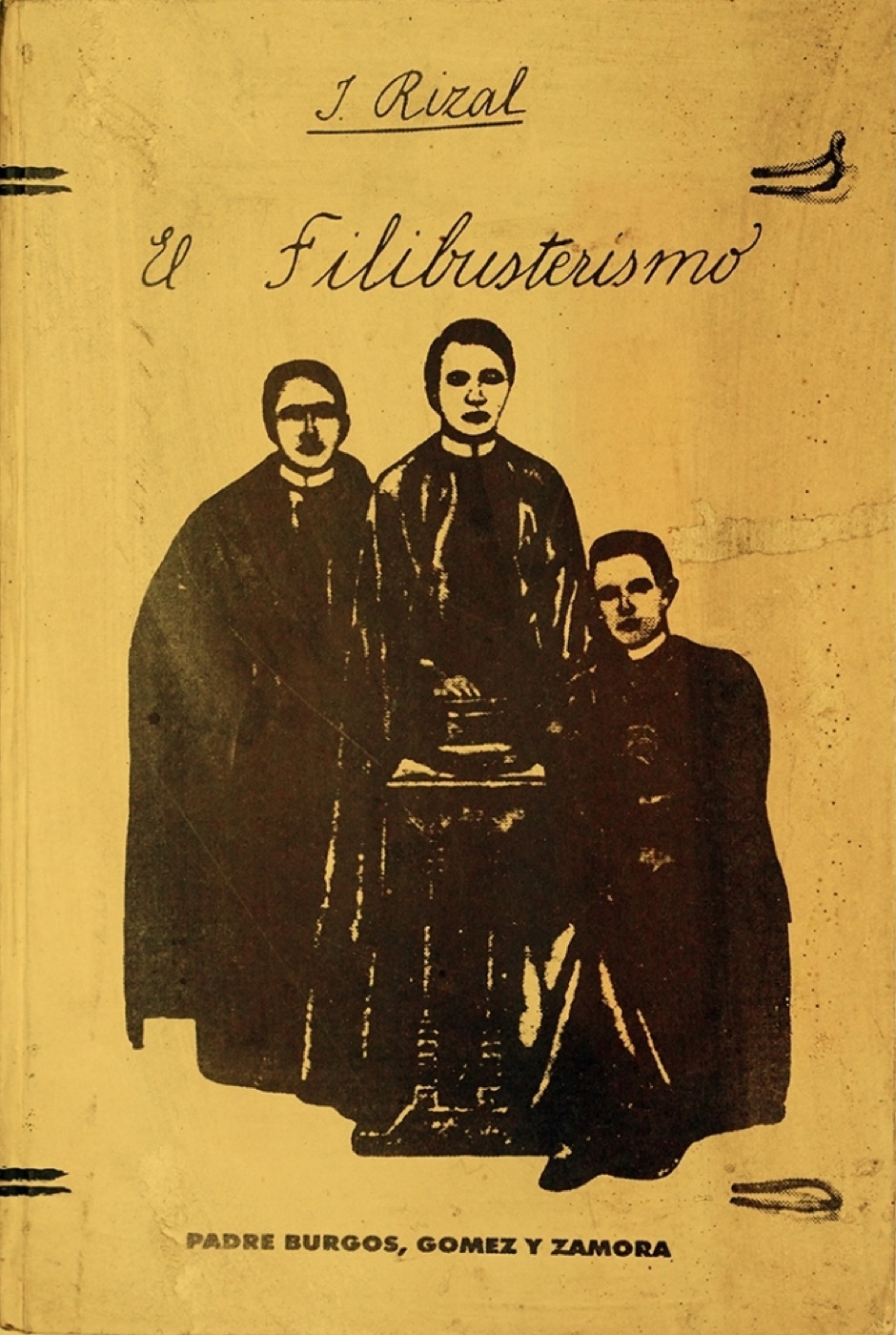
Publication city of El Filibusterismo. A plaque marks the connection; the facsimile cover is a later reproduction.

Read the sourced location note ↗
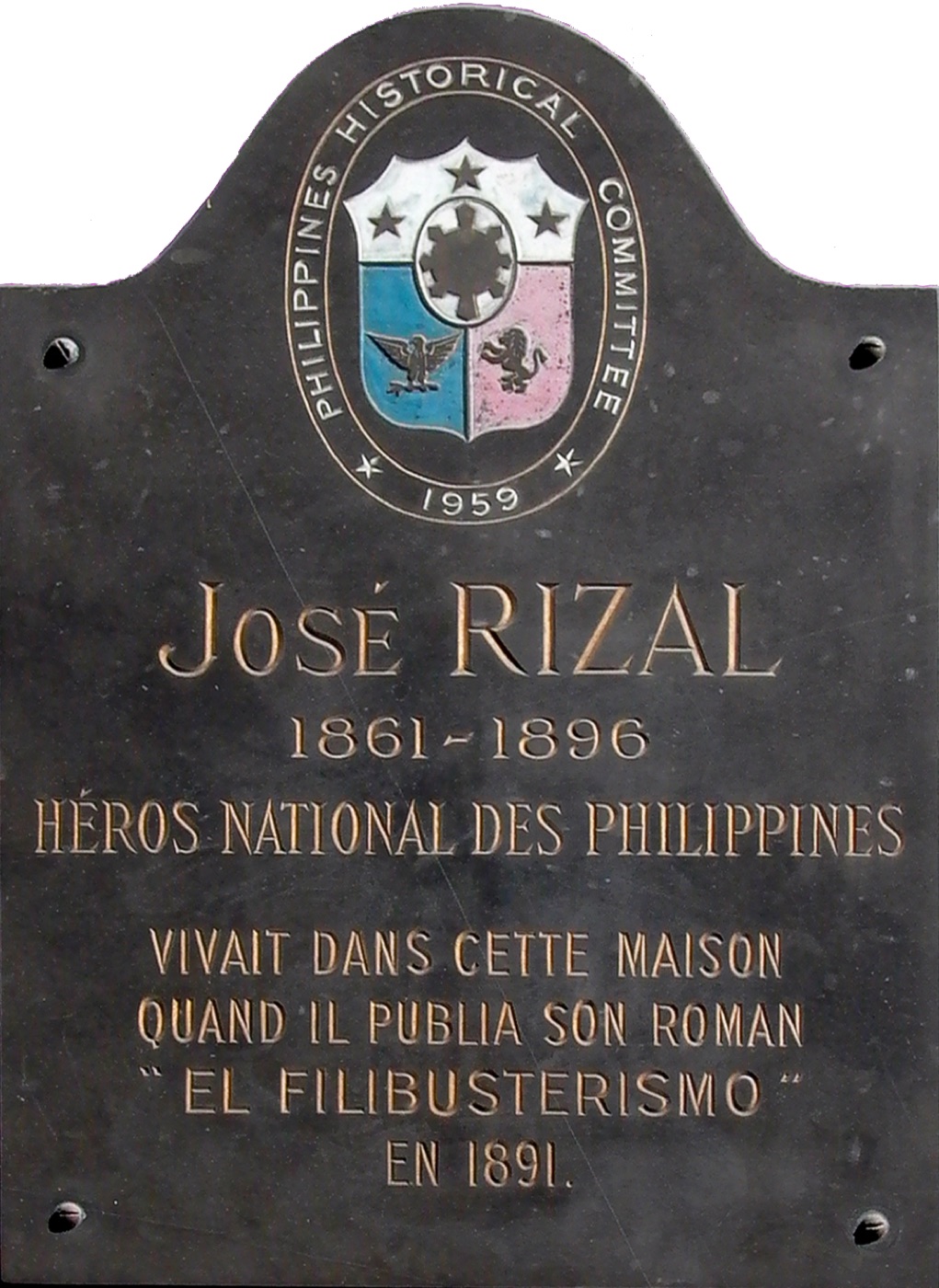
Memorial plaque for José Rizal in Ghent
The Rizal plaque in Ghent, marking the city where El Filibusterismo was printed.Paul Drieghe, CC BY-SA 3.0, via Wikimedia Commons.
Facsimile cover of El Filibusterismo, 1891
A facsimile of the 1891 El Filibusterismo cover. The novel was printed in Ghent.José Rizal, 1891. Public domain.
1891–1892

Hong Kong

Rizal lived here before returning to Manila in June 1892. His ophthalmologist business card is a document of work and exile.

Read the sourced location note ↗
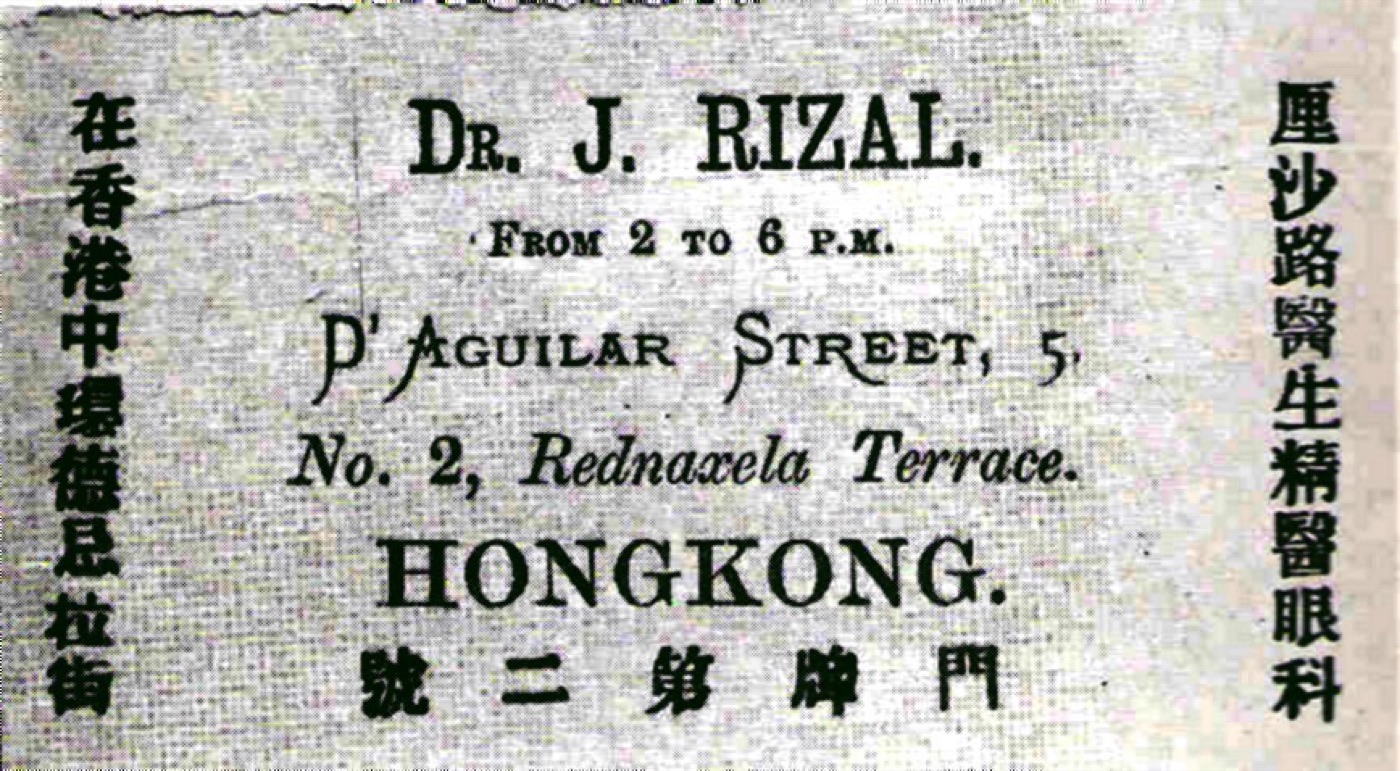
Ophthalmologist business card of Dr. José Rizal from Hong Kong
Rizal’s ophthalmologist business card from Hong Kong, a document of his working life in exile.José Rizal, late nineteenth century. Free Art License.
1892–1896

Dapitan

Exile made this a site of teaching, medical practice, and community work. The shrine and park are present-day memorial landscapes.

Read the sourced location note ↗
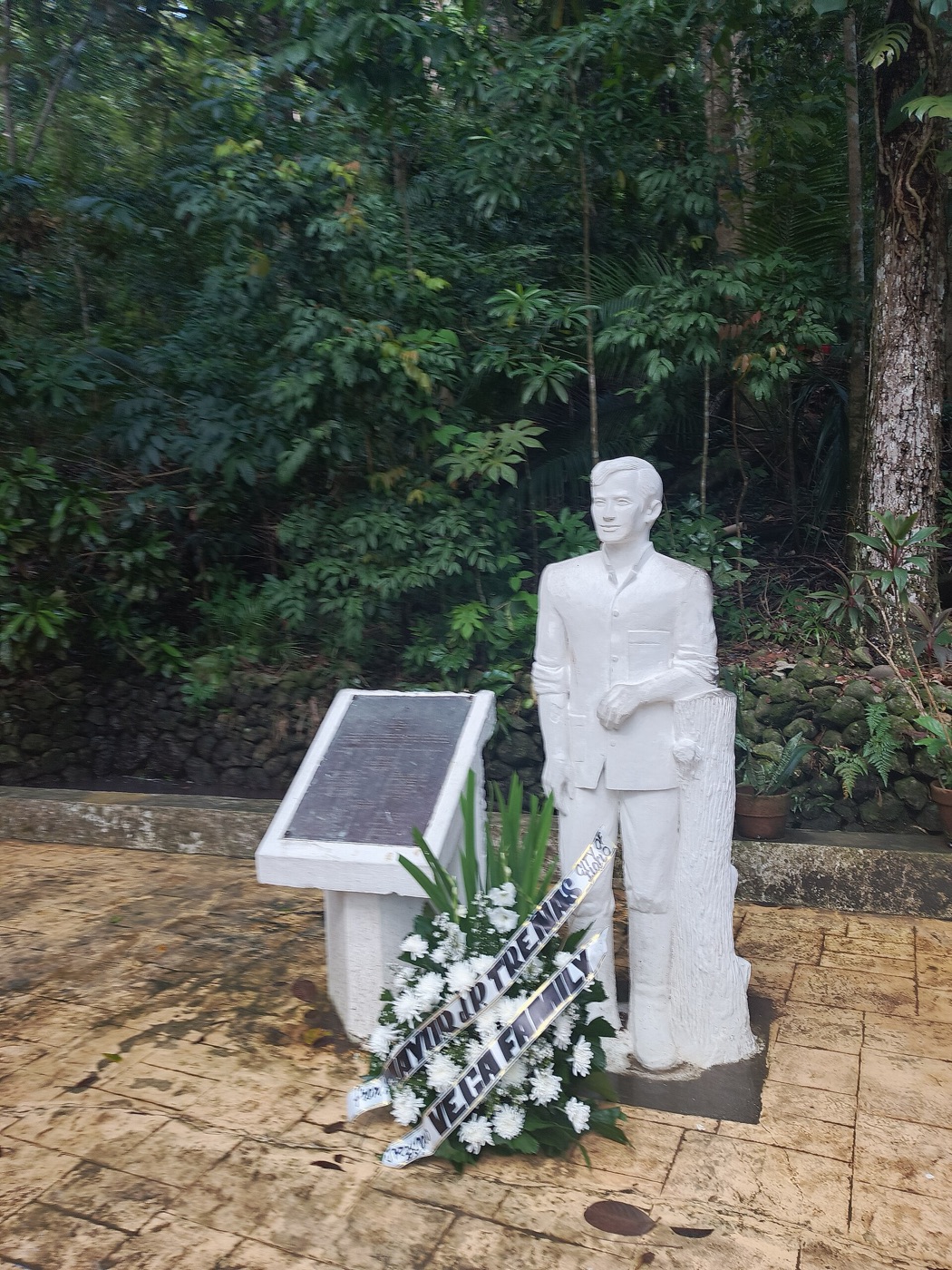
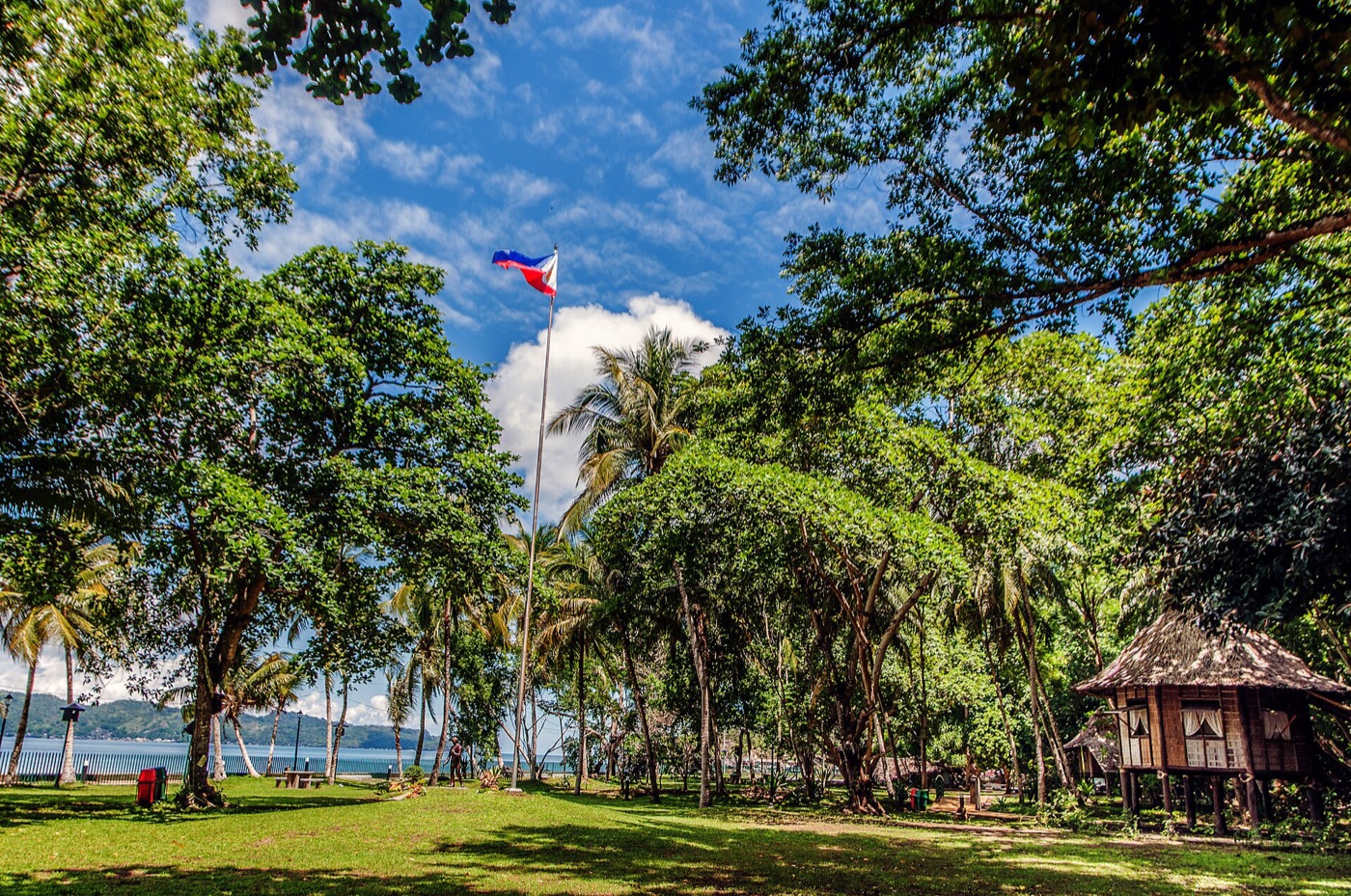
A structure at the Rizal Shrine in Dapitan City
The Rizal Shrine in Dapitan, where exile became a period of medical practice, teaching, and community work.QuianCagandahan, CC BY 4.0, via Wikimedia Commons.
José Rizal Park and Shrine in Dapitan City
The park and shrine at Talisay, Dapitan. Rizal lived here from 1892 until 1896.Francisco M. Pajares, Jr., CC BY-SA 4.0, via Wikimedia Commons.
December 30, 1896

Bagumbayan

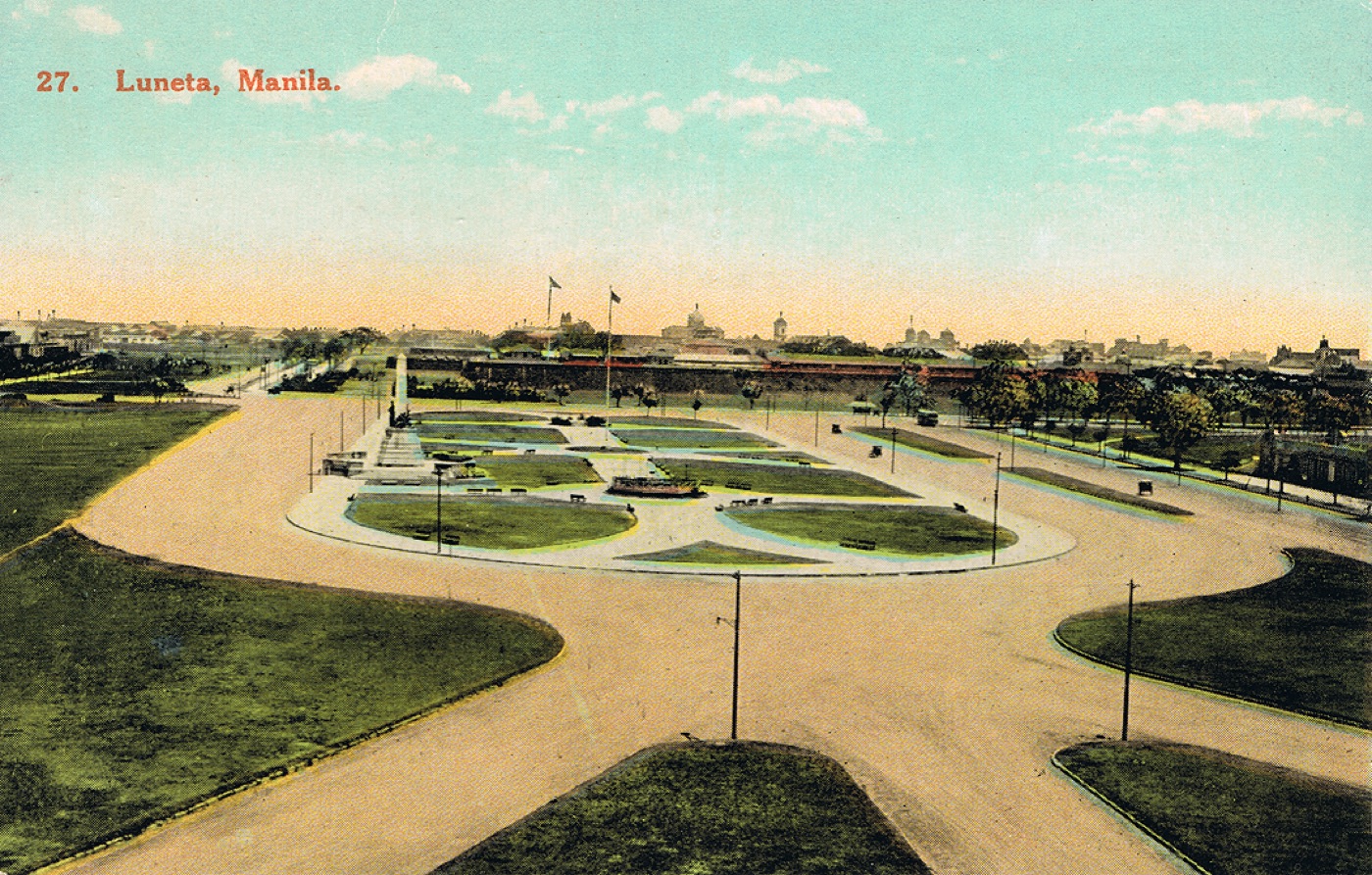
Place of execution. Today’s memorial landscape asks how a nation remembers. The painting is an artistic reconstruction, not a photograph.

Read the sourced location note ↗
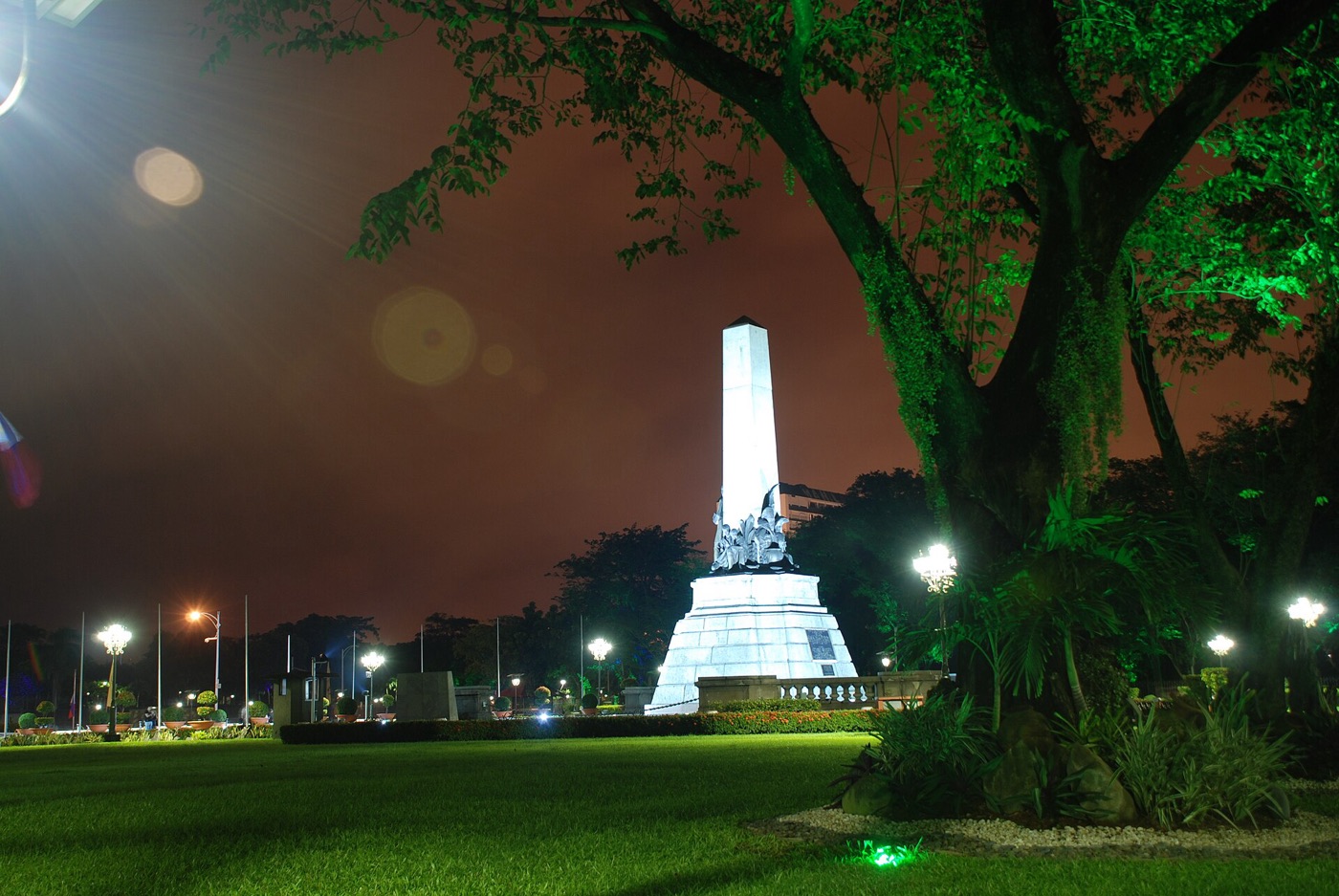
The Rizal Monument at Luneta Park in Manila
The Rizal Monument at Luneta, the memorial landscape that grew around the execution site.Bondyag112665, CC BY-SA 3.0, via Wikimedia Commons.
Early twentieth-century postcard of the Luneta in Manila
An early twentieth-century postcard of the Luneta, before the present monument was completed.Postcard, early twentieth century. Public domain.

Present-day photographs are included to make the exhibition visual, not to imply that the current structure is the historical one. Check local opening hours and access rules before visiting.

Map the journey

The interactive map places these sites on a world map with the same sourced notes and approximate coordinates.

Open the map ↗